Boat Database » Aquanaut Professional Drifter
Aquanaut Professional Drifter
Inboard Direct-Drive, Diesel, 1x 148 HP
Power Boats 2011 Aquanaut Professional Drifter: What Owners and Buyers Should Know Before You Set Out
If you’re looking at the 2011 Aquanaut Professional Drifter, chances are you already appreciate what makes a practical cruising boat appeal...
Discover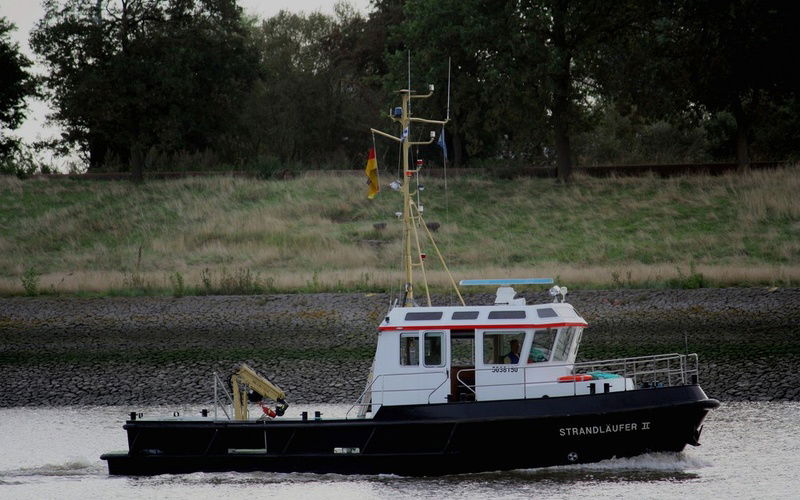
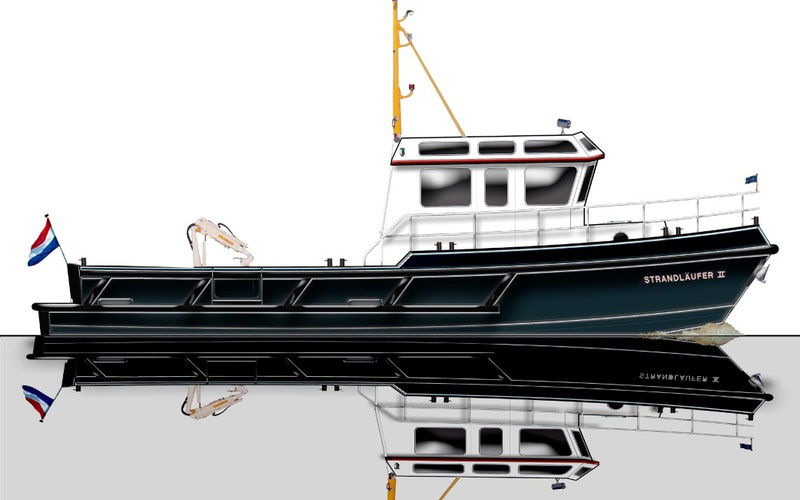
Images have been gathered from various sources and belong to their respective owners.
Review - Aquanaut Professional Drifter

MarineBroker
04/02/2024, 1:29 PM
2011 Aquanaut Professional Drifter: What Owners and Buyers Should Know Before You Set Out
If you’re looking at the 2011 Aquanaut Professional Drifter, chances are you already appreciate what makes a practical cruising boat appealing: solid construction, smart space use, and a layout that’s meant for real boating rather than just dockside dreaming. But here’s the catch—boats in this category can look great on paper while still hiding the usual used-boat headaches: maintenance history gaps, aging systems, moisture issues, and questions about how well the boat has actually been cared for.
That’s the real problem for many buyers and owners. It’s not just finding a boat you like; it’s figuring out whether it will keep delivering safe, comfortable, low-stress boating after the purchase. The good news is that with the right checklist and a little know-how, you can separate a well-kept 2011 Aquanaut Professional Drifter from one that may become a money pit.
In this article, we’ll walk through what to look for, common issues to watch, and practical ways to evaluate whether this boat is the right fit for your plans. If you’re considering one, or already own one, this will help you make smarter decisions with less guesswork.
- What Makes the 2011 Aquanaut Professional Drifter Worth a Closer Look
The Aquanaut Professional Drifter line is known for being built with cruising comfort in mind. Boats like this tend to appeal to people who want a dependable, capable vessel for inland waterways, coastal trips, or extended liveaboard-style cruising.
The 2011 model sits in that interesting used-boat sweet spot. It’s new enough to offer more modern systems than older classics, but old enough that wear and maintenance history matter a lot. That means buyers should focus less on cosmetics and more on the boat’s structure, mechanical condition, and service records.
For many boaters, the attraction is simple:
- Comfortable layout for longer stays aboard
- Practical cruising design
- Strong reputation for usable interior space
- Good platform for relaxed, low-to-moderate speed boating
Still, a used boat is only as good as its upkeep. That’s why understanding the common pain points is so important.
- The Main Problem: Hidden Wear in a Used Cruising Boat
When people search for a 2011 Aquanaut Professional Drifter, they’re often trying to answer one big question: “Is this boat still a smart buy?”
That question usually comes up because used cruising boats can have hidden issues that aren’t obvious during a quick viewing. These problems often include:
- Aging hoses, seals, and wiring
- Moisture intrusion in decks or cabins
- Engine or gearbox wear
- Corrosion around fittings and fasteners
- Outdated electronics
- Poor winterization or storage damage
- Evidence of deferred maintenance
A boat may look clean, but if it hasn’t been serviced regularly, the repair bill can climb fast. And with a vessel designed for comfortable cruising, small problems can turn into big inconveniences—especially if you plan to spend multiple days aboard.
The solution is not to avoid the boat. It’s to inspect it like an experienced boater would.
- How to Evaluate a 2011 Aquanaut Professional Drifter the Smart Way
A good evaluation starts with three things:
1. The paper trail
2. The structural condition
3. The mechanical and onboard systems
If all three check out, you’re in much better shape than someone who buys based on appearance alone.
- Check the Maintenance History First
Before getting too attached to the layout or finish, ask for records. A well-documented boat usually tells a clear story.
Look for:
- Annual engine service
- Oil and filter changes
- Cooling system maintenance
- Battery replacement history
- Fuel system inspections
- Winterization or lay-up records
- Antifouling and hull maintenance
- Repairs to plumbing, electrical, or heating systems
If the owner can show consistent care, that’s a strong sign. If not, assume you’ll need to budget for catch-up maintenance right away.
A missing service history doesn’t automatically mean the boat is bad, but it does mean more risk. For used boats, uncertainty is expensive.
- Inspect the Hull and Structure Carefully
The 2011 Aquanaut Professional Drifter should be inspected from the outside in, not just from the dock.
Pay attention to:
- Hull condition and fairness
- Signs of repair or impact damage
- Moisture around windows and deck fittings
- Soft spots on decks
- Condition of sealant around hatches and rails
- Corrosion or staining around metal fixtures
If possible, get a professional survey. That’s one of the best investments you can make when buying a used boat. A surveyor can spot issues that casual buyers often miss, especially if the boat has hidden water intrusion or structural problems.
For a cruising boat, water intrusion is a big deal. Even a small leak can lead to rot, mold, electrical issues, and expensive repairs over time.
- Don’t Ignore the Engine and Drivetrain
Most buyers focus on the cabin first, but the engine is what keeps the boat usable. On a 2011 model, mechanical condition matters a lot because age alone can create wear even if the boat hasn’t seen heavy use.
You’ll want to check:
- Cold start behavior
- Smoke on startup or under load
- Oil condition
- Coolant condition
- Belt and hose condition
- Transmission response
- Any unusual vibration or noise
- Service intervals and parts replacement
If the engine starts easily, idles smoothly, and runs cleanly, that’s a good sign. But don’t stop there. Ask whether the boat has been run regularly, stored properly, and serviced according to manufacturer recommendations.
A boat that sits too long can develop fuel problems, battery issues, and seal deterioration. Sometimes the “low hours” boat is actually more troublesome than the one that’s been used and maintained properly.
- Electrical Systems: Small Faults Can Become Big Annoyances
Electrical issues are one of the most common pain points in older boats. They can be minor, like a dead cabin light, or major, like charging failures or unreliable bilge pumps.
Check for:
- Clean battery terminals
- Proper charging from shore power and engine alternator
- Working navigation lights
- Functional bilge pumps
- Corrosion in distribution panels
- Neat, labeled wiring
- Evidence of amateur rewiring
A boat like the 2011 Aquanaut Professional Drifter should ideally have tidy, serviceable wiring. If you see messy additions, taped connections, or corroded terminals, that’s a warning sign.
Electrical problems are often not difficult individually, but they can be time-consuming to trace. The best solution is prevention: inspect early, fix small issues quickly, and avoid letting corrosion spread.
- Cabin Comfort Matters More Than You Think
One reason people like the Aquanaut Professional Drifter is the expectation of comfortable onboard living. But comfort isn’t just about upholstery and wood finish. It’s about whether the boat feels dry, functional, and easy to use.
Check the interior for:
- Musty smells
- Water staining
- Condensation issues
- Cabinet swelling
- Soft flooring
- Poor ventilation
- Heater or ventilation performance
A dry, well-ventilated cabin is a sign of a boat that has been cared for. A damp cabin can point to leaks, poor sealing, or long-term condensation problems.
If you plan to cruise in variable weather, this matters a lot. A boat that stays dry and warm is simply more enjoyable and less expensive to maintain.
- Common Used-Boat Issues to Watch for in a 2011 Aquanaut Professional Drifter
Every used cruising boat has its own quirks, but some issues tend to show up often enough that they deserve attention.
Here are the big ones:
- Aging seals around windows and hatches
- Leaking deck fittings
- Outdated electronics
- Battery bank wear
- Fuel contamination
- Corrosion in engine-room components
- Worn upholstery or interior fittings
- Storage-related moisture damage
The key is not panic. Most of these issues are manageable if caught early. The real problem is buying without a plan and discovering them after the sale.
A smart buyer treats a used boat like a home inspection with engines attached. You’re not trying to find perfection. You’re trying to understand what needs work now, what can wait, and what could become a serious expense later.
- The Best Solution: Buy Based on Condition, Not Just Model Reputation
It’s tempting to rely on the reputation of the 2011 Aquanaut Professional Drifter and assume all examples are equally good. But in the used-boat market, individual condition matters far more than model name.
A well-kept boat with records, clean systems, and no moisture issues can be a great buy. A neglected one can become frustrating fast.
Use this simple approach:
1. Review the maintenance history
2. Inspect the hull, deck, and interior for water intrusion
3. Test the engine and electrical systems
4. Budget for immediate service after purchase
5. Get a marine survey before closing the deal
That process won’t just protect your wallet. It will also help you buy with confidence.
- Practical Tips for Owners of a 2011 Aquanaut Professional Drifter
If you already own one, the goal shifts from evaluating the boat to keeping it dependable. The good news is that a little routine care goes a long way.
Here are the most useful habits:
- Flush and service the engine on schedule
- Check bilge pumps regularly
- Inspect sealant around windows and deck hardware
- Keep batteries charged and terminals clean
- Ventilate the cabin to reduce condensation
- Replace aging hoses before they fail
- Clean and inspect fuel systems periodically
- Watch for early signs of corrosion or moisture
A lot of boat problems start small. The owner who catches them early usually spends less and enjoys the boat more.
Think of maintenance as protecting your boating season. Every hour spent on inspection and prevention can save you days of frustration later.
- What to Ask Before Buying
If you’re seriously considering a 2011 Aquanaut Professional Drifter, ask the seller direct questions. The answers will tell you a lot.
Useful questions include:
- How long have you owned the boat?
- Where has it been stored?
- When was the last engine service?
- Have any major repairs been done?
- Has the boat ever had leaks or water intrusion?
- Are all systems currently working?
- Are there recent survey documents?
- What upgrades have been made?
A confident, transparent seller usually has clear answers. Vague responses or missing records don’t automatically mean trouble, but they do raise the level of caution you should use.
- Is the 2011 Aquanaut Professional Drifter a Good Fit for You?
This boat may be a strong choice if you want:
- A practical cruising layout
- A comfortable onboard experience
- A used boat with real value potential
- Something suitable for relaxed trips and extended stays
- A platform that rewards careful ownership
It may be less ideal if you want a turn-key boat with no maintenance surprises and no inspection work. Older used boats often need some level of recommissioning, even when they’ve been well cared for.
So the real question isn’t whether the model is good in general. It’s whether the specific boat in front of you has been maintained well enough to match your expectations.
- How to Avoid Expensive Mistakes
If there’s one takeaway here, it’s this: don’t let first impressions do the buying for you.
To avoid costly mistakes:
- Never skip a survey
- Always test systems under real conditions
- Budget for repairs after purchase
- Verify records whenever possible
- Inspect for moisture, corrosion, and wear
- Walk away if the story doesn’t add up
That approach is especially useful with a 2011 Aquanaut Professional Drifter because the boat’s value depends heavily on condition. A careful buyer can find excellent value. A rushed buyer can inherit someone else’s problems.
- Conclusion
The 2011 Aquanaut Professional Drifter can be a very appealing used cruising boat, but like any vessel of this age, its real value depends on condition, maintenance, and how well it has been cared for over time. The smartest way to approach it is to focus on the basics: service history, hull integrity, engine health, electrical reliability, and signs of moisture intrusion.
If those areas check out, you may have a capable and comfortable boat that delivers a lot of enjoyment for the money. If you’re still shopping, take your time, ask the right questions, and always get a professional survey. That extra effort can save you from expensive surprises and help you buy a boat you’ll actually enjoy using.
Specifications
General
Boat Type: Power Boats
Class Type: Trawler
Specifications
Length: 44.29
Beam: 14.27
Draft: 3.61
Hull Material: Steel
Build
First Built: 2011
Propulsion
Fuel Type: Diesel
Engines: 1
Power: 148 HP
Brand: Perkins
Accomodation
PROS & CONS
What we appreciated
 Durable and rugged construction suitable for various water conditionsStable hull design providing good handling and safetySpacious deck layout ideal for fishing and professional useReliable engine options with decent fuel efficiencyGood resale value due to brand reputation
What we didn’t appreciate
 Older model may lack modern electronics and convenience featuresLimited cabin or shelter space for extended tripsRelatively heavier weight affecting trailering and speedMaintenance can be costly due to specialized partsBasic interior fittings compared to newer boats in the same class
Upkeep Costs
Fuel: Approximately $1,200 - $2,000 per year depending on usage
Maintenance and Repairs: Around $1,000 - $1,500 annually
Insurance: Typically $300 - $600 per year
Storage: $500 - $1,500 per year depending on location and type
Registration and Taxes: $100 - $300 per year
Rating
7.1
User
Score
Score
Driveability
Technology
Interior
Design
Similar Boats


MarineBroker
Download now for an immersive boat experience like never before! ⛵✨ Your journey begins with a simple click. 🌊📲
#SetSailSmart #DownloadNow
#SetSailSmart #DownloadNow

Subscribe
Copyright 2017 - 2026, Marinebroker.net, All Rights Reserved