Boat Database » American Tug 485
American Tug 485
Inboard Direct-Drive, Diesel, 1x 600 HP
Power Boats 2015 American Tug 485: What Owners and Buyers Should Know Before Making a Move
If you’ve been looking at the 2015 American Tug 485, chances are you already appreciate what makes this style of trawler so appealing: long-range crui...
Discover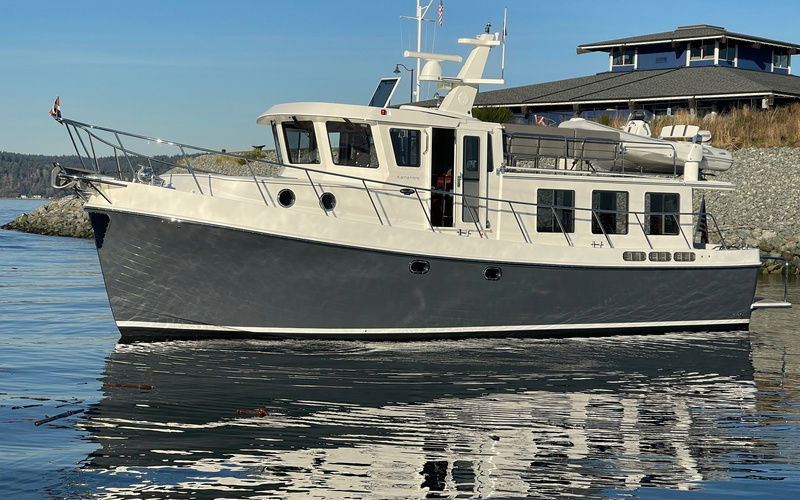
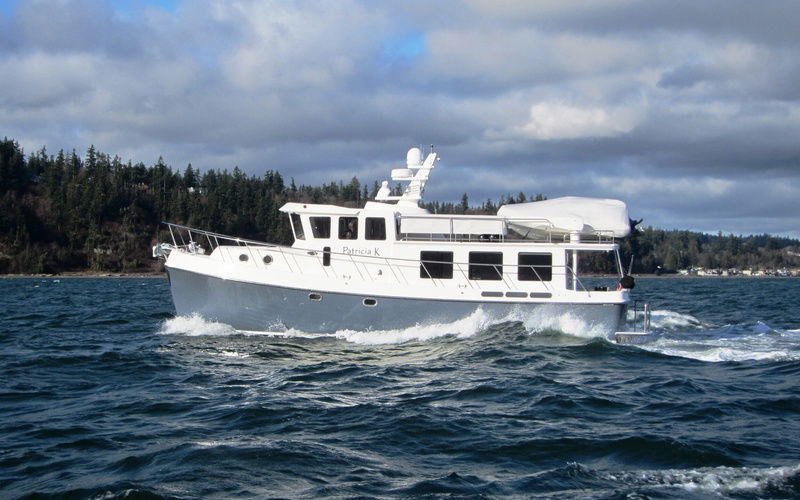
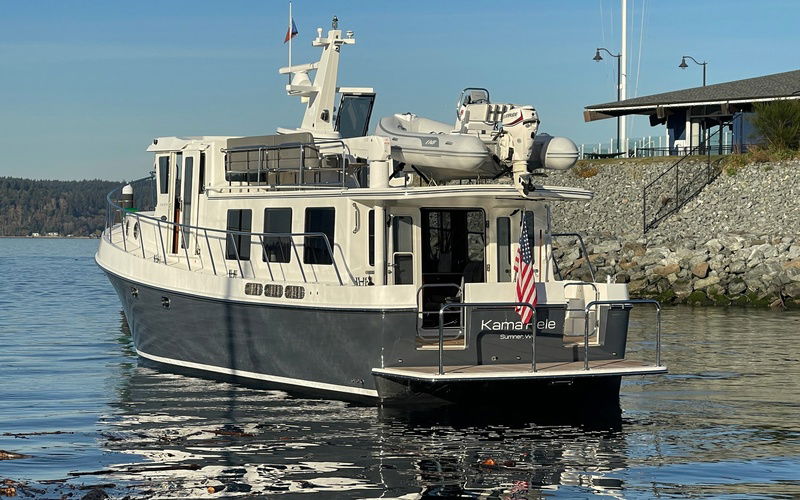
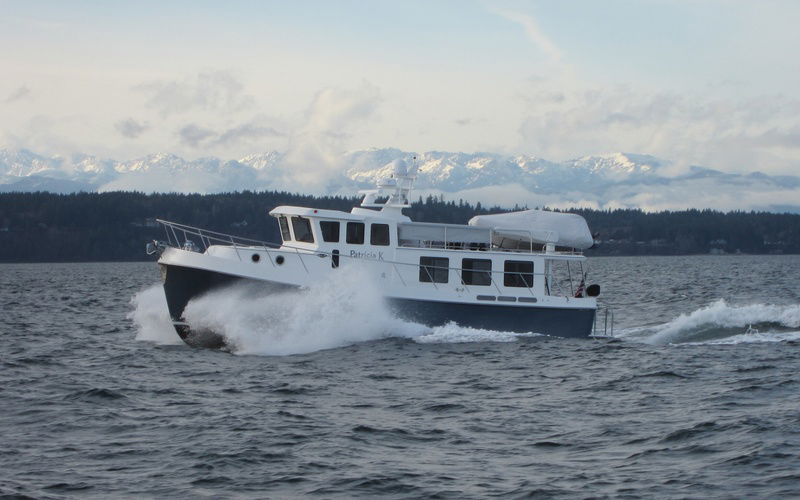
Images have been gathered from various sources and belong to their respective owners.
Review - American Tug 485

MarineBroker
03/13/2024, 1:11 PM
2015 American Tug 485: What Owners and Buyers Should Know Before Making a Move
If you’ve been looking at the 2015 American Tug 485, chances are you already appreciate what makes this style of trawler so appealing: long-range cruising ability, solid construction, and a layout designed for comfortable time aboard. But here’s the real challenge most people run into—figuring out whether this yacht is actually the right fit for their cruising plans, budget, and maintenance expectations.
That’s where things can get a little tricky. A boat like the 2015 American Tug 485 isn’t just about size or looks. It’s about how it performs in real-world conditions, how easy it is to handle, what systems need attention, and whether it supports the kind of boating lifestyle you want. Buyers often get caught up in the excitement and overlook the practical side: fuel burn, docking behavior, systems age, and how the boat holds up after years of use.
The good news is that with the right approach, you can evaluate this model with confidence. In this article, we’ll break down what matters most, what to watch for, and how to decide if the 2015 American Tug 485 is a smart match for your cruising goals.
- Why the 2015 American Tug 485 Gets Attention
The American Tug 485 sits in a sweet spot for boaters who want a capable cruising vessel without jumping into a full-size yacht that becomes difficult to manage. It’s a semi-displacement trawler-style boat, which means it’s built for efficient cruising rather than speed.
For many owners, that’s the whole point. You get a vessel designed for stability, range, and comfort, especially on extended coastal trips or inland waterway adventures.
What tends to attract buyers to this model includes:
- A reputation for rugged, practical construction
- Comfortable accommodations for longer stays aboard
- Good fuel efficiency compared with faster yachts
- A layout that supports liveaboard or extended cruising use
- A size that still feels manageable for experienced owners
The appeal is easy to understand. But the problem is that many people evaluate a boat like this based on brochure specs alone. Real ownership is more about how the vessel fits your cruising habits, maintenance style, and handling comfort.
- The Main Problem: Is the 2015 American Tug 485 the Right Boat for Your Use?
A common issue for buyers is assuming that a well-regarded model automatically equals the right boat. That’s not always true.
The 2015 American Tug 485 may be excellent for one owner and frustrating for another. For example, a couple planning long-distance coastal cruising may love the range, storage, and living space. On the other hand, someone who wants quick weekend hops and easy marina maneuvering might find the boat larger and more system-heavy than they need.
The core problem is matching the boat to the mission.
Ask yourself:
- Will you cruise mostly short distances or go farther offshore?
- Do you want to live aboard, or just use the boat seasonally?
- Are you comfortable with a larger vessel’s systems and upkeep?
- Will you dock in tight marinas or mostly anchor out?
- Is fuel economy a major concern?
When buyers skip these questions, they often end up with a boat that looks perfect on paper but doesn’t align with real-life use.
- What Makes the 2015 American Tug 485 Practical for Cruising
One of the strongest points of the 2015 American Tug 485 is that it was built with practical cruising in mind. This isn’t a flashy “dock queen” kind of boat. It’s designed to be used.
That means the layout, systems, and hull form all aim to support comfortable travel over distance. For cruisers, that matters more than raw speed.
Here are a few practical strengths that stand out:
- Efficient cruising profile: The hull design is intended to deliver good range at moderate speeds.
- Comfortable interior spaces: Many buyers appreciate the way the boat supports extended time aboard.
- Stable feel underway: A trawler-style boat often feels predictable and secure in a variety of conditions.
- Storage-friendly design: Cruising boats need places to stow gear, provisions, spares, and safety equipment.
- Owner-friendly operation: Compared with some larger yachts, the handling can feel more straightforward for experienced operators.
That said, practical doesn’t mean maintenance-free. A boat with more systems and more living space naturally requires more attention. The key is knowing what to inspect and how to prepare.
- 2015 American Tug 485: What to Check Before You Buy
If you’re considering this model on the used market, the smartest move is to evaluate it like a long-term cruising tool, not just a luxury purchase. A thorough inspection can save you from expensive surprises later.
Focus on these areas:
- Engine and propulsion system
Check service records, oil analysis, and maintenance history. Ask about hours, cooling system work, and any major repairs.
- Generator and electrical systems
Long-range boats depend on reliable power. Make sure charging systems, battery banks, inverters, and shore power setups are in good shape.
- Hull and deck condition
Look for evidence of leaks, stress cracks, or prior repairs. Pay attention around hardware, windows, railings, and penetrations.
- Steering and controls
A boat of this size should respond predictably. Test helm operation, thrusters if equipped, and all control systems.
- Interior moisture and ventilation
Moisture issues can be hidden. Check lockers, bilges, cabinetry, and soft goods for signs of dampness or odor.
- Navigation and electronics
Older electronics can be functional but outdated. Decide whether upgrades are needed and budget accordingly.
- Maintenance records
This is one of the biggest indicators of real value. A well-documented boat often tells you more than cosmetics ever will.
A survey is essential, but even before that, you can learn a lot from the seller’s records and the boat’s overall presentation.
- The Best Solution: Match the Boat to a Cruising Plan
The best way to solve the “is this the right boat?” problem is to work backward from your actual cruising plan.
Instead of asking, “Do I like the 2015 American Tug 485?” ask:
- What kind of trips will I really take?
- How many people will be aboard?
- How much gear will I carry?
- What weather conditions will I face?
- How much maintenance am I willing to handle?
This approach makes the decision much clearer.
For example:
- If you want extended coastal cruising with a partner, this boat may be a strong fit.
- If you plan to spend weeks aboard and value storage and comfort, it can make a lot of sense.
- If you prefer simple day boating or fast point-to-point travel, it may be more boat than you need.
A practical solution is to create a “must-have” list and a “nice-to-have” list.
Must-have examples:
- Easy access to systems
- Reliable range
- Comfortable berth and galley
- Safe movement around deck
- Manageable docking setup
Nice-to-have examples:
- Extra guest space
- Upgraded electronics
- Larger entertainment area
- Decorative finishes
This keeps emotion from taking over the decision.
- Performance Expectations for the 2015 American Tug 485
People interested in this model often want to know how it feels underway. While exact performance depends on engine package, load, sea state, and maintenance, the general expectation is a comfortable cruising experience rather than a speed-focused one.
That matters because many buyers compare boats too heavily on top speed. For trawler-style cruising, the better question is: how efficiently and comfortably does it travel at the speed you’ll actually use?
A few practical performance considerations:
- Fuel efficiency is usually more important than maximum speed
- Heavier loads can affect trim and handling
- Sea conditions matter more at lower hull speeds than people expect
- Proper trim and weight distribution can improve ride quality
- Familiarity with the boat’s handling makes a big difference in confidence
If you’re new to boats in this size class, take time to operate one in different conditions before making a final decision. Calm-water impressions can be misleading.
- Ownership Costs You Should Plan For
A lot of buyers focus on purchase price and overlook ongoing ownership costs. That’s a mistake, especially with a capable cruising boat like the 2015 American Tug 485.
Even a well-built vessel needs regular upkeep. The real question is whether the ongoing costs fit your budget.
Typical cost categories include:
- Engine service and fluid changes
- Generator maintenance
- Bottom cleaning and bottom paint
- Insurance
- Dockage or moorage
- Electronics upgrades
- HVAC and plumbing service
- Batteries and charging components
- Safety gear replacement
It helps to think in annual terms, not just one-time repairs. A boat like this can be very rewarding, but only if you budget realistically.
A good rule is to leave room for unexpected maintenance. Older systems, even on a well-kept yacht, can surprise you. Planning ahead reduces stress and helps preserve the boat’s value.
- How to Evaluate Layout and Livability
One reason the 2015 American Tug 485 gets attention is that it’s not just about performance. It’s about how the boat works when you’re actually living on it.
That makes layout a major part of the decision.
Look at these livability factors:
- Is the salon comfortable for long periods?
- Does the galley support real meal prep?
- Are sleeping areas practical for your crew size?
- Is there enough storage for cruising supplies?
- Can you move safely around the boat at sea and in port?
- Are the helm and seating areas arranged for easy communication?
If you plan to spend long stretches aboard, small details matter a lot. Things like counter space, locker access, and natural light can affect day-to-day enjoyment more than people expect.
A boat that feels slightly cramped during a short visit may become annoying after a week aboard. On the other hand, a layout that supports easy movement and good storage can make cruising much more enjoyable.
- What Makes This Model Attractive to Experienced Boaters
Experienced owners often like boats that feel purposeful rather than overcomplicated. That’s part of the appeal of the 2015 American Tug 485.
It tends to attract people who value:
- Practical design over flash
- Long-range capability
- A solid cruising platform
- Comfort without excessive complexity
- A boat that can handle serious use
This model may be especially appealing if you’ve already spent time on smaller boats and now want something that supports more ambitious trips. It can also make sense for boaters stepping into a larger vessel who still want manageable handling.
The trick is recognizing that “manageable” is relative. A larger cruising boat still needs skill, attention, and routine care. But for the right owner, that tradeoff is absolutely worth it.
- Smart Buying Tips for the 2015 American Tug 485
If you’re actively shopping, here are a few practical tips that can help you make a better decision:
1. Take a sea trial
Never skip this. A boat can look great at the dock and feel completely different underway.
2. Review service records carefully
Maintenance history often reveals how the boat has been treated more than appearance does.
3. Budget for upgrades
Even a well-kept boat may need electronics, soft goods, batteries, or system refreshes.
4. Inspect systems methodically
Don’t rush through the engine room, electrical panels, or plumbing areas.
5. Compare against your use case
A boat is only “right” if it fits your actual cruising style.
6. Bring in professionals
A qualified surveyor and mechanic can help identify issues that are easy to miss.
These steps may seem basic, but they’re the difference between a confident purchase and an expensive guess.
- Common Mistakes Buyers Make
Many buyers fall into the same traps when considering a boat like this.
Some of the most common mistakes include:
- Buying based on appearance alone
- Underestimating maintenance costs
- Ignoring storage and dockage limitations
- Assuming all trawlers handle the same way
- Failing to test the boat in real conditions
- Overlooking system age and upgrade needs
The fix is simple: slow down and evaluate the boat as a complete package. The 2015 American Tug 485 can be a very smart choice, but only if the numbers, layout, and condition all line up with your plans.
- Final Thoughts on the 2015 American Tug 485
The 2015 American Tug 485 stands out because it offers a practical mix of cruising comfort, solid construction, and long-range capability. For the right owner, it can be an excellent platform for coastal adventures, extended trips, or even liveaboard use.
The main challenge is making sure it fits your boating lifestyle, not just your wishlist. If you evaluate the boat based on real cruising needs, maintenance expectations, and long-term costs, you’ll be in a much better position to decide.
Take your time, inspect carefully, and focus on how the boat will serve you in everyday use. If you do that, you’ll be able to tell whether the 2015 American Tug 485 is simply interesting—or truly the right boat for your next chapter on the water.
Specifications
General
Boat Type: Power Boats
Class Type: Trawler
Specifications
Length: 49.02
Beam: 15.81
Draft: 4.82
Hull Material: GRP
Build
First Built: 2015
Propulsion
Fuel Type: Diesel
Engines: 1
Power: 600 HP
Brand: Cummins
Accomodation
Berths: 4
Cabins: 2
Bathrooms: 2
PROS & CONS
What we appreciated
 Solid and robust build quality typical of American TugsSpacious and well-designed interior layout with high-quality finishesExcellent fuel efficiency for a boat of its sizeComfortable pilothouse with great visibility for long-distance cruisingGood storage capacity and practical deck layout
What we didn’t appreciate
 Relatively slow cruising speed compared to other trawlersHigher initial purchase price compared to some competitorsLimited availability of some replacement parts due to niche manufacturerSmaller engine room can make maintenance more challengingNot ideal for rough seas due to moderate hull design
Upkeep Costs
Fuel: Approximately $8,000 - $12,000 per year depending on usage
Maintenance and Repairs: Around $5,000 - $10,000 annually
Insurance: Typically $1,500 - $3,000 per year
Docking/Marina Fees: $3,000 - $6,000 per year depending on location
Winter Storage and Haul-out: $1,000 - $3,000 per year
Rating
8.0
User
Score
Score
Driveability
Technology
Interior
Design
Similar Boats


MarineBroker
Download now for an immersive boat experience like never before! ⛵✨ Your journey begins with a simple click. 🌊📲
#SetSailSmart #DownloadNow
#SetSailSmart #DownloadNow

Subscribe
Copyright 2017 - 2026, Marinebroker.net, All Rights Reserved