Boat Database » Aquanaut GV 1500
Aquanaut GV 1500
Inboard Direct-Drive, Diesel, 1x 225 HP
Power Boats 2010 Aquanaut GV 1500: What to Check, What to Fix, and How to Keep It Running Smoothly
If you’re looking at a 2010 Aquanaut GV 1500, chances are you already know it’s not just another boat on the water. It’s the kind of vessel th...
Discover
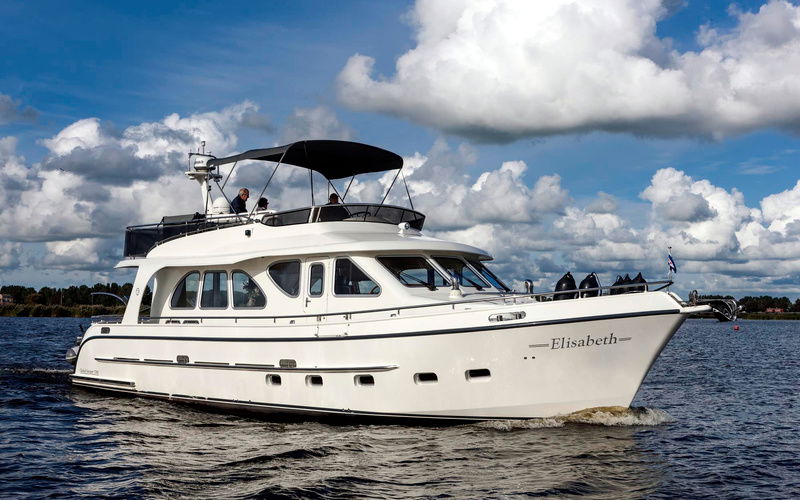


Images have been gathered from various sources and belong to their respective owners.
Review
2010 Aquanaut GV 1500: What to Check, What to Fix, and How to Keep It Running Smoothly
If you’re looking at a 2010 Aquanaut GV 1500, chances are you already know it’s not just another boat on the water. It’s the kind of vessel that attracts buyers who want a solid cruising experience, dependable handling, and enough space to make time on board feel comfortable rather than cramped. But like any 2010-era boat, the big question is usually not just “Is it a good model?” It’s “What should I watch out for before I buy, and how do I keep it in good shape after?”
That’s the real challenge with older boats: even a well-built one can hide issues that don’t show up in the listing photos. Soft spots, aging systems, worn-out hoses, electrical quirks, and neglected maintenance can turn a promising purchase into a headache fast. The good news is that most of these problems are manageable if you know where to look.
This guide breaks down the 2010 Aquanaut GV 1500 in a practical way, so you can evaluate it confidently, avoid common mistakes, and understand the maintenance steps that matter most.
- Why the 2010 Aquanaut GV 1500 still gets attention
- The most common problems to inspect
- How to evaluate condition before buying
- Maintenance habits that prevent costly repairs
- When the boat is a smart choice and when to walk away
- Why the 2010 Aquanaut GV 1500 Still Draws Interest
The 2010 Aquanaut GV 1500 sits in a category that many boaters appreciate: large enough to feel substantial, but still manageable for owners who want a practical cruising boat rather than a floating project. For people browsing used boats, this model often stands out because it can offer a good balance of comfort, layout, and cruising capability.
A 2010 boat is old enough that wear-and-tear matters, but new enough that a well-kept example may still have plenty of life left. That makes it appealing to buyers who want value without jumping into a brand-new price range.
For many shoppers, the attraction is simple:
- You get more boat for the money
- The layout may suit family cruising or extended weekends
- It can be easier to find than newer, more expensive alternatives
- A properly maintained example may already have key upgrades installed
Still, age matters. Even a strong design can become frustrating if systems have been ignored. That’s why the smartest approach is not to ask only whether the boat is “good,” but whether the specific boat in front of you has been cared for properly.
- The Main Problem Buyers Face: Hidden Wear and Deferred Maintenance
The biggest issue with a 2010 Aquanaut GV 1500 is usually not one dramatic failure. It’s the accumulation of small, expensive, avoidable problems.
A boat can look clean on the surface and still need thousands in repairs. That’s especially true if the previous owner skipped regular servicing or stored the boat poorly.
Common hidden issues include:
- Aging seals and gaskets
- Electrical corrosion
- Fuel system contamination
- Worn steering or control components
- Moisture intrusion into decks or cabins
- Outdated navigation or battery systems
- Engine maintenance gaps
This is the part many buyers underestimate. A boat that has been “used lightly” is not always a low-risk purchase. In boating, light use without proper maintenance can actually create more problems than consistent use with good upkeep.
The solution is to inspect the boat like a mechanic, not like a shopper.
- What to Inspect on a 2010 Aquanaut GV 1500 Before Buying
If you’re evaluating a 2010 Aquanaut GV 1500, focus on the systems that age fastest and cost the most when they fail. A careful inspection can save you from buying a boat that looks good but needs major work.
- Hull and Deck Condition
Start with the structure. Look for:
- Stress cracks around fittings and windows
- Soft spots in the deck
- Signs of water intrusion near hatches or rails
- Repairs that don’t match the surrounding material
- Blistering, delamination, or uneven surfaces
Walk the deck slowly and listen for changes in sound underfoot. A hollow or spongy feel can point to moisture damage. Check corners, seams, and areas around hardware because those are common leak points.
- Engine and Mechanical Systems
The engine is usually where the biggest repair bills live. Whether the boat has one engine or a twin setup, you want evidence of regular servicing.
Check:
- Oil condition and service records
- Cooling system condition
- Belts, hoses, and clamps
- Corrosion around engine mounts and fittings
- Unusual smoke, vibration, or knocking
- Start-up behavior when cold and warm
If possible, do not rely on a dockside idle test alone. A boat can sound fine at the dock and still reveal issues under load. A sea trial is important because it shows how the boat behaves when the engine is working harder.
- Electrical System
Electrical problems are among the most annoying because they can be intermittent and hard to trace.
Inspect:
- Battery age and type
- Charger performance
- Wiring cleanliness and labeling
- Corrosion at terminals
- Circuit breaker function
- Instrument panel reliability
Look under panels and inside lockers for signs of amateur modifications. Loose wiring, twisted connections, and unprotected splices often mean future trouble.
- Fuel System
Fuel issues can create safety risks as well as mechanical headaches. On a 2010 boat, fuel lines and filters may need attention even if the engine has been serviced.
Check for:
- Fuel smell in lockers or engine spaces
- Soft or cracked hoses
- Rust or contamination in filters
- Evidence of water in the fuel
- Proper venting and secure tank fittings
If the boat has been sitting for long periods, ask how the fuel was stabilized and whether the tanks were kept full or treated properly.
- Plumbing and Freshwater Systems
Boats often develop plumbing problems from age, vibration, and poor winterization.
Inspect:
- Water pumps
- Hose connections
- Toilet and sanitation system condition
- Bilge pump operation
- Tank levels and odor issues
- Faucet pressure and leaks
A strong-looking cabin can still have plumbing issues hidden behind panels or under flooring. Even minor leaks can lead to mold, odors, and structural damage.
- Interior and Comfort Features
Cabin condition matters more than people think. It’s not just about appearance; it often reflects how the boat was maintained overall.
Watch for:
- Water stains on headliners or upholstery
- Musty smells
- Mold around windows or vents
- Loose cabinetry
- Damaged flooring
- Signs of condensation problems
A clean, dry interior usually suggests better ownership habits. A damp or neglected cabin often points to bigger maintenance gaps elsewhere.
- Common Issues Seen on Older Cruising Boats Like the 2010 Aquanaut GV 1500
Even if the 2010 Aquanaut GV 1500 was well made, age brings predictable issues. Knowing them helps you separate normal wear from serious red flags.
- Corrosion in Saltwater Use
If the boat spent time in saltwater, corrosion becomes a major concern. Salt attacks metal fittings, electrical components, fasteners, and engine parts.
Look closely at:
- Rail hardware
- Through-hulls
- Electrical connections
- Propellers and shafts
- Anchoring equipment
Saltwater boats can still be excellent purchases, but only if corrosion has been managed consistently.
- Aging Soft Goods
Cushions, curtains, seals, and upholstery don’t last forever. These are not always expensive individually, but replacing them adds up.
A worn interior can also signal that the boat has been sitting exposed to sun and moisture. That matters because sun damage often affects more than just the upholstery.
- Outdated Electronics
Older boats often come with older chartplotters, radios, and navigation tools. Even if they still work, they may not be ideal for modern cruising.
You may need to budget for:
- GPS/chartplotter upgrades
- VHF radio replacement
- Battery monitoring systems
- Better charging solutions
- Modern safety electronics
That doesn’t mean the boat is a bad purchase. It just means the real cost includes bringing the systems up to your standard.
- Neglected Maintenance Records
The absence of records is a problem by itself. A boat without service history is harder to trust, even if it looks fine.
Good records should show:
- Oil and filter changes
- Impeller replacements
- Winterization or storage prep
- Battery maintenance
- Repairs and inspections
- Parts replaced over time
If the seller can’t explain what’s been done and when, assume you’ll need to catch up on maintenance after purchase.
- How to Solve the Problem: A Smart Evaluation Process
The practical solution is to inspect the boat in layers. Don’t just check the cosmetics. Don’t just test the engine. Review the boat as a complete system.
Here’s a simple approach:
1. Start with the paperwork
Ask for service records, ownership history, and any repair invoices.
2. Inspect the exterior first
Look for hull damage, deck wear, and signs of poor sealing.
3. Check the mechanicals
Review the engine, fuel system, steering, and cooling components.
4. Test all electrical and plumbing systems
Turn on everything, not just the obvious items.
5. Do a sea trial
Watch how the boat accelerates, steers, trims, and handles vibration.
6. Hire a marine surveyor if the boat is a serious candidate
This is one of the best ways to avoid expensive surprises.
A survey may feel like an extra cost, but on a boat like the 2010 Aquanaut GV 1500, it can prevent a much bigger mistake. A few hundred or even a thousand dollars spent on inspection can save many times that amount later.
- Maintenance Tips That Keep the 2010 Aquanaut GV 1500 Reliable
If you already own the boat, or you’re planning to buy one, the best long-term solution is consistent maintenance. Boats don’t usually fail all at once. They deteriorate gradually when small jobs are ignored.
- Follow a Seasonal Maintenance Routine
At minimum, check the major systems before and after the boating season.
Seasonal tasks should include:
- Engine oil and filter changes
- Coolant and impeller checks
- Battery testing and charging
- Fuel filter replacement
- Bilge cleaning
- Hose inspection
- Seal and gasket checks
If the boat is stored over winter, proper winterization is essential. A bad storage season can undo a lot of good ownership.
- Keep Water Out
Water is one of the biggest enemies of any boat. Even a small leak can create mold, rot, corrosion, and electrical trouble.
Focus on:
- Re-sealing hardware when needed
- Keeping drains clear
- Checking hatches and windows
- Monitoring bilge water
- Fixing leaks quickly
If you smell dampness, don’t ignore it. Find the source early.
- Protect the Electrical System
Use dielectric grease where appropriate, keep terminals clean, and replace weak batteries before they fail on the water.
A few good habits go a long way:
- Disconnect or maintain batteries during storage
- Inspect shore power connections
- Keep wiring dry and organized
- Replace corroded components promptly
Electrical reliability makes boating calmer and safer.
- Stay Ahead of Engine Wear
Most engine problems start small. Catch them early and they’re manageable.
Watch for:
- Hard starting
- Temperature changes
- Fuel smell
- Oil discoloration
- Reduced performance
- Unusual vibration
If something feels off, don’t wait until it becomes a breakdown.
- Budget for Upgrades, Not Just Repairs
A used boat often needs both fixes and improvements. That’s normal.
For the 2010 Aquanaut GV 1500, a realistic ownership budget may include:
- Safety gear updates
- Battery replacement
- Electronics upgrades
- Upholstery or seal replacement
- Routine mechanical service
- Antifouling and hull care
Planning for these costs makes ownership less stressful and helps you enjoy the boat instead of constantly reacting to problems.
- When the 2010 Aquanaut GV 1500 Is a Good Buy
This model can make sense if the boat has:
- Clear service history
- Dry, clean structural condition
- Healthy engine performance
- Reasonable electrical and plumbing systems
- Evidence of careful storage
- A price that reflects age and maintenance needs
In other words, the boat is best for buyers who value condition over cosmetics. A clean, well-documented example can be a solid choice.
- When to Walk Away
Sometimes the smartest move is to pass.
Be cautious if you find:
- Major water damage
- Repeated engine problems
- Extensive corrosion
- No maintenance records
- Poorly done repairs
- Persistent odors or mold
- A seller who avoids questions
If several red flags show up at once, the boat may be a money pit. There are always other boats.
- Final Thoughts on Buying or Owning a 2010 Aquanaut GV 1500
The 2010 Aquanaut GV 1500 can still be a very appealing boat, but only if you treat the purchase or ownership like a systems check, not a style decision. Age-related wear is normal. Hidden neglect is the real danger.
The best approach is simple: inspect carefully, verify maintenance, test every major system, and budget for upkeep. If the boat has been looked after properly, it can offer a lot of value and enjoyable time on the water. If not, the warning signs usually show up early once you know what to look for.
For buyers and owners alike, the winning strategy is steady maintenance, honest inspection, and a little patience. That’s how you turn an older boat into a reliable one—and keep it that way for years.
Specifications
General
Boat Type: Power Boats
Class Type: Trawler
Specifications
Length: 49.15
Beam: 15.75
Draft: 4.59
Hull Material: Steel
Build
First Built: 2010
Propulsion
Fuel Type: Diesel
Engines: 1
Power: 225 HP
Brand: Volvo
Accomodation
Berths: 4
Cabins: 2
Bathrooms: 2
PROS & CONS
What we appreciated
 Solid build quality with durable materialsSpacious and comfortable interior layoutGood handling and stability on waterEfficient fuel consumption for its sizeWell-equipped with essential amenities
What we didn’t appreciate
 Older model may lack modern electronicsLimited engine power compared to newer boatsPotentially higher maintenance costs due to ageLess advanced safety featuresInterior design may feel outdated
Upkeep Costs
Fuel: Approximately $1,200 - $2,000 per year depending on usage
Maintenance and Repairs: Around $1,000 - $1,500 annually
Storage: $500 - $1,500 per year depending on location and type
Insurance: $300 - $700 per year
Registration and Taxes: $100 - $300 per year depending on region
Rating
0
User
Score
Score
Driveability
Technology
Interior
Design
Similar Boats


MarineBroker
Download now for an immersive boat experience like never before! ⛵✨ Your journey begins with a simple click. 🌊📲
#SetSailSmart #DownloadNow
#SetSailSmart #DownloadNow

Subscribe
Copyright 2017 - 2026, Marinebroker.net, All Rights Reserved