2009 Aquador 26 DC: What Buyers and Owners Should Know Before They Buy, Inspect, or Upgrade
The 2009 Aquador 26 DC has a way of catching people’s attention fast. It’s stylish, compact enough for easy handling, and built for owner...
Discover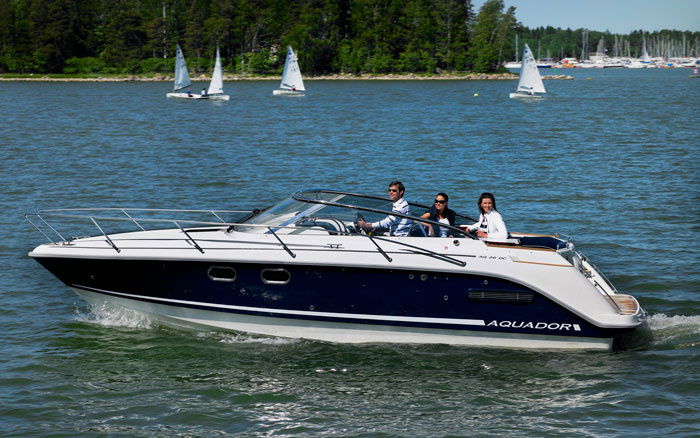


Images have been gathered from various sources and belong to their respective owners.
Review - Aquador 26 DC

MarineBroker
03/21/2024, 9:34 AM
2009 Aquador 26 DC: What Buyers and Owners Should Know Before They Buy, Inspect, or Upgrade
The 2009 Aquador 26 DC has a way of catching people’s attention fast. It’s stylish, compact enough for easy handling, and built for owners who want a comfortable day cruiser that can still handle real boating conditions. But if you’re searching for one, there’s usually a bigger question behind the interest: how do you tell whether a used 2009 Aquador 26 DC is a smart buy or a headache waiting to happen?
That’s the real challenge with any older boat. Photos can look great, listings can sound convincing, and even a well-kept cruiser can hide expensive issues under the surface. Soft decks, aging upholstery, tired engines, worn-out canvas, and neglected systems can turn a promising purchase into a costly project. The good news is that most of these risks can be managed if you know what to look for and how to evaluate the boat properly.
In this guide, we’ll walk through the key things buyers and owners should focus on, from common inspection points to practical maintenance tips. If you’re interested in the 2009 Aquador 26 DC, this will help you make a more confident decision and get more enjoyment out of the boat.
- What Makes the 2009 Aquador 26 DC Worth a Closer Look
The Aquador 26 DC sits in a sweet spot for many boating families and couples. It’s big enough to feel capable and comfortable, but not so large that docking, trailering, or maintenance becomes overwhelming.
Aquador has a strong reputation for Scandinavian-style design, which usually means practical layouts, solid construction, and good use of space. On the 26 DC, that often translates into a cockpit and cabin arrangement that works well for day cruising, overnighting, and weekend trips.
For many buyers, the appeal comes down to a few simple things:
- manageable size
- attractive styling
- usable cabin space
- good visibility from the helm
- comfortable social layout for entertaining
Still, the age of the boat matters. A 2009 model is old enough that condition matters more than model name. Two boats from the same year can feel completely different depending on how they were used and maintained.
- The Main Problem Buyers Face with the 2009 Aquador 26 DC
The biggest issue isn’t usually the boat itself. It’s uncertainty.
When people shop for a used cruiser like the 2009 Aquador 26 DC, they often struggle to judge whether the asking price matches the real condition. A clean exterior can hide mechanical wear. A polished cabin can distract from moisture problems. Even a boat that “runs well” may need expensive service soon after purchase.
Common buyer concerns include:
- engine and drive condition
- hidden water intrusion
- electrical faults
- aging upholstery and canvas
- corrosion on fittings and hardware
- neglected service history
- outdated navigation electronics
The solution is not to avoid the boat. It’s to inspect it the right way, ask better questions, and focus on the systems that matter most.
- How to Evaluate a 2009 Aquador 26 DC Before Buying
A careful inspection is the best protection against surprises. With a used cruiser, you want to think like a detective, not just a shopper.
Start with the boat’s history. Ask for service records, ownership details, and storage information. A boat that has been regularly serviced and stored properly is usually a much safer bet than one with vague paperwork.
Look for these basics:
- engine hours and service intervals
- winterization records
- hull repairs or accident history
- recent replacement of hoses, belts, batteries, or pumps
- evidence of indoor or covered storage
If the seller can’t provide much documentation, that doesn’t automatically mean the boat is bad. But it does mean you should inspect it more carefully and budget for possible catch-up maintenance.
- Hull and Deck Checks That Matter Most
The hull and deck are where many older boats start showing their age. On a boat like the 2009 Aquador 26 DC, you want to look beyond cosmetics.
Check for:
- stress cracks around fittings and corners
- soft spots in the deck
- signs of moisture around hatches and windows
- damaged gelcoat
- uneven repairs or color mismatch
- loose cleats, rails, or hardware
Pay close attention to any area where water can enter and stay trapped. Windows, hatches, deck fittings, and cockpit drains are common trouble spots on older cruisers.
A simple rule helps here: if something feels soft, smells musty, or looks recently patched without explanation, investigate further.
- Engine and Drive: The Heart of the Boat
For a used 2009 Aquador 26 DC, the propulsion system is one of the most important parts of the inspection. Even if the boat looks clean, engine problems can quickly become the most expensive ownership issue.
When checking the engine, look for:
- clean but not suspiciously over-detailed engine compartments
- no fuel smells
- no oil leaks
- no coolant issues
- intact belts and hoses
- corrosion on terminals or metal parts
- smooth idle and clean acceleration during a sea trial
If the boat has a sterndrive or similar setup, inspect the drive carefully for corrosion, bellows wear, fluid leaks, and steering play. These are common maintenance items on many cruisers, and ignoring them can lead to bigger repairs later.
A sea trial is essential. The boat should accelerate smoothly, plane properly, and run without unusual vibration, overheating, or warning alarms.
- Electrical Systems: Small Issues Can Become Big Annoyances
Older boats often develop electrical gremlins. They may not stop you from boating, but they can make ownership frustrating.
Check the following:
- battery age and condition
- charger function
- bilge pump operation
- navigation lights
- cabin lighting
- gauges and switches
- shore power setup
- corrosion in fuse panels or terminals
A boat with a messy electrical system can be a headache to troubleshoot. If you see tangled wiring, amateur repairs, or lots of non-working accessories, assume you’ll need to spend time and money sorting it out.
The practical solution is to test every circuit before purchase. Don’t just glance at the panel. Turn things on, listen for pumps, and verify that systems actually work.
- Cabin Condition: Comfort Depends on More Than Looks
The 2009 Aquador 26 DC is meant to be a comfortable cruiser, so the cabin matters more than many buyers realize. A clean interior is nice, but comfort depends on how well the cabin has aged.
Look for:
- damp smells
- stained headliners
- worn cushions
- mildew in lockers
- cracked trim
- sticky or damaged doors and latches
- water marks around windows and hatches
Moisture is the key issue here. Even a small leak can cause recurring problems if it has been left alone for years. Cabin repairs can be time-consuming, especially if the damage has spread into insulation, woodwork, or upholstery.
If the cabin smells fresh, feels dry, and shows no sign of hidden dampness, that’s a very good sign.
- Why the 2009 Aquador 26 DC Appeals to Practical Boaters
This boat attracts people who want a cruiser that feels sensible rather than excessive. It’s not about showing off. It’s about using the boat regularly without feeling like every outing becomes a major operation.
That’s why it works well for:
- couples who like overnight trips
- small families
- weekend cruisers
- owners moving up from smaller day boats
- buyers who want a balance of comfort and handling
Its size makes it easier to live with than larger cruisers, but it still offers enough space to relax onboard. That practical balance is a big part of its long-term appeal.
- Common Mistakes Buyers Make with Used Cruisers
A lot of used-boat problems come from rushed decisions. People fall in love with a layout or a shiny finish and skip the boring checks.
Here are some of the most common mistakes:
1. Ignoring service records
A boat without maintenance history is always a bigger risk.
2. Skipping the sea trial
You can’t judge a cruiser properly just by looking at it on the dock.
3. Overlooking moisture
Water damage is one of the most expensive hidden problems in older boats.
4. Assuming “used lightly” means “well maintained”
Low hours don’t always equal good care.
5. Forgetting about future costs
Even a good boat may need new batteries, electronics, canvas, upholstery, or mechanical service.
The best solution is to buy with your eyes open. Treat the inspection as part of the purchase, not an optional extra.
- Practical Maintenance Tips for Current Owners
If you already own a 2009 Aquador 26 DC, the goal is to keep it reliable and enjoyable rather than waiting for problems to pile up.
A smart maintenance routine should include:
- regular engine servicing
- fresh impellers and fluids on schedule
- battery checks and terminal cleaning
- bilge cleaning and pump testing
- inspection of seals, hatches, and windows
- canvas cleaning and waterproofing
- checking for gelcoat damage after docking or trailering
- winterization before cold weather
Owners who stay ahead of small issues usually spend less overall than those who fix things only after they fail. That’s especially true on older cruisers, where one neglected leak can lead to several related repairs.
- Upgrades That Make Sense on the 2009 Aquador 26 DC
Not every upgrade is worth the money. The best improvements are the ones that improve reliability, safety, or day-to-day comfort.
Good upgrade candidates include:
- modern chartplotter or navigation display
- new batteries
- improved shore power setup
- LED cabin lighting
- updated VHF radio
- fresh cockpit upholstery
- new canvas or enclosure
- upgraded bilge pumps
- better stereo or charging ports
These upgrades can make the boat feel newer without changing its character. For many owners, that’s the best way to extend the life and enjoyment of a well-built cruiser.
- What a Fair Purchase Decision Looks Like
A fair decision on a used 2009 Aquador 26 DC is not just about price. It’s about total condition, service history, and how much work the boat will need after purchase.
A strong candidate usually has:
- clear maintenance records
- dry interior and hull
- functioning systems
- clean engine performance
- reasonable cosmetic wear
- no major signs of neglect
A weaker candidate may still be worth buying, but only if the price reflects the work ahead. In other words, a boat with issues can be a good deal if you know exactly what those issues are and you’ve budgeted for them.
That’s the real solution for buyers: don’t chase perfection. Chase transparency.
- Conclusion
The 2009 Aquador 26 DC can be a very appealing choice for buyers who want a practical, stylish cruiser with good day-boat and weekend capabilities. The key is understanding that condition matters far more than age or appearance. A careful inspection, a proper sea trial, and a close look at service history will tell you far more than a polished listing ever could.
If you’re interested in this model, focus on the essentials: structure, engine, electrical systems, and moisture control. Those are the areas that separate a solid boat from an expensive project. With the right approach, the 2009 Aquador 26 DC can still offer a lot of value and enjoyment for the right owner. If you’re still comparing options, keep digging into maintenance records and boat-specific resources before making your final decision.
Specifications
General
Boat Type: Power Boats
Class Type: Cruiser
Specifications
Length: 27.07
Beam: 10.01
Draft: 2.95
Hull Material: GRP
Build
First Built: 2009
Propulsion
Fuel Type: Diesel
Engines: 1
Power: 230 HP
Brand: Unknown
Accomodation
Berths: 6
PROS & CONS
What we appreciated
 Solid build quality with Scandinavian craftsmanshipSpacious dual console layout suitable for family outingsGood performance with efficient engine optionsComfortable seating and well-designed helm stationVersatile usage for both fishing and cruising
What we didn’t appreciate
 Older model, may lack some modern electronics and featuresLimited storage space compared to newer boats in the same classHeavier hull can affect fuel efficiencySmaller cockpit area for larger groupsMaintenance costs may be higher due to age
Upkeep Costs
Fuel: Approximately $2,000 - $3,000 per year depending on usage
Maintenance and Repairs: Around $1,000 - $2,000 per year
Insurance: Typically $500 - $1,000 annually
Storage and Mooring: Between $1,200 - $3,000 per year depending on location
Registration and Taxes: Approximately $100 - $300 per year
Rating
7.0
User
Score
Score
Driveability
Technology
Interior
Design
Similar Boats


MarineBroker
Download now for an immersive boat experience like never before! ⛵✨ Your journey begins with a simple click. 🌊📲
#SetSailSmart #DownloadNow
#SetSailSmart #DownloadNow

Subscribe
Copyright 2017 - 2026, Marinebroker.net, All Rights Reserved