Boat Type: Power Boats
Boat Class: Lobster Boat
Length: 28.28 ft
Berths: 2
Cabins: 1
Max Persons: 8
Boat Database » Apreamare 28 midcabin
Apreamare 28 midcabin
Stern Drive, Diesel, 2x 170 HP
Power Boats 2006 Apreamare 28 midcabin: What to Check, What to Expect, and How to Buy with Confidence
If you’ve been looking at the 2006 Apreamare 28 midcabin, you probably already know it’s not your average pocket cruiser. It has that class...
Discover

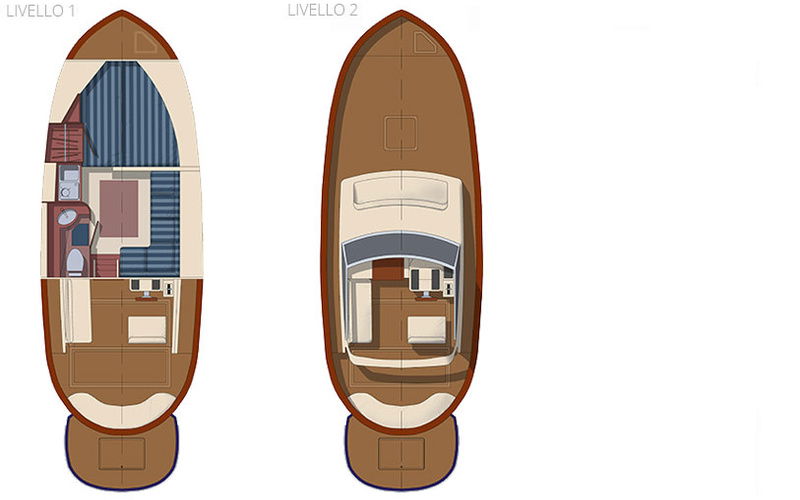
Images have been gathered from various sources and belong to their respective owners.
Review - Apreamare 28 midcabin

MarineBroker
03/19/2024, 1:26 AM
2006 Apreamare 28 midcabin: What to Check, What to Expect, and How to Buy with Confidence
If you’ve been looking at the 2006 Apreamare 28 midcabin, you probably already know it’s not your average pocket cruiser. It has that classic Italian styling, a practical layout, and the kind of character that makes people stop and stare at the dock. But like any used boat with a few seasons under its belt, the real challenge isn’t admiring it from the outside — it’s figuring out whether the one you’re looking at is a smart buy or a future headache.
That’s where many buyers get stuck. A boat like the Apreamare 28 can look fantastic in photos and still hide issues that only show up after a proper inspection. Soft spots, aging systems, neglected maintenance, and engine-hour surprises can turn a dream purchase into an expensive project. The good news is that with the right approach, you can separate a well-kept example from a risky one.
In this guide, we’ll walk through the most important things to know about the 2006 Apreamare 28 midcabin, what problems buyers should watch for, and how to evaluate one with confidence.
- What Makes the 2006 Apreamare 28 Midcabin Stand Out
The Apreamare 28 midcabin sits in a sweet spot for buyers who want a compact cruiser with real personality. It offers a blend of Mediterranean styling, usable onboard space, and enough comfort for day trips or weekends away.
For many buyers, the appeal comes down to three things:
- Classic lines that still look modern
- A practical midcabin layout for overnighting
- Manageable size for docking, trailering in some cases, and marina use
This is the kind of boat that tends to attract owners who care about finish and design. That’s a plus, but it also means condition matters a lot. A well-maintained example can feel upscale and refined. A neglected one can become a maintenance-intensive project very quickly.
If you’re searching for a 2006 Apreamare 28 midcabin, the goal is not just to find one that “looks good.” The goal is to find one that has been cared for in the areas that matter most: structure, engine health, systems, and upkeep records.
- The Main Problem Buyers Face: Hidden Condition Issues
The biggest problem with used boats like the 2006 Apreamare 28 midcabin is simple: cosmetic appeal can hide mechanical or structural neglect.
A boat may shine on the surface while having one or more of these issues:
- Moisture intrusion in deck or cabin areas
- Worn upholstery or interior finishes
- Aging hoses, pumps, and wiring
- Engine maintenance gaps
- Corrosion on fittings and hardware
- Evidence of poor winterization or storage
This is especially important on boats that have been used in saltwater. Salt exposure can accelerate wear on metal components, electrical connections, and deck hardware. Even if the boat has low hours, age alone can create problems in systems that degrade over time.
The solution is not to avoid the model. It’s to inspect it in a smarter way.
- Start with the Right Expectations
Before diving into the inspection checklist, it helps to understand what the 2006 Apreamare 28 midcabin is best suited for.
This boat is usually a good fit for:
- Couples or small families
- Coastal cruising
- Day boating with overnight capability
- Owners who value style and comfort over raw speed
It may not be the best choice if you want:
- Lots of sleeping space for larger groups
- A highly simplified, low-maintenance platform
- The cheapest possible ownership experience
Knowing this helps you evaluate the boat fairly. The right question is not “Is this boat perfect?” The better question is “Is this specific boat well cared for and aligned with how I plan to use it?”
- 2006 Apreamare 28 Midcabin: Key Areas to Inspect Before Buying
A good inspection should focus on the parts of the boat that are expensive to fix later. These are the areas that matter most.
- Hull and Deck Condition
Look carefully for signs of impact, repairs, or moisture intrusion.
Check for:
- Cracks around stress points
- Soft spots in the deck
- Discoloration or bubbling in gelcoat
- Evidence of past repairs
- Water intrusion around cleats, rails, and fittings
Press gently on suspect areas, especially around hardware and walkways. Softness can indicate core damage, which is a costly repair if left unchecked.
- Engine and Mechanical Systems
The engine is often the biggest value factor on a used cruiser. Even a beautiful boat can become a poor buy if the engine history is unclear.
Ask for:
- Full service records
- Oil and filter change history
- Impeller replacement timing
- Belt and hose replacement history
- Cooling system maintenance
- Any past overheating incidents
During a sea trial, pay attention to:
- Smooth starting
- Idle quality
- Smoke on startup or under load
- Temperature stability
- Vibration
- Throttle response
If the boat has twin engines or a specific propulsion setup, make sure both sides perform similarly. Uneven performance can signal mechanical imbalance or neglected service.
- Electrical System
Older boats often have electrical issues that are annoying at first and expensive later.
Check:
- Battery age and condition
- Charger operation
- Shore power connections
- Panel labeling and circuit function
- Corrosion on terminals
- Bilge pump operation
- Navigation light function
A tidy electrical panel and clearly routed wiring are usually good signs. Messy, unlabelled, or heavily modified wiring often means future troubleshooting.
- Plumbing and Freshwater Systems
It’s easy to ignore plumbing until something leaks.
Inspect:
- Freshwater pump operation
- Toilet function
- Holding tank condition
- Sink drains
- Shower sump operation
- Visible hose condition and clamps
Smells matter here too. A persistent odor can indicate a sanitation issue, hidden leak, or poor ventilation.
- Upholstery and Interior Wear
The midcabin layout is one of the boat’s selling points, so check whether the interior still feels usable and comfortable.
Look for:
- Water stains on cushions or headliners
- Mold or mildew
- Worn upholstery seams
- Cabinet damage
- Loose trim
- Signs of condensation issues
Interior wear is not always a dealbreaker, but it helps you estimate future costs. Re-upholstery and interior cosmetic work can add up quickly.
- Sea Trial: The Test That Tells You the Most
A dockside look is not enough. A proper sea trial is one of the best ways to judge the 2006 Apreamare 28 midcabin.
During the trial, test the boat in different conditions:
- Idle
- Cruise speed
- Wide-open throttle if appropriate
- Turns at moderate speed
- Reverse and docking maneuvers
What you want to see:
- Stable temperature
- Clean acceleration
- No unusual vibration
- Predictable handling
- Normal engine sound
- No warning alarms
If the boat feels sluggish, overheats, or struggles to plane properly, that’s a sign to dig deeper. These symptoms can point to engine issues, prop problems, fouling, or weight distribution concerns.
- Maintenance History Matters More Than Low Hours
Many buyers focus too much on engine hours. Hours matter, but they don’t tell the whole story.
A boat with moderate hours and excellent maintenance can be a much better purchase than a low-hour boat that sat unused for long periods. Sitting can be hard on seals, hoses, batteries, fuel systems, and cooling components.
Look for evidence of consistent care:
- Annual servicing
- Winterization
- Proper storage
- Regular cleaning and detailing
- Replacement of aging components before failure
A well-documented boat is usually easier to trust. If the seller can’t provide records, that doesn’t automatically mean the boat is bad, but it does mean you should inspect more carefully and budget for immediate service.
- Common Ownership Costs to Plan For
Buying the boat is only the first part. The real solution to avoiding regret is understanding the ongoing costs before you commit.
Typical ownership expenses may include:
- Engine maintenance
- Bottom cleaning and antifouling
- Insurance
- Marina or storage fees
- Fuel
- Battery replacement
- Canvas or upholstery repairs
- Pump and hose replacement
- Unexpected mechanical work
For a cruiser like the 2006 Apreamare 28 midcabin, setting aside a maintenance reserve is smart. Even a well-kept boat should have a repair budget. That way, when something small needs attention, it doesn’t become a stressful surprise.
- How to Judge Whether a Boat Is a Good Example
Not all 2006 Apreamare 28 midcabin boats will be equal. Some will have been cherished and upgraded. Others may have been used hard and lightly maintained.
A strong candidate usually has:
- Clean maintenance records
- Dry bilges
- Working systems
- Solid upholstery and trim
- No obvious structural issues
- A sea trial that feels normal and confident
A weak candidate often shows:
- Patchy service history
- Strong odors or visible moisture
- Electrical improvisation
- Engine smoke or overheating
- Cosmetic neglect that suggests broader neglect
The key is to judge the whole package. One worn cushion is not a disaster. A pattern of neglect across multiple systems usually is.
- Smart Negotiation Tips for Buyers
Once you’ve inspected the boat, you can use what you found to negotiate intelligently.
Useful leverage points include:
- Expired or missing service records
- Aged batteries or hoses
- Worn upholstery
- Deferred engine service
- Cosmetic issues that require professional repair
- Survey findings that need correction
Keep the conversation practical. Instead of arguing that the boat “feels old,” focus on specific items with replacement costs. That makes your offer more credible and less emotional.
If the seller has maintained the boat well, be fair. Good boats are worth paying for. The goal is not to pay the lowest possible price — it’s to pay the right price for the condition.
- Should You Buy a 2006 Apreamare 28 Midcabin?
If you like the style, want a compact cruiser with character, and are willing to inspect carefully, the 2006 Apreamare 28 midcabin can be a very appealing choice. It’s the kind of boat that rewards buyers who value design, comfort, and thoughtful ownership.
The best approach is to focus on condition, not just appearance. A strong survey, sea trial, and maintenance review will tell you far more than photos ever will.
In other words, the solution is straightforward: buy the right example, not just the right model. That means checking the systems that matter, asking for records, and being honest about your budget for upkeep.
- Practical Checklist Before You Make an Offer
Use this quick checklist before moving forward:
- Review maintenance records
- Inspect hull, deck, and fittings for moisture or damage
- Test all electrical systems
- Check plumbing and sanitation systems
- Evaluate engine cold start and running behavior
- Perform a sea trial
- Hire a qualified marine surveyor
- Estimate near-term repair and upgrade costs
If the boat passes these steps, you’ll be in a much better position to buy with confidence.
- Conclusion
The 2006 Apreamare 28 midcabin can be a rewarding boat for the right buyer, but like any used cruiser, it deserves a careful look. The main challenge is separating cosmetic appeal from real condition, especially when hidden maintenance issues can be expensive later. By focusing on the hull, engine, electrical system, plumbing, and service history, you can reduce risk and make a smarter purchase.
If you’re serious about this model, take your time, inspect thoroughly, and don’t skip the sea trial or survey. A little patience upfront can save a lot of money and stress later. And if you want to keep researching, compare a few examples side by side — that’s often the fastest way to spot the best one.
Specifications
General
Boat Type: Power Boats
Class Type: Lobster Boat
Specifications
Length: 28.28
Beam: 9.35
Draft: 223.1
Hull Material: GRP
Build
First Built: 2006
Propulsion
Fuel Type: Diesel
Engines: 2
Power: 170 HP
Brand: VOLVO PENTA
Accomodation
Berths: 2
Cabins: 1
PROS & CONS
What we appreciated
 Classic Italian design with elegant stylingSolid build quality and reliable constructionComfortable midcabin layout suitable for overnight tripsGood maneuverability and handling for a boat of its sizeEfficient use of space with functional cockpit and cabin areas
What we didn’t appreciate
 Older model may require more maintenance and updatesLimited engine power compared to newer modelsSmaller size may limit extended cruising and amenitiesPotentially higher fuel consumption with older diesel enginesParts and servicing may be less readily available due to age
Upkeep Costs
Fuel: Approximately $2,000 - $3,000 per year depending on usage
Insurance: $800 - $1,500 annually
Maintenance and Repairs: $1,200 - $2,500 per year
Storage and Mooring: $1,000 - $3,000 annually depending on location
Registration and Licensing: $100 - $300 per year
Rating
6.7
User
Score
Score
Driveability
Technology
Interior
Design
Similar Boats


MarineBroker
Download now for an immersive boat experience like never before! ⛵✨ Your journey begins with a simple click. 🌊📲
#SetSailSmart #DownloadNow
#SetSailSmart #DownloadNow

Subscribe
Copyright 2017 - 2026, Marinebroker.net, All Rights Reserved