Boat Database » Appledore Shipbuilders Mastiff
Appledore Shipbuilders Mastiff
Inboard Direct-Drive, Diesel, 2x 750 HP
Power Boats 1967 Appledore Shipbuilders Mastiff: What Owners and Enthusiasts Should Know Before Buying, Restoring, or Sailing
The 1967 Appledore Shipbuilders Mastiff has a certain charm that’s hard to ignore. For many boat lovers, it represe...
Discover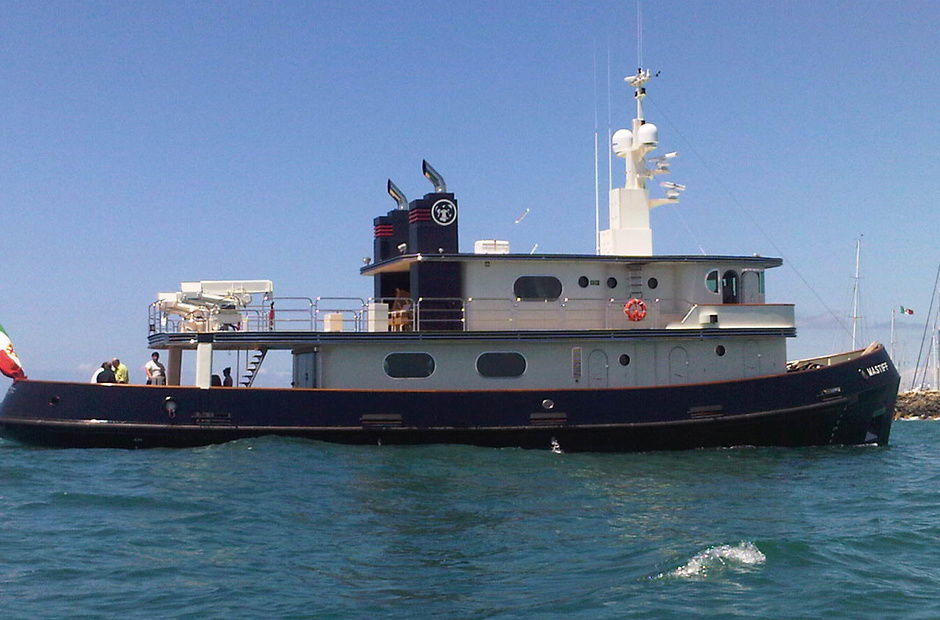
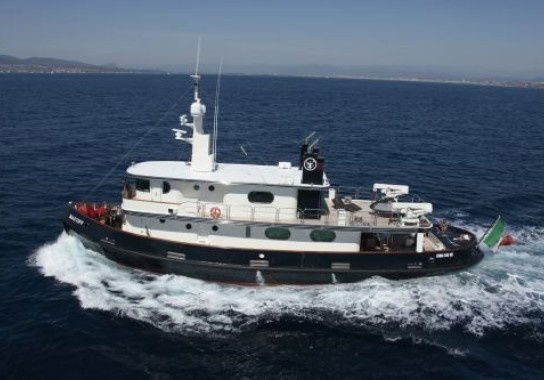
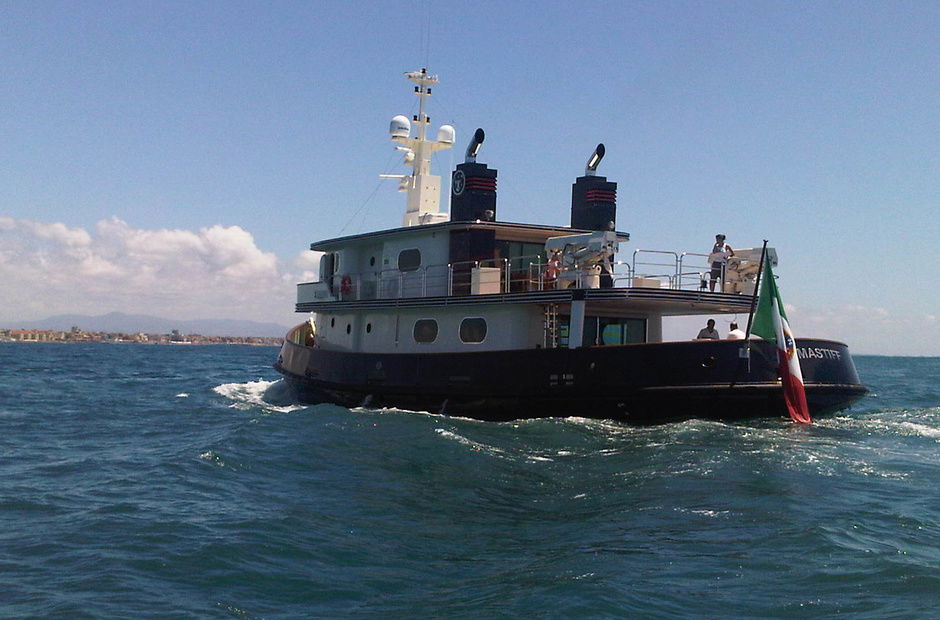
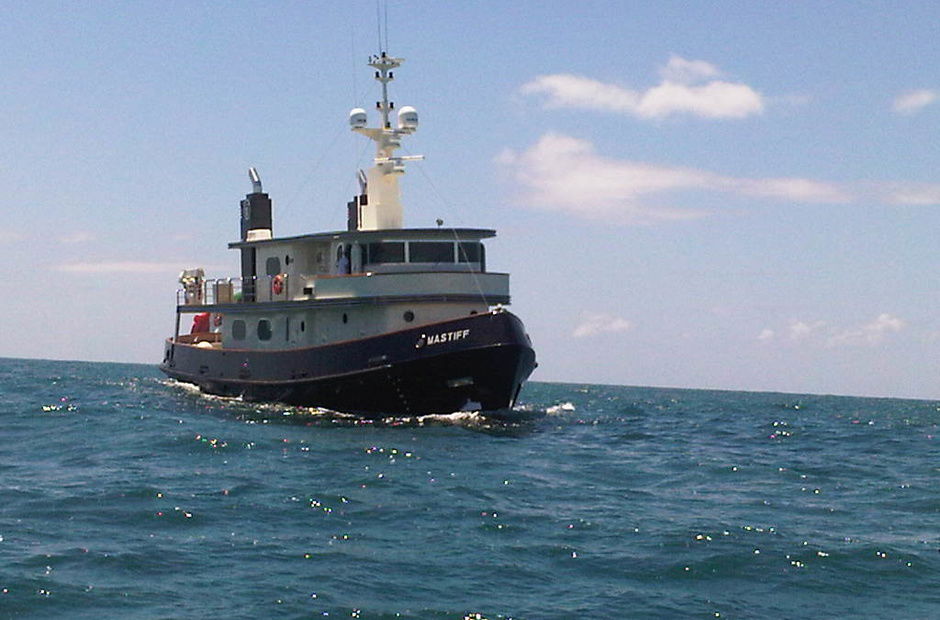
Images have been gathered from various sources and belong to their respective owners.
Review - Appledore Shipbuilders Mastiff

MarineBroker
03/18/2024, 10:42 PM
1967 Appledore Shipbuilders Mastiff: What Owners and Enthusiasts Should Know Before Buying, Restoring, or Sailing
The 1967 Appledore Shipbuilders Mastiff has a certain charm that’s hard to ignore. For many boat lovers, it represents a sweet spot between classic craftsmanship and practical sailing character. But if you’ve been searching for one, considering a purchase, or trying to restore an existing boat, you’ve probably run into the same challenge: finding clear, reliable information can be surprisingly difficult.
That’s the real problem with older classic boats like the 1967 Appledore Shipbuilders Mastiff. Records may be limited, previous owners may have changed things over the years, and condition can vary wildly from one vessel to the next. One boat might be a carefully preserved gem, while another could hide expensive structural or mechanical issues beneath a tidy-looking finish.
The good news is that with the right approach, you can separate a worthwhile project from a costly headache. In this article, we’ll look at what makes the Mastiff interesting, what to check before committing, and how to approach ownership, restoration, or purchase with confidence. If you’re drawn to classic boats but want a practical path forward, you’re in the right place.
- What Is the 1967 Appledore Shipbuilders Mastiff?
The 1967 Appledore Shipbuilders Mastiff is a classic vessel that appeals to people who appreciate traditional boatbuilding and older offshore-capable designs. Boats from this era often have a very different feel from modern production yachts. They tend to be heavier, more robustly built, and designed with a focus on seaworthiness rather than maximum interior volume or lightweight performance.
Appledore Shipbuilders has long been associated with practical, well-made craft, and the Mastiff fits that reputation. While exact specifications can vary depending on refits and individual examples, the boat is generally of interest to sailors who value character, stability, and a more hands-on style of ownership.
For enthusiasts, the appeal is not just nostalgia. It’s also about the experience of owning a boat with real presence on the water. That said, classic boats demand a little more attention, and that’s where smart preparation matters.
- Why People Search for the 1967 Appledore Shipbuilders Mastiff
There are usually a few reasons someone starts looking into this specific boat.
Some are drawn to the design and heritage. Others want a solid older boat that can be restored and enjoyed without the premium price tag of some famous classics. And some are simply trying to identify a boat they already own, especially when documentation is incomplete.
Common search goals include:
- Confirming the boat’s background and model details
- Learning whether it’s a good candidate for restoration
- Understanding common issues in older fiberglass or wooden boats
- Estimating maintenance costs before buying
- Finding advice on original features versus later modifications
That last point matters a lot. With a boat from 1967, originality can be part of the charm, but practical upgrades may have improved safety and usability. The trick is knowing which changes are helpful and which ones may have compromised the boat.
- The Main Problem: Classic Boat Information Is Often Incomplete
If you’re trying to research the 1967 Appledore Shipbuilders Mastiff, the biggest frustration is usually the lack of reliable, centralized information. Unlike newer boats, older vessels often don’t have a robust digital trail.
You may encounter:
- Conflicting specifications
- Missing builder records
- Old listings with vague descriptions
- Boats that have been renamed or heavily modified
- Limited owner reviews or forum posts
This makes it harder to answer basic questions like: What should the boat weigh? What rig did it originally carry? What materials were used? What are the known weak points?
Without that information, buyers and owners can make expensive mistakes. For example, someone might assume a boat is ready to sail because the hull looks decent, only to discover rotten bulkheads, corroded fittings, or outdated systems after launch.
- The Practical Solution: Evaluate the Boat in Layers
The best way to approach a classic boat like the Mastiff is to stop looking for a single perfect source of information and instead build a complete picture from several layers.
Those layers are:
1. The boat’s physical condition
2. The quality of its maintenance history
3. The originality or quality of modifications
4. The availability of replacement parts and repair skills
5. The intended use of the boat
When you evaluate each layer carefully, you can make a much better decision than relying on model name alone.
- Start With the Hull and Structure
For any boat built in 1967, structure comes first. Cosmetic details matter less than the integrity of the hull, deck, keel, and internal supports.
Look closely at:
- Signs of osmosis or blistering if the hull is fiberglass
- Soft spots in decks or cabin soles
- Cracks around chainplates, stanchions, and hardware
- Keel joint condition
- Evidence of previous grounding or impact damage
- Moisture intrusion around windows, hatches, and fittings
If the boat is wooden or has wooden components, check for rot, delamination, and fastener corrosion. On a classic boat, even small leaks can turn into major repairs if left unchecked.
A good rule of thumb: structural issues should be treated as the real price of the boat, not a future maybe. If the hull and deck need significant work, the purchase price should reflect that immediately.
- Inspect the Engine and Mechanical Systems Carefully
Many older boats have had engine replacements or major mechanical updates over the years. That can be a good thing, but only if the work was done properly.
Check:
- Engine age and service records
- Cooling system condition
- Fuel line integrity
- Shaft, propeller, and stern gland wear
- Steering system play or corrosion
- Bilge pump operation
- Battery condition and wiring quality
Older wiring is especially important. A classic boat may look great but still carry outdated electrical systems that are inefficient or unsafe. Poorly executed upgrades can be worse than original systems, so don’t assume “newer” means “better.”
If you’re not mechanically confident, bring in a surveyor or marine mechanic. That small cost can save you from a very expensive surprise later.
- Don’t Ignore the Rig, Sails, and Deck Hardware
The Mastiff name naturally makes people think about sailing performance and rigging, and that’s an area where age matters a lot.
Even if the mast and standing rigging look serviceable, ask when they were last replaced. Stainless steel rigging has a finite lifespan, and failures often happen without much warning.
Check:
- Standing rigging age and condition
- Chainplate attachment points
- Mast step and mast support area
- Winches and turning blocks
- Sail condition and age
- Spreaders and tangs
- Any signs of metal fatigue or corrosion
Sails are another hidden cost. Old sails might still hold their shape enough for casual cruising, but if they’re stretched out, you may find the boat underperforms and is harder to handle.
- Understand the Difference Between “Original” and “Unmodified”
Classic boat buyers often care about originality, but that doesn’t always mean the most unaltered boat is the best one.
A truly original 1967 Appledore Shipbuilders Mastiff may be rare and appealing to collectors, but practical upgrades can make a boat much more usable. The key is whether changes were done thoughtfully.
Good upgrades often include:
- Modern navigation electronics
- Improved bilge pumping
- Safer electrical panels
- Better deck hardware
- Updated fuel systems
- Replaced rigging and hoses
Questionable upgrades include:
- Poorly fitted windows or hatches
- DIY electrical work with no labeling
- Structural cuts without reinforcement
- Cheap materials used in high-stress areas
- Cosmetic changes that hide deeper damage
In other words, originality is nice, but seaworthiness is better.
- How to Judge Whether a Mastiff Is Worth Restoring
Restoration can be incredibly rewarding, but only if the project makes sense. Some boats are worth saving because the structure is sound and the work is manageable. Others become money pits because too many major systems need replacement at once.
A boat is usually a better restoration candidate if:
- The hull and deck are structurally solid
- The layout still suits your needs
- The engine or rig is at least serviceable
- The boat has a clear ownership history
- You like the design enough to justify the effort
A boat may be a poor candidate if:
- It has extensive hidden water damage
- Multiple major systems are failing at once
- Replacement parts are rare or custom fabrication is needed everywhere
- The asking price is high despite obvious neglect
- You don’t have time, workspace, or budget for a long project
Classic boat restoration is often less about saving money and more about saving a boat you genuinely want to own.
- Budgeting for Ownership Without the Guesswork
One of the smartest things you can do is create a realistic ownership budget before buying.
For a classic boat like the 1967 Appledore Shipbuilders Mastiff, include:
- Survey costs
- Haul-out and inspection fees
- Immediate safety repairs
- Engine servicing or replacement reserves
- Rigging replacement fund
- Electronics upgrades
- Insurance
- Winter storage or mooring
- Ongoing varnish, paint, and maintenance
A useful approach is to divide expenses into three buckets:
- Must-do now: safety, structure, essential systems
- Must-do soon: aging gear, worn rigging, outdated wiring
- Nice-to-have later: cosmetic improvements, comfort upgrades
This helps prevent the common trap of spending heavily on visible improvements before fixing the things that actually keep the boat afloat.
- Where to Find Better Information on the 1967 Appledore Shipbuilders Mastiff
If records are thin, you’ll need to piece together the boat’s story from multiple sources.
Try these:
- Marine surveyors with experience in classic boats
- Boat owner forums and classic yacht communities
- Local harbors and marinas
- Previous sale listings and archived photos
- Original paperwork, if available
- Class or builder history groups
- Yard records, if the boat has ever been refit locally
Photos are especially useful. Old images can reveal original deck layouts, rig configurations, and equipment changes over time. Even small details like hatch placement or rail style can help confirm whether a boat has been heavily altered.
- A Simple Pre-Purchase Checklist
Before buying a 1967 Appledore Shipbuilders Mastiff, use a structured checklist instead of relying on first impressions.
Here’s a practical one:
- Inspect the hull below and above the waterline
- Check deck softness and moisture
- Review engine hours and service history
- Test steering and controls
- Examine standing and running rigging
- Look for leaks around openings and fittings
- Verify electrical safety and battery setup
- Ask for ownership and maintenance records
- Confirm what equipment is included in the sale
- Budget for immediate repairs after purchase
If possible, inspect the boat twice: once casually, and once with a surveyor or experienced sailor. The second look often reveals what the first glance misses.
- If You Already Own One: Focus on Preservation First
If the 1967 Appledore Shipbuilders Mastiff is already yours, the best strategy is usually preservation before perfection.
That means:
- Fix leaks promptly
- Keep bilges clean and dry
- Maintain ventilation
- Service mechanical systems regularly
- Protect woodwork from water intrusion
- Re-bed fittings before damage spreads
- Keep a log of repairs and upgrades
Many classic boats decline not because of one big failure, but because small issues are ignored. A little preventive maintenance goes a long way.
Also, don’t feel pressured to restore everything at once. A well-cared-for classic boat can be enjoyed while you plan phased improvements over time.
- Why Classic Boats Like This Still Matter
There’s a reason people keep searching for older vessels like the 1967 Appledore Shipbuilders Mastiff. They offer something modern boats often don’t: personality, craftsmanship, and a more tactile connection to sailing.
They also teach patience. Owning a classic boat means learning to inspect, maintain, and respect the vessel in a way that newer owners sometimes never experience.
For the right person, that’s not a drawback. It’s the whole point.
- Conclusion
The 1967 Appledore Shipbuilders Mastiff is the kind of classic boat that rewards careful attention. The main challenge for buyers and owners is not just finding the boat, but figuring out its true condition, history, and long-term costs. Once you shift from chasing perfect information to evaluating the boat in practical layers, the process becomes much easier.
Focus first on structure, safety, and maintenance history. Then decide whether the boat is a good fit for restoration, cruising, or preservation. With a thoughtful inspection and a realistic budget, a classic boat like this can be a very satisfying ownership experience. If you’re still researching, keep comparing notes, checking records, and learning from other classic boat owners before making your next move.
Specifications
General
Boat Type: Power Boats
Class Type: Mega Yacht
Specifications
Length: 104.99
Beam: 25.26
Draft: 12.14
Hull Material: Steel
Build
First Built: 1967
Propulsion
Fuel Type: Diesel
Engines: 2
Power: 750 HP
Brand: Lister Blackstone
Accomodation
Cabins: 4
PROS & CONS
What we appreciated
 Classic and timeless design with strong historical appealRobust and sturdy construction typical of Appledore ShipbuildersGood seaworthiness for coastal and offshore cruisingSpacious deck layout suitable for leisure and fishingSolid investment for vintage boat enthusiasts
What we didn’t appreciate
 Older vessel may require extensive maintenance and restorationLimited modern amenities and comforts compared to contemporary boatsPotential scarcity of replacement parts due to ageLower fuel efficiency compared to modern designsPossible outdated safety features requiring upgrades
Upkeep Costs
Hull maintenance and repairs
Engine servicing and fuel
Insurance
Mooring fees
Annual safety inspections and certifications
Rating
5.2
User
Score
Score
Driveability
Technology
Interior
Design
Similar Boats


MarineBroker
Download now for an immersive boat experience like never before! ⛵✨ Your journey begins with a simple click. 🌊📲
#SetSailSmart #DownloadNow
#SetSailSmart #DownloadNow

Subscribe
Copyright 2017 - 2026, Marinebroker.net, All Rights Reserved