Boat Type: Power Boats
Boat Class: Mega Yacht
Length: 188.98 ft
Berths: 14
Cabins: 9
Bathrooms: 6
Max Persons: 18
Boat Database » A&P Group Lady K II
A&P Group Lady K II
Inboard Direct-Drive, Diesel, 2x 0 HP
Power Boats 1961 A&P Group Lady K II: A Practical Guide to Understanding, Evaluating, and Caring for This Classic Boat
If you’ve been searching for information on the 1961 A&P Group Lady K II, you’re probably not just looking at a boat—you’r...
Discover


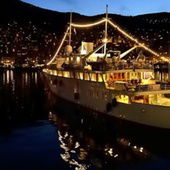
Images have been gathered from various sources and belong to their respective owners.
Review - A&P Group Lady K II

MarineBroker
01/09/2024, 10:17 AM
1961 A&P Group Lady K II: A Practical Guide to Understanding, Evaluating, and Caring for This Classic Boat
If you’ve been searching for information on the 1961 A&P Group Lady K II, you’re probably not just looking at a boat—you’re looking at a piece of maritime history. Classic vessels like this tend to attract a very specific kind of buyer or enthusiast: someone who appreciates craftsmanship, character, and the story behind the hull. But with that charm comes a common challenge: figuring out what condition the boat is really in, what kind of upkeep it may need, and whether it’s the right fit for your plans.
That’s the tricky part with older boats. A beautiful classic can look ready to go at first glance, but hidden issues like aging systems, moisture intrusion, outdated wiring, or engine wear can quickly change the picture. The good news is that these problems are manageable when you know what to look for. With the right inspection approach, a realistic maintenance plan, and a clear understanding of how classic boats are built, you can make a much smarter decision.
In this article, we’ll break down the key things to know about the 1961 A&P Group Lady K II, including how to evaluate it, what common issues to watch for, and how to keep a classic vessel in good shape.
- Why the 1961 A&P Group Lady K II Still Draws Attention
Classic boats have a way of standing out in a marina. The 1961 A&P Group Lady K II is appealing because it represents an era when boats were often built with strong lines, practical layouts, and a level of craftsmanship that many modern owners still admire.
For people interested in a vessel like this, the attraction usually comes down to a few things:
- A distinctive vintage design
- Solid construction and traditional materials
- A sense of history and character
- Potential for restoration or preservation
- The satisfaction of owning something uncommon
That said, older boats are not plug-and-play. They often require more attention than newer fiberglass models. If you’re considering a classic like the Lady K II, the real question is not just “Do I like it?” but also “Can I maintain it properly?”
- The Main Problem: Understanding the Real Condition of a Classic Boat
The biggest challenge with a boat like the 1961 A&P Group Lady K II is that age alone doesn’t tell you much. Two boats from the same year can have completely different realities depending on how they were stored, used, repaired, and maintained.
A classic boat may look fine from the dock, but hidden issues can include:
- Soft spots in decks or cabin soles
- Water intrusion around windows, hatches, or fittings
- Corrosion in electrical systems
- Outdated fuel lines or plumbing
- Engine wear or hard-to-source parts
- Structural repairs that were done poorly in the past
This is where many buyers get caught off guard. They fall in love with the look, but underestimate the actual work involved. The solution is not to avoid classic boats altogether. It’s to inspect them with a clear plan and realistic expectations.
- How to Evaluate the 1961 A&P Group Lady K II Before You Commit
If you’re considering the 1961 A&P Group Lady K II, start with a thorough evaluation. A classic boat inspection should go beyond the cosmetic surface.
Here’s a practical checklist:
1. Hull and Structure
Look for signs of cracking, blistering, previous repairs, or uneven surfaces. If the boat is wood, check for rot, delamination, or moisture damage. If it’s fiberglass, inspect for stress cracks and old patchwork.
2. Deck and Cabin
Walk every accessible area. Soft spots often indicate water damage beneath the surface. Pay special attention to areas around cleats, rail mounts, and deck hardware.
3. Below the Waterline
Inspect the bottom carefully. Look for evidence of osmosis in fiberglass boats, corrosion on metal components, or deterioration in any antifouling layers.
4. Engine and Mechanical Systems
Even if the engine starts, that doesn’t mean it’s healthy. Review service records, oil condition, cooling system performance, and signs of leaks. Older boats may have engines that still run but need significant attention.
5. Electrical System
Older wiring can be a major concern. Check for brittle insulation, amateur modifications, loose connections, and outdated panels.
6. Plumbing and Fuel Systems
Hoses, tanks, clamps, and fittings age over time. Fuel leaks and sanitation issues are not only inconvenient—they can be dangerous.
A marine surveyor is often worth the investment here. For a vessel like the Lady K II, a professional inspection can help you avoid expensive surprises later.
- Common Maintenance Issues on Older Boats Like the 1961 A&P Group Lady K II
Once you understand the boat’s condition, the next step is knowing what type of maintenance classic boats usually need. The 1961 A&P Group Lady K II may not have the same systems as a modern cruiser, but the fundamentals are similar: structure, propulsion, safety, and comfort.
Typical maintenance issues include:
- Aging seals and gaskets
- Electrical upgrades
- Corroded metal fittings
- Moisture control
- Engine servicing or replacement parts
- Upholstery and interior wear
- Paint, varnish, or gelcoat restoration
A lot of owners are surprised by how much value comes from small repairs. For example, replacing a few compromised seals can prevent major water intrusion. Updating wiring can improve reliability and safety. Keeping the bilge dry and ventilated can slow down long-term deterioration.
The key is staying ahead of problems instead of reacting to them.
- The Best Solution: Build a Simple, Realistic Care Plan
The most practical way to enjoy a classic boat is to treat it like a long-term project, even if it’s already in good shape. That doesn’t mean constant renovation. It means having a maintenance system.
A good care plan for the 1961 A&P Group Lady K II should include:
- Regular visual inspections
- Seasonal engine checks
- Moisture monitoring
- Cleaning and corrosion control
- Safety gear updates
- Documentation of repairs and upgrades
Here’s a simple framework many owners use:
Monthly
- Check bilge condition
- Inspect hoses and clamps
- Look for leaks or unusual smells
- Test basic electrical functions
Seasonally
- Service the engine
- Inspect hull and deck hardware
- Clean and protect metal fittings
- Check batteries and charging systems
Annually
- Schedule a professional survey or mechanical review
- Reevaluate safety equipment
- Refinish worn surfaces
- Address any structural concerns
This kind of routine may sound basic, but it’s exactly what keeps older boats dependable.
- What Makes Classic Boat Ownership Different
Owning a boat like the 1961 A&P Group Lady K II is not the same as owning a newer production vessel. The experience is often more hands-on, more personal, and sometimes more demanding.
That can be a good thing.
Classic boat owners usually develop a deeper connection to their vessel because they understand its quirks. They learn what sounds normal, what feels right, and what needs attention. That familiarity becomes one of the biggest advantages of owning an older boat.
But it also means you need to be honest about your own goals.
Ask yourself:
- Do I want a boat I can use right away with minimal upkeep?
- Am I comfortable with periodic repairs?
- Do I enjoy learning about marine systems?
- Is preservation important to me?
- Do I have the time and budget for maintenance?
If you answered yes to most of those, a classic like the Lady K II may be a very good fit.
- Restoration vs. Preservation: Which Approach Makes More Sense?
One of the biggest decisions with a classic vessel is whether to restore it or preserve it. That choice affects your budget, your timeline, and the final result.
Restoration means bringing the boat closer to original condition, often with significant repairs or replacements. This can be rewarding, but it may also be expensive and time-consuming.
Preservation means maintaining the boat’s current character while improving reliability and safety. This is often the better path if the vessel is already structurally sound.
For the 1961 A&P Group Lady K II, preservation may be the smarter first step if the boat is in decent shape. You can always restore more later. Starting with essential systems gives you a safer, more enjoyable boat without overcommitting too soon.
A balanced approach often works best:
- Fix structural or safety issues first
- Improve mechanical reliability
- Protect original features where possible
- Upgrade only what truly needs modernization
This helps maintain the boat’s charm while making it practical to use.
- How to Budget for a Classic Boat Like the Lady K II
A common mistake is budgeting only for the purchase price. With an older boat, that’s rarely enough. The real cost is usually a combination of ownership, maintenance, and occasional repair surprises.
A smarter budget should include:
- Survey and inspection costs
- Immediate repair needs
- Routine annual maintenance
- Docking or storage fees
- Insurance
- Fuel and operating costs
- Reserve funds for unexpected issues
A useful rule of thumb is to keep a repair reserve. Even a well-kept classic can develop needs without warning. Having a cushion makes ownership much less stressful.
If you’re evaluating the 1961 A&P Group Lady K II, don’t just ask what it costs today. Ask what it will cost to keep it seaworthy and enjoyable over the next few seasons.
- Tips for Finding Parts and Support
One of the concerns with older boats is parts availability. Depending on the systems installed, some components may be discontinued or difficult to source. That doesn’t mean they can’t be maintained—it just means you may need to be a bit more resourceful.
Helpful strategies include:
- Join classic boat forums and owner communities
- Work with marine salvage suppliers
- Keep a detailed parts list
- Photograph components before removing them
- Identify modern replacements that match original specifications
- Build a relationship with a mechanic familiar with older vessels
For a boat like the 1961 A&P Group Lady K II, documentation is incredibly useful. The more you know about what’s on board, the easier it becomes to source compatible parts later.
- Signs the Boat May Be Worth the Effort
Not every classic boat is a good project. Some are better admired than purchased. But there are a few signs that a vessel like the 1961 A&P Group Lady K II may be worth pursuing:
- The hull and structure are sound
- Major systems are mostly intact
- The boat has been cared for, even if imperfectly
- Repairs are visible but not excessive
- You can verify some maintenance history
- The overall layout fits your needs
If those boxes are checked, you may have a classic boat that offers real value. The goal is not perfection. The goal is a boat that can be made reliable without turning into an endless rebuild.
- Practical Checklist for Interested Buyers
Before making a decision, use this simple checklist:
- Inspect the boat in daylight
- Test all accessible systems
- Ask for maintenance records
- Check for moisture and soft spots
- Review engine condition and service history
- Look closely at wiring and fuel lines
- Estimate immediate repair costs
- Bring in a marine surveyor if possible
- Decide whether you want preservation or restoration
- Compare the boat’s condition with your time and budget
This approach helps you make a calm, informed choice instead of an emotional one.
- Final Thoughts on the 1961 A&P Group Lady K II
The 1961 A&P Group Lady K II is the kind of classic boat that appeals to people who appreciate history, craftsmanship, and a more hands-on ownership experience. Like any older vessel, it can come with hidden issues, but those challenges are manageable when you inspect carefully and plan realistically.
The best solution is simple: focus on condition, not just appearance. Evaluate the structure, systems, and maintenance history before making a commitment. If the boat is solid, a preservation-first approach can help you enjoy its character without taking on unnecessary risk. With the right care, a classic boat can remain rewarding for years. And if you’re serious about one, taking the time to learn the details is always the smartest move.
Specifications
General
Boat Type: Power Boats
Class Type: Mega Yacht
Specifications
Length: 188.98
Beam: 28.87
Draft: 11.81
Hull Material: Steel
Build
First Built: 1961
Propulsion
Fuel Type: Diesel
Engines: 2
Power: 0 HP
Brand: Unknown
Accomodation
Berths: 14
Cabins: 9
Bathrooms: 6
PROS & CONS
What we appreciated
 Classic vintage design with timeless aestheticsSturdy wooden construction known for durabilitySmooth ride due to quality hull craftsmanshipStrong historical value and collector interestSpacious cockpit suitable for leisure cruising
What we didn’t appreciate
 Older engine may require frequent maintenanceLimited modern amenities and electronicsPotential for wood rot or structural issues if not well maintainedLower fuel efficiency compared to modern boatsLess available replacement parts due to age
Upkeep Costs
Annual insurance: $800 - $1,200
Fuel and oil: $1,000 - $3,000 per season
Routine maintenance and repairs: $1,500 - $3,000 per year
Storage (marina or dry dock): $1,000 - $3,000 annually
Registration and licensing: $100 - $300 per year

Rating
5.7
User
Score
Score
Driveability
Technology
Interior
Design
Similar Boats


MarineBroker
Download now for an immersive boat experience like never before! ⛵✨ Your journey begins with a simple click. 🌊📲
#SetSailSmart #DownloadNow
#SetSailSmart #DownloadNow

Subscribe
Copyright 2017 - 2026, Marinebroker.net, All Rights Reserved