Boat Database » Amels Tigre d’Or 50
Amels Tigre d’Or 50
Inboard Direct-Drive, Diesel, 2x 0 HP
Power Boats 2000 Amels Tigre d’Or 50: What to Know Before Buying, Surveying, or Restoring This Classic Yacht
The 2000 Amels Tigre d’Or 50 is the kind of yacht that turns heads for all the right reasons. Built by a respected Dutch yard and st...
Discover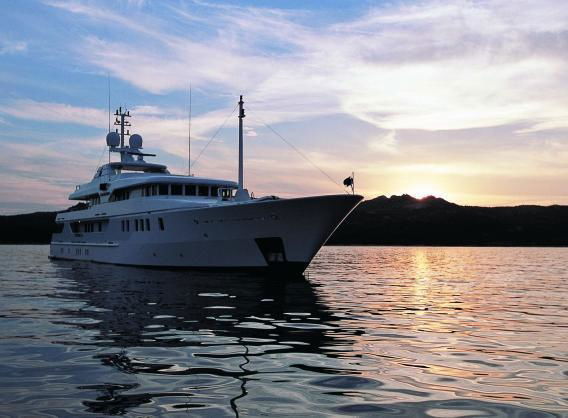


Images have been gathered from various sources and belong to their respective owners.
Review - Amels Tigre d’Or 50

MarineBroker
03/13/2024, 6:26 AM
2000 Amels Tigre d’Or 50: What to Know Before Buying, Surveying, or Restoring This Classic Yacht
The 2000 Amels Tigre d’Or 50 is the kind of yacht that turns heads for all the right reasons. Built by a respected Dutch yard and styled with the kind of presence that still feels timeless, it appeals to buyers who want more than just size and speed. They want pedigree, comfort, and a vessel with real character.
But here’s the catch: yachts like this can be a fantastic opportunity, yet they can also come with hidden costs if you don’t know what to look for. A 20-plus-year-old superyacht may have beautiful bones, but systems age, maintenance records vary, and refit needs can be expensive if they’re discovered too late.
That’s the real problem for many interested buyers: how do you tell whether the 2000 Amels Tigre d’Or 50 is a smart purchase or a money pit? The good news is that with the right approach, it’s very possible to evaluate one properly, plan ahead, and make a confident decision. In this article, we’ll break down what makes this yacht special, what to inspect, and how to avoid the common mistakes that catch buyers off guard.
- What Makes the 2000 Amels Tigre d’Or 50 Stand Out
The 2000 Amels Tigre d’Or 50 sits in a sweet spot for buyers who appreciate classic yacht craftsmanship. Amels has long been known for building robust, ocean-capable yachts with quality engineering and a strong reputation in the luxury market.
At around 50 meters, this yacht offers serious volume without feeling oversized for experienced owners. That matters because it gives you the flexibility to cruise comfortably, host guests, and operate with a professional crew, while still being manageable compared with much larger superyachts.
What often attracts people to this model is the balance between elegance and practicality. It’s not just about polished finishes or a famous name. It’s about a platform that was built to perform, and that still has value if it has been maintained well.
For many buyers, the appeal includes:
- Proven Dutch shipbuilding quality
- Large interior and exterior spaces
- Strong resale recognition for the brand
- A layout suited to private use or charter potential
- The possibility of acquiring a well-built yacht at a more accessible price than newer builds
That said, age changes the equation. A yacht from 2000 may still be excellent, but only if its systems, structure, and service history have been kept in line.
- The Main Problem Buyers Face With Older Superyachts
The biggest challenge with a yacht like the 2000 Amels Tigre d’Or 50 is not usually the hull itself. It’s the hidden condition of the onboard systems and the cost of bringing everything up to modern standards.
Older yachts often look impressive in photos and even during a quick walkthrough. The real issues usually live behind panels, under flooring, and inside the service logs.
Common concerns include:
- Aging engines and generators
- Outdated navigation and communication electronics
- Electrical system wear
- HVAC inefficiencies
- Interior refit needs
- Corrosion in certain components
- Lack of proper maintenance records
- Compliance changes for safety and operation
If you’re not careful, you can buy a yacht that seems like a bargain and then spend heavily on repairs, upgrades, and downtime. That’s why the real skill is not just admiring the yacht, but understanding what it will cost to own it properly.
- How to Evaluate the 2000 Amels Tigre d’Or 50 Before You Buy
A smart purchase starts with a structured evaluation. The goal is to separate cosmetic appeal from actual condition.
Start with the paperwork. A complete maintenance history is one of the best signs that a yacht has been cared for properly. Look for records of engine servicing, generator work, hull inspections, and any major refits.
You should also pay attention to whether the yacht has had consistent ownership or frequent changes. A stable ownership history often suggests more continuity in maintenance.
Key documents to review:
- Full maintenance logs
- Survey reports
- Engine and generator service records
- Refit invoices
- Classification and compliance documents
- Registration details and ownership chain
Next, inspect the major systems. Even if the yacht appears clean and polished, age-related issues can still be lurking. A thorough survey should cover propulsion, electrical, plumbing, stabilizers if fitted, and all safety systems.
If possible, arrange a sea trial. That’s where you learn how the yacht behaves under load, whether the engines run smoothly, and whether vibration, overheating, or alarm issues show up.
- What to Look for During a Survey
A professional survey is non-negotiable for a yacht of this class. For the 2000 Amels Tigre d’Or 50, the survey should be treated as a deep diagnostic, not a simple formality.
The hull and superstructure should be examined for structural integrity, signs of osmosis, repairs, or impact history. On a yacht this size, even small signs of moisture intrusion can become expensive if ignored.
Pay close attention to these areas:
- Hull condition and coatings
- Deck fittings and sealant integrity
- Window and portlight seals
- Corrosion around metal fixtures
- Condition of tanks
- Bilge cleanliness and dryness
- Signs of electrical modification or patchwork repairs
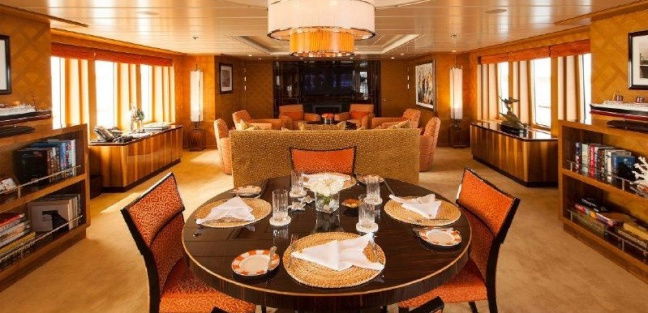
Inside, inspect the soft goods and joinery, but don’t let upholstery distract you from the underlying systems. A tired interior can be refreshed. A neglected technical backbone is a much bigger issue.
Also, ask whether the yacht has undergone major refits. A well-executed refit can significantly extend the useful life of a classic yacht. A poorly documented one, however, can create more uncertainty than value.
- The Cost Reality: Budget Beyond the Purchase Price
One of the most common mistakes buyers make is focusing only on the asking price. With a yacht like the 2000 Amels Tigre d’Or 50, the true cost of ownership includes refit, crew, insurance, docking, and ongoing maintenance.
A good rule of thumb is to budget for more than just purchase and closing costs. Older yachts often require immediate work, even if they’ve been maintained well.
Typical cost categories to plan for:
1. Survey and technical inspections
2. Immediate maintenance and safety updates
3. Cosmetic refreshes or interior updates
4. Engine and generator servicing
5. Dockage and winter storage
6. Insurance and operational expenses
7. Crew salaries, if applicable
If you’re buying for private use, you may be able to keep costs more controlled. If you’re considering charter, the yacht may need additional upgrades to meet guest expectations and regulatory requirements.
The key is to build a realistic post-purchase budget before you commit. That way, you’re not surprised by the first yard period or major service bill.
- Why Refits Can Be a Smart Solution
For many buyers, the best solution is not avoiding an older yacht. It’s buying one with good bones and planning a targeted refit.
That’s especially true for a yacht like the 2000 Amels Tigre d’Or 50, where the underlying build quality can justify the investment. If the hull, engineering, and layout are strong, a refit can modernize the yacht without the price tag of a brand-new build.
A smart refit usually focuses on the highest-impact areas first:
- Navigation and electronics upgrades
- Engine room servicing
- HVAC improvements
- Interior soft goods and lighting
- Entertainment systems
- Exterior teak or decking work
- Paint and cosmetic restoration
The best refits are not about changing everything. They’re about improving reliability, comfort, and usability while preserving the yacht’s character.
This approach works especially well for owners who value classic lines and proven construction but want the convenience of modern systems.
- Common Red Flags to Watch Out For
Buying an older superyacht can be rewarding, but only if you know when to walk away or renegotiate.
Here are some red flags that should make you pause:
- No clear maintenance records
- Repeated engine issues
- Evidence of water intrusion
- Mold or hidden dampness
- Unexplained electrical modifications
- Poorly documented refit work
- Signs of deferred maintenance
- Inconsistent survey results
If the yacht looks great but the records are thin, that’s a warning sign. If the survey reveals multiple unresolved issues, it may still be worth pursuing, but only if the price reflects the work ahead.
A serious buyer should always factor in negotiation room. A yacht with known maintenance needs is not automatically a bad deal. It just needs to be priced honestly.
- Is the 2000 Amels Tigre d’Or 50 Right for You?
This yacht is a strong fit for buyers who appreciate craftsmanship and are comfortable managing a professional-standard vessel. It’s not the best choice for someone who wants a turnkey, low-maintenance experience with minimal oversight.
The 2000 Amels Tigre d’Or 50 tends to suit buyers who:
- Value classic superyacht design
- Want substantial onboard space
- Are prepared for professional management
- Understand maintenance planning
- May want to customize through refit
- Appreciate a yacht with pedigree and presence
It can also be attractive for owners who want to enter the superyacht market at a more strategic price point. Instead of paying a premium for a newer yacht, they can invest in a proven platform and tailor it to their needs.
That said, the best result comes from patience. The right yacht is not just the one that looks impressive on listing photos. It’s the one with a solid history, sensible upkeep, and a refit path that matches your budget.
- Practical Buying Strategy for Serious Shoppers
If you’re actively considering the 2000 Amels Tigre d’Or 50, here’s a simple approach that can help you make a better decision.
1. Start with the records
Ask for maintenance logs, refit history, and recent survey reports before getting too emotionally attached.
2. Bring in the right experts
Use an experienced marine surveyor, engineer, and broker who know older superyachts.
3. Inspect in person
Photos are useful, but they can’t tell you how systems behave or how the yacht really feels underway.
4. Estimate the first-year cost
Include upgrades, service, docking, and contingency funds.
5. Compare with similar yachts
Look at other 50-meter-class yachts from the same era to understand pricing and condition differences.
6. Be realistic about your goals
Private cruising, charter use, and long-term ownership each require different levels of investment.
This process helps you avoid emotional decisions and focus on value.
- Why Brand Reputation Still Matters
Amels has earned a strong reputation in the yacht world because buyers tend to trust the yard’s engineering and build quality. That reputation doesn’t eliminate the need for a survey, but it does matter.
A respected builder often means:
- Better underlying construction
- More thoughtful engineering
- Stronger market recognition
- Easier resale positioning
- Higher confidence in long-term durability
For the 2000 Amels Tigre d’Or 50, the brand adds credibility, but the yacht’s actual condition still decides the outcome. A well-kept yacht from a top yard is usually a better purchase than a neglected one from an equally famous name.
That’s why seasoned buyers look at both brand and maintenance together. One without the other is not enough.
- The Smart Way to Turn a Classic Yacht Into a Good Investment
A classic yacht becomes a smarter investment when you buy with a plan. That means understanding not only what the yacht is today, but what it can become after the right work.
For the 2000 Amels Tigre d’Or 50, the opportunity often lies in its combination of pedigree and upgrade potential. If the structure is sound and the engineering is serviceable, you may be able to create a highly enjoyable yacht with modern comfort and classic style.
The formula is simple:
- Buy on condition, not just appearance
- Spend on systems before cosmetics
- Use a realistic budget
- Prioritize safety and reliability
- Keep the yacht aligned with your intended use
That approach reduces risk and increases satisfaction. It also helps preserve value if you later decide to sell.
- Conclusion
The 2000 Amels Tigre d’Or 50 offers a compelling mix of classic design, strong shipbuilding, and substantial onboard presence. For the right buyer, it can be a rewarding yacht with real long-term appeal.
The main challenge is making sure you understand the condition of the vessel before committing. A careful survey, a realistic maintenance budget, and a clear refit plan can turn a potentially risky purchase into a smart one. If you’re considering this yacht, focus on records, systems, and expert advice first. That’s the best way to protect your investment and enjoy the yacht with confidence.
If you want to keep researching, compare similar 50-meter yachts from the same era and review recent market listings to get a better sense of condition, pricing, and refit potential.
Specifications
General
Boat Type: Power Boats
Class Type: Mega Yacht
Specifications
Length: 170.6
Beam: 29.53
Draft: 10.17
Hull Material: Steel
Build
First Built: 2000
Propulsion
Fuel Type: Diesel
Engines: 2
Power: 0 HP
Brand: Unknown
Accomodation
Cabins: 5
PROS & CONS
What we appreciated
 Classic and elegant design by Amels renowned for quality craftsmanshipSolid build with durable materials typical of 2000s luxury yachtsSpacious interior layout suitable for comfortable cruisingGood seaworthiness and stability for offshore passagesTimeless aesthetic appealing to traditional yacht enthusiasts
What we didn’t appreciate
 Older model, may require significant maintenance and upgradesOutdated navigation and onboard technology compared to modern boatsPotentially less fuel efficient than newer designsLimited availability of replacement parts due to ageInterior styling may appear dated to some buyers
Upkeep Costs
Annual maintenance: $15,000 - $25,000
Docking and marina fees: $10,000 - $20,000 per year
Insurance: $5,000 - $8,000 per year
Fuel costs: $8,000 - $12,000 per year
Crew salaries (if applicable): $30,000 - $60,000 per year
Rating
7.4
User
Score
Score
Driveability
Technology
Interior
Design
Similar Boats


MarineBroker
Download now for an immersive boat experience like never before! ⛵✨ Your journey begins with a simple click. 🌊📲
#SetSailSmart #DownloadNow
#SetSailSmart #DownloadNow

Subscribe
Copyright 2017 - 2026, Marinebroker.net, All Rights Reserved