Boat Database » Abacus Marine Sakura
Abacus Marine Sakura
Inboard Direct-Drive, Diesel, 2x 0 HP
Power Boats 2010 Abacus Marine Sakura: What Buyers and Owners Should Know Before You Commit
If you’re looking into the 2010 Abacus Marine Sakura, you’re probably already past the “just browsing” stage. Maybe you’ve seen the boat listed onlin...
Discover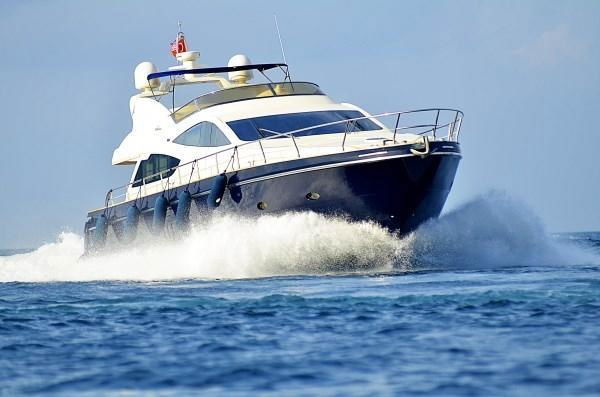


Images have been gathered from various sources and belong to their respective owners.
Review - Abacus Marine Sakura

MarineBroker
01/18/2024, 11:48 AM
2010 Abacus Marine Sakura: What Buyers and Owners Should Know Before You Commit
If you’re looking into the 2010 Abacus Marine Sakura, you’re probably already past the “just browsing” stage. Maybe you’ve seen the boat listed online, heard the name from a marina friend, or stumbled across one while searching for a compact, stylish cruiser that feels a little different from the usual mainstream options. That’s usually when the real questions start: Is it a smart buy? What should I inspect? Are there hidden maintenance issues? And most importantly, how do you know whether this boat is truly the right fit for your boating plans?
That’s the problem many buyers run into. A boat like the 2010 Abacus Marine Sakura can look appealing on paper, but the value really depends on condition, upkeep, and how well it matches your intended use. The good news is that with the right approach, you can separate a solid opportunity from an expensive mistake. In this article, we’ll walk through what makes this model interesting, the common concerns to watch for, and the practical steps that can help you make a confident decision.
- Understanding the 2010 Abacus Marine Sakura
- Why buyers are drawn to the 2010 Abacus Marine Sakura
- The most common problem: evaluating condition, not just appearance
- How to inspect a 2010 Abacus Marine Sakura properly
- Maintenance and ownership tips that reduce long-term headaches
- When this boat makes sense, and when to keep looking
- Understanding the 2010 Abacus Marine Sakura
The 2010 Abacus Marine Sakura sits in a category that tends to attract practical boaters who still want a bit of character. Abacus Marine is known for building boats with a focus on usable layouts, comfortable cruising, and a design style that often appeals to people who want something a little less ordinary.
For a 2010 model, age is an important factor. Boats from this era can still offer excellent value, but they’re old enough that wear-and-tear matters. That means the real story is not just the model name or the year. It’s how the boat was used, stored, serviced, and updated over time.
If you’re shopping for one, the key mindset is simple: don’t evaluate it like a new boat. Evaluate it like a well-used machine that can still perform beautifully if it has been cared for properly.
- Why buyers are drawn to the 2010 Abacus Marine Sakura
There are a few reasons this boat can stand out in the used market.
First, it often appeals to people who want a manageable size. A boat that is easier to handle, berth, and maintain can be a much better real-world choice than a larger model that becomes expensive and stressful to own.
Second, many buyers like the balance between comfort and practicality. The Sakura name tends to suggest a boat that is suited to relaxed cruising rather than high-pressure performance boating. For families, couples, or weekend boaters, that can be exactly the right fit.
Third, older boats sometimes offer better value if they’ve been well maintained. Instead of paying a premium for a newer vessel, buyers can sometimes get a more comfortable layout or better onboard features for less money.
But that’s where the catch comes in. A boat only feels like a bargain if the hidden costs don’t eat up the savings.
- The main problem: condition uncertainty on a used 2010 Abacus Marine Sakura
The biggest issue with any used boat, including the 2010 Abacus Marine Sakura, is uncertainty.
A clean exterior does not guarantee a healthy boat. Fresh upholstery doesn’t mean the engine has been serviced properly. A polished hull doesn’t tell you whether the wiring, pumps, or fuel system are in good shape.
This is the real problem buyers face:
- Cosmetic condition can hide mechanical issues
- Maintenance records are often incomplete
- Water intrusion may not be obvious at first glance
- Older systems may be nearing the end of their useful life
In other words, the challenge is not just finding a boat. It’s finding one that has been cared for in a way that makes ownership enjoyable instead of stressful.
The solution is to inspect with a system, not with emotion.
- How to inspect a 2010 Abacus Marine Sakura the smart way
A good inspection doesn’t need to be complicated, but it does need to be thorough. If you’re serious about buying, treat the process like a checklist.
- Start with the hull and deck
Look for signs of impact, cracking, blistering, or repairs. Pay attention to areas around fittings, cleats, rails, and hatches, since these spots can reveal leaks or stress.
Check for:
- Soft spots in the deck
- Discoloration around fittings
- Uneven gelcoat or paint
- Evidence of previous repairs
If the boat has been stored outdoors for years, UV exposure may have taken a toll on surfaces and seals.
- Inspect the engine and propulsion system
For many buyers, this is the most important part. A boat can be beautifully presented and still be a poor purchase if the engine is neglected.
Ask for:
- Service records
- Oil change history
- Impeller replacement history
- Fuel system maintenance
- Recent start-up and running tests
If possible, have the engine checked by a qualified marine mechanic. A compression test, oil analysis, or sea trial can reveal problems that aren’t visible at the dock.
- Check electrical systems carefully
Electrical issues are common on older boats because wiring, switches, batteries, and connectors age over time. Corrosion is especially important to watch for in marine environments.
Look for:
- Corroded terminals
- Loose wiring
- Non-functioning gauges or lights
- Battery age and condition
- Signs of amateur repairs
If the electrical system looks messy, assume there may be more hidden issues.
- Inspect plumbing and safety equipment
Water systems, bilge pumps, toilets, and drainage components can become unreliable with age. These are not glamorous systems, but they matter a lot when you’re actually using the boat.
Make sure to test:
- Freshwater pumps
- Bilge pumps
- Head or toilet systems
- Seacocks and valves
- Drainage and bilge cleanliness
Also check that safety gear is current and complete. Life jackets, fire extinguishers, flares, and navigation lights should all be in good condition.
- Review the paperwork
This step is often overlooked, but it can save you a lot of trouble.
Confirm:
- Ownership documents
- Registration status
- Maintenance records
- Engine serial numbers
- Any history of damage or insurance claims
A well-documented boat is usually a safer bet than one with a vague history.
- Common red flags to watch for
When evaluating a 2010 Abacus Marine Sakura, some warning signs should make you slow down immediately.
Be cautious if you notice:
- Strong fuel or mildew smells
- Fresh paint used to hide repairs
- Soft or spongy flooring
- Excessive corrosion on metal parts
- Water in compartments where it shouldn’t be
- Engine starting issues
- Missing service records
One red flag alone may not be a dealbreaker, but several together usually mean the boat has been neglected.
- What a practical buyer should ask before making an offer
A smart purchase starts with the right questions. Don’t assume the seller has given you the full story.
Ask:
1. How often has the boat been used?
2. Where was it stored when not in use?
3. When was the last full engine service?
4. Has it ever taken on water?
5. Have any major components been replaced?
6. Are there receipts for recent work?
7. Was it used in saltwater or freshwater?
These questions help you understand the boat’s real life, not just its listing description.
- Maintenance tips that make ownership easier
If you do buy the 2010 Abacus Marine Sakura, the best way to protect your investment is with consistent maintenance. Older boats reward regular attention.
Here are the basics that matter most:
- Flush and clean after use
Especially if the boat has been in saltwater. This helps reduce corrosion and buildup.
- Keep the bilge dry and clean
A clean bilge makes it easier to spot leaks early.
- Replace wear items on schedule
Belts, impellers, batteries, hoses, and seals should not be ignored until they fail.
- Stay ahead of corrosion
Use marine-grade products and inspect metal fittings regularly.
- Run the boat regularly
Boats that sit too long often develop more problems than boats that are used responsibly.
- Store it properly
A good cover, dry storage, or protected mooring can dramatically improve longevity.
This kind of routine care is what separates a dependable used boat from a money pit.
- How to decide if the 2010 Abacus Marine Sakura is right for you
This boat may be a good fit if you:
- Want a practical cruiser with character
- Prefer manageable size and easier handling
- Are comfortable with used-boat inspections
- Have a realistic maintenance budget
- Value comfort over high-speed performance
It may not be the best fit if you:
- Want a turn-key boat with no upkeep
- Prefer the latest technology and systems
- Don’t want to deal with older equipment
- Need maximum performance or large onboard space
The right boat is the one that matches your boating style, not just your wishlist.
- A realistic buying strategy for better results
If you’re serious about buying a 2010 Abacus Marine Sakura, the smartest approach is to combine research, inspection, and patience.
A practical strategy looks like this:
- Research market prices for similar boats
- Compare condition, not just asking price
- Budget for immediate maintenance after purchase
- Arrange a survey or mechanic inspection
- Be willing to walk away if the numbers don’t make sense
That last point matters a lot. The best deal is not always the cheapest one. Sometimes the best decision is skipping a boat that looks good but has too many unknowns.
- The value of a survey or professional inspection
If there’s one step that can save you from regret, it’s a proper marine survey.
A surveyor or marine mechanic can help identify:
- Structural issues
- Water intrusion
- Engine wear
- Electrical faults
- Safety concerns
- Signs of poor maintenance
For older boats, this is especially useful because many problems are not obvious to an untrained eye.
Think of it this way: paying for an inspection is usually much cheaper than discovering a major issue after the sale.
- Making the most of a good example
When a 2010 Abacus Marine Sakura has been well maintained, it can be a rewarding boat to own. A clean service history, solid mechanical condition, and sensible upkeep can make a big difference.
A good example often offers:
- Comfortable cruising
- Easier handling than larger boats
- Lower ownership costs than newer models
- A practical layout for regular use
That’s why the condition of the specific boat matters more than the badge on the side.
- Final thoughts before you decide
The 2010 Abacus Marine Sakura can be a smart choice for the right buyer, but it should always be judged on real condition rather than age alone. The main challenge is figuring out whether the boat has been properly cared for, and the best solution is a careful inspection backed by maintenance records, a sea trial, and professional advice if needed.
If you take your time, ask the right questions, and focus on systems as much as appearance, you’ll be in a much better position to make a confident decision. For anyone interested in this model, that approach is the difference between buying a boat you enjoy and buying a boat you keep fixing.
If you want to keep researching, compare similar cruisers in the same size and year range so you can judge value more accurately before you buy.
Specifications
General
Boat Type: Power Boats
Class Type: Mega Yacht
Specifications
Length: 70.54
Beam: 17.72
Draft: 5.58
Hull Material: GRP
Build
First Built: 2010
Propulsion
Fuel Type: Diesel
Engines: 2
Power: 0 HP
Brand: Unknown
Accomodation
Cabins: 4
PROS & CONS
What we appreciated
 Classic and elegant design with traditional Japanese aestheticsHigh-quality craftsmanship and durable constructionSpacious and comfortable cockpit for leisure boatingReliable and efficient diesel engine optionsGood stability and smooth handling in various water conditions
What we didn’t appreciate
 Limited availability of parts and specialized service due to niche brandOlder model may lack modern electronics and amenitiesRelatively high maintenance costs for wooden componentsLower resale value compared to more mainstream boat brandsSmaller dealer and support network outside of Japan
Upkeep Costs
Fuel: Approximately $2,000 - $4,000 per year depending on usage
Maintenance and Repairs: Around $1,000 - $3,000 annually
Insurance: Typically $500 - $1,500 per year
Storage and Mooring Fees: $1,000 - $3,000 per year depending on location
Registration and Licensing: $100 - $300 per year

Rating
6.9
User
Score
Score
Driveability
Technology
Interior
Design
Similar Boats


MarineBroker
Download now for an immersive boat experience like never before! ⛵✨ Your journey begins with a simple click. 🌊📲
#SetSailSmart #DownloadNow
#SetSailSmart #DownloadNow

Subscribe
Copyright 2017 - 2026, Marinebroker.net, All Rights Reserved