2003 Amer Lady Lona: What Buyers and Owners Should Know Before Moving Forward
If you’ve been searching for information on the 2003 Amer Lady Lona, you’re probably trying to answer a pretty practical question: is this the right bo...
Discover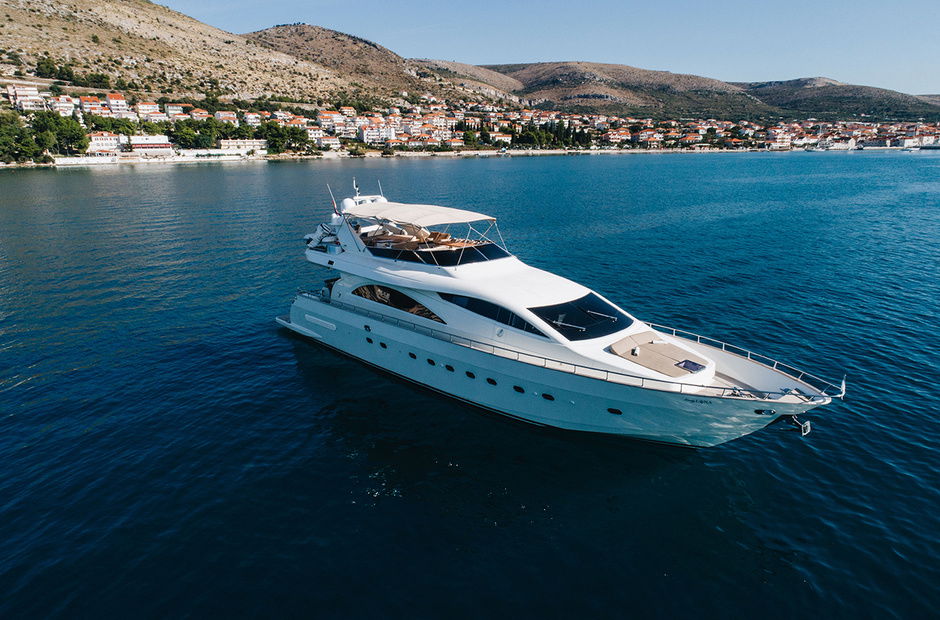


Images have been gathered from various sources and belong to their respective owners.
Review - Amer Lady Lona

MarineBroker
03/13/2024, 8:21 AM
2003 Amer Lady Lona: What Buyers and Owners Should Know Before Moving Forward
If you’ve been searching for information on the 2003 Amer Lady Lona, you’re probably trying to answer a pretty practical question: is this the right boat for your needs, and what should you watch out for before making a decision? That’s a smart place to start. Older boats can offer a lot of value, but they can also come with hidden maintenance issues, outdated systems, and ownership costs that are easy to underestimate.
The good news is that with a model like the 2003 Amer Lady Lona, the key is not just looking at the nameplate or the year. It’s about understanding the boat’s condition, layout, systems, and how it has been used and maintained over time. A well-kept vessel can still be a great fit for cruising, entertaining, or extended time on the water. A neglected one, on the other hand, can turn into a money pit fast.
In this article, we’ll walk through the common concerns people have when evaluating a boat like the 2003 Amer Lady Lona, how to assess whether it’s a good match, and the practical steps that can help you avoid costly surprises.
- What Makes the 2003 Amer Lady Lona Worth a Closer Look
When people search for a specific boat by model and year, they’re usually trying to balance interest with caution. That’s especially true with a 2003 vessel, because age alone doesn’t tell the full story.
A boat from 2003 may still have plenty to offer if it has been regularly maintained. In many cases, the real value comes from the combination of construction quality, onboard features, and how well the previous owner cared for the systems. That includes everything from engines and electrical components to upholstery, plumbing, and hull condition.
The 2003 Amer Lady Lona may appeal to buyers or enthusiasts who want:
- A boat with established character and proven use
- A vessel that may offer more space or features than newer entry-level options
- A chance to own a boat at a potentially lower purchase price than a newer model
- A platform that can be upgraded over time
Still, the biggest challenge with any older boat is separating cosmetic appeal from mechanical reality. A polished interior can look great, but that doesn’t mean the engines, wiring, or deck structure are in equally good shape.
- The Main Problem: Age-Related Wear Can Hide Expensive Issues
The most common problem people face with a boat like the 2003 Amer Lady Lona is simple: age-related wear is not always obvious at first glance.
Boats age differently than cars. Even if a vessel looks clean on the surface, it may have been exposed to moisture, salt, UV damage, vibration, and long periods of storage. Over time, those factors can affect nearly every part of the boat.
Here are some of the most common issues buyers and owners should think about:
- Soft spots in decks or transoms from water intrusion
- Engine wear or deferred maintenance
- Corrosion in wiring, connectors, and terminals
- Aging hoses, seals, and fuel lines
- Outdated electronics that no longer perform well
- Upholstery cracking or interior deterioration
- Plumbing leaks or failing pumps
- Delamination, blistering, or hull-related concerns
The tricky part is that some of these problems are hidden until the boat is inspected thoroughly or taken out on the water. That’s why a careful evaluation matters so much.
- How to Judge the Condition of a 2003 Amer Lady Lona
If you’re considering the 2003 Amer Lady Lona, the best approach is to assess the boat in layers. Start with the obvious, then dig deeper into the systems that cost the most to repair.
- Start with the Hull and Exterior
The hull is the foundation of everything. Look for visible damage, uneven repairs, discoloration, or signs of impact. Check around the rub rail, chines, and transom for cracks or stress marks.
Also pay attention to:
- Gelcoat condition
- Evidence of previous repairs
- Blisters or bubbling
- Hardware bedding around cleats, rails, and fittings
A boat can look fine from the dock and still have structural concerns underneath. If you see signs of repeated patchwork, it’s worth asking more questions.
- Inspect the Engine and Mechanical Systems
For most boat buyers, the engine room tells the real story. Cleanliness matters, but so does documentation. Ask for service records, winterization history, oil change intervals, and any major repairs.
Look for:
- Oil leaks or fuel leaks
- Rust, corrosion, or salt residue
- Belts and hoses that appear brittle or cracked
- Strange odors, especially fuel or burning smells
- Uneven engine startup or abnormal vibration
If the boat has twin engines or multiple mechanical systems, the inspection becomes even more important. Repairs can add up quickly, and mechanical surprises are often where budgets get stretched.
- Check Electrical and Electronics
Older boats often have electrical systems that were fine in 2003 but are now outdated or partially modified. That can create reliability issues.
Test:
- Battery condition and charging system
- Shore power setup
- Panel labeling and breaker function
- Navigation electronics
- Cabin lighting and bilge pumps
Loose wiring, amateur modifications, and corroded terminals are all red flags. Electrical problems can be annoying at best and dangerous at worst.
- Look at the Interior Honestly
A worn interior doesn’t automatically make a boat a bad buy, but it does help you understand how the boat was cared for overall. Mold, water stains, and musty odors can point to bigger issues.
Pay attention to:
- Ceiling or wall staining
- Soft or warped flooring
- Cabinet swelling
- Window leaks
- Ventilation quality
If the interior smells damp, assume moisture has been present somewhere. That doesn’t mean the boat is unusable, but it does mean you should investigate further.
- Why a Survey and Sea Trial Matter So Much
This is probably the single best solution to the common problem of buying an older boat with unknown history: get a professional marine survey and a sea trial.
A surveyor can help identify issues that a casual walkthrough may miss. A sea trial adds another layer by showing how the boat behaves under real conditions. Together, they give you a far clearer picture of whether the 2003 Amer Lady Lona is a safe and practical option.
A good survey typically covers:
- Hull condition
- Structural integrity
- Mechanical systems
- Electrical systems
- Safety equipment
- Overall maintenance condition
During the sea trial, you want to observe:
- Engine startup
- Acceleration
- Steering response
- Vibration
- Temperature stability
- Noise levels
- Bilge activity after running
If the boat performs well on paper but struggles underway, that’s important information. A smooth sea trial can support your confidence, while a rough one can save you from a costly mistake.
- The Best Way to Avoid Surprise Costs
Older boats often become expensive not because of one major flaw, but because of a pile of small issues that add up. That’s why it helps to think beyond the asking price.
Before making an offer, estimate the likely costs of:
- Routine service
- Bottom cleaning and paint
- Safety equipment replacement
- Upholstery or interior work
- Electronics upgrades
- Mechanical repairs
- Haul-out and storage
- Insurance and registration
A lower purchase price may look attractive, but if the boat needs several thousand dollars in immediate work, the real cost can climb fast.
A practical rule is to build a repair cushion into your budget. Many seasoned buyers like to leave room for at least minor maintenance right away, even on a boat that seems well-kept. That way, you’re not caught off guard by the first few months of ownership.
- What to Ask the Seller About the 2003 Amer Lady Lona
A few smart questions can tell you a lot before you even step aboard.
Ask:
- How long have you owned the boat?
- Where has it been stored?
- Was it kept in freshwater or saltwater?
- How often was it used?
- What maintenance has been done recently?
- Are service records available?
- Has anything major been replaced or repaired?
- Are there known issues right now?
The answers matter as much as the boat itself. A well-documented history often means less uncertainty. If the seller is vague, inconsistent, or unable to provide records, proceed carefully.
Also pay attention to how the boat is presented. A clean boat with organized records usually suggests an owner who paid attention. That doesn’t guarantee perfection, but it’s a good sign.
- If You Already Own One: How to Keep It Reliable
If you already own the 2003 Amer Lady Lona, the solution is less about buying and more about protecting your investment. The best way to keep an older boat usable is through consistent maintenance and early problem detection.
Focus on these basics:
- Flush engines after use if applicable
- Change fluids on schedule
- Inspect hoses, clamps, and belts regularly
- Keep batteries charged and tested
- Check bilge pumps and float switches
- Seal leaks as soon as they appear
- Clean and protect upholstery and vinyl
- Store the boat properly during off-season periods
Small preventive steps can save you from major repairs later. A boat that gets regular attention usually ages far better than one that sits neglected for long stretches.
- Common Upgrades That Can Improve Value and Usability
If the 2003 Amer Lady Lona is structurally sound but showing its age in some areas, targeted upgrades can make a big difference.
Useful improvements may include:
- Modern chartplotter or navigation display
- New batteries or battery monitoring
- LED lighting
- Fresh canvas or enclosure work
- Updated stereo or helm electronics
- Reupholstered seating
- Replaced pumps, hoses, or plumbing fixtures
These upgrades don’t just make the boat more comfortable. They can also improve reliability and make ownership feel less stressful. The key is to prioritize upgrades that improve safety and function before spending on cosmetics.
- Signs the Boat May Not Be the Right Fit
Sometimes the best solution is walking away. That may sound disappointing, but it’s often the most practical choice.
Consider passing on the boat if you find:
- Major structural damage
- Repeated evidence of water intrusion
- Poorly documented engine history
- Severe corrosion or electrical neglect
- A smell of mold that won’t go away
- Signs the boat has been sitting unused for long periods
- Repair estimates that exceed your comfort zone
A boat should fit your budget, your skill level, and your intended use. If it needs more work than you’re willing to take on, it’s okay to keep looking.
- Why the Right Inspection Strategy Solves Most Buyer Problems
The biggest issue with older boats is uncertainty. The solution is not guessing harder. It’s using a process.
A smart inspection strategy for the 2003 Amer Lady Lona includes:
1. Walkthrough inspection
2. Document review
3. Professional survey
4. Sea trial
5. Budget review
6. Repair estimate comparison
That process helps you move from emotion to facts. Instead of asking, “Does this boat look nice?” you can ask, “Does this boat make sense financially and mechanically?”
That shift is what protects buyers from regret.
- Final Thoughts for Anyone Interested in 2003 Amer Lady Lona
The 2003 Amer Lady Lona can be worth serious consideration, but like any older boat, it should be evaluated with a clear eye. The main challenge is not simply age — it’s identifying whether maintenance, structure, and systems have held up over time.
The best solution is a careful, layered approach: inspect thoroughly, ask for records, get a survey, and budget for maintenance before committing. If the boat checks out, it may offer a solid and enjoyable boating experience. If it doesn’t, you’ll be glad you found out early.
For anyone interested in the 2003 Amer Lady Lona, the smartest move is to focus on condition, not just appearance. That’s how you make a confident decision and avoid expensive surprises down the line.
Specifications
General
Boat Type: Power Boats
Class Type: Mega Yacht
Specifications
Length: 85.3
Beam: 20.01
Draft: 6.56
Hull Material: GRP
Build
First Built: 2003
Propulsion
Fuel Type: Diesel
Engines: 2
Power: 1574 HP
Brand: Caterpillar
Accomodation
Cabins: 4
PROS & CONS
What we appreciated
 Classic and elegant design with a retro aestheticSolid construction with durable materialsSpacious interior for comfortable cruisingGood handling and stability on the waterReliable engine options with decent fuel efficiency
What we didn’t appreciate
 Older model may require more maintenance and repairsLimited availability of replacement partsLess modern amenities compared to newer boatsPotentially outdated navigation and electronicsHeavier weight can affect speed and maneuverability
Upkeep Costs
Fuel: Approximately $1,200 - $2,000 per year depending on usage
Maintenance and Repairs: Around $1,000 - $3,000 annually
Insurance: Typically $300 - $600 per year
Docking/Marina Fees: Ranges from $1,000 - $3,000 per year depending on location
Winterization and Storage: Approximately $500 - $1,500 per year

Rating
5.9
User
Score
Score
Driveability
Technology
Interior
Design
Similar Boats


MarineBroker
Download now for an immersive boat experience like never before! ⛵✨ Your journey begins with a simple click. 🌊📲
#SetSailSmart #DownloadNow
#SetSailSmart #DownloadNow

Subscribe
Copyright 2017 - 2026, Marinebroker.net, All Rights Reserved