Boat Database » Abeking & Rasmussen Aviva
Abeking & Rasmussen Aviva
Inboard Direct-Drive, Diesel, 2x 1492 HP
Power Boats 2007 Abeking & Rasmussen Aviva: How to Understand, Maintain, and Enjoy a Superyacht Like This
If you’re searching for information on the 2007 Abeking & Rasmussen Aviva, you’re probably not just looking for specs. You’re likely tr...
Discover
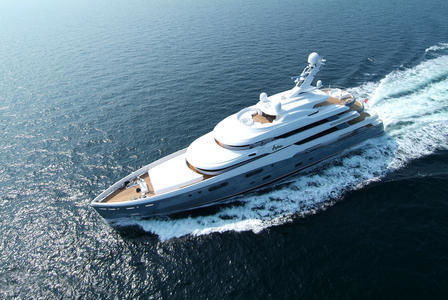
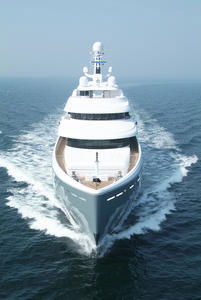
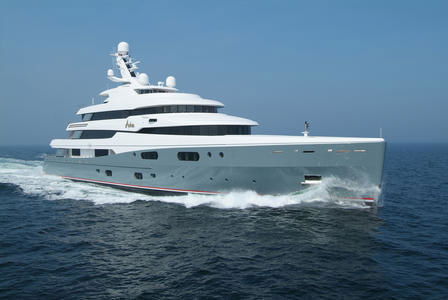
Images have been gathered from various sources and belong to their respective owners.
Review - Abeking & Rasmussen Aviva

MarineBroker
01/18/2024, 12:22 PM
2007 Abeking & Rasmussen Aviva: How to Understand, Maintain, and Enjoy a Superyacht Like This
If you’re searching for information on the 2007 Abeking & Rasmussen Aviva, you’re probably not just looking for specs. You’re likely trying to figure out what makes this yacht special, what ownership or charter really involves, and how to avoid common mistakes when evaluating a vessel of this caliber. That’s a fair question, because a yacht like Aviva isn’t just another luxury boat — it’s a highly engineered superyacht that demands a more thoughtful approach than most people expect.
The challenge for many owners, buyers, and enthusiasts is simple: beautiful yachts can look straightforward from the outside, but once you get into systems, upkeep, operating costs, crew requirements, and long-term value, things get more complicated fast. The good news is that with the right knowledge, those complexities become manageable.
In this article, we’ll break down what makes the 2007 Abeking & Rasmussen Aviva noteworthy, what problems people often face when dealing with yachts in this class, and the practical steps that help you make smarter decisions. Whether you’re researching for ownership, charter, or pure interest, this guide will help you see the bigger picture without the fluff.
- What Makes the 2007 Abeking & Rasmussen Aviva Stand Out
Abeking & Rasmussen is one of those shipyards that serious yacht people know by reputation. The German builder has a long history of producing custom and semi-custom yachts with a strong focus on craftsmanship, engineering, and seaworthiness.
The 2007 Abeking & Rasmussen Aviva sits in the category of yachts that attract attention not only because of their size and design, but because they reflect a very specific philosophy: performance, comfort, and practical luxury. For many readers, the key question isn’t “Is it beautiful?” It’s “Is it actually a smart yacht to own or operate?”
That’s where Aviva stands out. A yacht from this builder typically offers:
- Strong naval architecture and structural quality
- High-end interior finish and customization
- Reliable systems integration
- A design intended for long-range comfort
- A reputation that can support resale interest if maintained properly
The issue, of course, is that yachts of this level can be expensive to misunderstand. A vessel may appear to be in excellent condition visually, but hidden maintenance needs, outdated systems, or poor service history can quickly turn a dream purchase into a headache. That’s why a practical, informed approach matters so much.
- The Main Problem Buyers and Enthusiasts Face
For people interested in the 2007 Abeking & Rasmussen Aviva, the biggest problem is usually uncertainty.
You may be asking:
- Is this yacht still a good value for its age?
- What kind of maintenance does it require now?
- Are older superyachts like this expensive to operate?
- How do you tell whether a well-known yacht has been properly cared for?
- What should you look for before chartering or buying?
Those are all smart questions. The problem is that many yacht listings and glossy brochures don’t answer them well. They often focus on luxury features while glossing over the practical side: systems age, paint and teak need attention, stabilizers need servicing, and crew experience matters more than most people realize.
For a yacht built in 2007, age alone is not the issue. The real issue is condition, documentation, and maintenance discipline. A well-kept 2007 superyacht can still be a fantastic platform. A neglected one can become costly very quickly.
- Why a 2007 Superyacht Needs a Different Evaluation
A yacht from 2007 occupies an interesting middle ground. It’s old enough that major systems may have seen multiple service cycles, but new enough that it may still offer a modern layout and strong performance if updated correctly.
When evaluating a yacht like the 2007 Abeking & Rasmussen Aviva, the focus should be less on age and more on lifecycle status. In other words, you want to know where the yacht is in its maintenance and refit journey.
Important questions include:
- Has the main machinery been serviced on schedule?
- When were generators last overhauled?
- Has the navigation electronics suite been upgraded?
- Are safety systems current and compliant?
- Has the interior been refreshed, or is it still original?
- What major refits have already been completed?
These details matter because superyachts are not “set it and forget it” assets. They’re more like floating engineering projects that need ongoing attention.
A yacht can look incredible in photos and still have aging equipment behind the scenes. That’s why smart buyers and experienced charter guests always look beyond the surface.
- What Owners and Buyers Should Look For
If you’re seriously considering a yacht in this category, the best approach is to focus on the fundamentals first. Style matters, but condition and service history matter more.
Here’s a practical checklist:
1. Maintenance records
- Look for a complete log of service work.
- Confirm whether scheduled maintenance was done on time.
- Ask about any recurring issues.
2. Refits and upgrades
- Determine what has been modernized.
- Common upgrades include AV systems, navigation electronics, interior soft goods, and stabilization equipment.
- A well-executed refit can dramatically improve usability.
3. Machinery condition
- Engines, generators, thrusters, stabilizers, and pumps should all be inspected.
- Older yachts often hide expensive mechanical surprises if they haven’t been run properly.
4. Exterior condition
- Check paint quality, window seals, teak decks, and corrosion points.
- Cosmetic perfection can be misleading if structural upkeep has been neglected.
5. Interior wear
- Upholstery, cabinetry, flooring, and climate systems should all be reviewed.
- A yacht may still be luxurious, but comfort declines fast when systems are tired.
6. Crew history
- A stable, experienced crew usually points to better upkeep.
- High crew turnover can be a red flag.
The practical solution here is simple: don’t rely on appearance alone. Use a marine surveyor, a technical inspector, and if possible, someone familiar with Abeking & Rasmussen builds. That extra expertise can save you from expensive mistakes.
- The 2007 Abeking & Rasmussen Aviva and the Reality of Ownership Costs
One of the biggest surprises for newcomers is how quickly costs rise once you move from purchase price to actual ownership.
Even if the 2007 Abeking & Rasmussen Aviva is priced attractively, the ongoing costs can include:
- Crew salaries
- Fuel
- Dockage and mooring
- Insurance
- Planned maintenance
- Unplanned repairs
- Refit reserves
- Classification and compliance costs
A common rule of thumb in yachting is that annual operating costs can be a meaningful percentage of the vessel’s value, and sometimes more if the yacht needs extensive work. The exact number depends on usage, location, and condition, but the broader point is this: the purchase price is only the beginning.
That’s why a solution-oriented mindset helps. Instead of asking only, “Can I afford to buy this yacht?” ask, “Can I sustainably operate and maintain it for the next five years?”
If the answer is yes, then the yacht becomes a much better long-term fit. If not, even a beautiful vessel can become a burden.
- How to Evaluate Whether the Yacht Has Been Properly Maintained
For a yacht like Aviva, maintenance quality is often the difference between a great experience and a frustrating one.
Here are signs of solid care:
- Clean and organized engine rooms
- Updated service documentation
- No obvious signs of chronic leaks or corrosion
- Well-maintained exterior finishes
- Smooth operation of doors, hatches, and hydraulic systems
- Functional electronics and controls
- Freshly serviced safety gear
And here are warning signs:
- Missing records
- Inconsistent cosmetic upkeep
- Outdated navigation or monitoring systems
- Evidence of temporary fixes instead of proper repairs
- Unexplained wear in high-use areas
- Crew who seem unsure about system history
The solution is a full due diligence process. That usually means:
- Surveying the yacht above and below the waterline
- Reviewing class and flag compliance
- Checking yard periods and refit invoices
- Conducting sea trials
- Testing all major onboard systems
This may sound like a lot, but it’s exactly how you protect yourself. A yacht of this caliber deserves professional-level inspection.
- Why the Abeking & Rasmussen Name Still Matters
The shipyard matters because reputation in yachting is built over decades, not marketing campaigns.
Abeking & Rasmussen is associated with precision engineering and custom yacht building. For many yacht owners, that matters because it often translates into better build quality, thoughtful layout design, and stronger long-term desirability.
That doesn’t mean every yacht from a famous yard is automatically perfect. It simply means the underlying platform is likely to be respected if it has been maintained well.
For the 2007 Abeking & Rasmussen Aviva, the builder’s name can help support interest from informed buyers, charter clients, and brokers. But even a strong brand cannot replace upkeep. A premium yacht still needs premium care.
In other words, the name opens the door. Maintenance keeps the door open.
- Common Mistakes People Make with Older Luxury Yachts
If you’re looking at a yacht like Aviva, it’s easy to get caught up in the excitement. That’s where mistakes happen.
Some of the most common ones include:
- Focusing too much on aesthetics
- Underestimating annual operating costs
- Skipping a detailed survey
- Ignoring refit history
- Assuming a famous builder means low risk
- Overlooking crew quality
- Not budgeting for immediate post-purchase work
The practical fix is to slow down and treat the process like a technical evaluation, not an emotional purchase.
A smart buyer will ask:
- What will this yacht cost me in year one?
- What systems may need attention soon?
- What upgrades are necessary versus optional?
- How much downtime should I expect?
This approach helps you avoid the classic “looks amazing, costs a fortune” trap.
- If You’re Chartering, What Should You Expect?
If your interest in the 2007 Abeking & Rasmussen Aviva is charter-related, the priorities shift a bit.
Charter guests usually care about:
- Comfort
- Service
- Layout
- Stabilization
- Noise levels
- Water toys and entertainment
- Privacy and smooth operations
In charter, the yacht’s condition still matters, but the crew experience becomes even more important. A well-trained crew can make an older yacht feel fresh, polished, and effortless. A poorly run yacht can make even a beautiful platform feel disappointing.
Before booking, ask about:
- Recent refits
- Crew tenure
- Guest feedback
- Itinerary flexibility
- Onboard amenities
- Stabilizer performance underway and at anchor
This is where a practical solution helps again: choose based on the full guest experience, not just the yacht’s reputation or photos.
- How to Get the Most Value from a Yacht Like This
Whether you’re buying, chartering, or simply researching, the best way to get value from a yacht like Aviva is to focus on readiness.
Value in superyachting usually comes from three things:
- Mechanical reliability
- Good presentation
- Efficient operation
A yacht that is technically sound, visually well-kept, and professionally managed will always feel like a better investment than one that only looks impressive on paper.
If you’re evaluating the 2007 Abeking & Rasmussen Aviva, aim for these practical steps:
1. Get expert help early
- Use a marine surveyor and broker who understand large yachts.
2. Review all service history
- Don’t accept vague answers about “recent work.”
3. Budget for immediate updates
- Even good yachts often need fresh electronics, soft goods, or technical refreshes.
4. Inspect the crew setup
- Good crew can preserve value and reduce surprises.
5. Think long term
- Ask how the yacht will fit your plans in three to five years, not just today.
This is the simplest way to protect both your experience and your wallet.
- Why This Yacht Still Gets Attention
A yacht like the 2007 Abeking & Rasmussen Aviva continues to attract interest because it represents something many yacht seekers want: pedigree, craftsmanship, and presence.
It’s not just about size or luxury. It’s about the confidence that comes from a well-built platform with the right maintenance behind it. For the right buyer or enthusiast, that combination is compelling.
The key is understanding that a superyacht is only as good as the care it receives. If you approach the search with patience and a technical mindset, you’re far more likely to find real value.
- Conclusion
The 2007 Abeking & Rasmussen Aviva is a great example of why older superyachts deserve careful evaluation rather than quick judgment. The real question is not simply whether the yacht is beautiful or well known, but whether it has been maintained, updated, and operated with discipline.
If you’re researching this yacht, the smartest path is to focus on records, surveys, refit history, and long-term operating costs. That approach helps you separate genuine value from expensive surprises. Whether you’re considering ownership or charter, taking the time to understand the yacht properly will always pay off.
If you want to keep learning, explore more about superyacht maintenance, refit planning, and pre-purchase inspections before making any big decisions.
Specifications
General
Boat Type: Power Boats
Class Type: Mega Yacht
Specifications
Length: 222.77
Beam: 40.35
Draft: 10.5
Hull Material: Steel
Build
First Built: 2007
Propulsion
Fuel Type: Diesel
Engines: 2
Power: 1492 HP
Brand: Caterpillar
Accomodation
Cabins: 8
PROS & CONS
What we appreciated
 Timeless and elegant design by Abeking & RasmussenHigh-quality craftsmanship and materialsSpacious and luxurious interior accommodationsSolid construction ensuring durability and seaworthinessGood reputation for smooth and stable cruising performance
What we didn’t appreciate
 Older model, may require more maintenance and updatesPotentially higher operational and maintenance costs due to size and luxury fittingsLimited availability of original parts or specialized serviceFuel consumption can be high compared to modern designsMay lack some modern technological amenities and navigation systems
Upkeep Costs
Annual maintenance and repairs: $15,000 - $30,000
Docking and marina fees: $10,000 - $25,000 per year
Insurance: $8,000 - $15,000 per year
Fuel costs: $20,000 - $50,000 per year depending on usage
Crew salaries (if applicable): $100,000 - $200,000 per year
Rating
8.8
User
Score
Score
Driveability
Technology
Interior
Design
Similar Boats


MarineBroker
Download now for an immersive boat experience like never before! ⛵✨ Your journey begins with a simple click. 🌊📲
#SetSailSmart #DownloadNow
#SetSailSmart #DownloadNow

Subscribe
Copyright 2017 - 2026, Marinebroker.net, All Rights Reserved