Boat Type: Power Boats
Boat Class: Power Catamaran
Length: 60.37 ft
Berths: 3
Cabins: 3
Bathrooms: 6
Boat Database » Alva Ocean ECO 60
Alva Ocean ECO 60
Inboard Direct-Drive, Hybrid / Electric, 2x 136 HP
Power Boats 2021 Alva Ocean ECO 60: What Buyers Should Know Before Choosing a Large Electric Catamaran
If you’ve been looking at the 2021 Alva Ocean ECO 60, chances are you’re already interested in the idea of quiet cruising, lower emissions...
Discover
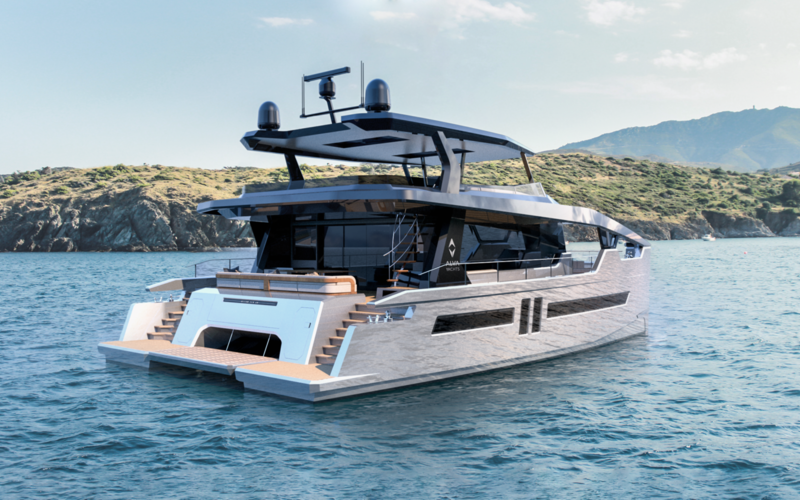

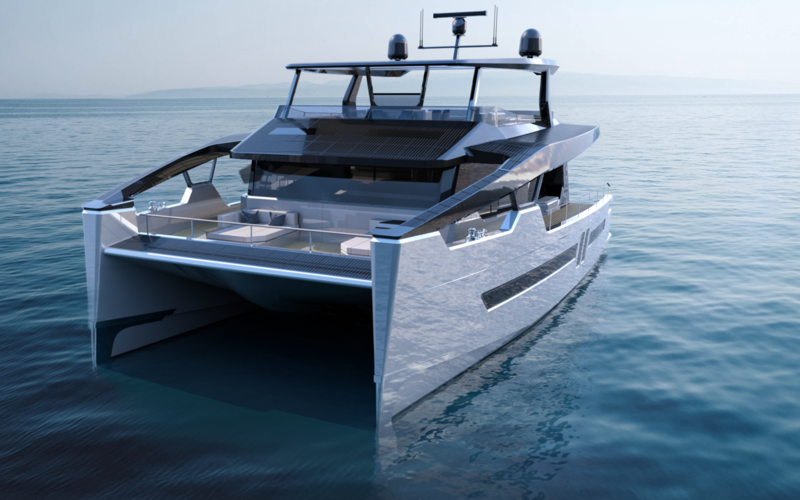
Images have been gathered from various sources and belong to their respective owners.
Review - Alva Ocean ECO 60

MarineBroker
03/08/2024, 11:58 AM
2021 Alva Ocean ECO 60: What Buyers Should Know Before Choosing a Large Electric Catamaran
If you’ve been looking at the 2021 Alva Ocean ECO 60, chances are you’re already interested in the idea of quiet cruising, lower emissions, and a more modern way to enjoy life on the water. That’s a pretty exciting direction to go in. But once the initial wow factor wears off, a practical question usually shows up fast: is this the right boat for the way you actually plan to use it?
That’s the real challenge for many people shopping in this category. A large electric catamaran can sound like the perfect future-proof solution, but the details matter a lot. Range, charging, onboard systems, cruising style, and ownership expectations all play a big role in whether a boat like this fits your needs. If those pieces don’t line up, even a very impressive yacht can become frustrating.
The good news is that the solution is straightforward: focus on how the boat performs in real-world use, not just on specs or headlines. Once you understand the tradeoffs and the best use cases, it becomes much easier to decide whether the 2021 Alva Ocean ECO 60 is a smart fit for your boating plans.
- Why the 2021 Alva Ocean ECO 60 Gets So Much Attention
The 2021 Alva Ocean ECO 60 stands out because it sits in a very specific and fast-growing part of the market: luxury electric cruising. For many boaters, that combination is hard to ignore. It promises a smoother, quieter experience with less reliance on traditional fuel-powered systems.
A 60-foot catamaran already offers a lot of appeal on its own. You get space, stability, and the kind of layout that works well for extended time aboard. Add electric propulsion and solar integration into the mix, and you’ve got a boat that feels very much aligned with the future of recreational boating.
That said, attention doesn’t always equal practicality. Buyers often get drawn in by the concept first, then realize they need to think carefully about:
- How far they want to cruise
- Whether they’ll have access to proper charging
- How often they’ll use high-speed travel
- What kind of onboard comfort they expect
- Whether they need a boat for coastal hops or longer passages
That’s where a more grounded look helps.
- The Real Problem: Matching Electric Yachts to Real Boating Habits
The biggest issue people face when considering a boat like the 2021 Alva Ocean ECO 60 is not whether it’s impressive. It is. The issue is whether an electric yacht matches their actual boating lifestyle.
A lot of buyers are used to thinking in terms of horsepower, fuel range, and marina availability. Electric boating changes that mindset. Instead of simply asking, “How powerful is it?” you need to ask, “How and where will I recharge it?” and “What speed profile makes the most sense for my trips?”
This matters because electric yachts tend to work best when owners are realistic about:
- Short to moderate cruising distances
- Predictable routes
- Access to shore power or charging infrastructure
- A preference for quiet, efficient operation over constant high-speed travel
If someone wants to run long distances at speed every weekend, an electric catamaran may not be the most convenient choice. But if the goal is relaxed coastal cruising, anchoring out, entertaining, and enjoying the journey, the fit can be excellent.
- What Makes the 2021 Alva Ocean ECO 60 Different from Traditional Boats
The 2021 Alva Ocean ECO 60 isn’t just a conventional yacht with a battery pack added on. It’s part of a broader shift in boat design where efficiency and onboard energy management matter just as much as raw performance.
Some of the main differences include:
- Electric propulsion: Instead of relying on diesel engines for most movement, the boat uses electric drive systems.
- Reduced noise and vibration: This changes the entire experience onboard, especially at lower speeds.
- Energy-conscious design: Large solar arrays and efficient systems help support onboard power needs.
- Catamaran stability: Twin-hull design typically provides a steadier platform than many monohulls of similar size.
- Modern lifestyle focus: These boats are often designed around comfort, open living spaces, and quiet operation.
For many people, the appeal is not just environmental. It’s also about the way the boat feels. Electric cruising is calmer. Conversations are easier. Sleeping at anchor can be more peaceful. Even simple things like docking or maneuvering can feel cleaner and more refined.
- Who the 2021 Alva Ocean ECO 60 Is Best Suited For
This is where the decision becomes much clearer. The 2021 Alva Ocean ECO 60 is most compelling for boaters who value efficiency, comfort, and a more relaxed cruising style.
It may be a strong fit if you:
- Prefer coastal cruising over long offshore passages
- Spend a lot of time at anchor or in marinas
- Want quieter operation and less engine noise
- Care about sustainability and reduced fuel use
- Enjoy modern yacht layouts with plenty of open living space
- Have access to reliable charging or solar-supported usage patterns
It may be less ideal if you:
- Need frequent long-range travel without planning stops
- Want maximum speed as a top priority
- Cruise in areas with limited charging infrastructure
- Prefer the simplicity of conventional fuel-powered range
That doesn’t make the boat better or worse. It just means the ownership experience is different. The smartest buyers are the ones who match the boat to their habits instead of trying to force their habits to match the boat.
- 2021 Alva Ocean ECO 60 and the Range Question
One of the first things people ask about any electric yacht is range. That’s completely fair. Range is one of the biggest factors that determines whether electric boating feels freeing or restrictive.
With the 2021 Alva Ocean ECO 60, the key is to understand that range depends heavily on how you operate the boat. Speed has a major impact on energy consumption. Cruising slowly and efficiently can extend your time on the water significantly, while pushing harder will reduce range more quickly.
Here’s the practical takeaway:
- If you cruise at moderate speeds, you’ll usually get the best balance of comfort and efficiency.
- If you plan short hops between anchorages or marinas, the boat can make a lot of sense.
- If you expect the same long-distance flexibility as a traditional diesel yacht, you may be disappointed.
A good way to think about it is this: electric yachts reward planning. They’re not about ignoring range. They’re about using range intelligently.
For buyers, that means looking at real routes, not just brochure numbers. Ask yourself:
- How far do I usually travel in a day?
- Where can I recharge?
- Do I spend more time moving or enjoying the boat while stationary?
If your usage is mostly regional cruising, the range issue becomes much less intimidating.
- Charging and Energy Management: The Part Buyers Often Overlook
Range gets the attention, but charging is the real day-to-day reality. A boat like the 2021 Alva Ocean ECO 60 works best when you have a plan for energy replenishment.
That plan may include:
- Shore power at marinas
- Solar contribution during daylight hours
- Efficient onboard energy use
- Smart scheduling of trips and overnight stays
This is where many buyers either fall in love with the concept or get frustrated by it. If you’re used to pulling into a fuel dock and topping off quickly, electric boating feels different. Charging takes planning and sometimes more time.
The practical solution is to think of energy the same way you think of water or provisioning on a cruising boat. It’s part of the lifestyle. Once that mindset shifts, the boat becomes much easier to enjoy.
A few helpful habits:
- Charge whenever you’re docked, even if you don’t think you need it.
- Avoid unnecessary high-speed runs if you’re conserving battery.
- Use solar and onboard systems efficiently.
- Build a cruising routine around predictable energy use.
For the right owner, this becomes second nature.
- Comfort at Sea: Why Catamaran Design Matters
The catamaran platform is one of the biggest strengths of the 2021 Alva Ocean ECO 60. Even before you get into electric propulsion, a 60-foot catamaran offers a lot of comfort advantages.
Compared with many monohulls, catamarans generally provide:
- Greater stability at anchor
- More usable deck and interior space
- Better separation between living areas
- A flatter ride in many conditions
- A layout that works well for entertaining or family cruising
That matters because comfort is one of the main reasons people move into larger yachts in the first place. If the boat is going to be your second home, liveaboard escape, or extended cruising platform, the interior experience matters almost as much as the propulsion system.
The 2021 Alva Ocean ECO 60 fits especially well for buyers who want:
- Quiet mornings underway
- Spacious social areas
- A smooth, modern onboard feel
- A boat that feels more like a floating retreat than a traditional engine-driven machine
For many owners, that’s the real value.
- Common Mistakes Buyers Make with Electric Yachts
If you’re considering the 2021 Alva Ocean ECO 60, it helps to know where people often go wrong. Most problems come from expectations, not from the boat itself.
Here are a few common mistakes:
1. Buying for the concept instead of the use case
A futuristic boat is exciting, but it still needs to match your cruising style.
2. Underestimating charging needs
Electric boating is easiest when charging access is part of the plan.
3. Expecting constant high-speed performance
Electric yachts are often more about efficiency and experience than speed alone.
4. Ignoring local infrastructure
Some cruising areas are much more electric-boat-friendly than others.
5. Not thinking about ownership routine
The best electric boat owners tend to enjoy planning and energy awareness.
Avoiding these mistakes doesn’t require technical expertise. It just means approaching the purchase like a real-world boating decision instead of a dream purchase.
- How to Decide If the 2021 Alva Ocean ECO 60 Fits Your Needs
If you’re still unsure, a simple decision framework can help.
Ask yourself these questions:
- Do I mostly cruise short to medium distances?
- Am I comfortable planning around charging?
- Do I value quiet operation and smooth rides?
- Is sustainability important to me?
- Do I want a spacious, modern catamaran layout?
- Am I okay with a different ownership rhythm than a diesel yacht?
If you answered yes to most of those, the 2021 Alva Ocean ECO 60 could be a very strong match.
If you answered no to several, that doesn’t mean electric boating is off the table. It may just mean you should compare it against other electric models, hybrid options, or more traditional yachts before deciding.
A sea trial, route planning exercise, and honest conversation about your real cruising habits can be incredibly helpful here. The more practical your evaluation, the better your final choice will be.
- Tips for Getting the Most Out of a Large Electric Catamaran
If you do move forward with a boat like the 2021 Alva Ocean ECO 60, a few habits can make ownership much easier and more enjoyable.
Try these:
- Plan trips around charging opportunities
- Keep speeds moderate when efficiency matters
- Learn how onboard systems affect battery use
- Use anchoring and marina time strategically
- Review weather and route conditions before departure
- Stay flexible with your itinerary
These are good habits for any cruiser, but they matter even more in electric boating. The reward is a calmer, cleaner, more intentional experience on the water.
One of the nicest parts of this style of boating is that it often encourages slower, more thoughtful travel. That can be a real benefit if you’re looking to enjoy the journey instead of rushing through it.
- Why the 2021 Alva Ocean ECO 60 Appeals to the Future of Boating
Boating is changing. Owners are paying more attention to efficiency, environmental impact, and the quality of the onboard experience. The 2021 Alva Ocean ECO 60 fits neatly into that shift.
It represents a move toward:
- Lower-emission cruising
- Cleaner energy use
- Quieter operation
- Smarter onboard systems
- A more lifestyle-driven approach to ownership
That doesn’t mean every boater should rush to buy electric. But it does mean this category is no longer niche in the same way it once was. For the right buyer, it offers a compelling blend of comfort, innovation, and practicality.
And that’s really the key point: the best boat is not always the one with the biggest numbers. It’s the one that makes sense for how you actually want to spend time on the water.
- Conclusion
The 2021 Alva Ocean ECO 60 is an exciting example of where modern boating is headed, but its real value depends on fit. If your cruising style is relaxed, coastal, and comfort-focused, this kind of electric catamaran can make a lot of sense. The main challenge is not the boat itself, but making sure your habits, routes, and charging options line up with what the boat does best.
That’s the practical solution: match the yacht to your real-world use, not just the idea of it. If you do that, you’ll be in a much better position to enjoy the benefits of quiet cruising, efficient operation, and spacious onboard living. For anyone exploring the 2021 Alva Ocean ECO 60, the next step is simple—look closely at your own boating routine and see whether this style of ownership fits the way you really want to travel.
Specifications
General
Boat Type: Power Boats
Class Type: Power Catamaran
Specifications
Length: 60.37
Beam: 33.46
Draft: 3.94
Hull Material: GRP
Build
First Built: 2021
Propulsion
Fuel Type: Hybrid / Electric
Engines: 2
Power: 136 HP
Brand: Unknown
Accomodation
Berths: 3
Cabins: 3
Bathrooms: 6
PROS & CONS
What we appreciated
 Innovative electric propulsion system offering zero emissionsSpacious and modern design with ample living spaceQuiet operation compared to traditional diesel enginesAdvanced solar panels integration for extended rangeHigh-quality build materials ensuring durability and luxury
What we didn’t appreciate
 Higher initial purchase price compared to conventional yachtsLimited charging infrastructure for electric boats in some regionsPotentially reduced range and speed compared to diesel-powered counterpartsBattery weight can affect overall performance and stabilityMaintenance and repair of electric systems may require specialized service
Upkeep Costs
Insurance: $4,000 - $8,000 per year
Maintenance and Repairs: $10,000 - $15,000 per year
Docking/Marina Fees: $5,000 - $12,000 per year
Fuel/Energy Costs: Minimal to none (solar-powered)
Registration and Taxes: $500 - $1,500 per year
Rating
8.3
User
Score
Score
Driveability
Technology
Interior
Design
Similar Boats


MarineBroker
Download now for an immersive boat experience like never before! ⛵✨ Your journey begins with a simple click. 🌊📲
#SetSailSmart #DownloadNow
#SetSailSmart #DownloadNow

Subscribe
Copyright 2017 - 2026, Marinebroker.net, All Rights Reserved