2025 Archipelago 80: What Owners Should Know Before Planning Offshore Cruising
If you’re researching the 2025 Archipelago 80, chances are you’re not just looking for a big multihull—you’re looking for a boat that can actually mak...
Discover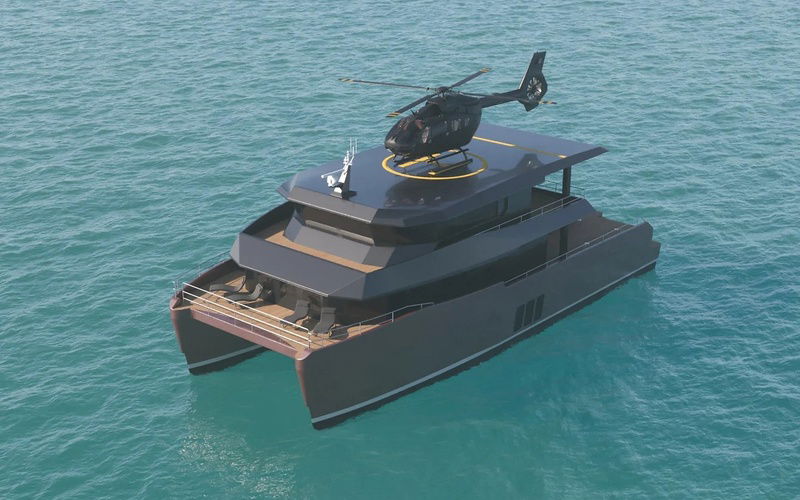

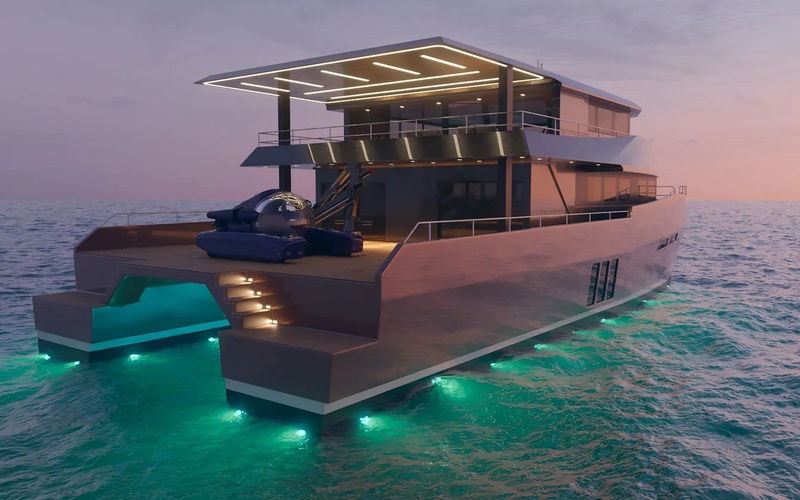
Images have been gathered from various sources and belong to their respective owners.
Review - Archipelago 80

MarineBroker
04/25/2024, 5:42 AM
2025 Archipelago 80: What Owners Should Know Before Planning Offshore Cruising
If you’re researching the 2025 Archipelago 80, chances are you’re not just looking for a big multihull—you’re looking for a boat that can actually make long-distance cruising feel manageable, comfortable, and safe. That’s where the real challenge begins. A catamaran in this size range can offer impressive space and stability, but those same strengths can also create questions: Will it be easy to handle with a small crew? Is the layout practical for real-life passagemaking? How do you make sure a yacht this large stays efficient, seaworthy, and enjoyable instead of becoming a floating project?
Those are the kinds of concerns many serious buyers run into when evaluating an 80-foot cruising catamaran. The good news is that the solution usually isn’t about chasing the most features. It’s about understanding how the boat will be used, what kind of cruising you actually want to do, and which design details matter most for your lifestyle. In this article, we’ll break down the key considerations around the 2025 Archipelago 80, from handling and comfort to offshore readiness and ownership planning, so you can make a smarter, more confident decision.
- Why the 2025 Archipelago 80 Is Getting Attention
The 2025 Archipelago 80 sits in a category that attracts a very specific kind of buyer: someone who wants serious cruising capability without giving up comfort or livability. In this size range, the conversation shifts away from weekend boating and toward extended voyages, liveaboard comfort, and long-range independence.
What makes an 80-foot catamaran appealing is the combination of volume and stability. Compared with a monohull, a multihull of this size can provide a much larger living footprint, better deck space, and a steadier ride at anchor. For many owners, that means less fatigue, more usable space, and a more relaxed onboard routine.
At the same time, bigger is not always easier. A yacht this length needs thoughtful planning in docking, systems management, maintenance, and crew workflow. That’s why the real question is not simply whether the boat is impressive, but whether it fits the way you plan to cruise.
- The Main Problem Buyers Face: Big Boat, Real-World Usability
A lot of people fall in love with the idea of a large cruising catamaran before they’ve fully thought through the day-to-day realities. That’s understandable. The space, the styling, and the offshore image are all compelling.
But the common problem is this: owners often underestimate how much a large yacht depends on smart design and disciplined operation.
Some of the most common pain points include:
- Difficulty docking or maneuvering in tight marinas
- Higher maintenance demands than expected
- Confusion around fuel, water, power, and storage planning
- Crew fatigue on longer passages
- Layouts that look great on paper but don’t work well underway
- Costs that rise quickly if the boat is not managed efficiently
The solution is not to avoid larger yachts altogether. It’s to evaluate them through the lens of real usage. If you’re considering the 2025 Archipelago 80, the smartest approach is to focus on how the boat supports your cruising habits, not just how it looks in a brochure.
- What Makes an 80-Foot Cruising Catamaran Practical
A well-designed cruising catamaran should make life easier, not more complicated. That’s especially true at the 80-foot level, where the boat needs to balance luxury, performance, and manageable operation.
Here are the main factors that matter most.
- Handling and Crew Requirements
One of the biggest advantages of a multihull is stability, but an 80-foot boat still requires competence. Even with modern systems, owners need to think carefully about whether they’ll cruise with a professional crew, a couple, or a larger family group.
A practical setup should support:
- Clear sightlines from the helm
- Easy access to controls and winches
- Good deck flow for line handling
- Systems that reduce workload during docking and anchoring
If a boat is too complex to operate comfortably, it can quickly turn from a dream into a burden. The best large cruising yachts are the ones that simplify routine tasks.
- Space That Actually Works
Volume is one of the biggest selling points of a catamaran, but usable space matters more than raw square footage. A boat can feel huge and still be awkward if the layout doesn’t support how people move and live onboard.
Look for:
- Social spaces that don’t interfere with navigation or safety
- Cabins with proper privacy and ventilation
- Storage that is accessible, not just abundant
- Galley placement that works for underway and at-anchor use
- Outdoor areas that are protected from sun and spray
For long trips, the details matter. A comfortable salon is nice, but a well-placed locker, a practical laundry setup, and an efficient galley can make daily life much smoother.
- Offshore Readiness
If your plans include extended coastal cruising or passagemaking, the boat’s offshore capability becomes a top priority. A large cruising catamaran should be more than a floating apartment. It needs to be built for changing weather, long distances, and self-sufficiency.
Important offshore considerations include:
- Fuel range and reserve capacity
- Water storage and purification options
- Battery capacity and charging systems
- Redundant navigation and communication equipment
- Safe access to engines, bilges, and critical systems
- Protection from weather at helm and cockpit
A lot of owners focus on speed or interior design first, but offshore confidence comes from systems reliability. The more self-contained the boat is, the more freedom you’ll have.
- 2025 Archipelago 80 and the Importance of Smart Layout Choices
When people search for the 2025 Archipelago 80, they’re often trying to understand whether the boat’s layout makes sense for their lifestyle. That’s a smart place to start, because layout has a huge impact on how the boat feels after the excitement wears off.
The right layout depends on how you plan to use the yacht.
- For couple cruising:
- Prioritize easy movement between helm, galley, and cockpit
- Choose a layout with a private owner’s suite and practical guest cabins
- Focus on low-stress systems and simple watchstanding
- For family cruising:
- Look for safe circulation paths
- Make sure cabins are separated enough for privacy
- Consider storage for toys, provisions, and water gear
- For entertaining:
- Open social spaces matter
- Indoor-outdoor flow should feel natural
- Seating and dining areas should support long meals and gatherings
The best layout is the one that reduces friction in daily life. On a boat this size, even small design choices can have a big effect.
- How to Avoid Common Ownership Mistakes
Buying a large catamaran is exciting, but there are a few mistakes that can cost time, money, and enjoyment later. The good news is that most of them are avoidable with a little planning.
- Mistake 1: Choosing features over function
It’s easy to get distracted by luxury finishes, large cabins, or flashy electronics. But if the basic systems are hard to access or the boat is awkward to operate, those extras won’t matter much.
Better approach:
- Prioritize ergonomics
- Check maintenance access
- Test docking visibility
- Ask how systems are serviced
- Mistake 2: Underestimating operating costs
An 80-foot yacht naturally comes with higher costs for docking, insurance, maintenance, and crew. Even if the boat is efficient, the scale of ownership still matters.
Better approach:
- Build a realistic annual budget
- Include haul-out, service intervals, and spares
- Plan for fuel, cleaning, and wear items
- Mistake 3: Ignoring your cruising style
A yacht that is perfect for island-hopping may not be ideal for offshore passages. Likewise, a boat designed for charter-style entertaining may not suit a quiet couple’s liveaboard lifestyle.
Better approach:
- Define your cruising pattern first
- Match the boat to your actual use case
- Think about where you’ll spend most of your time onboard
- Mistake 4: Forgetting dockside logistics
A large catamaran can be a joy at sea and a headache in a marina if you don’t plan ahead. Beam, draft, and berth availability all matter.
Better approach:
- Research marina options before buying
- Confirm docking requirements
- Consider whether you’ll use a captain or crew
- Practical Ways to Evaluate the 2025 Archipelago 80
If you’re seriously considering the 2025 Archipelago 80, a structured evaluation process will help you separate excitement from reality. Here’s a simple way to approach it.
- Step 1: Define your mission
Ask yourself:
- Will you cruise locally or offshore?
- Will you live aboard full time?
- How many people will regularly be onboard?
- Will you handle the boat yourself or with crew?
Your answers should shape every other decision.
- Step 2: Walk the boat like a crew member
Don’t just admire the interior. Move through the boat as if you’re preparing for a passage or a busy anchorage.
Check:
- Line handling paths
- Access to engines and systems
- Sightlines from helm and cockpit
- Storage for safety gear
- Ease of boarding from dinghy or dock
- Step 3: Think about daily routines
A boat is only as comfortable as the routines it supports. Imagine a normal day onboard:
- Making breakfast
- Handling laundry
- Charging devices
- Stowing provisions
- Anchoring in a crowded bay
- Sleeping through a windy night
If the layout supports those tasks without hassle, that’s a strong sign.
- Step 4: Review systems reliability
Large yachts depend on systems that often go unnoticed until something fails. Pay attention to the basics:
- Electrical capacity
- Watermaker performance
- HVAC efficiency
- Steering and propulsion access
- Redundancy for navigation and communication
Reliability is not glamorous, but it’s what makes cruising enjoyable.
- Why Comfort and Efficiency Matter More Than Flash
It’s tempting to focus on the “wow” factor of a large yacht, especially one as capable as the 2025 Archipelago 80. But experienced boaters know that comfort and efficiency are what truly shape the ownership experience.
Comfort means:
- Less fatigue underway
- Better sleep at anchor
- Easier movement onboard
- More enjoyable time with guests or family
Efficiency means:
- Lower workload
- Better fuel and power management
- Easier maintenance
- More consistent long-term use
These two qualities are connected. A boat that is efficient to run usually feels more comfortable because everything is simpler, cleaner, and more predictable.
- Who the 2025 Archipelago 80 May Suit Best
This kind of yacht is generally best suited to buyers who want more than occasional day trips. It tends to appeal to people with a serious cruising mindset.
It may be a strong fit if you:
- Want extended time on the water
- Value stability and onboard space
- Plan to cruise with family or guests
- Prefer a modern multihull lifestyle
- Are ready for the responsibilities of a large yacht
It may be less ideal if you:
- Want very simple, low-cost ownership
- Prefer easy trailerable or marina-light boating
- Don’t need the volume of an 80-footer
- Are not prepared for systems management and upkeep
There’s nothing wrong with either path. The key is matching the boat to the life you want, not the other way around.
- Final Thoughts on Making the Right Decision
The 2025 Archipelago 80 represents the kind of yacht that can open the door to ambitious cruising, generous living space, and a more comfortable life on the water. But like any large multihull, its true value depends on how well it fits your plans, your crew, and your expectations.
The smartest buyers focus on usability first: handling, layout, systems, and real-world ownership costs. When those pieces line up, a boat of this size can be a genuinely rewarding platform for coastal cruising or offshore adventure. If you’re still comparing options, take time to study how different layouts and system packages affect daily life onboard. That extra research can make all the difference once you’re actually out on the water.
Specifications
General
Boat Type: Power Boats
Class Type: Power Catamaran
Specifications
Length: 78.74
Beam: 34.45
Draft: 3.94
Hull Material: Aluminium
Build
First Built: 2025
Propulsion
Fuel Type: Diesel
Engines: 1
Power: 0 HP
Brand: Unknown
Accomodation
Berths: 12
Cabins: 6
PROS & CONS
What we appreciated
 Spacious and luxurious interior with high-end finishesAdvanced navigation and control systems for ease of handlingPowerful twin-engine setup providing excellent performanceAmple outdoor living and entertainment areasState-of-the-art safety features and stability enhancements
What we didn’t appreciate
 High purchase price compared to similar-sized yachtsSignificant maintenance and operating costsRequires experienced crew for optimal operationLimited availability and longer delivery timesLarge size may restrict access to smaller marinas
Upkeep Costs
Insurance: $12,000 per year
Maintenance and Repairs: $25,000 per year
Docking and Storage: $18,000 per year
Fuel: $15,000 per year
Crew Salaries: $120,000 per year
Rating
8.9
User
Score
Score
Driveability
Technology
Interior
Design
Similar Boats


MarineBroker
Download now for an immersive boat experience like never before! ⛵✨ Your journey begins with a simple click. 🌊📲
#SetSailSmart #DownloadNow
#SetSailSmart #DownloadNow

Subscribe
Copyright 2017 - 2026, Marinebroker.net, All Rights Reserved