2013 Alubat Cigale 14: What to Check Before Buying and How to Judge if It’s the Right Bluewater Cruiser
If you’re looking at a 2013 Alubat Cigale 14, you’re probably already thinking beyond just “nice boat.” This is the kind of y...
Discover

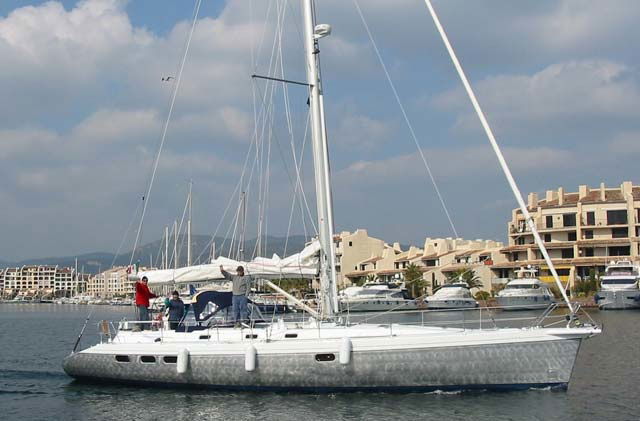
Images have been gathered from various sources and belong to their respective owners.
Review - Alubat Cigale 14

MarineBroker
02/21/2024, 5:55 AM
2013 Alubat Cigale 14: What to Check Before Buying and How to Judge if It’s the Right Bluewater Cruiser
If you’re looking at a 2013 Alubat Cigale 14, you’re probably already thinking beyond just “nice boat.” This is the kind of yacht people consider for serious cruising, offshore passages, and long-term ownership. And that’s exactly why the decision can feel a little tricky.
The main problem isn’t usually whether the Cigale 14 is a capable boat — it is. The real challenge is figuring out whether a specific used example has been maintained well enough to match the boat’s reputation. On a yacht like this, the details matter: hull condition, rigging age, keel structure, deck fittings, systems upgrades, and the quality of previous ownership can make a huge difference.
That’s where a smart, practical approach helps. Instead of just admiring the design or chasing the right price, you want to know what to inspect, what to budget for, and how to tell if the boat is truly ready for offshore use. In this article, we’ll walk through the key things to know about the 2013 Alubat Cigale 14, the most common buying concerns, and how to evaluate whether it’s the right fit for your cruising plans.
- Why the 2013 Alubat Cigale 14 stands out
The Alubat Cigale 14 is part of a respected line of aluminum cruising yachts designed for sailors who want strength, seaworthiness, and long-range capability. Built by Alubat in France, the Cigale range is known for offshore performance and a practical bluewater layout.
For many buyers, the appeal of the 2013 Alubat Cigale 14 is simple:
- Aluminum construction for durability and confidence offshore
- A proven design with a strong cruising reputation
- Good balance between performance and comfort
- Serious passagemaking potential without moving into very large yacht territory
That combination makes it attractive to experienced sailors, couples planning extended cruising, and owners who want a yacht that can handle demanding conditions. But because it’s a performance-oriented bluewater cruiser, it also requires a more careful inspection than many mainstream production boats.
- The real problem: used bluewater boats can hide expensive issues
When people search for a used offshore yacht like the 2013 Alubat Cigale 14, the biggest risk is not the asking price. It’s buying a boat that looks ready but has hidden maintenance debt.
That debt can show up in a few ways:
- Standing rigging nearing the end of its service life
- Worn chainplates, fittings, or deck hardware
- Corrosion around aluminum structures or fittings
- Old electronics that no longer suit offshore cruising
- Water intrusion around hatches, ports, or deck penetrations
- Aging sails, batteries, pumps, or steering components
On a boat built for bluewater use, these issues matter more because offshore reliability is the whole point. A small problem on a coastal cruiser can become a serious headache at sea.
So the solution is not just “find a good surveyor.” It’s to understand the boat’s systems well enough to ask the right questions and judge the answers clearly.
- What makes the 2013 Alubat Cigale 14 worth a closer look
Before getting into inspection tips, it helps to understand why this model gets attention in the first place.
The Cigale 14 is designed with offshore sailing in mind. That usually means:
- A strong, practical hull structure
- A layout built for long passages
- Good storage and tankage for cruising
- A rig and sail plan aimed at balance and efficiency
- Systems that support self-sufficiency
For sailors who want to cross oceans or spend long periods away from marinas, these features are more than nice extras. They’re part of what makes the boat useful.
The 2013 build year also places it in a sweet spot for many buyers. It’s new enough that you may find modern equipment and a more refined interior than older examples, but old enough that you need to verify maintenance history carefully.
- First question to ask: how was the boat actually used?
This is one of the most important things to understand on any used cruiser.
A 2013 Alubat Cigale 14 that spent years in careful private ownership may be in much better shape than one that was heavily used for charter or pushed hard without proper upkeep. Usage history tells you a lot about wear patterns.
Ask yourself:
- Was the boat used for offshore passages or mostly coastal sailing?
- Did it spend long periods in the water or on the hard?
- How many owners has it had?
- Are maintenance records complete?
- Has it been upgraded for modern cruising, or is it largely original?
A well-documented boat is easier to trust. Even if it needs work, you can plan for it. A poorly documented boat can hide surprises that become costly fast.
- Key inspection areas on a 2013 Alubat Cigale 14
If you’re evaluating this model, focus on the big-ticket areas first. These are the systems most likely to affect safety, reliability, and ownership cost.
- Hull and aluminum structure
Since Alubat is known for aluminum construction, the hull should be a major point of inspection. Aluminum is strong and durable, but it still deserves close attention.
Look for:
- Signs of corrosion, especially around fittings and dissimilar metals
- Repairs or modifications that may not have been done properly
- Damage from grounding or hard impacts
- Condition of coatings, insulation, and interior finishing around structure
- Any evidence of water trapped in inaccessible areas
Pay special attention to areas where stainless steel, fasteners, or other metals meet the aluminum structure. Poor isolation between metals can create corrosion problems over time.
- Rigging and mast system
For an offshore boat, the rig is not something to “sort out later.” It’s central to safety.
Check:
- Standing rigging age and replacement history
- Chainplates and mast step condition
- Spreaders, tangs, and fittings
- Mast wiring and internal corrosion
- Condition of turnbuckles and terminals
- Any signs of leaks around deck penetrations
If the standing rigging is near the end of its service life and there’s no clear replacement record, budget for replacement soon. That’s not optional on a serious cruising boat.
- Keel, rudder, and steering
The keel and steering system deserve a very careful look, especially on a boat intended for offshore work.
Inspect:
- Keel attachment area
- Evidence of grounding or repair
- Rudder bearings and stock condition
- Steering cables, quadrant, or hydraulic components
- Play, stiffness, or unusual noise in the helm
A small amount of wear can be normal. Excessive play is not. Steering problems become much more serious offshore, where a reliable helm is essential.
- Deck gear and load-bearing hardware
On a cruising yacht, deck hardware gets used hard. Winches, cleats, tracks, and blocks all matter.
Check:
- Winch smoothness and service history
- Condition of halyard and sheet leads
- Stanchions and lifeline attachments
- Anchor gear and bow fitting
- Signs of deck leaks around fittings
If you notice moisture around deck hardware, don’t ignore it. Water intrusion can lead to hidden structural issues, especially around cored or reinforced areas.
- Engine and propulsion
Even sailboats depend on their engine more than many people expect. Docking, motoring in calms, charging batteries, and emergency maneuvering all rely on it.
Ask about:
- Engine hours and service records
- Cooling system maintenance
- Fuel tank condition and cleanliness
- Shaft, cutlass bearing, and prop condition
- Exhaust system age
- Spare parts availability
A well-maintained engine is a huge plus. A neglected one can quickly become one of the biggest expenses in the purchase.
- Electrical and energy systems
For long-range cruising, electrical reliability matters a lot. Many older boats have been upgraded over time, but the quality of those upgrades varies widely.
Look for:
- Clean wiring and labeled circuits
- Battery age and type
- Solar, wind, or charging upgrades
- Inverter and charger condition
- Navigation electronics age
- Evidence of DIY work done neatly and safely
A messy electrical system is often a warning sign. A well-organized one suggests the owner cared about long-term reliability.
- Interior condition and practical livability
The Cigale 14 is not just about performance. It also needs to work as a real cruising home.
Pay attention to:
- Ventilation and moisture control
- Storage layout
- Galley usability at sea
- Berth comfort and sea berth arrangement
- Head and shower function
- Signs of leaks, mold, or hidden dampness
A boat can look beautiful in the marina and still be frustrating offshore. Think about how you’ll actually live on it for weeks or months at a time.
- Common buyer mistakes to avoid
People often get excited about a high-quality yacht and rush the process. That’s understandable, but it can lead to expensive mistakes.
Here are the most common ones:
- Focusing too much on cosmetics
- Assuming a premium boat means low maintenance
- Ignoring rigging age because the boat “looks fine”
- Not checking upgrade quality
- Skipping a sea trial
- Failing to estimate refit costs realistically
A boat like the 2013 Alubat Cigale 14 can be a fantastic choice, but only if you assess it as a system, not just as a brand or model.
- How to solve the problem: use a simple evaluation method
The best way to avoid surprises is to evaluate the boat in layers. Start with the big safety and structural items, then move to systems, then comfort and cosmetics.
Here’s a practical process:
1. Review records first
Ask for maintenance logs, invoices, survey reports, and upgrade lists.
2. Inspect the high-risk areas
Focus on rigging, keel, steering, engine, and electrical systems before details like upholstery.
3. Get a proper survey
Use a surveyor experienced with aluminum offshore yachts if possible.
4. Sea trial the boat
Watch how she handles under sail and power. Listen for unusual noises and check system behavior under load.
5. Budget for immediate work
Even a good boat may need sails, batteries, rigging, or electronics updates.
This method keeps you grounded. Instead of buying on emotion, you’re making a decision based on evidence.
- What upgrades may matter most on a 2013 Alubat Cigale 14
If the boat is structurally sound, the next question is whether it’s been updated for modern cruising needs.
Useful upgrades often include:
- Newer navigation electronics
- Modern autopilot system
- Solar charging setup
- Lithium or upgraded battery bank
- Fresh standing and running rigging
- Updated sails
- Improved anchoring gear
- Better watermaking or refrigeration systems for liveaboard use
Not every upgrade is necessary, but some can dramatically improve comfort and reliability. The key is to separate “nice to have” from “must have.”
For example, a newer chartplotter is helpful. Fresh rigging is essential if the old set is nearing replacement age.
- Is the 2013 Alubat Cigale 14 right for you?
This boat makes the most sense if you want a serious cruising platform and you’re comfortable with the responsibilities that come with it.
It may be a strong fit if you:
- Plan offshore passages or long-distance cruising
- Value aluminum construction and durability
- Want a yacht with real bluewater credentials
- Prefer performance with practical comfort
- Are willing to maintain a more complex boat properly
It may be less ideal if you want:
- A low-maintenance weekend boat
- A simple coastal cruiser with minimal systems
- A yacht that needs little technical oversight
- Something that can be owned casually without regular attention
In other words, the 2013 Alubat Cigale 14 rewards informed owners. It’s built for people who want capability and are prepared to look after it.
- Questions to ask before making an offer
Before you commit, ask the seller or broker these questions:
- When were the standing rigging and sails last replaced?
- Has the boat ever grounded or been damaged?
- What major upgrades have been done in the last five years?
- Are there full service records for the engine and systems?
- Has the boat been used offshore recently?
- Are there any known issues with corrosion, leaks, or steering?
Clear answers are a good sign. Vague or incomplete answers usually mean you need to dig deeper.
- Final thoughts on ownership costs
One of the smartest things you can do is think beyond the purchase price.
A used offshore yacht like the 2013 Alubat Cigale 14 may require:
- Survey and haul-out costs
- Rigging replacement
- Sail replacement
- Electronics upgrades
- Safety gear updates
- Routine engine and system servicing
That doesn’t mean the boat is a bad value. It just means the real cost of ownership includes bringing the boat up to your standard.
If the asking price leaves room for necessary updates, that’s often better than paying more for a boat that still needs the same work.
The 2013 Alubat Cigale 14 has a lot going for it: strong construction, offshore credibility, and the kind of practical design serious sailors appreciate. But the key to making a smart decision is not falling in love too quickly. Focus on records, structure, rigging, and systems, then judge the boat as a complete package. If those areas check out, you may be looking at a very capable bluewater cruiser. If you’re still researching, keep comparing survey notes, ownership history, and real-world cruising setups so you can buy with confidence.
Specifications
General
Boat Type: Sail Boats
Class Type: Cruiser
Specifications
Length: 48.13
Beam: 14.44
Draft: 7.22
Hull Material: Aluminium
Build
First Built: 2013
Propulsion
Fuel Type: Diesel
Engines: 1
Power: 0 HP
Brand: Unknown
Accomodation
PROS & CONS
What we appreciated
 High-quality aluminum hull offering excellent durability and corrosion resistanceLightweight construction contributing to good speed and performanceGood handling characteristics in various sea conditionsSpacious cockpit and comfortable deck layoutLow maintenance requirements compared to traditional fiberglass boats
What we didn’t appreciate
 Limited interior space due to lightweight designHigher initial purchase price compared to similar-sized fiberglass boatsAluminum hull can be noisier in rough seasLess availability of aftermarket accessories compared to more common brandsPotential for dents or dings from impacts due to aluminum construction
Upkeep Costs
Annual maintenance and repairs: $1,500 - $3,000
Docking and mooring fees: $1,200 - $4,000 per year
Insurance: $800 - $1,500 per year
Winter storage and haul-out: $500 - $1,500 per year
Fuel and engine running costs: $300 - $700 per year

Rating
7.6
User
Score
Score
Driveability
Technology
Interior
Design
Similar Boats


MarineBroker
Download now for an immersive boat experience like never before! ⛵✨ Your journey begins with a simple click. 🌊📲
#SetSailSmart #DownloadNow
#SetSailSmart #DownloadNow

Subscribe
Copyright 2017 - 2026, Marinebroker.net, All Rights Reserved