Boat Type: Power Boats
Boat Class: Trawler
Length: 51.51 ft
Berths: 6
Cabins: 3
Bathrooms: 2
Max Persons: 16
2013 Adagio 51,5: What to Check Before Buying and How to Avoid Costly Surprises
If you’re looking at a 2013 Adagio 51,5, you’re probably already attracted to the idea of a comfortable, capable cruiser with plenty of space and a s...
Discover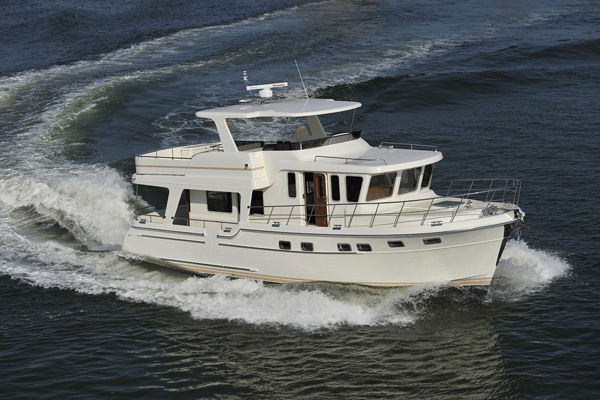
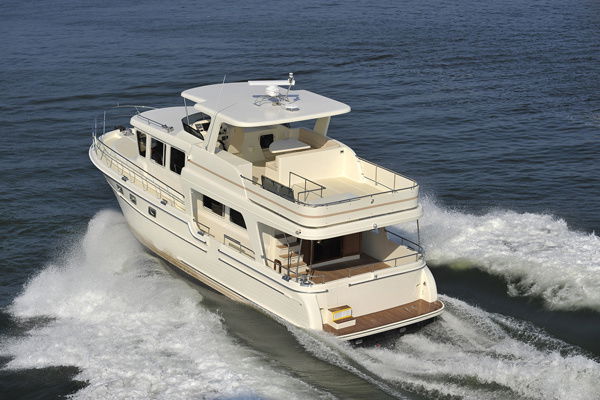
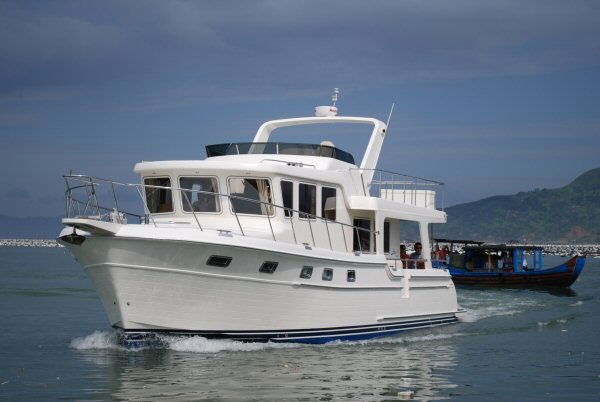
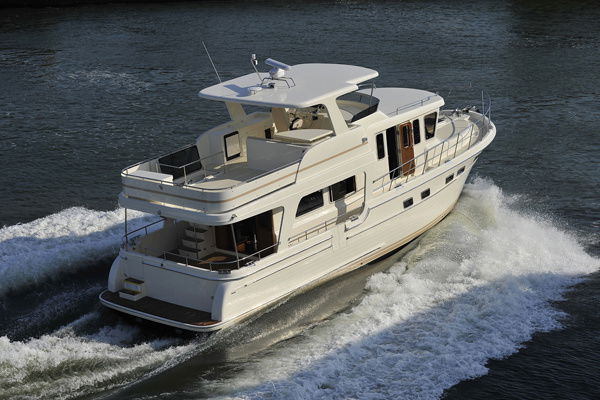
Images have been gathered from various sources and belong to their respective owners.
Review - Adagio 51,5

MarineBroker
01/19/2024, 11:56 AM
2013 Adagio 51,5: What to Check Before Buying and How to Avoid Costly Surprises
If you’re looking at a 2013 Adagio 51,5, you’re probably already attracted to the idea of a comfortable, capable cruiser with plenty of space and a strong long-range feel. That makes sense. Boats in this size and style often appeal to people who want more than a weekend toy—they want a floating home that can handle extended trips, relaxed living, and confident cruising.
But here’s the part many buyers learn too late: a boat like the 2013 Adagio 51,5 can look great on paper and still hide expensive issues beneath the surface. Age, maintenance history, systems wear, and previous use matter a lot more than the model name alone. The real challenge is not just finding the right boat, but knowing what to inspect so you don’t inherit someone else’s problems.
The good news is that most major risks can be reduced with a smart, methodical approach. If you know what to look for, what questions to ask, and which systems deserve extra attention, you can make a much more confident decision and enjoy the boat for what it should be: a comfortable, capable cruiser with fewer surprises.
- Why the 2013 Adagio 51,5 attracts buyers
The 2013 Adagio 51,5 appeals to a very specific kind of boater. It’s the kind of vessel people often consider when they want a mix of comfort, volume, and practical cruising ability.
For many buyers, the main draws are:
- A spacious layout with liveaboard potential
- A stable platform for longer trips
- A design that often emphasizes comfort over speed
- A reputation for being suited to relaxed coastal or inland cruising
That said, boats in this category are usually not bought on impulse. Buyers tend to compare condition, equipment, maintenance records, and how the boat was used. A well-kept example can be a very satisfying ownership experience. A neglected one can become a constant project.
So the real question becomes: how do you tell the difference?
- The most common problem buyers face with a 2013 Adagio 51,5
The biggest issue is usually hidden maintenance debt.
That means the boat may look presentable, but key systems have not been serviced properly, upgraded when needed, or repaired after wear and tear. On a 2013 vessel, that can show up in several ways:
- Aging electronics
- Worn seals and fittings
- Corrosion in electrical components
- Outdated navigation gear
- Mechanical systems that need overdue service
- Interior moisture or ventilation issues
- Evidence of cosmetic refreshes that hide deeper neglect
This is especially important because a boat’s visible condition does not always reflect its technical condition. Fresh upholstery or a polished hull can make a vessel feel well cared for, while the engine room, wiring, plumbing, or deck hardware may tell a very different story.
In other words, the problem is not necessarily the 2013 Adagio 51,5 itself. The problem is buying one without verifying the real condition behind the finish.
- What to inspect first on a 2013 Adagio 51,5
If you’re evaluating one of these boats, start with the systems that are most expensive to repair later.
- Engine and propulsion
Check service records first. Then inspect for leaks, abnormal noise, vibration, smoke, or poor startup behavior. If the boat has twin engines or a complex propulsion setup, that doubles the importance of maintenance history.
Ask questions like:
- When were the last oil and filter changes?
- Has the cooling system been serviced?
- Are belts, hoses, and impellers current?
- Any history of overheating?
- Has the boat had long periods of inactivity?
A clean engine room is nice, but documentation matters more.
- Electrical system
Electrical issues are among the most frustrating problems on older boats. They can be intermittent, hard to diagnose, and surprisingly expensive if the wiring has been modified over time.
Look for:
- Corrosion on terminals and breakers
- Loose or messy wiring
- Non-original additions without clear labeling
- Battery age and type
- Charging system performance
- Inverter or generator condition, if fitted
A boat from 2013 may still have good electrical infrastructure, but only if it has been maintained with care.
- Hull and deck
Check for cracks, soft spots, water intrusion, and signs of past repairs. Pay close attention around:
- Windows and hatches
- Rail bases
- Cleats and deck fittings
- Mooring points
- Areas around penetrations and hardware
Water ingress often starts small and becomes expensive over time. It can also lead to hidden structural damage or interior moisture problems.
- Interior moisture and ventilation
A boat that has sat unused or poorly ventilated can develop mold, musty odors, stained liners, or hidden dampness. This is more than a comfort issue. Moisture can damage materials, fittings, insulation, and electrical components.
Open lockers, check under berths, and inspect around windows and corners. If the boat smells damp, don’t ignore it.
- Navigation and onboard electronics
Technology ages quickly on boats. Even if the systems still function, they may be outdated, unsupported, or difficult to integrate with modern equipment.
Check whether the boat has:
- Working chartplotters
- Reliable radar, if installed
- Functional autopilot
- Updated displays
- Properly integrated sensors and alarms
If electronics are old, factor replacement costs into your decision early.
- Why maintenance history matters more than hours alone
Many buyers focus too much on engine hours, but hours only tell part of the story.
A well-maintained boat with moderate to high hours can often be a better buy than a low-hour boat that sat unused for long stretches. Boats that sit can develop:
- Stale fuel problems
- Seized components
- Dry seals
- Battery deterioration
- Corrosion from inactivity
For a 2013 Adagio 51,5, the ideal scenario is not just “low hours.” It’s:
- Regular servicing
- Clear records
- Evidence of proper winterization or storage
- Prompt attention to small repairs
- Consistent use without abuse
If the owner can show receipts, service logs, and a realistic maintenance routine, that is often worth more than a vague claim that the boat was “lightly used.”
- How to spot a boat that has been cared for properly
A well-maintained boat usually gives itself away in small ways.
Look for signs such as:
- Clean engine spaces
- Organized wiring and labeling
- Matching service records
- Fresh but not overdone cosmetic work
- Working pumps, lights, and switches
- Smooth operation of doors, hatches, and windows
- No strong fuel, mildew, or sewage smells
On the other hand, warning signs include:
- Fresh paint hiding corrosion
- New cushions but neglected systems
- Missing manuals or records
- Non-functioning gauges
- Water stains near ceilings or cabinetry
- “Temporary fixes” that seem to have lasted too long
A boat does not need to be perfect. But if the visible care does not extend to the systems, that’s a red flag.
- The practical solution: use a layered inspection process
The best way to solve the buying problem is to avoid relying on a single impression. Instead, use a layered approach.
- Step 1: Review the paperwork
Before you get too excited, ask for:
- Ownership history
- Maintenance logs
- Engine service records
- Repair invoices
- Upgrades list
- Survey reports, if available
This step saves a lot of time. If the paperwork is incomplete or vague, proceed carefully.
- Step 2: Do a visual walk-through
Walk the boat slowly and look for clues. Don’t rush. Check whether the boat seems cared for or merely cleaned up for sale.
Focus on:
- Bilges
- Engine room
- Window seals
- Deck fittings
- Battery compartments
- Plumbing access points
You’re not just checking appearance. You’re checking honesty.
- Step 3: Test everything
Turn on and test:
- Lights
- Pumps
- Electronics
- Air conditioning or heating
- Toilets
- Water systems
- Engines
- Thrusters, if present
A lot of problems only show up when systems are running. If the seller resists testing, that’s usually a bad sign.
- Step 4: Hire a qualified surveyor
This is one of the smartest moves you can make. A marine surveyor can identify issues that a casual buyer will miss, especially structural, electrical, and moisture-related concerns.
For a boat like the 2013 Adagio 51,5, a survey is not just a formality. It’s often the difference between a confident purchase and an expensive mistake.
- Step 5: Budget for immediate post-purchase work
Even a good boat may need a few items right away. Plan for things like:
- Battery replacement
- Hose and clamp updates
- Safety gear refresh
- Antifouling
- Filter changes
- Minor seal repairs
- Electronics updates
This helps you avoid the common trap of spending your full budget on the purchase price and then running out of room for the first round of maintenance.
- What ownership costs can surprise first-time buyers
The purchase price is only part of the story. Many owners underestimate the ongoing costs of a boat in this class.
Common surprises include:
- Docking or mooring fees
- Insurance
- Fuel
- Routine servicing
- Bottom cleaning and antifouling
- Winter storage or haul-out
- Replacement of aging electronics
- Upholstery or interior repairs
- Safety equipment renewal
If you’re considering a 2013 Adagio 51,5, it’s smart to think in terms of total ownership cost, not just acquisition cost. A boat with a slightly higher purchase price but better maintenance may actually be cheaper over time.
- Who the 2013 Adagio 51,5 is best suited for
This kind of boat tends to make the most sense for buyers who value comfort, space, and relaxed cruising over speed or simplicity.
It may be a good fit if you want:
- A practical cruising platform
- Room for family or guests
- The possibility of longer stays aboard
- A boat that feels more like a small home
- A vessel suited to calm, steady travel
It may be less ideal if you want:
- Minimal upkeep
- High-performance handling
- Very low operating costs
- A simple day boat experience
That doesn’t make it a bad boat. It just means expectations should match the design and ownership reality.
- Smart questions to ask the seller
Before making an offer, ask direct but polite questions.
Useful questions include:
- How long have you owned the boat?
- What has been replaced or upgraded recently?
- When was the last full engine service?
- Has the boat been stored indoors or outdoors?
- Are there any known issues right now?
- Has it ever had water intrusion?
- Are all manuals and receipts available?
- Why are you selling?
The answers matter, but so does how the seller answers. Clear, specific responses usually inspire more confidence than vague reassurances.
- Final buying tip: don’t fall in love too early
This is probably the most important lesson.
A boat like the 2013 Adagio 51,5 can be easy to admire because of its size, layout, and cruising appeal. But once a buyer gets emotionally attached, it becomes harder to walk away from warning signs.
Try to stay objective. Compare several boats if possible. Let the inspection guide your decision, not just the first impression. A good deal is one that still feels good after the survey, not just during the viewing.
- Conclusion
The 2013 Adagio 51,5 can be a very appealing choice for buyers who want comfort, space, and capable cruising potential. But like any boat of this age, the real value depends on condition, maintenance, and how carefully it has been looked after. The most common problem is not a single defect—it’s hidden neglect across systems that are expensive to fix later.
The best solution is a disciplined buying process: review records, inspect key systems, test everything, and bring in a qualified surveyor. That approach helps you separate a well-kept boat from one that only looks ready. If you’re serious about this model, take your time and gather the facts first. A careful purchase now can lead to years of much more enjoyable boating later.
Specifications
General
Boat Type: Power Boats
Class Type: Trawler
Specifications
Length: 51.51
Beam: 14.76
Draft: 4.43
Hull Material: GRP
Build
First Built: 2013
Propulsion
Fuel Type: Diesel
Engines: 2
Power: 435 HP
Brand: Volvo Penta
Accomodation
Berths: 6
Cabins: 3
Bathrooms: 2
PROS & CONS
What we appreciated
 Spacious interior layout suitable for comfortable cruisingSolid build quality with durable materialsEfficient sail plan offering good performanceWell-equipped with modern navigation and onboard systemsGood storage capacity for extended trips
What we didn’t appreciate
 Older model, may require some updates to electronicsHeavier displacement can affect speed in light windsMaintenance costs can be higher due to ageLimited resale market compared to newer modelsPotential for outdated interior design compared to newer yachts
Upkeep Costs
Insurance: $1,500 - $3,000 per year
Maintenance and Repairs: $5,000 - $8,000 per year
Storage and Mooring Fees: $3,000 - $6,000 per year
Fuel Costs: $2,000 - $4,000 per year
Registration and Licensing: $200 - $500 per year
Rating
7.0
User
Score
Score
Driveability
Technology
Interior
Design
Similar Boats


MarineBroker
Download now for an immersive boat experience like never before! ⛵✨ Your journey begins with a simple click. 🌊📲
#SetSailSmart #DownloadNow
#SetSailSmart #DownloadNow

Subscribe
Copyright 2017 - 2026, Marinebroker.net, All Rights Reserved