Boat Database » Albatross 871 Flying
Albatross 871 Flying
Inboard Direct-Drive, Diesel, 1x 110 HP
Power Boats 2003 Albatross 871 Flying: What Buyers and Owners Should Know Before You Commit
If you’ve been searching for information on the 2003 Albatross 871 Flying, you’re probably trying to answer a very practical question: is this boat a...
Discover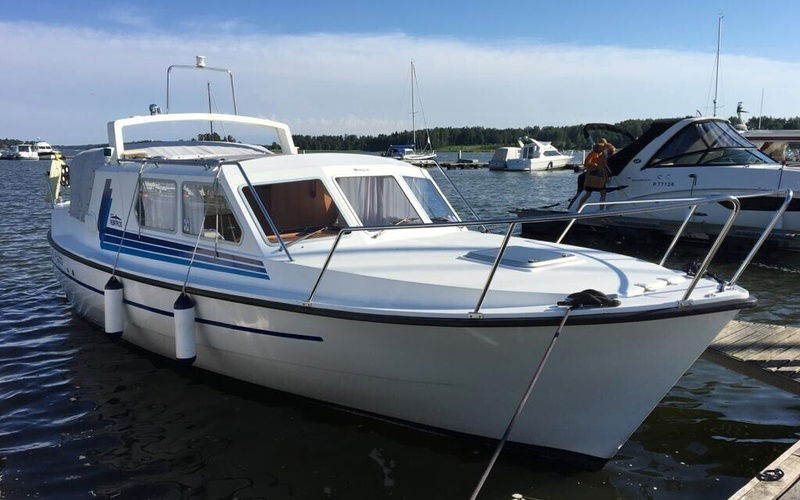
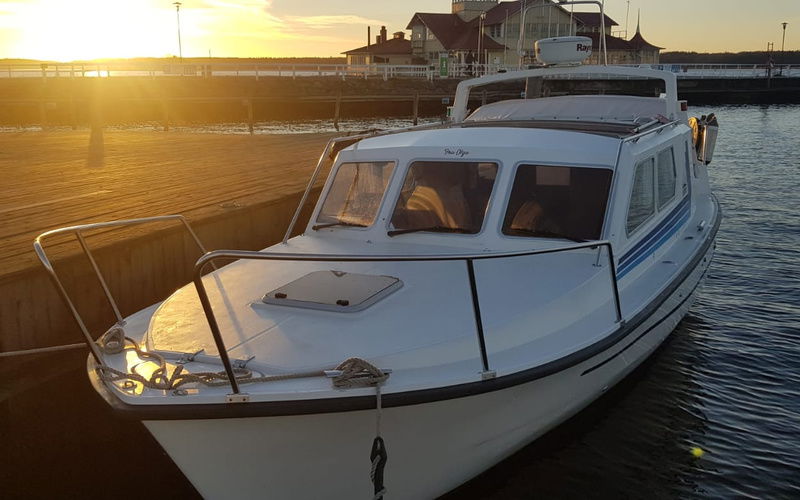
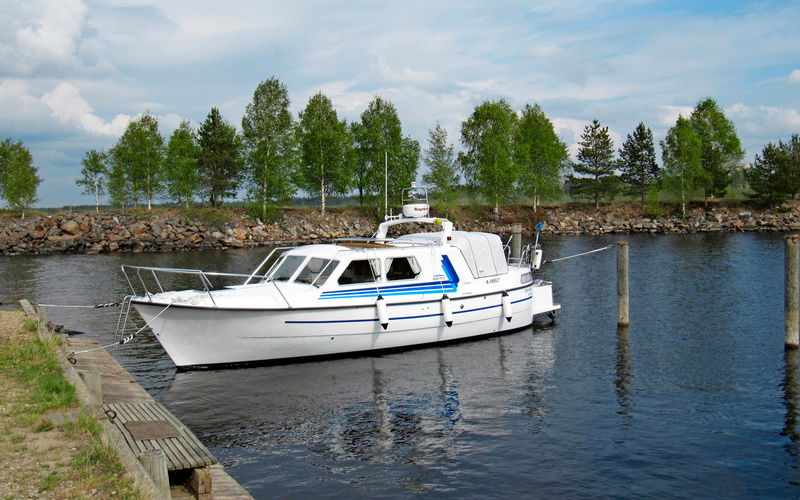

Images have been gathered from various sources and belong to their respective owners.
Review - Albatross 871 Flying

MarineBroker
02/07/2024, 8:19 AM
2003 Albatross 871 Flying: What Buyers and Owners Should Know Before You Commit
If you’ve been searching for information on the 2003 Albatross 871 Flying, you’re probably trying to answer a very practical question: is this boat a smart choice today, and what should you watch out for before making a decision? That’s a fair concern. Older boats can be great value, but only if you know how to judge their condition, maintenance history, and fit for the kind of boating you actually want to do.
The 2003 Albatross 871 Flying sits in that interesting category of boats that can still offer plenty of enjoyment, but may also come with age-related issues that aren’t obvious at first glance. For many buyers, the real challenge isn’t finding the boat itself. It’s figuring out whether it’s been cared for properly and whether it will deliver dependable performance without turning into a project.
The good news is that with the right inspection approach, you can separate a solid boat from a costly headache. In this article, we’ll break down what to look for, common problem areas, and how to evaluate the 2003 Albatross 871 Flying with confidence.
- What Makes the 2003 Albatross 871 Flying Worth a Closer Look
The 2003 Albatross 871 Flying appeals to boaters who want a practical, versatile vessel with a sporty feel. Depending on the setup, boats in this class are often used for coastal cruising, day trips, fishing, and relaxed family outings.
What draws people in is usually a mix of size, layout, and value. A well-kept older boat can offer a lot of capability for less money than a newer model, which is especially attractive if you want more boat without stretching your budget too far.
That said, with any 2003 model, age matters. Even if the design is solid, materials, systems, and hardware all experience wear over time. That’s why the biggest issue for most prospective owners is not the model name itself, but the condition of the specific boat in front of them.
- The Main Problem: Age-Related Wear and Hidden Maintenance Gaps
When people look at a boat like the 2003 Albatross 871 Flying, the most common mistake is focusing on appearance instead of structure and systems. A boat can look clean on the surface and still have costly issues underneath.
The main problems to watch for usually include:
- Moisture intrusion in the deck or transom
- Engine and drivetrain wear
- Electrical faults from aging wiring or poor repairs
- Corrosion on fittings, rails, and hardware
- Worn upholstery, seals, and hatches
- Fuel system issues from long periods of storage
- Steering or control problems caused by neglected service
These issues are not unique to the Albatross 871 Flying. They’re common in boats of this age. But the reason they matter so much is simple: small problems on a boat can become expensive fast, especially if they affect safety or seaworthiness.
For example, a soft deck spot might seem minor until you discover water has entered the core material. Likewise, a motor that starts fine at the dock may still have cooling, compression, or fuel-delivery issues that only show up under load.
- How to Evaluate a 2003 Albatross 871 Flying the Smart Way
The best solution is not guesswork. It’s a structured inspection process that helps you understand what you’re really buying. Whether you’re purchasing, upgrading, or just researching the boat, a methodical approach saves time and money.
Start with four key areas:
1. Hull and structure
2. Mechanical systems
3. Electrical and electronics
4. Maintenance records and overall care
If you can assess those areas well, you’ll have a much clearer picture of the boat’s true condition.
- Hull and Structure: Where the Hidden Problems Often Start
The hull is the foundation of the boat, so this is where your inspection should begin. Look closely for signs of impact, repairs, stress cracks, or uneven surfaces.
Pay special attention to:
- The bow and keel area for grounding damage
- Around cleats, rails, and fittings for cracking or leaks
- The transom for softness, movement, or water staining
- Deck surfaces for flexing or spongy spots
- Any signs of blistering, delamination, or patchwork repairs
If you can, walk the deck slowly and feel for changes in firmness. On older boats, a soft spot often means moisture has found its way into the structure.
Also check the underside of hatches, storage compartments, and bilge areas. Water stains, mildew, or persistent dampness can point to leaks that have been ignored for years.
A clean hull doesn’t guarantee a healthy boat, but visible neglect is usually a warning sign.
- Engine and Mechanical Systems: The Difference Between Fun and Frustration
For many buyers, the engine is the biggest concern. An older boat can still be a great purchase if the powertrain has been properly serviced, but engine problems are often the most expensive part of ownership.
When evaluating the 2003 Albatross 871 Flying, ask:
- Has the engine been regularly serviced?
- Are service records available?
- When were belts, impellers, filters, and fluids last changed?
- Does the engine start easily when cold?
- Is there smoke, rough idle, or unusual vibration?
- Does it reach proper operating temperature?
- Are there any leaks around the block, hoses, or fittings?
If the boat has twin engines or an outboard setup, check each unit individually. One well-maintained engine and one neglected engine can create very different ownership experiences.
Listen carefully during startup. A healthy engine should sound consistent and responsive. Knocking, hesitation, or excessive smoke are all worth investigating before you move forward.
For mechanical systems beyond the engine, inspect:
- Steering response
- Throttle and shift controls
- Trim tabs
- Bilge pumps
- Fuel lines and tanks
- Cooling system components
These may seem like small details, but they heavily influence day-to-day reliability. A boat that is awkward to control or constantly needs minor fixes can quickly become tiring to use.
- Electrical Systems: A Common Weak Point in Older Boats
Electrical issues are one of the most common headaches in older boats, and they’re often underestimated. Corrosion, amateur repairs, and outdated components can create problems that are hard to trace.
On the 2003 Albatross 871 Flying, check:
- Battery age and condition
- Charging system performance
- Wiring cleanliness and labeling
- Fuse panels and breaker condition
- Navigation lights
- Cabin lights and switches
- Pumps, gauges, and electronics
Look for green corrosion on terminals, brittle insulation, or messy splices. These are signs that the electrical system may need attention.
A practical tip: turn on multiple systems at once and see how the boat responds. If lights dim heavily, gauges flicker, or equipment behaves inconsistently, the electrical system may not be healthy.
If you’re not comfortable testing electrical components yourself, a marine surveyor or experienced technician can help identify hidden faults before they become expensive surprises.
- Interior Condition: Comfort Matters More Than It Seems
The interior doesn’t just affect appearance. It also tells you a lot about how the boat has been used and maintained.
In the 2003 Albatross 871 Flying, inspect:
- Seat cushions and upholstery
- Cabin moisture or mildew
- Flooring and carpet condition
- Hatch seals and windows
- Storage compartments
- Head or galley fittings, if equipped
Worn upholstery is normal on an older boat, but heavy mildew, peeling surfaces, or persistent odors can indicate poor ventilation or water intrusion.
A boat that smells damp usually deserves a closer look. That smell often means moisture has been trapped somewhere for a long time, and moisture is one of the biggest enemies of older fiberglass boats.
If the interior feels solid, dry, and clean, that’s a strong sign the boat has been cared for with some consistency.
- Maintenance Records: The Best Clue You Can Get
If you only ask one question before buying, make it this: “Do you have maintenance records?”
For a boat like the 2003 Albatross 871 Flying, records can tell you more than a cosmetic inspection ever will. They show whether the owner followed a routine or simply reacted when something broke.
Useful records include:
- Engine service logs
- Oil and filter changes
- Impeller replacements
- Battery replacements
- Winterization or storage notes
- Hull repairs
- Electrical work
- Upholstery or hardware replacements
A boat with a stack of organized records is usually a much safer bet than one with vague answers and no paperwork. Even if the boat isn’t perfect, documentation shows care and accountability.
If records are missing, that doesn’t automatically mean the boat is bad. But it does mean you should inspect more carefully and assume some maintenance may be overdue.
- Sea Trial: The Real Test of the 2003 Albatross 871 Flying
A dockside inspection is useful, but a sea trial is where the truth comes out. Many issues only appear once the boat is moving, under load, and exposed to real conditions.
During the test run, pay attention to:
- How quickly the engine starts
- Whether the boat accelerates smoothly
- Steering response at low and higher speeds
- Unusual vibration or rattling
- Engine temperature stability
- Trim and handling behavior
- Water intrusion in the bilge
- Noise levels from the hull or fittings
Try to test the boat in different throttle ranges. Some problems only show up at cruising speed or when turning sharply.
If the boat pulls to one side, struggles to plane, or feels unstable, that could point to engine, trim, propeller, or hull issues. A good sea trial gives you a clearer picture than any listing photo ever could.
- Common Warning Signs You Shouldn’t Ignore
When evaluating an older boat, it helps to know which signs are minor and which ones should make you pause.
Be cautious if you see:
- Fresh paint hiding repairs
- Strong fuel smell in enclosed spaces
- Water in the bilge that keeps returning
- Soft deck areas
- Unexplained electrical add-ons
- Rust or corrosion around engine mounts or brackets
- Cracked hoses or dry-rotted seals
- Poorly repaired fiberglass patches
One warning sign alone may not be a dealbreaker, but several together usually mean the boat needs more work than the seller is admitting.
The best approach is to think in terms of total cost, not just purchase price. A boat that’s cheaper upfront can become far more expensive if it needs major repairs immediately.
- How to Decide If It’s the Right Boat for You
The 2003 Albatross 871 Flying may be a good fit if you want an older boat with useful space, a practical layout, and the potential for good value. But it’s only a smart choice if the specific boat has been maintained well.
It may be right for you if:
- You’re comfortable inspecting older boats carefully
- You want value over brand-new features
- The engine and structure check out well
- You have access to a surveyor or technician
- You’re willing to budget for routine updates
It may not be the best choice if:
- You want a turn-key boat with no maintenance work
- The vessel has no service history
- There are signs of structural moisture or engine neglect
- You’re not prepared for age-related repairs
In other words, the model alone doesn’t determine the outcome. Condition does.
- Practical Buying Tips for a Better Decision
If you’re seriously considering the 2003 Albatross 871 Flying, here are a few simple steps that can make the process much easier:
- Bring a flashlight and inspect hidden spaces
- Test every switch, pump, and light you can
- Check for soft spots by walking the deck carefully
- Ask direct questions about storage, service, and repairs
- Request a sea trial before making any commitment
- Hire a marine surveyor if you’re unsure about structure or engines
- Compare the asking price to the likely repair budget
A survey may feel like an extra expense, but on an older boat it often pays for itself by revealing issues early. That’s especially true if you’re new to boat ownership or unfamiliar with older fiberglass construction.
- A Simple Maintenance Mindset That Helps Any Older Boat
If you do end up owning a 2003 Albatross 871 Flying, the best way to protect your investment is to stay ahead of small issues.
A basic routine should include:
- Flushing and servicing the engine regularly
- Keeping batteries charged and clean
- Checking bilge pumps and hoses
- Inspecting seals and fittings for leaks
- Cleaning and protecting hardware from corrosion
- Storing the boat properly when not in use
- Fixing minor issues before they spread
Older boats often stay reliable not because they’re perfect, but because their owners are consistent. A little attention goes a long way.
- Conclusion
The 2003 Albatross 871 Flying can be a solid option for boaters who value practicality and are willing to look past age in favor of condition. The key is not to judge it by appearance alone. Instead, focus on structure, engine health, electrical reliability, and maintenance history.
If you take the time to inspect carefully, ask the right questions, and complete a proper sea trial, you’ll be in a much better position to decide whether this boat is truly worth your money. For older boats especially, knowledge is the real advantage.
If you’re still comparing options, keep learning about used-boat inspections and marine maintenance basics. A little research now can save a lot of frustration later.
Specifications
General
Boat Type: Power Boats
Class Type: Cruiser
Specifications
Length: 28.54
Beam: 9.51
Draft: 2.62
Hull Material: GRP
Build
First Built: 2003
Propulsion
Fuel Type: Diesel
Engines: 1
Power: 110 HP
Brand: Yanmar
Accomodation
Berths: 6
Cabins: 2
PROS & CONS
What we appreciated
 Spacious cabin with good sleeping accommodationsVersatile layout suitable for both fishing and cruisingRobust hull design offering good stability in various conditionsRelatively easy to maintain due to simple mechanical systemsGood fuel efficiency for its size and power
What we didn’t appreciate
 Older model with potential for wear and tear issuesLimited modern electronics and navigation equipmentSmaller engine options may lack power for heavy loadsInterior styling and amenities may feel outdatedResale value may be lower compared to newer boats
Upkeep Costs
Fuel: Approximately $1,200 - $2,500 per year depending on usage
Maintenance: Around $800 - $1,500 per year including engine and hull upkeep
Insurance: Typically $300 - $700 per year based on coverage and location
Storage: $500 - $1,200 annually depending on marina or storage type
Registration and Licensing: $100 - $300 per year depending on local regulations

Rating
5.7
User
Score
Score
Driveability
Technology
Interior
Design
Similar Boats


MarineBroker
Download now for an immersive boat experience like never before! ⛵✨ Your journey begins with a simple click. 🌊📲
#SetSailSmart #DownloadNow
#SetSailSmart #DownloadNow

Subscribe
Copyright 2017 - 2026, Marinebroker.net, All Rights Reserved