Boat Database » Alaska 47 Flybridge
Alaska 47 Flybridge
Inboard Direct-Drive, Diesel, 2x 480 HP
Power Boats 2015 Alaska 47 Flybridge: What Buyers Should Know Before Choosing a Cruiser Like This
If you’ve been looking at the 2015 Alaska 47 Flybridge, chances are you’re drawn to the same things most people are: big-boat comfort, serious ...
Discover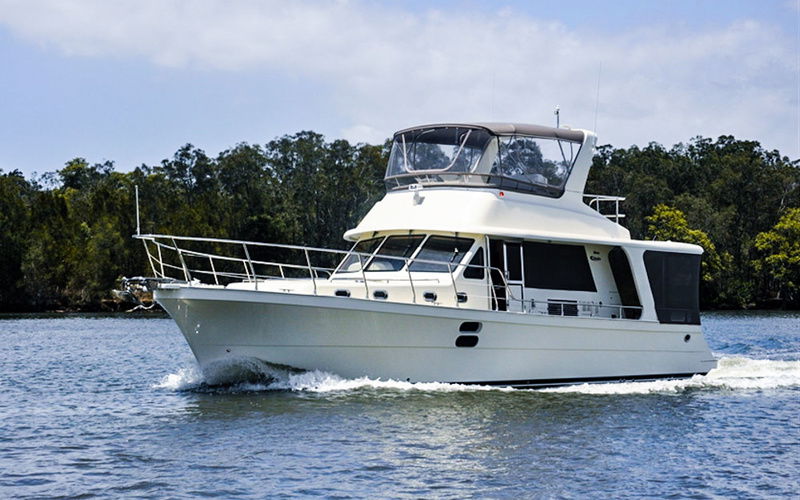
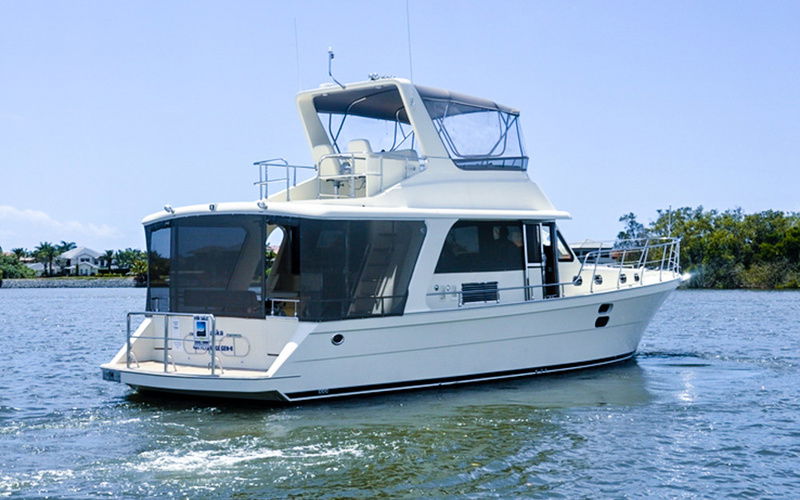


Images have been gathered from various sources and belong to their respective owners.
Latest Market Trends (Latest Available Year Model)
Price: $1,217,497
Review - Alaska 47 Flybridge

MarineBroker
02/07/2024, 4:05 AM
2015 Alaska 47 Flybridge: What Buyers Should Know Before Choosing a Cruiser Like This
If you’ve been looking at the 2015 Alaska 47 Flybridge, chances are you’re drawn to the same things most people are: big-boat comfort, serious offshore capability, and a layout that feels made for real cruising instead of just weekend dock-hopping. But once you get past the first impression, a more practical question shows up fast: how do you know if this style of yacht is actually the right fit for your boating plans?
That’s the real challenge with a boat like the 2015 Alaska 47 Flybridge. It’s easy to admire the design, the flybridge views, and the roomy interior, but the smarter move is to understand how it performs in everyday use. Things like visibility, fuel burn, maintenance access, storage, and handling in different conditions matter just as much as the glamour factor.
In this guide, we’ll break down what makes the 2015 Alaska 47 Flybridge appealing, what buyers should pay attention to, and how to decide whether this cruising yacht matches your needs. If you’re comparing similar flybridge motor yachts, this should help make the decision a lot clearer.
- What Makes the 2015 Alaska 47 Flybridge Stand Out
The 2015 Alaska 47 Flybridge sits in a category that blends comfort, range, and practical cruising features. It’s the kind of boat that appeals to owners who want more than a day boat but don’t necessarily want to jump into a much larger vessel with a bigger crew requirement.
A flybridge design gives you elevated helm visibility, which is a big deal when docking, navigating tight marinas, or cruising in busy waterways. On a 47-foot yacht, that added perspective can make the boat feel more manageable than the size suggests.
The Alaska line is generally known for being built with cruising in mind. That means you’ll usually find a layout that favors livability, storage, and offshore confidence over flashy, unnecessary extras. For many buyers, that’s exactly the point.
- The Main Problem Buyers Face
The biggest issue people run into with a boat like the 2015 Alaska 47 Flybridge is not whether it looks good. It’s whether it fits their actual boating lifestyle.
A lot of buyers fall in love with the idea of a flybridge cruiser, but later realize they need to think through questions like:
- Will I cruise mostly with family or a larger group?
- Do I want to do overnight trips, long-distance coastal cruising, or both?
- Am I comfortable with the maintenance and operating costs of a 47-foot yacht?
- Will I dock in places where flybridge height matters?
- Do I want a boat that’s easy to handle short-handed?
These are the kinds of practical questions that separate a dream purchase from a smart purchase. The good news is that once you know what to look for, it becomes much easier to tell whether this model is the right fit.
- Why the Flybridge Layout Matters
The flybridge is one of the biggest selling points of the 2015 Alaska 47 Flybridge, and for good reason. It changes how the boat feels underway and at anchor.
From the upper helm, you get better sightlines, which can make a huge difference in close-quarters maneuvering. That added visibility is especially useful for boaters who spend time in crowded harbors, narrow channels, or unfamiliar cruising grounds.
The flybridge also creates a second social space. While one person handles the helm, others can enjoy the upper deck and take in the view. For many owners, that makes the boat feel more open and versatile than an enclosed helm-only design.
Still, there are trade-offs.
- Higher profile can mean more windage at the dock
- A flybridge may increase ladder use for some guests
- Extra upper-deck space can add weight and complexity
- Canvas, electronics, and seating up top need regular care
If you’re thinking about the 2015 Alaska 47 Flybridge, the key is to decide whether the benefits of the flybridge outweigh the maintenance and handling considerations for your style of boating.
- Who the 2015 Alaska 47 Flybridge Is Best For
This boat tends to make the most sense for people who want a true cruising platform. It’s especially appealing if you value comfort over speed and prefer a boat that feels stable and confidence-inspiring.
It may be a strong match if you:
- Cruise with family or a small group of friends
- Like extended weekends or multi-day trips
- Want better visibility from the helm
- Prefer a traditional motor yacht feel
- Need real interior space for living aboard or overnighting
It may be less ideal if you:
- Want something very simple and low-maintenance
- Mostly do quick day trips
- Need a boat that is easy to trailer or store on land
- Prefer a very sporty, high-speed ride
In other words, the 2015 Alaska 47 Flybridge is usually best for buyers who want to use the boat, not just admire it at the dock.
- Performance Expectations: What to Realistically Look For
When people shop for a 47-foot flybridge cruiser, performance expectations can get a little fuzzy. Some imagine a fast express cruiser, while others expect trawler-like efficiency. The Alaska 47 Flybridge sits somewhere in the middle depending on engine setup and load.
What matters most is understanding how the boat is intended to be used. Boats in this class are usually designed for comfortable cruising rather than aggressive speed runs. That means you should focus on:
- Ride quality in chop and swell
- Fuel efficiency at cruising speed
- Low-speed handling and docking behavior
- Stability at anchor
- Noise and vibration levels underway
A well-balanced cruising yacht should feel predictable. If you’re evaluating a specific 2015 Alaska 47 Flybridge, sea trial results matter more than brochure numbers. A boat that feels smooth at your normal cruising speed is often more valuable than one with a top-end speed you’ll rarely use.
- Interior Layout: Comfort Is More Than Looks
One of the biggest reasons people consider the 2015 Alaska 47 Flybridge is the interior layout. On a boat this size, the cabin arrangement can make a huge difference in how usable it feels day to day.
A smart cruiser layout usually includes:
- A practical salon with good natural light
- A functional galley with real prep space
- Comfortable sleeping accommodations
- Storage that actually works for cruising gear
- Easy movement between indoor and outdoor spaces
If you’re planning overnight trips or longer stays aboard, the flow of the cabin becomes crucial. You’ll want to think about whether the galley is easy to use underway, whether the seating works for your group size, and whether the sleeping areas feel private enough for your needs.
A lot of buyers initially focus on finishes, but layout usually matters more in the long run. A well-designed interior will still feel good after a week aboard, which is the real test.
- Maintenance and Ownership: The Part People Underestimate
This is where many prospective owners get caught off guard. A 2015 Alaska 47 Flybridge can be a fantastic boat, but it is still a substantial yacht with real maintenance needs.
The smartest buyers think beyond purchase price and look at ongoing ownership costs, including:
- Engine servicing
- Generator maintenance
- Hull and bottom care
- Flybridge canvas and upholstery upkeep
- Electronics updates
- Safety gear replacement
- Dockage and insurance
If the boat has twin engines, as many yachts in this size range do, service costs can add up faster than expected. That doesn’t mean the boat is a bad choice. It just means you need a realistic budget.
A useful rule of thumb is to inspect not only the boat’s condition, but also how well the previous owner maintained it. A well-kept boat often saves money and stress later, even if the asking price is a bit higher.
- What to Inspect Before Buying a 2015 Alaska 47 Flybridge
If you’re seriously considering one, a detailed inspection is essential. Boats of this size can hide issues that aren’t obvious during a quick walkthrough.
Here’s what to pay close attention to:
1. Engines and service records
Check hours, maintenance history, oil analysis if available, and signs of leaks or corrosion.
2. Hull and deck condition
Look for stress cracks, moisture intrusion, or repairs that may indicate prior damage.
3. Flybridge equipment
Inspect the helm electronics, seating, enclosure, and any signs of water intrusion.
4. Electrical systems
Make sure batteries, chargers, wiring, and panels are in good shape.
5. Plumbing and tanks
Test freshwater, sanitation, and bilge systems for proper operation.
6. Steering and running gear
Rudder movement, shaft alignment, and prop condition all matter.
7. Interior moisture
Soft spots, odors, or staining can point to hidden water problems.
A professional survey and sea trial are not optional on a boat like this. They’re the best way to avoid expensive surprises.
- How to Decide If This Boat Solves Your Real Problem
The best way to evaluate the 2015 Alaska 47 Flybridge is to ask what problem you’re actually trying to solve.
If your problem is “I want a boat that can handle longer coastal trips comfortably,” this model could be a strong solution.
If your problem is “I want more space, better visibility, and a real cruising layout,” it also fits well.
If your problem is “I need the simplest possible boat with minimal upkeep,” this probably isn’t the best answer.
That’s why the decision should be based on use case, not just emotion. Here’s a simple way to think about it:
- Choose this style if you want comfort, capability, and a proper cruising platform
- Keep looking if you want ultra-low maintenance or very high speed
- Prioritize a survey if you find a boat that checks most of your boxes
- Compare ownership costs before making an offer
A boat is only a good fit if it matches how you’ll actually use it.
- Tips for Comparing the 2015 Alaska 47 Flybridge With Similar Boats
If you’re shopping around, don’t compare boats only by year and length. Two 47-foot flybridge yachts can feel very different once you look at the details.
Compare these factors instead:
- Fuel capacity and cruising range
- Engine type and service history
- Helm visibility from both stations
- Cabin layout and sleeping flexibility
- Storage for gear and provisions
- Ease of docking and maneuvering
- Quality of build and finish
- Availability of parts and service support
It also helps to spend time aboard in real conditions. A boat that feels great at the dock may feel cramped or awkward underway. Likewise, a layout that looks average in photos may prove extremely practical once you’re on board.
If possible, talk to current owners or brokers who know the model well. Real-world feedback is often more useful than polished listing descriptions.
- Practical Buying Advice for First-Time Flybridge Owners
If this is your first flybridge yacht, there’s a learning curve. That’s normal. The good news is that a 47-footer is manageable for many owners once they get used to the systems and handling.
A few tips can make ownership easier:
- Practice docking in calm conditions before tackling busy marinas
- Learn the boat’s windage and turning characteristics
- Keep up with routine service on schedule
- Make a checklist for pre-departure and shutdown routines
- Use the flybridge electronics and helm controls regularly so they stay familiar
The more you treat the boat as a system rather than just a floating living room, the more enjoyable it becomes. That mindset helps prevent small problems from turning into expensive ones.
- Why the 2015 Alaska 47 Flybridge Still Appeals to Serious Cruisers
Even years after its introduction, the 2015 Alaska 47 Flybridge still holds appeal because it speaks to a specific kind of boater. It’s for someone who wants a capable, comfortable, and practical yacht without chasing unnecessary flash.
The combination of flybridge visibility, cruising comfort, and usable interior space makes it attractive to buyers who want to spend time on the water in a meaningful way. It’s not trying to be everything to everyone, and that’s part of its strength.
For the right owner, this kind of boat can deliver a lot of satisfaction. It offers enough size to feel substantial, but not so much that every outing becomes a logistical project.
- Conclusion
The 2015 Alaska 47 Flybridge is worth serious attention if you’re looking for a cruising yacht that balances comfort, visibility, and practical onboard living. The main challenge for buyers is not finding something attractive, but finding a boat that truly fits their cruising style, budget, and maintenance expectations.
If you focus on real-world use, inspect carefully, and compare ownership costs honestly, you’ll be in a much better position to make a smart decision. For many boaters, this model can be a very solid answer to the question of how to cruise comfortably without going overboard on size or complexity. If you’re still comparing options, keep digging into layout, service history, and sea trial performance before you buy.
Specifications
General
Boat Type: Power Boats
Class Type: Flybridge
Specifications
Length: 46.92
Beam: 13.94
Draft: 3.15
Hull Material: GRP
Build
First Built: 2015
Propulsion
Fuel Type: Diesel
Engines: 2
Power: 480 HP
Brand: Cummins
Accomodation
Berths: 4
Cabins: 2
Bathrooms: 2
PROS & CONS
What we appreciated
 Spacious flybridge offering excellent visibility and outdoor entertaining spaceRobust build quality suitable for Alaska's challenging marine conditionsGenerous interior layout with comfortable living quartersGood fuel capacity for extended cruising rangeStable and seaworthy hull design optimized for rough waters
What we didn’t appreciate
 Older model may require updates to electronics and navigation systemsRelatively high fuel consumption due to size and engine typeMaintenance can be costly given the sturdy, heavy-duty constructionLimited availability of specific replacement parts due to model ageFlybridge may be exposed to harsh weather without adequate enclosure options
Upkeep Costs
Fuel: Approximately $15,000 - $25,000 per year depending on usage
Maintenance and Repairs: $10,000 - $20,000 per year
Insurance: $3,000 - $6,000 per year
Docking and Storage: $5,000 - $15,000 per year depending on location
Winterization and Annual Haul-Out: $2,000 - $4,000 per year
Rating
7.4
User
Score
Score
Driveability
Technology
Interior
Design
Similar Boats


MarineBroker
Download now for an immersive boat experience like never before! ⛵✨ Your journey begins with a simple click. 🌊📲
#SetSailSmart #DownloadNow
#SetSailSmart #DownloadNow

Subscribe
Copyright 2017 - 2026, Marinebroker.net, All Rights Reserved