Boat Database » Admiral Petratara
Admiral Petratara
Inboard Direct-Drive, Diesel, 2x 1900 HP
Power Boats 2014 Admiral Petratara: What Buyers and Enthusiasts Should Know Before You Dive In
If you’ve been searching for information on the 2014 Admiral Petratara, you’re probably trying to answer a pretty common question: *is this the ri...
Discover
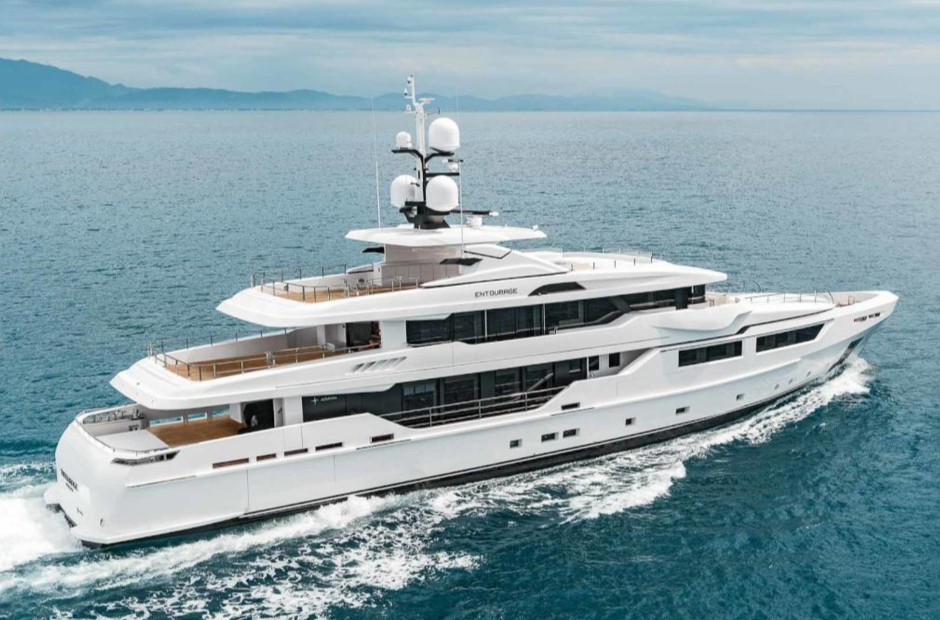
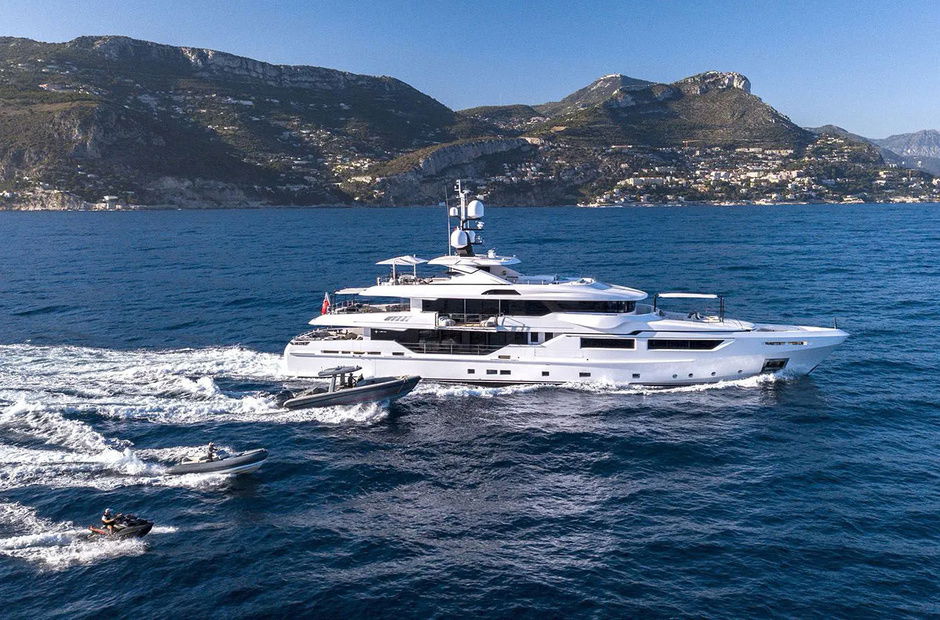

Images have been gathered from various sources and belong to their respective owners.
Review - Admiral Petratara

MarineBroker
01/22/2024, 3:14 AM
2014 Admiral Petratara: What Buyers and Enthusiasts Should Know Before You Dive In
If you’ve been searching for information on the 2014 Admiral Petratara, you’re probably trying to answer a pretty common question: *is this the right boat for my needs, and how do I avoid making an expensive mistake?* That’s a smart question to ask. When people look at a yacht or cruiser like this, the excitement can make it easy to focus on the styling, layout, or brand name while overlooking the practical stuff that really matters—condition, maintenance history, intended use, and long-term ownership costs.
The good news is that boats like the 2014 Admiral Petratara can be a great fit for the right owner, but only if you know what to check and how to evaluate them properly. Whether you’re comparing it to similar vessels, researching its value, or trying to understand if it suits your boating lifestyle, the key is to look beyond the listing photos. In this guide, we’ll break down the most important things to know, the common pitfalls buyers run into, and the practical steps that help you make a confident decision.
- What Makes the 2014 Admiral Petratara Worth a Closer Look
The first thing most people want to know is simple: what kind of boat is it, and why does it stand out?
The 2014 Admiral Petratara belongs to a class of vessels that tends to attract buyers who want a mix of comfort, design, and presence on the water. For many enthusiasts, the appeal is not just in the name, but in the overall experience—space, finish, ride quality, and the sense that the boat was built to be enjoyed rather than just used.
That said, the value of a boat like this depends heavily on how it was maintained and what it was used for. A well-cared-for yacht can offer years of reliable enjoyment. A neglected one can become a money pit fast.
If you’re evaluating this boat, focus on these broad categories:
- Build quality and structural condition
- Engine and mechanical service history
- Interior wear and systems functionality
- Electronics and navigation equipment
- Evidence of professional maintenance
- How the boat was stored and operated
A good-looking vessel is nice, but a well-documented one is far better.
- The Real Problem: Buyers Often Judge Too Quickly
One of the biggest issues people face when researching a boat like the 2014 Admiral Petratara is that they rely too much on first impressions.
That can happen in a few ways:
- The boat looks clean in photos, so it must be in great shape
- The brand sounds premium, so the vessel must justify the price
- The interior seems luxurious, so maintenance concerns get ignored
- The listing description sounds polished, so buyers assume everything is accurate
Unfortunately, boats are rarely that simple.
A vessel can appear immaculate on the surface and still have hidden issues underneath. Water intrusion, outdated systems, engine wear, electrical faults, and neglected service records can all create expensive surprises. This is especially true with luxury or semi-custom boats, where repairs can cost more than expected because parts, labor, and access are not always straightforward.
The real problem isn’t just finding a boat. It’s finding a boat that still makes sense after you account for ownership reality.
- How to Evaluate a 2014 Admiral Petratara the Smart Way
If you want a practical solution, the answer is not to guess. It’s to inspect, verify, and compare.
Here’s a simple framework that works well for buyers and serious researchers.
- Start with the boat’s history
Before looking at the cosmetics, ask for the full background.
You want to know:
- How many owners it has had
- Where it has been kept
- Whether it was used privately or commercially
- How often it was serviced
- Whether major repairs or refits were done
- If there are maintenance logs, invoices, and survey reports
A detailed service history is one of the strongest signs that a boat has been cared for properly.
- Inspect the hull and structure
The hull is the foundation of the boat’s value. Cosmetic polishing can hide a lot, but structural issues are harder to ignore once you know what to look for.
Check for:
- Cracks around stress points
- Signs of impact or repair
- Blistering, delamination, or soft spots
- Uneven finishes or mismatched paint
- Waterline issues or evidence of prolonged exposure
If you’re not experienced, a marine surveyor is worth every penny. Even experienced buyers often miss details that a trained eye catches immediately.
- Review engines and mechanical systems carefully
For many boat owners, propulsion and mechanical reliability matter more than anything else. A stylish boat that won’t run properly is just an expensive dock ornament.
Ask about:
- Engine hours
- Oil analysis results, if available
- Recent servicing
- Cooling system condition
- Generator performance
- Steering and throttle response
- Fuel system condition
If the boat has twin engines or a more complex setup, the importance of a professional inspection goes up even more.
- Test the electrical and navigation systems
Older electronics can be one of the most frustrating ownership costs because they often work “well enough” until they don’t.
Look at:
- Chartplotters and radar
- Autopilot functionality
- Batteries and charging systems
- Shore power setup
- Lighting and switch panels
- Pumps, alarms, and monitoring systems
A boat can seem ready to go, but once you start testing every circuit and display, hidden issues often show up fast.
- Check the interior for signs of moisture or neglect
A beautiful interior can still hide trouble. Moisture is one of the biggest enemies of any vessel.
Pay attention to:
- Musty smells
- Soft flooring
- Staining near windows or hatches
- Warped cabinetry
- Mold or mildew in hidden spaces
- Loose fittings or damaged upholstery
These signs don’t always mean disaster, but they do mean you should ask more questions before moving forward.
- Why the 2014 Admiral Petratara May Appeal to the Right Buyer
The 2014 Admiral Petratara can make sense for someone who wants a boat that balances style and functionality, especially if it has been maintained properly.
It may appeal to buyers who value:
- Comfortable cruising
- Entertaining space
- A refined onboard feel
- Strong visual presence
- A vessel that can serve both leisure and social use
For the right owner, this type of boat offers more than transportation. It offers a lifestyle experience.
But that only works if the vessel fits the way you actually plan to use it. A larger or more complex boat can be rewarding, but it also demands more attention, more upkeep, and more budget discipline.
- Common Mistakes People Make When Considering This Boat
A lot of buyers run into the same avoidable problems. If you can steer clear of these, you’re already ahead.
- Focusing only on appearance
A polished exterior and fresh cushions are nice, but they don’t tell the whole story. Mechanical condition and maintenance records matter more than surface shine.
- Skipping the survey
This is one of the most expensive shortcuts a buyer can take. Even if the boat seems perfect, a survey can reveal issues that change the entire decision.
- Ignoring operating costs
The purchase price is just the beginning. Fuel, insurance, dockage, winterization, maintenance, and unexpected repairs all add up.
- Not comparing similar boats
You should always compare the 2014 Admiral Petratara with other boats in the same size and class. That helps you understand whether the asking price is realistic and whether the layout suits your needs better than alternatives.
- Overlooking storage and usage history
A boat kept in a protected marina or indoor storage may age very differently from one exposed to harsh conditions year-round.
- What a Good Buying Process Looks Like
If you’re serious about a boat like this, here’s the cleanest way to approach the decision.
- Define your use case
Ask yourself what you really want from the boat:
- Weekend cruising
- Longer trips
- Entertaining guests
- Family use
- Occasional charter-style use
- Dockside enjoyment with light cruising
This matters because the best boat on paper may still be the wrong boat for your actual lifestyle.
- Set a realistic budget
Include more than the purchase price. A practical budget should cover:
- Survey and inspection costs
- Closing or transfer fees
- Immediate repairs or upgrades
- Insurance
- Dockage or mooring
- Annual maintenance
- Fuel and operating expenses
A smart buyer plans for the first year of ownership, not just the day of purchase.
- Get a professional survey and sea trial
These two steps are essential. A survey evaluates condition, while a sea trial shows how the boat performs under real conditions.
During the trial, pay attention to:
- Acceleration and handling
- Vibrations or unusual noises
- Steering response
- Engine temperature and performance
- Electronics under load
- Comfort underway
A boat can look perfect at the dock and still feel wrong at sea.
- Compare value, not just price
A lower asking price is not always the better deal. If a cheaper boat needs major work, it may end up costing more than a better-maintained example.
When comparing options, consider:
- Maintenance history
- Upgrades and refits
- Cosmetic condition
- Mechanical condition
- Included equipment
- Likely near-term repair costs
The right boat is the one with the best overall value, not the lowest sticker.
- Practical Maintenance Tips for Owners and Prospective Buyers
If you already own, or plan to own, a 2014 Admiral Petratara, good maintenance habits can protect your investment and reduce stress.
Here are some basics that matter a lot:
- Flush and service engines on schedule
- Inspect seals, hoses, and clamps regularly
- Keep batteries charged and tested
- Monitor bilge pumps and water intrusion points
- Clean and protect upholstery and exterior surfaces
- Run systems regularly, even during downtime
- Keep records of every repair and service visit
A boat that gets regular attention usually ages much better than one that sits unused for long periods.
- How to Decide If It’s the Right Boat for You
At the end of the day, the best question is not “Is this a good boat?” It’s “Is this a good boat for me?”
The 2014 Admiral Petratara may be a strong choice if you want a vessel with a premium feel, solid presence, and the potential for enjoyable cruising—provided the condition and maintenance history check out. It may not be the best choice if you want something simple, low-cost, and easy to own with minimal upkeep.
A good fit usually means:
- The size matches your crew and usage
- The systems are manageable for your experience level
- The upkeep fits your budget
- The boat’s condition is backed by records and inspection
- You feel confident after a survey and sea trial
If those boxes are checked, you’re in a much better position to enjoy the boat instead of constantly worrying about it.
- Final Thoughts on the 2014 Admiral Petratara
The 2014 Admiral Petratara can be an appealing option for buyers who value comfort, style, and a capable onboard experience. But like any boat, its real value depends on condition, maintenance, and how well it matches your needs. The smartest approach is to look past the polished presentation and focus on the details that affect ownership: history, systems, structure, and operating costs.
If you’re considering one, take your time, ask for documentation, and always get a professional survey before making a decision. That simple process can save you from expensive surprises and help you choose with confidence. If you want to keep researching, compare it with similar vessels in its class and review ownership guides so you can make the most informed choice possible.
Specifications
General
Boat Type: Power Boats
Class Type: Mega Yacht
Specifications
Length: 152.89
Beam: 28.54
Draft: 8.86
Hull Material: Steel
Build
First Built: 2014
Propulsion
Fuel Type: Diesel
Engines: 2
Power: 1900 HP
Brand: CAT
Accomodation
Cabins: 5
PROS & CONS
What we appreciated
 Solid build quality typical of Admiral boatsSpacious deck layout suitable for family outingsGood fuel efficiency for its classReliable engine performanceComfortable cabin accommodations
What we didn’t appreciate
 Aging electronics may require upgradesLimited storage space compared to newer modelsOutdated interior designPotentially higher maintenance costs due to ageLess advanced navigation systems
Upkeep Costs
Fuel: Approximately $3,000 - $6,000 per year depending on usage
Maintenance and Repairs: Around $2,000 - $5,000 annually
Insurance: Typically $800 - $1,500 per year
Docking and Storage: $1,200 - $3,000 annually depending on location
Registration and Taxes: $100 - $300 per year

Rating
8.6
User
Score
Score
Driveability
Technology
Interior
Design
Similar Boats


MarineBroker
Download now for an immersive boat experience like never before! ⛵✨ Your journey begins with a simple click. 🌊📲
#SetSailSmart #DownloadNow
#SetSailSmart #DownloadNow

Subscribe
Copyright 2017 - 2026, Marinebroker.net, All Rights Reserved