Boat Database » Admiral Hammerhead
Admiral Hammerhead
Inboard Direct-Drive, Diesel, 2x 0 HP
Power Boats 2002 Admiral Hammerhead: What Buyers and Owners Should Know Before Making a Move
If you’re searching for information on the 2002 Admiral Hammerhead, chances are you’re trying to answer a very practical question: is this boat the ...
Discover
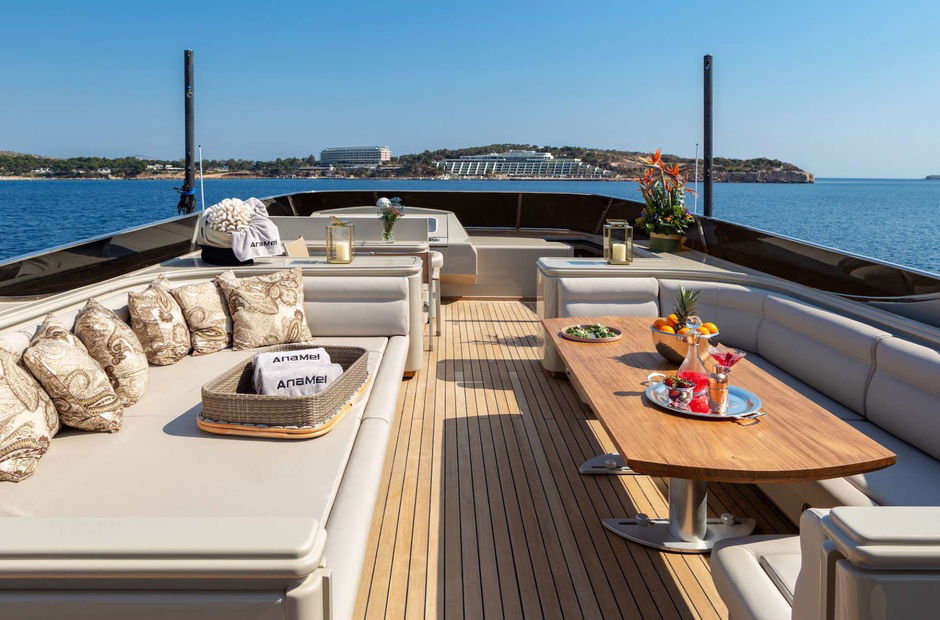
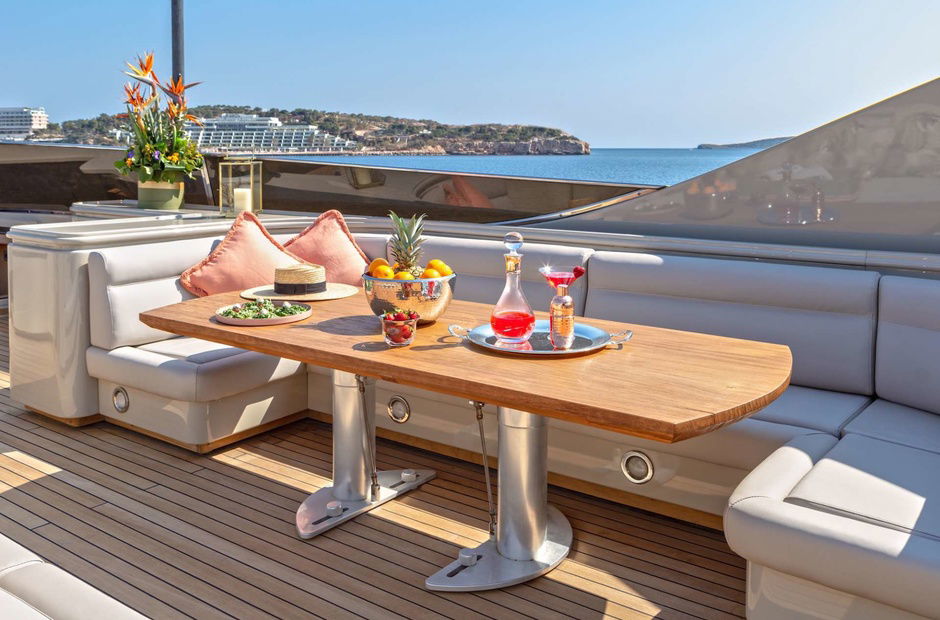

Images have been gathered from various sources and belong to their respective owners.
Review - Admiral Hammerhead

MarineBroker
01/21/2024, 2:39 AM
2002 Admiral Hammerhead: What Buyers and Owners Should Know Before Making a Move
If you’re searching for information on the 2002 Admiral Hammerhead, chances are you’re trying to answer a very practical question: is this boat the right fit for your needs, and what should you watch out for before buying or owning one? That’s a smart place to start. Boats can look great on paper, but the real story usually comes down to condition, maintenance history, and how well the boat matches the kind of water time you actually want to enjoy.
The 2002 Admiral Hammerhead has enough age on it that a careful look matters. Older boats can still be fantastic values, but they can also hide issues that only show up after a deeper inspection. The good news is that most of the common problems are manageable if you know what to check and what to budget for. Whether you’re considering a purchase, comparing similar models, or already own one and want to keep it running well, understanding the key trouble spots can save you money, stress, and a lot of guesswork.
- Why the 2002 Admiral Hammerhead Still Gets Attention
The 2002 Admiral Hammerhead appeals to people who want a boat with a solid presence and a more traditional used-boat value proposition. At this age, buyers are often looking for a balance between affordability and usable performance.
That’s where the challenge comes in. Older boats can be a great deal, but only if you’re realistic about inspection, upkeep, and upgrades. In many cases, the boat itself may be fine, while the systems around it need attention.
For most shoppers, the real problem isn’t just “Is this a good boat?” It’s:
- How much work will it need?
- What repairs are likely?
- How do I know if I’m buying someone else’s maintenance headache?
If you’re asking those questions, you’re already ahead of the game.
- What Makes an Older Boat Like the 2002 Admiral Hammerhead Worth Considering
A boat from 2002 can still offer a lot of value, especially if it has been cared for properly. The hull, layout, and general usability may still hold up well, even after years of service.
The main reason buyers keep looking at boats like the 2002 Admiral Hammerhead is simple: price versus potential. New boats are expensive, and many people would rather put money into a good used vessel than take on a huge monthly payment.
That said, the age of the boat means you should focus less on the model year alone and more on condition. Two boats of the same year can feel completely different depending on:
- How often they were used
- Whether they were stored indoors or outdoors
- How consistently they were serviced
- Whether repairs were done properly or just patched
In other words, the boat’s history matters just as much as the name on the side.
- The Most Common Problem Buyers Face With the 2002 Admiral Hammerhead
The biggest issue with older boats is usually not one dramatic failure. It’s a collection of smaller issues that add up.
For the 2002 Admiral Hammerhead, the most common buyer problem is uncertainty. People often don’t know whether the boat is mechanically sound, structurally solid, or just cosmetically clean.
Here are the usual trouble areas to watch:
- Engine and drivetrain wear
- Electrical system aging
- Moisture intrusion
- Upholstery and interior deterioration
- Fuel system issues
- Corrosion on metal components
- Old pumps, hoses, and seals
None of these automatically make the boat a bad buy. But they do mean you need a process before committing.
- How to Inspect a 2002 Admiral Hammerhead the Smart Way
A good inspection is the best solution to the uncertainty problem. If you’re evaluating a 2002 Admiral Hammerhead, don’t rely on a quick walkaround. Take your time and check the boat in layers.
Start with the basics:
- Look at the hull for cracks, repairs, or uneven surfaces
- Check the deck for soft spots
- Inspect around fittings, rails, and hatches for leaks
- Open storage compartments and look for mildew or water stains
- Test switches, lights, gauges, and pumps
- Review the engine bay for corrosion, oil leaks, or loose wiring
If possible, do a sea trial. A boat can look fine on land and still show problems once it’s running.
During a sea trial, pay attention to:
- How quickly it starts
- Whether it idles smoothly
- How it accelerates
- Any vibration or unusual noise
- Steering response
- Cooling system performance
- Fuel smell or exhaust issues
A boat that performs well under load is usually a safer bet than one that only looks polished at the dock.
- 2002 Admiral Hammerhead Maintenance Issues to Expect
When people buy an older boat, they often underestimate routine maintenance. The 2002 Admiral Hammerhead is no different. Even if it’s in good shape, age alone means certain parts and systems may need attention.
The most likely maintenance items include:
- Battery replacement
- Impeller and pump service
- Fuel filter changes
- Hose inspection and replacement
- Seal and gasket checks
- Corrosion cleanup
- Canvas or upholstery repair
These are normal for a boat of this age. The trick is separating normal wear from warning signs.
For example, replacing old hoses is routine. Finding repeated water intrusion in the same area may point to a bigger issue. Similarly, replacing a battery is easy; diagnosing inconsistent charging could take more work.
A practical approach is to create a maintenance budget right away. That way, you’re not surprised when the first round of repairs comes due.
- Signs the Boat Has Been Properly Cared For
One of the best ways to reduce risk is to look for evidence of good ownership. A well-maintained 2002 Admiral Hammerhead usually leaves clues.
Positive signs include:
- Service records or receipts
- Clean engine compartment
- Fresh hoses and clamps
- Working gauges and switches
- No strong fuel or mildew smell
- Even wear on seating and flooring
- Dry storage areas
- Clean bilge with no heavy residue
These details may seem small, but they tell a big story. Boats that are regularly maintained tend to show it.
On the flip side, be cautious if you see:
- Fresh paint hiding repairs
- New cosmetic upgrades with no mechanical records
- Waterline staining inside compartments
- Electrical add-ons done with messy wiring
- Rusted fasteners or neglected hardware
A nice-looking boat is great, but a clean maintenance trail is even better.
- Why Older Boats Need a Different Buying Mindset
The solution to buying a 2002 Admiral Hammerhead successfully is not just “find a cheap one.” It’s about buying with the right mindset.
With older boats, perfection is rare. Instead, you want:
- Honest condition
- Clear maintenance history
- Fair pricing
- Room in the budget for repairs
- Confidence that the major systems are sound
That means you should think like a boat owner, not just a shopper. Ask yourself how much work you’re willing to take on.
If you want a turn-key boat, you may need to pay more for one that’s been recently serviced and documented well. If you’re comfortable doing some work, you may be able to buy lower and improve it over time.
Either way, the key is matching the boat’s condition to your actual expectations.
- Practical Fixes That Make a Big Difference
If you already own a 2002 Admiral Hammerhead, or you’re planning to buy one, the good news is that a lot of common issues are fixable.
Here are some of the highest-value improvements:
1. Replace aging hoses and clamps
Old hoses can crack, leak, or fail under pressure. This is one of the easiest ways to improve reliability.
2. Refresh the battery and charging system
Electrical problems often start with weak batteries or corroded terminals. Clean connections and strong batteries solve a lot.
3. Service the fuel system
Old fuel lines, filters, and tanks can create starting problems or rough running. This is especially important on older boats.
4. Inspect and reseal problem areas
Leaks around hatches, fittings, and hardware can lead to hidden damage. Catching them early prevents bigger repairs.
5. Clean and protect metal surfaces
Corrosion spreads fast on boats. Regular cleaning and protective treatment help extend component life.
6. Update safety equipment
Even if the boat is mechanically fine, old safety gear should be replaced. That includes fire extinguishers, flares, and flotation items where applicable.
These upgrades don’t just improve reliability. They also make the boat more enjoyable to use because you spend less time worrying.
- What to Budget for After Purchase
A smart buyer doesn’t just ask the purchase price. They ask the total cost of ownership.
With a boat like the 2002 Admiral Hammerhead, your first-year costs may include:
- Inspection or survey
- Registration and insurance
- Battery or electrical work
- Routine engine service
- Pump and hose replacement
- Upholstery or cosmetic fixes
- Trailer maintenance, if applicable
Even a well-kept used boat usually needs some attention after purchase. A common rule of thumb is to keep a repair reserve so you can handle surprises without stress.
If you’re buying this boat, it helps to think in terms of three buckets:
- Immediate safety and reliability items
- Short-term maintenance items
- Cosmetic upgrades
That way, you know what must be done now versus what can wait.
- How to Decide if the 2002 Admiral Hammerhead Is Right for You
Not every boat is right for every owner. The 2002 Admiral Hammerhead may be a good fit if you value used-boat affordability and are willing to inspect carefully.
It may be right for you if:
- You want a boat with lower upfront cost
- You’re comfortable with routine maintenance
- You can evaluate condition more than cosmetics
- You want a vessel that may offer good value when maintained properly
It may not be the best choice if:
- You want a no-hassle, brand-new experience
- You don’t want to budget for repairs
- You’re not comfortable with inspections or sea trials
- You need a boat that’s guaranteed turnkey without extra work
That’s not a knock on the model. It’s just the reality of buying an older boat.
- Tips for Getting the Best Value
If you’re serious about the 2002 Admiral Hammerhead, a few simple strategies can help you avoid overpaying and reduce risk.
Use these tips:
- Compare several similar boats before deciding
- Ask for maintenance records
- Hire a marine surveyor if possible
- Test all systems, not just the engine
- Look for signs of storage damage
- Negotiate based on real repair needs, not guesswork
- Factor in transport, insurance, and initial service costs
A boat with fewer cosmetic upgrades but stronger mechanical history is often the better deal.
Also, don’t rush. In the used-boat market, patience usually pays off. The right boat is often the one that looks good, runs well, and comes with honest documentation.
- Final Thoughts on the 2002 Admiral Hammerhead
The 2002 Admiral Hammerhead can still be a worthwhile option, but like any older boat, it rewards careful inspection and realistic expectations. The main challenge for buyers is not just finding one for sale — it’s figuring out whether the boat has been maintained well enough to justify the price.
The best solution is a simple one: inspect thoroughly, verify the maintenance history, and budget for the normal wear that comes with age. If the hull, systems, and service records check out, you may end up with a solid boat that offers real value. If you’re already an owner, staying ahead of routine maintenance is the easiest way to keep it dependable and enjoyable. For anyone exploring this model, a little due diligence goes a long way.
Specifications
General
Boat Type: Power Boats
Class Type: Mega Yacht
Specifications
Length: 89.57
Beam: 21.33
Draft: 6.23
Hull Material: Aluminium
Build
First Built: 2002
Propulsion
Fuel Type: Diesel
Engines: 2
Power: 0 HP
Brand: Unknown
Accomodation
Cabins: 5
PROS & CONS
What we appreciated
 Sturdy construction suitable for offshore fishingSpacious deck layout for multiple anglersReliable twin-engine setup providing good power and redundancyAmple storage compartments for gear and catchClassic design with strong resale value
What we didn’t appreciate
 Older model may require more maintenance and updatesFuel efficiency is lower compared to modern boatsLimited modern electronics and amenities without upgradesHeavier hull may affect speed and maneuverabilityInterior accommodations are basic and less comfortable
Upkeep Costs
Fuel: Approximately $3,000 - $6,000 per year depending on usage and engine type
Maintenance and Repairs: Around $1,500 - $3,000 annually
Insurance: Typically $500 - $1,200 per year
Storage and Mooring: $1,000 - $3,000 per year depending on location
Registration and Taxes: $100 - $300 annually
Rating
7.2
User
Score
Score
Driveability
Technology
Interior
Design
Similar Boats


MarineBroker
Download now for an immersive boat experience like never before! ⛵✨ Your journey begins with a simple click. 🌊📲
#SetSailSmart #DownloadNow
#SetSailSmart #DownloadNow

Subscribe
Copyright 2017 - 2026, Marinebroker.net, All Rights Reserved