2005 Admiral Alila: What Buyers and Owners Should Know Before Making a Move
If you’ve been searching for information on the 2005 Admiral Alila, you’re probably trying to answer one big question: is it the right boat for your need...
Discover
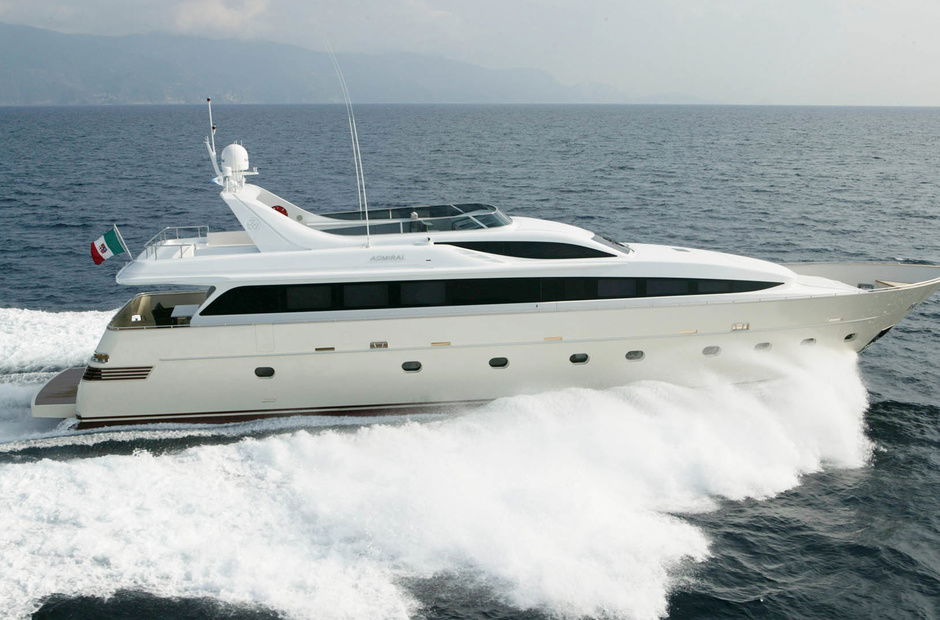

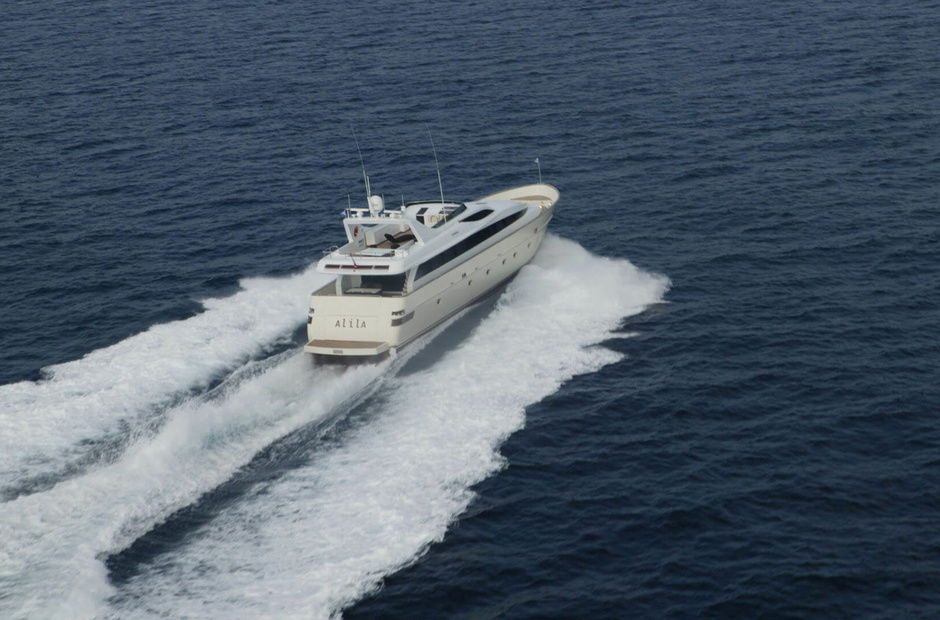
Images have been gathered from various sources and belong to their respective owners.
Review - Admiral Alila

MarineBroker
01/21/2024, 5:08 AM
2005 Admiral Alila: What Buyers and Owners Should Know Before Making a Move
If you’ve been searching for information on the 2005 Admiral Alila, you’re probably trying to answer one big question: is it the right boat for your needs, and what should you watch out for before committing? That’s a smart question to ask. With any yacht or motor vessel, the excitement of ownership can sometimes blur the practical details that matter most, like maintenance history, hull condition, systems reliability, and long-term operating costs.
The truth is, a boat like the 2005 Admiral Alila can be a great find if it’s been properly cared for, but it can also become an expensive headache if key issues are overlooked. Many buyers focus on layout, size, and appearance, but the real value often lies in the details beneath the surface. That’s where a careful approach makes all the difference.
In this article, we’ll break down the common concerns people have when evaluating a vessel like this, what to inspect, and how to make a confident decision without getting overwhelmed.
- Understanding the 2005 Admiral Alila
The 2005 Admiral Alila is the kind of boat that attracts attention from people who appreciate a mix of style, capability, and cruising comfort. Whether you’re looking at it as a potential purchase or simply researching its reputation, the most important thing to remember is that condition matters more than the year alone.
A 2005 model can still be a strong option today, but boats are not like cars in one key way: they age differently depending on use, storage, climate, and maintenance. Two vessels from the same year can have very different stories. One might have been professionally maintained and lightly used, while another could have seen heavy wear, deferred repairs, and system neglect.
That’s why the real question isn’t just “Is the 2005 Admiral Alila a good boat?” It’s “Has this specific boat been maintained in a way that makes it a good boat now?”
- The Most Common Problem Buyers Face
For people interested in a boat like the 2005 Admiral Alila, the biggest challenge is usually uncertainty. It’s easy to fall in love with the layout or the look, but much harder to judge what’s happening behind the scenes.
The most common issues buyers run into include:
- Hidden maintenance backlog
- Older electrical or plumbing systems
- Engine or drivetrain wear
- Moisture intrusion in structural areas
- Outdated electronics
- Cosmetic upgrades hiding deeper mechanical problems
These problems are especially important because they can affect safety, reliability, and cost of ownership. A boat that seems like a deal at first can quickly become expensive if you’re forced to replace pumps, service engines, upgrade wiring, or deal with water damage.
In other words, the problem isn’t always the boat itself. It’s the lack of a clear picture before buying or relying on it.
- Why the 2005 Admiral Alila Can Still Be a Smart Choice
A well-kept 2005 Admiral Alila may still offer plenty of value. Boats from this era often have solid construction, practical layouts, and the kind of onboard space many buyers want without the premium price of a brand-new vessel.
Here’s why people still consider models like this:
- They can offer more space for the money than newer boats
- Older boats may have already had major upgrades completed
- Some owners prefer proven designs over newer, more complex systems
- The market value can be attractive if the vessel is in good condition
The key is to focus on the boat’s actual condition and documentation. A clean survey, detailed service records, and evidence of proper storage can matter more than the age of the hull.
If the boat has been professionally maintained, the 2005 Admiral Alila may deliver a lot of enjoyment without the steep depreciation that hits brand-new boats.
- What to Inspect Before You Buy or Rely on the Boat
If you’re evaluating a boat like this, a thorough inspection is the best solution to the uncertainty problem. Think of it as protecting both your budget and your peace of mind.
Here’s what should be checked carefully:
- Hull and deck condition
- Signs of osmosis, blistering, or stress cracks
- Moisture around windows, hatches, and fittings
- Engine hours and service history
- Generator condition, if equipped
- Battery age and charging systems
- Fuel system integrity
- Plumbing, freshwater tanks, and sanitation systems
- Air conditioning and climate systems
- Navigation electronics and electrical panels
- Steering, thrusters, and control systems
A surveyor and marine mechanic can help separate cosmetic issues from real mechanical concerns. That distinction is important. A faded cushion is annoying, but a failing fuel pump or hidden structural moisture can be a much bigger deal.
If possible, inspect the boat in daylight, during a sea trial, and with systems running. A boat can look great tied to the dock and still reveal problems once underway.
- The Hidden Costs People Often Miss
One reason buyers struggle with the 2005 Admiral Alila or any similar vessel is that they budget for the purchase price but not the follow-up costs. That’s where ownership surprises usually show up.
Common hidden costs include:
- Bottom paint and haul-out fees
- Engine servicing and impeller replacement
- Battery replacement
- Upholstery repairs
- Canvas or enclosure replacement
- Electronics upgrades
- Insurance and registration
- Dockage or storage
- Emergency repairs after purchase
Even if the boat is in decent shape, older vessels often need a “catch-up” period after purchase. That doesn’t mean the boat is a bad choice. It just means you should plan for it.
A practical rule is to keep a maintenance reserve after buying. Many experienced boat owners set aside a percentage of the purchase price each year for upkeep. That way, small issues don’t turn into major stress.
- How to Tell If the Boat Has Been Cared For Properly
A good maintenance history is often the strongest sign that a boat is worth considering. For the 2005 Admiral Alila, documentation can tell you a lot about how the vessel has been treated over time.
Look for:
- Annual engine service records
- Receipts for major repairs or upgrades
- Evidence of winterization or proper layup
- Survey reports from previous sales or insurance checks
- Records of zinc replacement, oil changes, and filter changes
- Notes on electrical or plumbing work
The boat itself can also reveal clues. Clean bilges, labeled wiring, organized storage, and updated service tags usually suggest a hands-on owner who paid attention. On the other hand, corrosion, mildew, random wiring, and neglected equipment can be warning signs.
A well-maintained boat often feels “tight” in operation. Doors close properly, systems respond as expected, and there’s less of the rattling, leaking, or patchwork feeling that comes with deferred maintenance.
- Practical Solution: Use a Step-by-Step Evaluation Process
If you want a simple way to avoid regret, use a structured evaluation process before making any decision on the 2005 Admiral Alila.
Here’s a practical approach:
1. Start with the paperwork
Confirm ownership, registration, service records, and any existing survey reports.
2. Inspect the boat visually
Look for cracks, stains, corrosion, soft spots, or signs of leaks.
3. Test all major systems
Run engines, electronics, pumps, lights, HVAC, and steering.
4. Schedule a marine survey
A qualified surveyor can identify issues you may miss.
5. Bring in a mechanic if needed
If the engines or generator are a concern, get a specialist opinion.
6. Estimate repair and upgrade costs
Compare the asking price to what it will really cost to make the boat ready.
7. Decide based on total value, not emotion
A boat is only a good deal if it fits your budget and usage plan.
This process works because it replaces guesswork with facts. It also helps you avoid overpaying for a boat that looks better than it is.
- What Makes a Boat Like This Worth Owning
For the right buyer, a vessel like the 2005 Admiral Alila can be a very satisfying ownership experience. The value often comes from a combination of space, character, and cruising ability.
People tend to appreciate boats in this category when they offer:
- Comfortable onboard living
- A practical layout for family or guests
- Good seakeeping and handling
- Enough room for extended trips
- A strong balance between price and capability
If your goal is weekend cruising, longer trips, or simply enjoying life on the water with more room than a smaller boat provides, a well-kept 2005 model can make a lot of sense.
The trick is not to buy based on appearance alone. The best value is found when the boat is both appealing and mechanically sound.
- How to Avoid the Biggest Mistakes
When people run into trouble with older boats, it’s usually because they rush the process. That’s especially true for a vessel like the 2005 Admiral Alila, where age alone can create assumptions that are either too optimistic or too negative.
Here are the biggest mistakes to avoid:
- Skipping the survey
- Ignoring service records
- Underestimating system replacement costs
- Assuming cosmetic upgrades mean good maintenance
- Failing to test the boat underway
- Buying without a realistic repair budget
It’s also easy to get distracted by features you don’t actually need. A shiny helm or polished interior may look impressive, but reliability and maintenance history should carry more weight in your decision.
If you’re serious about ownership, patience pays off. Boats reward careful buyers more than impulsive ones.
- Maintenance Tips for Current Owners
If you already own the 2005 Admiral Alila, the best way to protect your investment is to stay ahead of problems instead of reacting to them.
A few smart habits include:
- Change fluids on schedule
- Inspect hoses and clamps regularly
- Keep batteries charged and tested
- Watch for water intrusion after heavy rain or washing
- Flush and clean systems after use
- Check seals around hatches, windows, and fittings
- Service safety gear annually
It also helps to keep a simple log of maintenance and repairs. That record makes future troubleshooting easier and adds value if you ever decide to sell.
Older boats often stay reliable when owners treat small issues early. A loose fitting today can become a leak tomorrow, and a weak battery can lead to bigger electrical frustration later.
- When It Makes Sense to Walk Away
Sometimes the best solution is not to buy, or not to keep investing in a boat that needs too much work. That’s true even if the 2005 Admiral Alila looks like a good opportunity at first.
Consider walking away if:
- The survey reveals major structural concerns
- There is no maintenance history
- Multiple critical systems are failing
- Repair costs exceed the boat’s realistic market value
- The seller is unwilling to answer basic questions
There’s nothing wrong with being selective. In fact, that’s how experienced boaters protect themselves. A good boat should support your time on the water, not dominate your budget and attention.
- Conclusion
The 2005 Admiral Alila can be a worthwhile boat for the right buyer, but the real key is careful evaluation. Age alone doesn’t determine value; maintenance, condition, and documentation matter far more. By inspecting the hull, testing systems, reviewing records, and budgeting for ongoing upkeep, you can avoid the most common surprises and make a more confident decision.
Whether you’re considering a purchase or already own one, the smartest approach is the same: stay practical, stay informed, and don’t let first impressions do all the work. If you want to go deeper, a marine surveyor or trusted boat mechanic can help you get a clearer picture before you commit.
Specifications
General
Boat Type: Power Boats
Class Type: Mega Yacht
Specifications
Length: 104.99
Beam: 23.29
Draft: 7.55
Hull Material: Aluminium
Build
First Built: 2005
Propulsion
Fuel Type: Diesel
Engines: 2
Power: 2285 HP
Brand: MTU
Accomodation
Cabins: 4
PROS & CONS
What we appreciated
 Classic and elegant design with timeless appealSolid build quality typical of Admiral boatsSpacious interior layout suitable for comfortable cruisingGood handling and stability in various sea conditionsWell-maintained models have reliable mechanical systems
What we didn’t appreciate
 Older model may require more frequent maintenanceLimited modern technology and electronics compared to newer boatsFuel efficiency may be lower than contemporary designsPotentially higher costs for replacement parts due to ageInterior fittings and materials might show signs of wear
Upkeep Costs
Fuel: Approximately $2,000 - $4,000 per year depending on usage
Maintenance and Repairs: Around $1,000 - $3,000 annually
Insurance: Typically $500 - $1,200 per year
Storage and Docking: Between $1,200 - $3,000 yearly
Registration and Taxes: Approximately $100 - $300 annually
Rating
8.0
User
Score
Score
Driveability
Technology
Interior
Design
Similar Boats


MarineBroker
Download now for an immersive boat experience like never before! ⛵✨ Your journey begins with a simple click. 🌊📲
#SetSailSmart #DownloadNow
#SetSailSmart #DownloadNow

Subscribe
Copyright 2017 - 2026, Marinebroker.net, All Rights Reserved