Boat Database » Azimut Seven Star
Azimut Seven Star
Inboard Direct-Drive, Diesel, 2x 2216 HP
Power Boats 2005 Azimut Seven Star: What to Know Before Buying, Inspecting, or Upgrading This Classic Yacht
The 2005 Azimut Seven Star still gets attention for a reason. It has that unmistakable Italian styling, a roomy layout, and the kind ...
Discover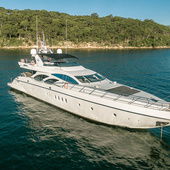
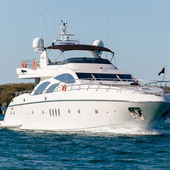
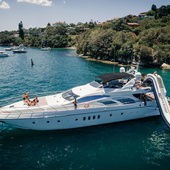
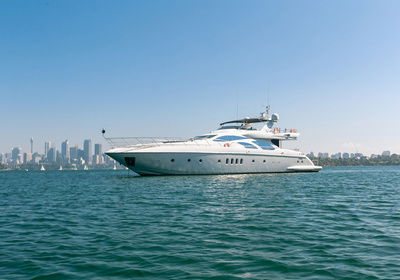
Images have been gathered from various sources and belong to their respective owners.
Review - Azimut Seven Star

MarineBroker
07/03/2024, 1:53 PM
2005 Azimut Seven Star: What to Know Before Buying, Inspecting, or Upgrading This Classic Yacht
The 2005 Azimut Seven Star still gets attention for a reason. It has that unmistakable Italian styling, a roomy layout, and the kind of onboard comfort that makes people imagine long weekends on the water instead of just short day trips. But if you’re seriously looking at one, the big question is not just whether it looks good on paper. It’s whether the boat still makes sense today.
That’s where a lot of buyers get stuck. Older luxury yachts can be fantastic values, but they can also come with hidden maintenance issues, aging systems, and costs that surprise first-time owners. The 2005 Azimut Seven Star is no exception. It may be a great boat for the right buyer, but only if you know what to check, what tends to wear out, and how to plan for ownership realistically.
In this article, we’ll break down the common concerns, what makes this model appealing, and how to approach it with confidence. If you’re considering a purchase, already own one, or just want to understand the boat better, this guide will help you make smarter decisions.
- Why the 2005 Azimut Seven Star still attracts buyers
The 2005 Azimut Seven Star sits in a sweet spot for many yacht shoppers. It offers a premium brand name, a distinctive European design, and a layout that was built to feel more like a floating apartment than a simple cruiser.
For many people, that combination is the appeal.
Here’s why it continues to stand out:
- Strong visual design with sleek lines and a modern profile
- Comfortable interior spaces for entertaining and extended stays
- A layout that often feels larger than expected for its class
- Good resale interest among buyers who like Italian motor yachts
The challenge is that age changes everything. Even a well-built yacht from 2005 will have systems that need attention. Upholstery, electronics, pumps, seals, hoses, and mechanical components all age over time, whether the boat is used every weekend or sits more often than it should.
So the real value of the 2005 Azimut Seven Star is not just in the model itself. It’s in how well it has been maintained.
- The main problem buyers face with older luxury yachts
The biggest issue with a boat like the 2005 Azimut Seven Star is not usually one single flaw. It’s the accumulation of smaller issues that can become expensive if ignored.
Common buyer concerns include:
- Deferred maintenance
- Outdated navigation and entertainment electronics
- Wear in the engines, generators, and drivetrains
- Aging plumbing and electrical systems
- Moisture intrusion or cosmetic wear
- Higher-than-expected ownership costs
This is especially important for buyers who are moving up from smaller boats. A yacht can look clean and ready on the surface, but older systems may be nearing the end of their service life.
A good rule of thumb: if a luxury yacht is priced attractively, ask yourself why. Sometimes it’s a genuine opportunity. Other times, the lower price reflects upcoming repair bills.
- What to inspect first on a 2005 Azimut Seven Star
If you’re evaluating a 2005 Azimut Seven Star, start with the systems that cost the most to fix. A pretty interior can distract people from the things that matter most.
Focus on these areas first:
- Engines and service records
- Generator condition and hours
- Transmission and shaft alignment
- Hull condition and moisture readings
- Electrical panels and wiring
- Air conditioning and refrigeration systems
- Plumbing, freshwater, and sanitation systems
- Navigation electronics and helm controls
A proper marine survey is essential, but don’t stop there. A survey tells you what is visible and measurable. A sea trial tells you how the boat behaves under load, at cruising speed, and during maneuvering.
During inspection, ask questions like:
- When were the engines last serviced?
- Has the generator been rebuilt or replaced?
- Are there any recurring alarms or faults?
- Have the fuel tanks been cleaned?
- Any history of leaks around windows, hatches, or deck fittings?
- What has been updated in the last five years?
If the seller can’t answer clearly, that’s a warning sign.
- Common age-related issues to watch for
Every yacht model has its own personality, but older Azimut boats often share some familiar maintenance themes. The 2005 Azimut Seven Star is no different.
Watch for these typical concerns:
- Soft spots or moisture in teak decks
- Aging caulking and sealant around windows and fittings
- Electrical gremlins from old wiring or corroded connections
- Electronics that are obsolete or difficult to service
- Worn upholstery, headliners, or soft furnishings
- Cooling system issues from neglected maintenance
- Hydraulic system leaks, if equipped with moving hardtops or platforms
None of these automatically make the boat a bad buy. But they do affect the real cost of ownership.
For example, replacing a full electronics suite can be a major project. So can reconditioning teak or refreshing interior fabrics. These are not just cosmetic upgrades; they can add up quickly if you try to handle everything at once.
- How to judge whether the boat has been cared for properly
A well-maintained yacht usually gives itself away. The details matter.
Look for signs like:
- Organized service records
- Clean engine room with labeled systems
- Regular oil and filter changes documented
- Evidence of winterization or seasonal prep
- Fresh hoses, clamps, and belts where appropriate
- Updated safety gear
- Clean bilges with minimal odor or standing water
On the other hand, be cautious if you see:
- Missing maintenance logs
- Heavy corrosion in the engine room
- Sloppy wiring repairs
- Fresh paint covering old problems
- Strong fuel, mildew, or sewage smells
- Water stains in hidden corners or under cushions
A yacht can be cosmetically polished and still be mechanically tired. The best owners usually keep records and replace parts before they fail.
That kind of care matters even more on an older premium yacht like the 2005 Azimut Seven Star.
- Budgeting for ownership the smart way
One of the most common mistakes buyers make is focusing only on the purchase price. With a yacht, that’s only the beginning.
A realistic ownership budget should include:
- Annual maintenance
- Bottom cleaning and haul-outs
- Engine and generator service
- Insurance
- Dockage or marina fees
- Fuel
- Winter storage, if needed
- Unexpected repairs
- Cosmetic refreshes over time
If the boat needs work, create two budgets:
1. Immediate repairs after purchase
2. Ongoing annual ownership costs
This helps you avoid the trap of “cheap boat, expensive year.”
For an older yacht, it’s smart to leave room in your budget for surprise items. Even a well-kept 2005 Azimut Seven Star may need attention in areas that aren’t obvious during a quick walk-through.
- Where this model can really shine
When properly maintained, the 2005 Azimut Seven Star can still be a very enjoyable yacht. It’s a good fit for buyers who value style, comfort, and the social side of boating.
It tends to work well for:
- Coastal cruising
- Weekend entertaining
- Family trips with overnight stays
- Owners who want a luxury feel without buying new
- Buyers who are comfortable with maintenance planning
The layout and onboard atmosphere are often the biggest selling points. People like these boats because they feel inviting. They’re built for relaxing, not just getting from point A to point B.
That said, the boat is best suited to someone who understands that older luxury means active ownership. If you enjoy staying ahead of maintenance and working with a good marine service team, it can be a rewarding platform.
- Practical solution: how to buy or own one without headaches
The best solution is not to avoid the 2005 Azimut Seven Star. It’s to approach it with a clear plan.
Here’s a practical strategy:
- Hire a qualified marine surveyor
- Use a mechanic familiar with the brand and engine package
- Review all service records before making an offer
- Sea trial the boat under real operating conditions
- Inspect hidden areas, not just visible surfaces
- Estimate post-purchase upgrades before closing
- Set aside a repair reserve from day one
If you already own one, the same logic applies. Build a maintenance calendar and stick to it.
A simple ownership checklist might include:
- Monthly engine room checks
- Regular fluid inspections
- Bilge cleaning and pump testing
- Battery and charger monitoring
- Air conditioning servicing
- Plumbing leak checks
- Annual haul-out and hull inspection
This kind of routine prevents small problems from becoming large ones.
- Upgrades that can make a big difference
If you’re looking at a 2005 Azimut Seven Star and want to improve usability, focus on upgrades that increase reliability and comfort.
High-value upgrades often include:
- Modern chartplotter and radar systems
- New batteries and charging components
- LED lighting conversion
- Upgraded upholstery and soft goods
- Improved audio/visual systems
- Fresh marine-grade hoses and clamps
- Newer pumps and critical electrical parts
Not every upgrade needs to be dramatic. Sometimes the most useful changes are the ones you barely notice because they make the boat easier to live with.
For example, updated navigation electronics can make cruising safer and less stressful. Better cooling or quieter systems can also change how the boat feels during a hot summer weekend.
- Questions to ask before making an offer
Before you commit to a 2005 Azimut Seven Star, get clear answers to these questions:
- What is the current condition of the engines?
- Are all maintenance records available?
- Has the boat had any major repairs?
- Are there signs of water intrusion?
- Which systems are original and which have been updated?
- What is the estimated cost of immediate repairs?
- Has the boat been stored properly during off-season periods?
These questions help you separate a carefully maintained yacht from one that has simply been cleaned up for sale.
If the seller is transparent and the records back up the condition, that’s a good sign. If the answers are vague, proceed carefully.
- Who this yacht is best for
The 2005 Azimut Seven Star is usually a strong match for buyers who:
- Appreciate classic European yacht styling
- Want a comfortable cruiser with a premium feel
- Understand older boat maintenance
- Are willing to budget for upkeep
- Prefer value over buying brand new
It may not be the best choice for someone who wants a low-maintenance, turn-key experience with minimal involvement. Older yachts can absolutely be enjoyable, but they reward owners who stay proactive.
If you like the idea of a well-kept luxury yacht and don’t mind doing the homework, this model can still offer a lot.
- Final thoughts before you decide
The 2005 Azimut Seven Star can be a very appealing yacht, but the key is knowing what you’re buying. Style, comfort, and brand reputation are only part of the story. The real value comes from maintenance history, system condition, and how well the boat has been cared for over time.
If you inspect carefully, budget realistically, and plan for ownership beyond the purchase price, you can avoid the common pitfalls that catch many buyers off guard. That’s the smartest way to enjoy a yacht like this without turning it into a constant repair project.
If you’re serious about the 2005 Azimut Seven Star, take your time, ask detailed questions, and lean on professional surveyors and mechanics. A little extra effort up front can save a lot of stress later.
Specifications
General
Boat Type: Power Boats
Class Type: Mega Yacht
Specifications
Length: 98.1
Beam: 21.98
Draft: 6.89
Hull Material: GRP
Build
First Built: 2005
Propulsion
Fuel Type: Diesel
Engines: 2
Power: 2216 HP
Brand: Unknown
Accomodation
Cabins: 4
PROS & CONS
What we appreciated
 Luxurious Italian design with sleek and stylish aestheticsSpacious interior with high-quality materials and finishesComfortable accommodation for multiple guestsPowerful engines providing good performance and speedWell-equipped with modern navigation and entertainment systems for its time
What we didn’t appreciate
 Older model, so may require more maintenance and updatesFuel consumption can be high due to powerful enginesLimited availability of specific replacement parts due to ageTechnology and systems may be outdated compared to newer modelsPotentially higher running costs associated with luxury yachts of this age
Upkeep Costs
Fuel: Approximately $10,000 - $20,000 per year depending on usage
Maintenance and Repairs: $15,000 - $25,000 per year
Docking and Storage: $5,000 - $15,000 per year
Insurance: $3,000 - $7,000 per year
Annual Surveys and Registration: $1,000 - $2,000 per year
Rating
7.7
User
Score
Score
Driveability
Technology
Interior
Design
Similar Boats


MarineBroker
Download now for an immersive boat experience like never before! ⛵✨ Your journey begins with a simple click. 🌊📲
#SetSailSmart #DownloadNow
#SetSailSmart #DownloadNow

Subscribe
Copyright 2017 - 2026, Marinebroker.net, All Rights Reserved