Boat Database » Abeking & Rasmussen Castor
Abeking & Rasmussen Castor
Inboard Direct-Drive, Diesel, 2x 2250 HP
Power Boats 1962 Abeking & Rasmussen Castor: How to Preserve, Enjoy, and Navigate a Classic Yacht Today
The 1962 Abeking & Rasmussen Castor is more than just a vintage boat name—it represents a very specific kind of boating experience: elega...
Discover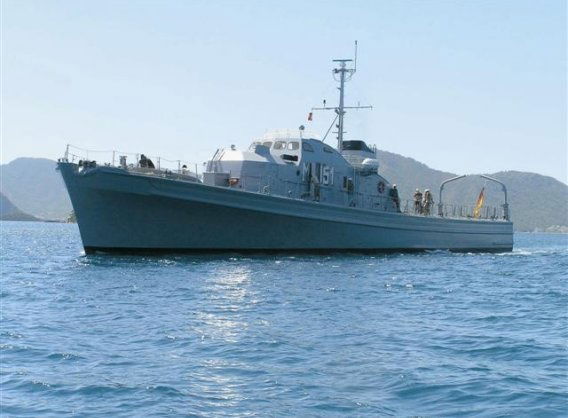
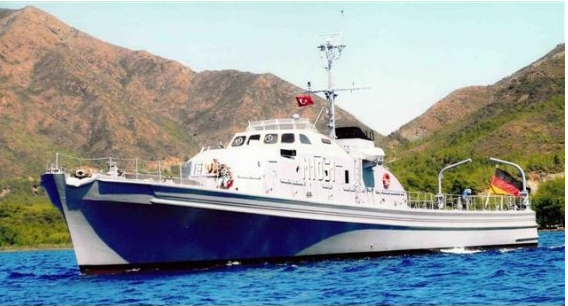
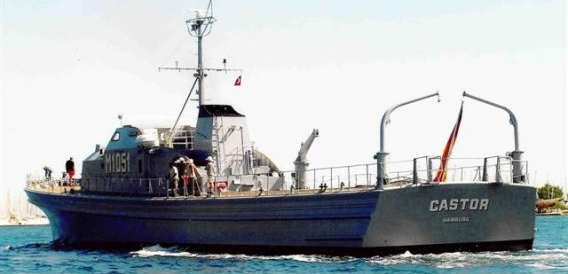
Images have been gathered from various sources and belong to their respective owners.
Review - Abeking & Rasmussen Castor

MarineBroker
01/18/2024, 12:13 PM
1962 Abeking & Rasmussen Castor: How to Preserve, Enjoy, and Navigate a Classic Yacht Today
The 1962 Abeking & Rasmussen Castor is more than just a vintage boat name—it represents a very specific kind of boating experience: elegant lines, classic craftsmanship, and the kind of character modern production boats rarely match. If you’re interested in this yacht, chances are you’re not just looking at a pretty hull. You’re probably trying to figure out how to care for it, evaluate it, and actually enjoy it without getting overwhelmed by the realities of owning a classic vessel.
That’s the real challenge with a boat like the 1962 Abeking & Rasmussen Castor. Classic yachts are rewarding, but they can also be demanding. Age brings charm, but it also brings maintenance, sourcing issues, and questions about what’s original, what’s been modified, and what needs attention right now. For many enthusiasts, the problem isn’t admiration—it’s knowing how to turn admiration into practical ownership.
The good news is that with the right approach, a classic yacht can be both manageable and deeply satisfying. Whether you’re researching, restoring, buying, or simply learning more, there are smart ways to protect value, reduce stress, and keep the boat enjoyable for years to come.
- Why the 1962 Abeking & Rasmussen Castor Still Matters
Abeking & Rasmussen has long been associated with high-quality yacht building, and the 1962 Castor reflects that heritage. Boats from this era were often built with exceptional attention to detail, solid materials, and a level of craftsmanship that still earns respect today.
For enthusiasts, the appeal is easy to understand:
- Timeless design that stands apart from modern yachts
- Strong historical and collector interest
- Mechanical and structural character that can be preserved
- A more personal, hands-on boating experience
That said, classic yachts are not “set and forget” vessels. They reward owners who understand their needs and plan accordingly.
The main issue many people face with a classic like the 1962 Abeking & Rasmussen Castor is balancing authenticity with usability. You want to preserve what makes the boat special, but you also need it to be reliable, safe, and practical for real-world use.
- The Most Common Problem: Owning a Classic Yacht Without a Clear Maintenance Plan
If you’re drawn to the 1962 Abeking & Rasmussen Castor, the biggest hurdle is usually maintenance planning.
Older yachts can hide small issues that become expensive if ignored. Wood movement, aging systems, outdated wiring, corrosion, and seal failure are all common concerns on vintage vessels. Even if the boat looks beautiful on the surface, the real condition may only become obvious after a proper inspection.
Here’s why this matters:
- A classic yacht can look “ready” while still needing major work
- Replacement parts may be custom, rare, or no longer manufactured
- Deferred maintenance tends to compound quickly
- Restoring too much at once can become expensive and stressful
The solution is not to avoid the boat. It’s to approach ownership with a structured, informed plan.
- How to Evaluate a 1962 Abeking & Rasmussen Castor Before You Commit
Whether you’re buying, restoring, or just assessing a vessel, the first step is a thorough evaluation. Classic yachts deserve a more detailed inspection than a newer production boat.
Start with these key areas:
- Hull and structure
Check for signs of moisture intrusion, delamination, corrosion, or past repairs. On older boats, hidden structural issues can be more important than cosmetic flaws.
- Deck and superstructure
Look for soft spots, cracked caulking, warping, or movement around fittings. Water intrusion often starts here.
- Engine and mechanical systems
Older engines may still run well, but age-related wear, parts availability, and service history matter a lot.
- Electrical systems
Outdated wiring is common on classic yachts. Safety and reliability should be top priorities.
- Interior condition
Cabinetry, joinery, upholstery, and ventilation all affect both comfort and preservation.
- Documentation
Service records, refit history, ownership papers, and original build information can be extremely valuable.
If you’re not experienced with classic yachts, hire a surveyor who understands vintage construction. A general marine survey is useful, but a specialist in classic wood or heritage yachts is even better.
- A Practical Preservation Strategy for the 1962 Abeking & Rasmussen Castor
One of the smartest ways to enjoy a classic yacht is to preserve it in stages instead of trying to “fix everything” at once.
That approach usually works better because it gives you time to identify priorities, manage costs, and avoid unnecessary changes.
A sensible preservation strategy looks like this:
- Stabilize first
Address anything that threatens safety, structure, or watertight integrity before focusing on cosmetics.
- Document everything
Take photos, keep records, and note all repairs and replacements. This helps with future maintenance and value retention.
- Preserve original character
Keep original joinery, fittings, and design details whenever they are still functional and safe.
- Upgrade selectively
Modernize only where it improves reliability or safety, such as navigation electronics, bilge pumping, or electrical protection.
- Work in phases
Break the project into manageable parts: structure, systems, cosmetics, and comfort.
This approach helps you avoid the common trap of over-restoring a classic yacht into something that loses its authenticity.
- 1962 Abeking & Rasmussen Castor: What to Prioritize in a Refit
If you’re planning a refit, the goal should be to make the boat safer and easier to use without stripping away its vintage identity.
The best refit priorities usually include:
- Safety systems
Fire suppression, bilge pumps, alarms, and emergency gear should be current and dependable.
- Electrical reliability
Replace questionable wiring, old panels, and weak connections. This is one of the best investments you can make.
- Engine serviceability
Even if the engine is original, make sure it can be maintained with available parts and support.
- Moisture control
Improve ventilation, seal vulnerable areas, and prevent hidden water damage.
- Navigation support
Discreet modern electronics can make a classic yacht much easier to operate while keeping the look traditional.
- Comfort improvements
Small upgrades like insulation, climate control, or better lighting can dramatically improve usability.
The key is restraint. A refit should support the boat’s original spirit, not erase it.
- How to Keep a Classic Yacht Like This Reliable on the Water
A classic yacht can absolutely remain reliable, but it requires consistency. The owners who enjoy these boats most are usually the ones who stay ahead of problems instead of reacting to them.
A good maintenance rhythm includes:
1. Regular inspections
Check bilges, fasteners, hoses, seals, and visible wiring before and after trips.
2. Seasonal servicing
Prepare the boat properly for launch and haul-out seasons.
3. Engine and system checks
Run through fluid levels, filters, belts, batteries, and cooling systems on a schedule.
4. Moisture monitoring
Watch for leaks around windows, hatches, deck fittings, and through-hulls.
5. Cleaning and protection
Salt, UV exposure, and grime accelerate wear. Keeping the boat clean is not cosmetic—it’s preventive care.
A useful rule of thumb: if a small issue appears twice, treat it like a real maintenance item, not a nuisance. Classic yachts rarely forgive “I’ll deal with it later.”
- What Makes the 1962 Abeking & Rasmussen Castor Attractive to Enthusiasts
People interested in the 1962 Abeking & Rasmussen Castor are usually drawn to more than just age. They’re often looking for a yacht with presence, history, and a distinct identity.
That appeal often comes from a few things:
- Craftsmanship you can still see and feel
- A design language that feels elegant rather than trendy
- The satisfaction of preserving something meaningful
- A boating experience that feels slower, more deliberate, and more personal
Classic yacht ownership is as much about stewardship as it is about leisure. You’re not just using the boat—you’re helping carry it forward.
That’s a big reason these vessels continue to attract collectors, restorers, and serious boating enthusiasts.
- Common Mistakes to Avoid with a Classic Yacht
A lot of first-time classic yacht owners run into trouble because they underestimate the difference between a vintage boat and a modern one.
Here are the most common mistakes:
- Buying based on appearance alone
A polished exterior can hide expensive structural or mechanical issues.
- Ignoring documentation
Without records, it’s harder to understand what has been repaired, replaced, or modified.
- Over-upgrading
Too many modern changes can reduce authenticity and sometimes even lower collector interest.
- Skipping specialist help
Classic yachts often need experts who understand older construction methods.
- Delaying small repairs
Minor leaks, loose fittings, and electrical issues can become major problems quickly.
- Underestimating operating costs
Even a well-kept classic yacht usually requires more care than a newer boat.
Avoiding these mistakes can save a lot of money and frustration.
- How to Enjoy the Boat Without Feeling Overwhelmed
One of the best things about a classic yacht like the 1962 Abeking & Rasmussen Castor is that it can still be deeply enjoyable if your expectations are realistic.
You don’t need to make it perfect to make it worthwhile.
A few practical habits help a lot:
- Use the boat regularly enough to keep systems active
- Keep a simple maintenance log
- Build relationships with marine specialists who know older vessels
- Focus on reliability first, beauty second
- Accept that some quirks are part of the experience
Classic boat ownership works best when you treat it as an ongoing relationship, not a one-time project.
If you can do that, the reward is huge: a yacht with personality, history, and real presence on the water.
- When a Professional Survey or Refit Team Is Worth It
There are times when DIY is fine, and there are times when it’s not. With a yacht like this, professional help is often worth the cost if you’re dealing with anything structural, electrical, or safety-related.
Bring in professionals when:
- You’re evaluating a purchase
- You suspect water intrusion or hidden damage
- The electrical system is outdated or unsafe
- The engine needs major work
- You’re planning a major refit
- You want to preserve historical value
A good surveyor or refit specialist can help you separate urgent issues from cosmetic ones. That alone can save time, money, and stress.
- Conclusion
The 1962 Abeking & Rasmussen Castor appeals to people who appreciate classic yacht design, craftsmanship, and the unique satisfaction of owning something with history. But like any vintage vessel, it comes with real-world responsibilities. The best way to enjoy it is to combine admiration with a practical plan: inspect carefully, preserve what matters, upgrade where it counts, and stay ahead of maintenance.
If you approach ownership thoughtfully, a classic yacht can be both beautiful and dependable. Whether you’re researching, restoring, or preparing to buy, the key is simple: protect the boat’s character while making it safe and usable. That balance is what keeps a classic like this rewarding over the long run. If you want to go further, keep learning from classic yacht specialists, surveyors, and restoration resources before making your next move.
Specifications
General
Boat Type: Power Boats
Class Type: Mega Yacht
Specifications
Length: 155.84
Beam: 22.64
Draft: 5.91
Hull Material: Steel
Build
First Built: 1962
Propulsion
Fuel Type: Diesel
Engines: 2
Power: 2250 HP
Brand: MTU
Accomodation
Cabins: 8
PROS & CONS
What we appreciated
 Classic and timeless design with high aesthetic appealCrafted by renowned German shipyard Abeking & Rasmussen, known for quality and craftsmanshipSolid construction using traditional methods and high-quality materialsSpacious deck layout suitable for leisure cruisingPotential for restoration and customization due to vintage status
What we didn’t appreciate
 Older vessel may require extensive maintenance and restorationLimited modern amenities and outdated onboard systemsPotentially higher operating costs due to age and parts availabilityLower fuel efficiency compared to modern boatsPossible challenges in finding replacement parts and specialized expertise
Upkeep Costs
Annual maintenance and repairs: $5,000 - $15,000
Docking and mooring fees: $3,000 - $7,000 per year
Insurance: $1,500 - $4,000 per year
Fuel and engine operation: $2,000 - $6,000 per year
Winterization and storage: $1,000 - $3,000 per year

Rating
6.3
User
Score
Score
Driveability
Technology
Interior
Design
Similar Boats


MarineBroker
Download now for an immersive boat experience like never before! ⛵✨ Your journey begins with a simple click. 🌊📲
#SetSailSmart #DownloadNow
#SetSailSmart #DownloadNow

Subscribe
Copyright 2017 - 2026, Marinebroker.net, All Rights Reserved