Boat Database » AB Inflatables Navigo 12 VS
AB Inflatables Navigo 12 VS
Outboard four-stroke, Unleaded, 1x 30 HP
Power Boats 2019 AB Inflatables Navigo 12 VS: How to Choose, Set Up, and Use a Compact RIB the Smart Way
If you’ve been looking at the 2019 AB Inflatables Navigo 12 VS, chances are you’re trying to solve a pretty common boating problem: you ...
Discover
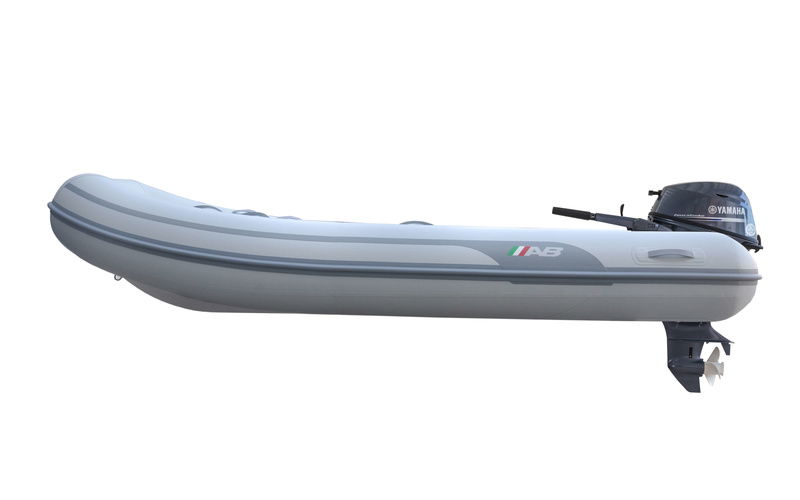
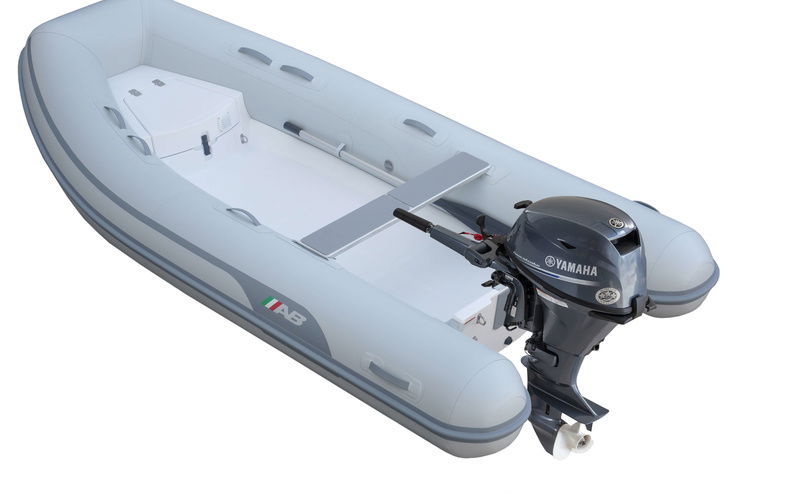
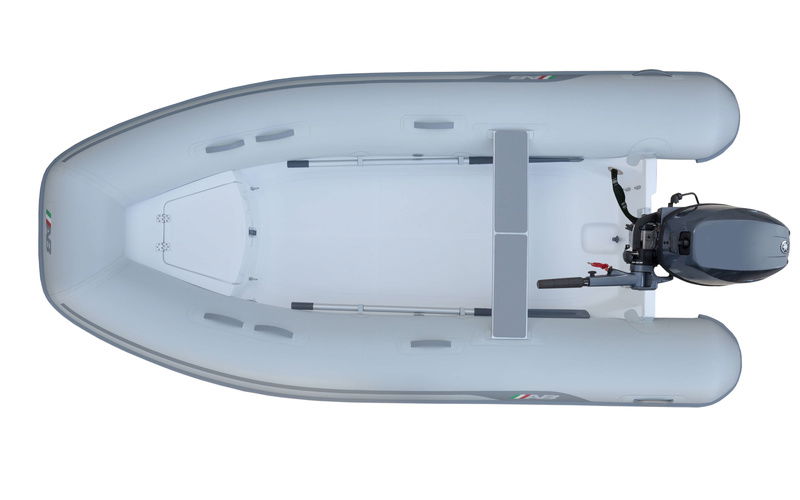
Images have been gathered from various sources and belong to their respective owners.
Review - AB Inflatables Navigo 12 VS

MarineBroker
01/15/2024, 6:08 AM
2019 AB Inflatables Navigo 12 VS: How to Choose, Set Up, and Use a Compact RIB the Smart Way
If you’ve been looking at the 2019 AB Inflatables Navigo 12 VS, chances are you’re trying to solve a pretty common boating problem: you want a small boat that’s easy to handle, but you don’t want to give up stability, safety, or real utility on the water. That’s exactly where compact rigid inflatable boats, or RIBs, tend to shine.
The challenge is that a boat like the 2019 AB Inflatables Navigo 12 VS can look simple on paper, but the real questions come after the purchase. Is it the right size for your needs? How should you rig it? What kind of motor works best? How do you keep it performing well without turning ownership into a chore?
This article breaks down those questions in a practical way. Whether you’re thinking about buying one, already own one, or are comparing it to other small tenders and runabouts, you’ll get a clearer picture of how to use a compact inflatable boat effectively. The goal is simple: help you make the boat easier to live with and more enjoyable every time you get on the water.
- What Makes the 2019 AB Inflatables Navigo 12 VS Worth Considering
The 2019 AB Inflatables Navigo 12 VS is a 12-foot-class rigid inflatable boat designed for people who want a lightweight, versatile platform. Boats in this category are often used as tenders, harbor runners, family day boats, or quick transport between shore and anchor.
What makes this type of boat appealing is the balance it offers.
You get:
- A stable ride thanks to the inflatable tubes
- A rigid hull for better tracking and handling
- Easier storage and launching than many hard-sided boats
- A size that works well for solo use or small crews
For many owners, the problem isn’t whether the boat is capable. It’s whether the boat fits their routine. A compact RIB is ideal if you want something that can move quickly, dock easily, and handle a range of light-duty jobs without requiring a huge trailer, massive engine, or large crew.
The Navigo line is especially attractive to boaters who value practicality. It’s not trying to be a luxury cruiser or a high-performance offshore machine. Instead, it focuses on being useful, manageable, and dependable in everyday conditions.
- The Most Common Problem Buyers Face With Small RIBs
The biggest issue people run into with a boat like the 2019 AB Inflatables Navigo 12 VS is not the boat itself, but mismatched expectations.
A lot of first-time buyers assume a 12-foot RIB will behave like a much larger boat. Others expect it to be ultra-light and effortless in every condition. In reality, small RIBs are excellent tools, but they work best when matched to the right use case.
Common pain points include:
- Choosing the wrong engine size
- Overloading the boat with gear or passengers
- Underestimating storage and transport needs
- Not knowing how to maintain tubes and hull properly
- Expecting offshore performance from a compact tender-style boat
If you solve those issues early, ownership becomes much easier. The key is to think of the boat as a system: hull, tubes, motor, load, and maintenance all work together.
- How to Decide if the 2019 AB Inflatables Navigo 12 VS Fits Your Needs
Before you buy or commit to using a 2019 AB Inflatables Navigo 12 VS, it helps to ask a few practical questions.
- How many people will you usually carry?
- Will the boat be used mostly as a tender, fishing boat, or short-range runabout?
- Will you launch it from a trailer, davits, or a dock?
- Do you need portability more than speed?
- How much storage space do you have on land?
A 12-foot RIB is usually best for:
- Short trips
- Harbor and bay use
- Tender duties
- Light fishing or exploring
- Quick errands on the water
It may not be the best choice if you regularly need:
- Large passenger capacity
- Heavy gear hauling
- Long offshore runs
- High-speed performance in rough water
A helpful rule of thumb: if your boating style is mostly “simple, quick, and close to shore,” this size can be a great fit. If your style is “long days with lots of people and equipment,” you may want to step up in size.
- 2019 AB Inflatables Navigo 12 VS Setup Tips for Better Performance
One of the easiest ways to improve your experience is to set the boat up correctly from the start. Many performance complaints come from poor setup rather than a bad boat.
- Choose the Right Engine
For a compact RIB like the 2019 AB Inflatables Navigo 12 VS, engine choice matters a lot. Too little power can make the boat feel sluggish, especially with two adults and gear. Too much power can make handling less predictable and increase fuel use.
A good setup usually aims for:
- Smooth planing
- Predictable throttle response
- Comfortable cruising speed
- Reasonable fuel efficiency
If you’re unsure, consult the manufacturer’s recommended horsepower range and stay within it. That range exists for a reason: it balances performance, safety, and hull stress.
- Balance the Load
Weight distribution makes a big difference on small boats. If everyone sits in the back, the bow may ride too high. If gear is piled unevenly, the boat can feel unstable or inefficient.
Try to:
- Keep heavy items low and centered
- Distribute passengers evenly
- Avoid stacking unnecessary gear
- Store anchor, fuel, and coolers where they won’t shift
With a small boat, a little organization goes a long way.
- Use the Right Propeller
The propeller can change how the boat accelerates, how it planes, and how efficiently it runs. If the boat feels underpowered or over-revved, the prop may be part of the issue.
A properly matched prop helps with:
- Better hole shot
- Lower fuel burn
- Smoother cruising
- Less engine strain
If you’ve never changed props before, it’s worth getting advice from a marine mechanic or dealer who understands small outboards and RIB hulls.
- How to Make a Small RIB Feel Safer and More Comfortable
Safety on a small boat is mostly about preparation and habits. The 2019 AB Inflatables Navigo 12 VS can be a very confidence-inspiring ride when used thoughtfully.
- Wear Life Jackets Consistently
This may sound obvious, but small boats benefit more than most from simple safety habits. Even on calm days, conditions can change quickly.
Make sure:
- Every passenger has a properly fitted life jacket
- Children wear theirs at all times
- You keep extras onboard for guests
- Carry the Essentials
A small boat should still be equipped for basic emergencies. You don’t need to overpack, but you do need the right items.
Useful basics include:
- Paddle or oar backup
- Throwable flotation device
- Waterproof phone or radio
- First-aid kit
- Bilge pump or bailer
- Anchor and line
- Navigation lights if operating at dawn or dusk
- Check Weather and Water Conditions
Because a compact RIB sits lower and has less mass than a larger boat, it can be more affected by wind, chop, and wake. That doesn’t mean it’s unsafe. It just means you need to be more aware.
Before heading out:
- Check wind speed and direction
- Look at tide and current if applicable
- Avoid overloading in rough conditions
- Give yourself a margin for return time
- Maintenance Habits That Keep the 2019 AB Inflatables Navigo 12 VS in Good Shape
A small inflatable boat is easier to maintain than many larger boats, but it still needs regular care. The good news is that a little routine attention prevents most headaches.
- Rinse After Every Use
Salt, sand, and grime can wear on both the hull and the tubes. A quick freshwater rinse after use helps extend the life of the boat and keeps hardware from corroding.
Pay attention to:
- Tube seams
- Cleats and fittings
- Engine mounting area
- Floor and non-skid surfaces
- Inspect the Tubes
Inflatable tubes should be checked regularly for pressure, wear, and small leaks. Temperature changes can affect tube pressure, so don’t assume the boat is always fine just because it looked good last week.
Look for:
- Soft spots
- Scrapes or abrasions
- Loose valves
- Signs of UV damage
If you spot a slow leak early, repairs are usually much simpler.
- Protect Against UV Exposure
Sunlight is one of the biggest long-term threats to inflatable materials. If the boat sits outside often, use a cover or store it in shade when possible.
Helpful habits:
- Apply UV protectant approved for inflatable materials
- Avoid unnecessary long-term sun exposure
- Cover the boat when not in use
- Service the Outboard Regularly
The boat may be compact, but the engine still needs proper care. Follow the maintenance schedule for oil changes, fuel system checks, and lower unit inspection.
At minimum:
- Flush the engine after saltwater use
- Check fuel lines and primer bulb
- Inspect the prop for damage
- Keep spare shear pins or prop hardware if applicable
- Best Uses for the 2019 AB Inflatables Navigo 12 VS
This boat works best when you use it for the kind of tasks it was designed to handle. That’s where it becomes genuinely valuable.
- Tender Duties
If you need a reliable way to get from a mooring or anchored boat to shore, a 12-foot RIB is often ideal. It’s compact, stable, and easier to board than many flat-bottom tenders.
- Short Coastal or Harbor Trips
For quick runs in protected waters, the boat offers a practical mix of speed and stability. It’s especially useful when you want something that’s easier to launch than a larger runabout.
- Light Fishing
With the right setup, a compact RIB can be a very capable fishing platform for inshore waters. It’s not about huge deck space. It’s about getting to the spot quickly and comfortably.
- Family Fun
For small families or couples, this size can be enough for relaxed outings, swimming stops, and exploring calm bays or lakes.
- Common Mistakes to Avoid With a Small Inflatable Boat
A lot of frustration can be avoided by skipping a few common mistakes.
- Overloading the Boat
Small boats can only carry so much safely. Too much weight affects planing, fuel economy, handling, and freeboard.
- Ignoring Engine Match
The wrong engine setup can make even a good boat feel disappointing. Always match power to the hull and use case.
- Neglecting Tube Pressure
Underinflated tubes reduce performance and can make the boat feel less stable. Overinflation can be just as problematic in hot weather.
- Forgetting to Secure Gear
Loose items become hazards fast on a small deck. Use bags, straps, and bins to keep things in place.
- Skipping Routine Checks
Small issues grow quickly on boats. A loose fitting or minor leak is much easier to fix early than after a weekend of use.
- How to Compare the 2019 AB Inflatables Navigo 12 VS to Similar Boats
If you’re cross-shopping, compare boats using practical criteria instead of just size or appearance.
Look at:
- Hull design
- Tube quality
- Weight
- Maximum load
- Engine range
- Storage needs
- Ease of towing or lifting
- Dealer support and parts availability
The 2019 AB Inflatables Navigo 12 VS may stand out if you value a straightforward, proven compact RIB format. But the best boat is always the one that fits your actual routine, not just your wish list.
- A Simple Ownership Checklist for Better Results
If you want the boat to perform well and stay easy to use, here’s a simple checklist to follow.
Before launch:
- Inspect tubes and hull
- Check engine oil and fuel
- Confirm battery charge if applicable
- Verify drain plugs and fittings
- Bring safety gear
On the water:
- Keep weight balanced
- Avoid sudden throttle changes
- Watch for shifting passengers
- Stay aware of weather and wake
After use:
- Rinse with fresh water
- Dry the boat when possible
- Store gear properly
- Check for damage or leaks
- Cover or secure the boat
That routine may sound basic, but basic is exactly what keeps a compact boat enjoyable instead of frustrating.
- Why the Right Expectations Matter More Than the Hype
The 2019 AB Inflatables Navigo 12 VS is most rewarding when you see it for what it is: a practical, compact RIB that solves everyday boating problems. It’s not trying to be everything to everyone.
If your goal is easy transport, simple handling, and dependable short-range use, this kind of boat can be a very smart choice. If you expect it to replace a much larger vessel, you’ll probably be disappointed.
That’s why the best solution is not just choosing the boat, but using it wisely:
- Match the engine correctly
- Keep the load realistic
- Maintain the tubes and motor
- Use it in conditions that suit its size
When those pieces come together, a compact RIB becomes much more than a small boat. It becomes a flexible, low-stress way to get on the water.
- Conclusion
The 2019 AB Inflatables Navigo 12 VS makes the most sense for boaters who want a compact, stable, and easy-to-manage RIB for everyday use. The main challenge is usually not the boat itself, but making sure it’s set up, loaded, and maintained in a way that matches its size and purpose.
If you focus on proper engine matching, balanced loading, basic safety gear, and routine maintenance, you’ll get far more value from the boat and avoid the most common frustrations. In other words, the solution is simple: use the boat for the job it does best. If you’re comparing options or planning your setup, it’s worth spending a little extra time on the details before heading out.
Specifications
General
Boat Type: Power Boats
Class Type: Rigid Inflatable Boats
Specifications
Length: 11.81
Beam: 5.97
Draft: 1.31
Hull Material: GRP
Build
First Built: 2019
Propulsion
Fuel Type: Unleaded
Engines: 1
Power: 30 HP
Brand: Unknown
Accomodation
PROS & CONS
What we appreciated
 High-quality construction with durable Hypalon tubesSpacious design suitable for up to 12 peopleExcellent stability and performance on waterLightweight and easy to transportVersatile for various activities like diving, fishing, and leisure
What we didn’t appreciate
 Higher price point compared to similar-sized RIBsRequires regular maintenance to preserve Hypalon materialLimited storage space for extended tripsNot ideal for very rough sea conditions due to sizeOutboard engine not included, adding to overall cost
Upkeep Costs
Fuel: Approximately $1,500 - $3,000 per year depending on usage
Maintenance: Around $800 - $1,200 annually for engine and hull upkeep
Insurance: Typically $400 - $700 per year
Storage: $600 - $1,200 per year depending on location and type
Registration and Taxes: $100 - $300 per year depending on jurisdiction
Rating
5.3
User
Score
Score
Driveability
Technology
Interior
Design
Similar Boats


MarineBroker
Download now for an immersive boat experience like never before! ⛵✨ Your journey begins with a simple click. 🌊📲
#SetSailSmart #DownloadNow
#SetSailSmart #DownloadNow

Subscribe
Copyright 2017 - 2026, Marinebroker.net, All Rights Reserved