Boat Database » AB Inflatables Lammina 9 AL
AB Inflatables Lammina 9 AL
Outboard four-stroke, Unleaded, 1x 10 HP
Power Boats 2015 AB Inflatables Lammina 9 AL: How to Use a Lightweight Aluminum Tender Without the Usual Headaches
If you’re looking at the 2015 AB Inflatables Lammina 9 AL, you’re probably after a tender that’s easy to handle, tough enough ...
Discover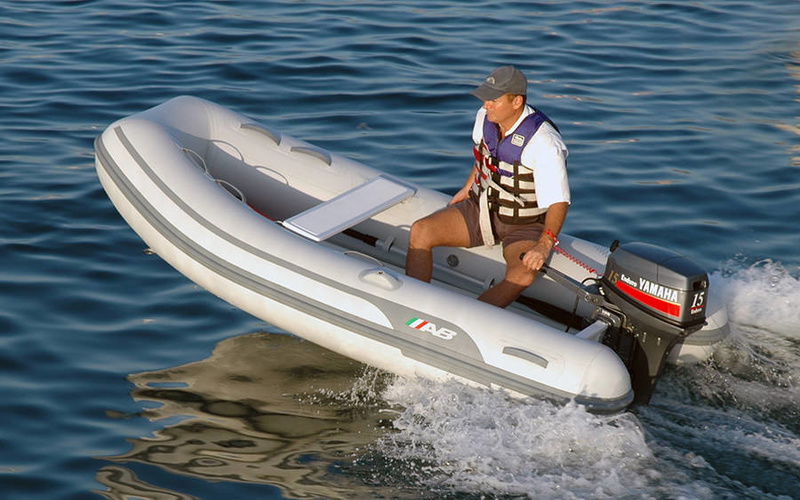

Images have been gathered from various sources and belong to their respective owners.
Latest Market Trends (Latest Available Year Model)
Price: $5,427
Review - AB Inflatables Lammina 9 AL

MarineBroker
01/15/2024, 12:45 PM
2015 AB Inflatables Lammina 9 AL: How to Use a Lightweight Aluminum Tender Without the Usual Headaches
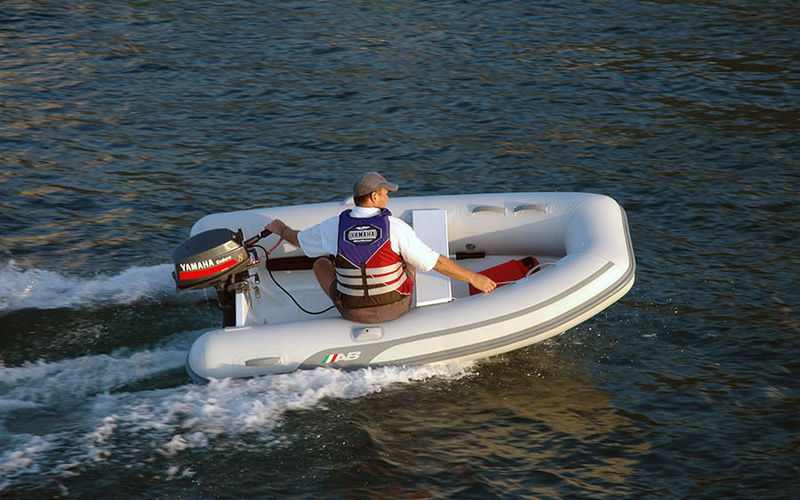
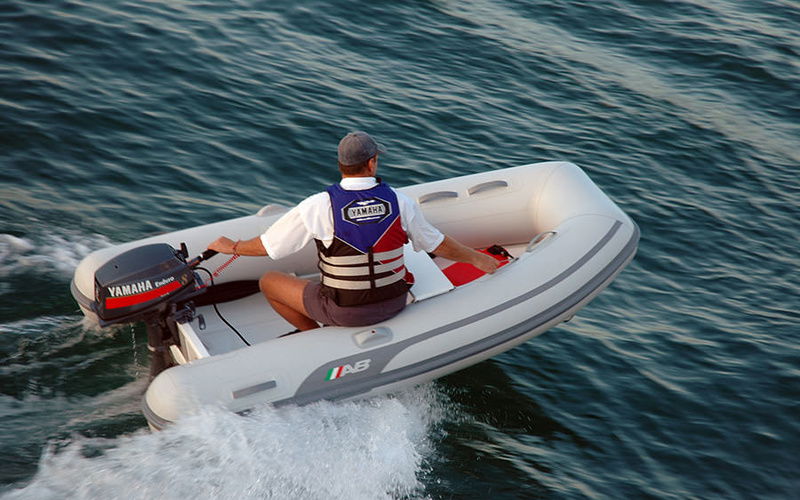
If you’re looking at the 2015 AB Inflatables Lammina 9 AL, you’re probably after a tender that’s easy to handle, tough enough for real boating use, and simple to store when space is tight. That’s exactly where this little aluminum dinghy stands out. It’s a compact inflatable with a rigid aluminum hull, which gives it a nice mix of portability and durability that many boaters want.
But here’s the catch: even a great tender can become frustrating if it’s not used, maintained, or set up the right way. A lot of owners run into the same problems—hard launching, poor performance because of underinflation, awkward towing, or wear from improper storage. The good news is that most of these issues are preventable with a few practical habits.
In this article, we’ll look at what makes the 2015 AB Inflatables Lammina 9 AL useful, the common problems owners face, and the simple steps that make it easier to enjoy. Whether you use it as a yacht tender, a runabout, or a backup boat for short trips ashore, a little know-how goes a long way.
- What Makes the 2015 AB Inflatables Lammina 9 AL Stand Out
The Lammina 9 AL belongs to a category of boats that many owners appreciate for one simple reason: it’s practical. At around 9 feet long, it’s small enough to manage easily, but the aluminum hull gives it a more solid feel than a fully soft inflatable.
That combination matters. Inflatable tenders are often chosen because they’re lightweight and easy to stow, but not all of them handle the same way. A rigid aluminum bottom can improve tracking, help the boat feel more stable, and make it easier to move through chop compared with a softer-floor design.
For boaters who need a dependable tender, that balance is the main appeal. It’s especially useful for:
- Yacht owners needing a compact dinghy
- Weekend boaters who launch from ramps or beaches
- People with limited deck or garage storage
- Anyone wanting a lightweight boat that’s still durable
The 2015 AB Inflatables Lammina 9 AL is not about luxury extras. It’s about making simple boating tasks easier.
- The Most Common Problem Owners Run Into
The biggest issue with small inflatables like the 2015 AB Inflatables Lammina 9 AL is not usually the boat itself. It’s how the boat is used day to day.
Many owners expect a tender this size to behave like a larger rigid boat, and that’s where frustration begins. Small inflatables are sensitive to setup, load distribution, and air pressure. If those details are off, performance drops quickly.
Common complaints include:
- The boat feels sluggish or unstable
- It doesn’t plane well with a heavier load
- Towing feels awkward
- Storage causes wear on tubes or seams
- Launching and retrieving take more effort than expected
In other words, the problem is often a mismatch between expectations and setup. The solution is to treat the tender like the efficient, compact boat it is.
- Why Small Inflatable Tenders Can Feel “Off”
A boat like the Lammina 9 AL is designed for convenience, but convenience depends on correct use. Because it’s compact, small changes in weight or inflation have a bigger effect than they would on a larger boat.
Here’s why that happens:
- Weight matters more: One extra cooler, fuel tank, or passenger can change the ride noticeably.
- Air pressure matters more: Slight underinflation can make the tubes flex too much and reduce efficiency.
- Trim matters more: If the load is too far forward or aft, the boat may plow instead of glide.
- Water conditions matter more: Small hulls react faster to chop and wakes.
That doesn’t mean the boat is difficult. It just means it rewards good habits. Once you understand how to set it up, it becomes much easier to use.
- Getting Better Performance from the 2015 AB Inflatables Lammina 9 AL
If the boat feels slower or less stable than expected, start with the basics. Most performance issues can be solved without adding equipment.
- Check inflation carefully
Underinflated tubes are one of the most common causes of poor handling. The boat may sit lower in the water, drag more, and feel less responsive.
Use the manufacturer’s recommended pressure and check it when the tubes are cool, ideally before the boat sits in strong sun. Heat expands air, so a boat that seems fine in the morning may become overpressurized later in the day.
- Balance the load
Try to keep weight centered and low. A common mistake is stacking gear at the stern or crowding too many people in one area.
A better arrangement is:
- Heavier items near the center
- Passengers distributed evenly
- Fuel and gear secured so they don’t shift
Even a small tender benefits from careful trim.
- Match speed to conditions
Not every trip needs to be fast. In rough water or with a full load, easing off the throttle can make the ride safer and more efficient.
The Lammina 9 AL is built for practical transport, not aggressive speed. When used within its comfort zone, it tends to feel much more manageable.
- Use the right engine setup
If your tender is powered, the engine size and mounting height matter. Too much motor for the boat can make handling awkward, while too little may leave it struggling with passengers or gear.
A properly matched outboard helps the boat:
- Accelerate more smoothly
- Track better
- Use fuel more efficiently
- Feel easier to control at low speed
If you’re unsure, check the manufacturer’s recommendations and keep the setup conservative rather than pushing the limit.
- Storage Mistakes That Shorten the Life of the Boat
Another issue many owners face is storage damage. Small inflatables are often stored in garages, on docks, or in tight spaces where they can rub against hard surfaces or sit in the sun for long periods.
That’s a problem because PVC or Hypalon tubes, seams, and aluminum surfaces all last longer when they’re protected from constant stress.
- Avoid long-term sun exposure
UV exposure slowly breaks down materials over time. Even if the boat looks fine today, repeated sun exposure can fade surfaces and weaken fabric or adhesive over time.
If possible:
- Store the boat under cover
- Use a proper boat cover
- Keep it out of direct sunlight when not in use
- Don’t fold it carelessly
If you deflate and store the boat in a bag or compact space, avoid sharp folds and trapped moisture. Folding the same way every time can create wear points.
A better approach is to:
- Clean and dry the boat first
- Rotate fold lines occasionally
- Keep hardware from pressing into the tubes
- Rinse after saltwater use
Salt is one of the biggest enemies of any tender. It can corrode fittings, leave residue, and speed up wear if left on the boat.
After saltwater use:
- Rinse the hull and tubes with fresh water
- Wash metal parts gently
- Let everything dry completely before storage
This simple routine can extend the useful life of the boat significantly.
- Launching and Retrieving Without the Stress
Small inflatables are supposed to make boating easier, but launch and retrieval can become a hassle if you don’t have a routine.
For the 2015 AB Inflatables Lammina 9 AL, the goal is to keep the process simple and repeatable.
- Prepare before you get to the water
Do as much as possible on shore or at the dock:
- Inflate to proper pressure
- Check the drain plug
- Secure the engine, if fitted
- Load gear in advance
- Attach lines where needed
That saves time and reduces mistakes once the boat is in the water.
- Use two people when possible
A lightweight tender is still easier with a second set of hands. One person can steady the boat while the other handles the engine, lines, or trailer.
If you’re alone, take your time and keep everything organized. Rushing is how small boats get scraped, dropped, or tangled.
- Protect the bottom
Even though the aluminum hull is sturdy, it’s still smart to avoid dragging the boat over rocks, shells, or rough concrete. If you launch from beaches or ramps often, consider using a dolly or protective launch method.
That helps reduce cosmetic damage and keeps the hull in better shape over time.
- How to Make the Boat More Comfortable for Everyday Use
A 9-foot tender is compact by nature, so comfort depends on smart use rather than extra space.
Here are a few ways to make trips more pleasant:
- Use lightweight, stackable gear
- Bring only what you need for the trip
- Keep items in dry bags or small bins
- Add seat cushions if you spend more time aboard
- Secure loose items so they don’t slide around
Comfort in a small boat often comes from reducing clutter. Less clutter means easier movement, better balance, and less fatigue.
If you’re using the boat as a shuttle between a larger vessel and shore, simplicity is your friend. The fewer items you carry, the faster and easier each trip becomes.
- When the 2015 AB Inflatables Lammina 9 AL Makes the Most Sense
This model is especially useful for owners who need a dependable tender rather than a full-size family boat. It works well when the priority is portability, efficiency, and easy handling.
It’s a strong fit if you:
- Need a boat that stores easily
- Want a lightweight tender for short trips
- Prefer a rigid feel without the weight of a full fiberglass hull
- Use the boat mostly for errands, transfers, or short cruising
- Want a simple setup with low maintenance compared with larger boats
It may be less ideal if you want lots of seating, high-speed performance, or room for bulky gear. But for practical transport, that’s not really its purpose.
- Maintenance Habits That Save Time and Money
A small routine can prevent big headaches later. The best maintenance plan is usually the simplest one.
- Inspect before and after use
Look for:
- Soft spots in tubes
- Loose fittings
- Scuffs or punctures
- Valve issues
- Corrosion on metal parts
Catching small problems early is much easier than dealing with a failure on the water.
- Keep the valves clean
Valves can collect dirt, salt, and grit. If they don’t seal properly, you may lose pressure slowly and not notice until the boat feels underperforming.
A quick clean and check now and then helps keep inflation reliable.
- Tighten hardware as needed
If your boat has accessories, seats, or engine mounts, inspect them regularly. Vibration and repeated use can loosen fasteners over time.
A few minutes of checking can prevent annoying problems later.
- Know the Limits of a 9-Foot Tender
One of the most useful things you can do is understand what this boat is and isn’t. The 2015 AB Inflatables Lammina 9 AL is a compact, practical tender. It is not meant to replace a larger center console or a roomy runabout.
That perspective helps you avoid disappointment.
A 9-foot inflatable is best when:
- The trip is short
- The load is moderate
- Storage space is limited
- Ease of handling matters more than speed
If you expect it to do everything, it may fall short. If you use it for the tasks it was designed for, it becomes a very useful tool on the water.
- Simple Checklist for Better Ownership
If you want to get more out of the boat, keep this short checklist in mind:
- Inflate to the recommended pressure
- Distribute weight evenly
- Rinse after saltwater use
- Dry thoroughly before storage
- Protect from UV exposure
- Inspect valves, seams, and fittings regularly
- Launch and retrieve carefully
- Stay within the boat’s intended use
These basics solve most of the common problems owners face.
The 2015 AB Inflatables Lammina 9 AL is a good example of a boat that works best when treated with a little care and common sense. Its lightweight aluminum hull and compact inflatable design make it practical, but like any small tender, it performs best when inflation, loading, and storage are handled correctly. Most frustrations come from avoidable mistakes, not from the boat itself.
If you’re already interested in this model, focus on setup and routine maintenance before looking for upgrades. That’s usually the easiest way to improve performance, comfort, and longevity. With the right habits, this tender can remain a simple, dependable part of your boating routine for years.
Specifications
General
Boat Type: Power Boats
Class Type: Rigid Inflatable Boats
Specifications
Length: 9.06
Beam: 4.76
Draft: 1.31
Hull Material: Aluminium
Build
First Built: 2015
Propulsion
Fuel Type: Unleaded
Engines: 1
Power: 10 HP
Brand: Unknown
Accomodation
PROS & CONS
What we appreciated
 Durable aluminum hull providing excellent rigidity and impact resistanceGood stability and performance in rough waters due to deep-V hull designLightweight for easy transport and handlingSpacious deck layout suitable for fishing and leisure activitiesHigh-quality construction and materials ensuring longevity
What we didn’t appreciate
 Higher price point compared to similar-sized inflatable boats with fiberglass hullsAluminum hull can be prone to dents and scratches if not handled carefullyLimited storage space due to design focusing on open deckRequires regular maintenance to prevent corrosion on aluminum partsLess cushioning and noise insulation compared to fiberglass or composite hull boats
Upkeep Costs
Fuel: Approximately $1,500 - $3,000 per year depending on usage and engine size
Maintenance: Around $500 - $1,000 annually for engine servicing, hull checks, and repairs
Insurance: Typically $300 - $700 per year depending on coverage and location
Storage: $500 - $1,200 annually depending on marina or storage facility
Registration and Licensing: Approximately $50 - $200 per year depending on local regulations

Rating
4.5
User
Score
Score
Driveability
Technology
Interior
Design
Similar Boats


MarineBroker
Download now for an immersive boat experience like never before! ⛵✨ Your journey begins with a simple click. 🌊📲
#SetSailSmart #DownloadNow
#SetSailSmart #DownloadNow

Subscribe
Copyright 2017 - 2026, Marinebroker.net, All Rights Reserved