Boat Database » AB Inflatables ABJET 330
AB Inflatables ABJET 330
Jet Drive, Unleaded, 1x 100 HP
Power Boats 2013 AB Inflatables ABJET 330: What to Know Before Buying, Maintaining, or Upgrading This Compact Jet Tender
If you’re looking into the 2013 AB Inflatables ABJET 330, chances are you’re trying to solve a very specific boat-tender...
Discover
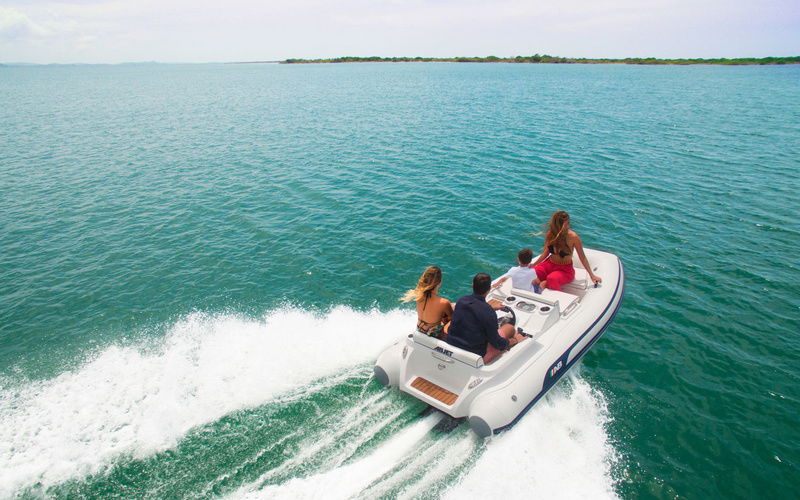
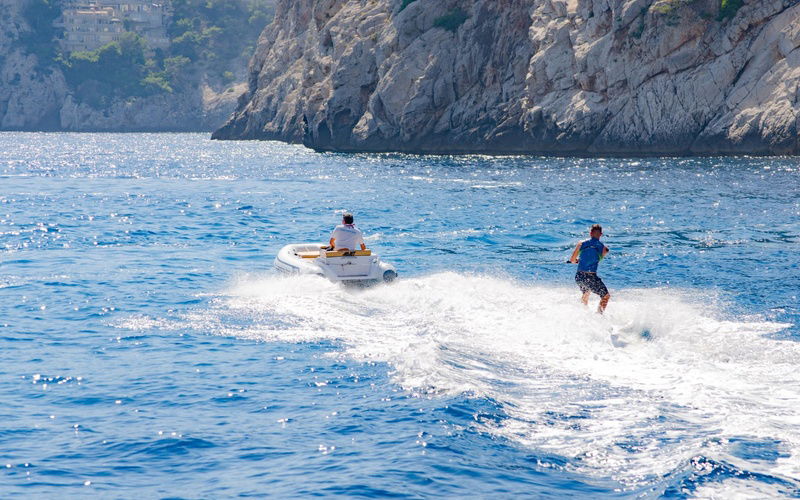

Images have been gathered from various sources and belong to their respective owners.
Review - AB Inflatables ABJET 330

MarineBroker
01/16/2024, 6:49 AM
2013 AB Inflatables ABJET 330: What to Know Before Buying, Maintaining, or Upgrading This Compact Jet Tender
If you’re looking into the 2013 AB Inflatables ABJET 330, chances are you’re trying to solve a very specific boat-tender problem: you want something compact, fun to run, easy to store, and reliable enough to use without constant headaches. That’s exactly where this little jet-powered inflatable stands out. It’s the kind of tender that appeals to yacht owners, coastal cruisers, and weekend boaters who want a small craft with real personality.
But like any used boat, especially one from 2013, the big question isn’t just whether it looks good on paper. It’s whether it still performs well, what issues commonly show up with age, and how to keep ownership simple instead of expensive. A jet tender can be a smart choice, but only if you know what to look for before you buy and how to care for it after. In this article, we’ll walk through the strengths, the common problem areas, and the practical solutions that can help you get the most out of the 2013 AB Inflatables ABJET 330.
- What Makes the 2013 AB Inflatables ABJET 330 Worth Considering?
The 2013 AB Inflatables ABJET 330 is a compact jet-powered inflatable boat designed for quick trips, tender duty, and easy handling. At around 11 feet long, it’s small enough to fit into tight storage spaces, yet practical enough to move passengers, gear, or supplies with confidence.
One of the biggest reasons people look at this model is the jet propulsion system. Unlike a propeller-driven dinghy, a jet tender can be a better fit in shallow water or around docks where exposed propellers can be a concern. That makes it appealing for boaters who spend time near beaches, sandbars, marinas, or crowded anchorages.
It also has a reputation for being nimble. If you want a tender that feels sporty and responsive rather than slow and clunky, this model has a lot going for it.
- The Main Problem Buyers Face With a Used ABJET 330
The biggest challenge with a used 2013 AB Inflatables ABJET 330 is not finding one. It’s figuring out whether the boat has been cared for properly.
That’s because small jet tenders can hide wear in places that aren’t obvious at first glance. A boat may look clean from the outside, but still have issues with the engine, jet pump, tubes, fuel system, or electrical components.
Common buyer concerns include:
- Weak acceleration or poor top-end performance
- Water leaks in the inflatable tubes or seams
- Corrosion from saltwater use
- Pump wear or impeller damage
- Old fuel lines, batteries, or electrical connections
- General neglect from sitting unused for long periods
In other words, the problem is usually not the model itself. It’s the condition of the specific boat you’re looking at.
- Why the ABJET 330 Appeals to So Many Boaters
The 2013 AB Inflatables ABJET 330 hits a sweet spot for people who want convenience without giving up fun. It’s light, portable, and easier to launch or recover than many hard-hull tenders.
Here’s why it continues to attract attention:
- Compact size: Easy to store on deck, on a lift, or in a garage
- Jet drive: Safer around shallow areas and less exposed than a propeller setup
- Inflatable design: Lightweight and forgiving when docking
- Versatile use: Good for tender duty, short runs, and casual cruising
- Sporty feel: More fun than many basic dinghies
For people living the boating lifestyle, that combination matters. You want a tender that works hard without becoming another project.
- What to Inspect Before Buying a 2013 AB Inflatables ABJET 330
If you’re shopping for one, the best solution is a careful inspection. Used jet tenders can be great purchases, but only if you check the right things.
- Tubes and seams
Inspect the inflatable tubes for cracking, fading, patching, or soft spots. Pay close attention to seams and glued areas. Small leaks can often be repaired, but widespread deterioration can become a bigger expense.
Look for:
- Air loss over time
- Discoloration from UV exposure
- Signs of previous repairs
- Delamination or peeling material
- Jet pump and intake
The jet pump is the heart of the boat’s propulsion system. Check the intake grate, impeller area, and pump housing for damage, corrosion, or debris buildup.
Problems here can cause:
- Reduced thrust
- Vibration
- Cavitation
- Poor steering response
Even minor wear in the pump can affect performance, so this is one of the most important inspection points.
- Engine condition
The engine should start easily, idle smoothly, and accelerate without hesitation. Ask for service records if possible. A boat that’s been regularly flushed, serviced, and winterized is usually a safer bet than one with no history at all.
Watch for:
- Hard starting
- Smoking beyond normal startup
- Rough idle
- Overheating
- Warning lights or alarms
- Electrical system
On a 2013 boat, wiring and connectors may have aged from moisture, vibration, and salt exposure. Check battery condition, switch operation, lights, and any gauges.
Corrosion here is common, but it should be manageable if caught early.
- Trailer and storage condition
If the boat comes with a trailer, inspect that too. A neglected trailer can add surprise costs fast.
Check:
- Tires
- Bearings
- Lights
- Frame rust
- Winch and straps
A well-kept trailer often tells you a lot about how the boat was treated overall.
- Common Age-Related Issues and How to Handle Them
Even a well-built compact tender like the 2013 AB Inflatables ABJET 330 can show wear after years of use. The good news is that many common issues are manageable if you catch them early.
- Fuel system problems
Old fuel can create all kinds of trouble, especially if the boat has sat unused. Ethanol-related fuel degradation can damage hoses, filters, and carburetor or injector components depending on the engine setup.
Solution:
- Drain stale fuel
- Replace old fuel lines and filters
- Use fresh fuel with stabilizer if the boat sits for long periods
- Run the engine regularly
- Pump wear and performance loss
A jet drive loses efficiency if the pump is worn or damaged. You may notice slower acceleration, less top speed, or a feeling that the boat is working harder than it should.
Solution:
- Inspect the impeller and wear ring
- Remove debris from the intake
- Service the pump regularly
- Replace worn parts before they cause bigger damage
- Tube leaks and aging materials
Inflatable tubes can slowly lose pressure or develop leaks over time, especially when exposed to sun and salt.
Solution:
- Keep tubes clean and protected from UV exposure
- Use proper cleaning products designed for inflatable materials
- Patch small leaks quickly
- Store the boat out of direct sunlight when possible
- Corrosion
Saltwater is tough on small craft. Corrosion can affect fasteners, wiring, clamps, and engine components.
Solution:
- Rinse thoroughly after saltwater use
- Use corrosion inhibitor sprays where appropriate
- Replace rusted hardware with marine-grade parts
- Inspect hidden areas regularly
- Battery and charging issues
If the boat hasn’t been used consistently, the battery may be weak or dead. Electrical problems often start with something simple.
Solution:
- Test battery health before purchase
- Replace old batteries proactively
- Check charging output
- Keep terminals clean and tight
- How to Make a Used ABJET 330 More Reliable
If you already own the boat or are planning to buy one, a few smart habits can make a huge difference in reliability.
- Follow a basic maintenance schedule
Small boats often get neglected because they’re easy to assume are “low maintenance.” In reality, they need regular attention.
A good routine includes:
- Engine oil and filter changes
- Jet pump inspections
- Fuel filter replacement
- Battery checks
- Tube pressure checks
- Hull and deck cleaning
- Flush after saltwater use
This is one of the simplest and most effective habits you can build. Flushing the engine and jet system after saltwater use helps reduce corrosion and extend component life.
- Store it properly
Storage matters more than many owners think. UV rays, moisture, and heat all shorten the life of inflatable materials and mechanical parts.
Best practices:
- Store under cover when possible
- Keep tubes out of direct sun
- Use a breathable cover
- Avoid leaving fuel sitting in the system for long periods
- Keep it light
The ABJET 330 is a compact craft, and it performs best when not overloaded. Too much gear or too many passengers can reduce efficiency and stress the system.
Try to:
- Stay within weight limits
- Balance passengers and cargo
- Avoid carrying unnecessary gear
- Monitor how load affects performance
- Is the 2013 AB Inflatables ABJET 330 Good for You?
This boat makes the most sense for someone who values convenience, maneuverability, and shallow-water confidence. If you want a small tender that’s easy to handle and more fun than a basic inflatable with a small outboard, it’s a strong candidate.
It may be a good fit if you:
- Need a compact yacht tender
- Boat around shallow or protected waters
- Want jet propulsion instead of a propeller
- Prefer lightweight, easy transport
- Like a sporty, responsive ride
It may not be ideal if you:
- Want maximum fuel efficiency
- Need a large carrying capacity
- Prefer very simple mechanical systems
- Don’t want to deal with jet pump maintenance
That’s the tradeoff. The 2013 AB Inflatables ABJET 330 offers convenience and fun, but like any jet-powered boat, it rewards owners who stay on top of maintenance.
- A Practical Buying Checklist
If you’re seriously considering one, use a simple checklist before making a decision.
- Verify engine starts cold and runs smoothly
- Inspect tubes for leaks, patches, and UV damage
- Check pump intake and impeller condition
- Test steering and throttle response
- Look for corrosion on wiring and hardware
- Confirm trailer condition if included
- Ask for service records
- Sea trial the boat if possible
A short test run can reveal more than a long visual inspection. Pay attention to how quickly it planes, how it steers, and whether it holds consistent power.
- The Best Solution: Buy Smart and Maintain Early
The real solution to owning a used 2013 AB Inflatables ABJET 330 without regret is pretty simple: inspect carefully, buy based on condition rather than just appearance, and stay ahead of maintenance.
These boats can be a lot of fun and very practical when they’re cared for properly. Most of the headaches people run into come from skipping the basics, not from the design itself.
If you’re patient during the purchase and disciplined afterward, you’ll have a compact jet tender that can keep serving you well for years.
- Conclusion
The 2013 AB Inflatables ABJET 330 is a compact jet tender that can be a smart choice for the right boater. Its shallow-water-friendly jet drive, easy handling, and portable size make it appealing, but the key is knowing what to inspect and how to maintain it. The most common problems usually come from age, storage, or neglect rather than from the model itself.
If you’re considering one, focus on tube condition, pump health, engine performance, and corrosion. A careful inspection and a simple maintenance routine can turn a used boat into a dependable, enjoyable piece of your boating setup. For anyone exploring compact jet tenders, taking the time to learn the details is the best first step.
Specifications
General
Boat Type: Power Boats
Class Type: Rigid Inflatable Boats
Specifications
Length: 10.83
Beam: 5.64
Draft: 1.31
Hull Material: GRP
Build
First Built: 2013
Propulsion
Fuel Type: Unleaded
Engines: 1
Power: 100 HP
Brand: Unknown
Accomodation
PROS & CONS
What we appreciated
 Lightweight and easy to tow due to inflatable hullHigh-performance jet propulsion offers excellent maneuverabilityDurable Hypalon material ensures resistance to punctures and UV damageSpacious cockpit for a boat of its size, comfortable for passengersLow draft allows access to shallow waters
What we didn’t appreciate
 Limited storage space compared to rigid hull boatsJet propulsion can be less efficient at low speeds compared to propeller-driven boatsInflatable tubes require regular maintenance to avoid leaksHigher fuel consumption at high speeds2013 model may have outdated electronics and features compared to newer models
Upkeep Costs
Fuel: Approximately $1,500 - $3,000 per year depending on usage
Maintenance: Around $800 - $1,200 annually for engine and hull upkeep
Insurance: Typically $300 - $600 per year
Storage: $500 - $1,200 annually depending on location and season
Registration and Licensing: $50 - $150 per year

Rating
5.1
User
Score
Score
Driveability
Technology
Interior
Design
Similar Boats


MarineBroker
Download now for an immersive boat experience like never before! ⛵✨ Your journey begins with a simple click. 🌊📲
#SetSailSmart #DownloadNow
#SetSailSmart #DownloadNow

Subscribe
Copyright 2017 - 2026, Marinebroker.net, All Rights Reserved