Boat Type: Power Boats
Boat Class: Rigid Inflatable Boats
Length: 8.04 ft
Berths: 1
Cabins: 1
Bathrooms: 1
Max Persons: 3
Boat Database » 3D Tender Federlight 245
3D Tender Federlight 245
Outboard four-stroke, Unleaded, 1x 6 HP
Power Boats 2020 3D Tender Federlight 245: How to Get the Most from a Lightweight Inflatable Dinghy
If you’re looking at the 2020 3D Tender Federlight 245, chances are you want a small boat that’s easy to handle, simple to store, and practic...
Discover
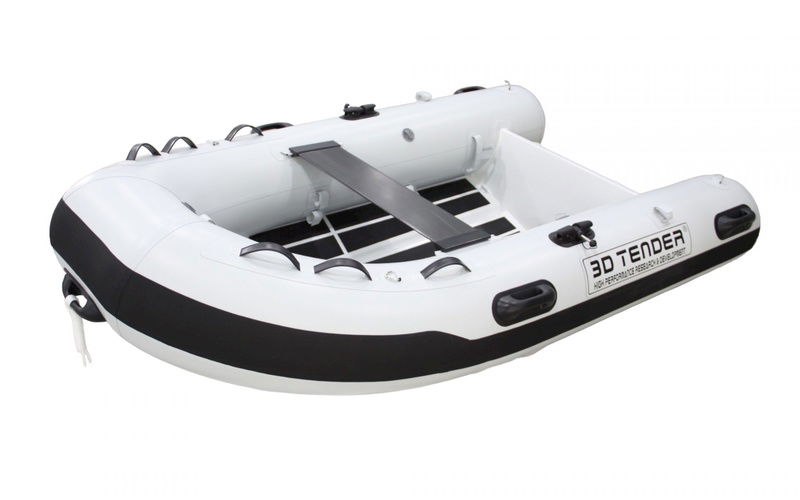

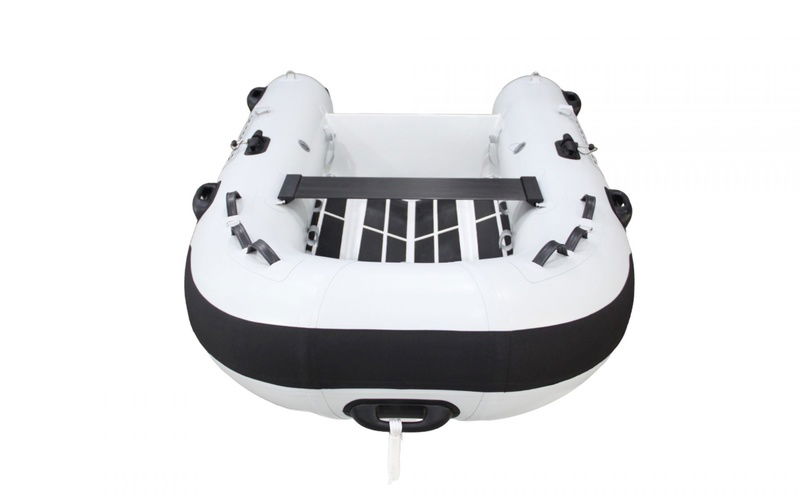
Images have been gathered from various sources and belong to their respective owners.
Review - 3D Tender Federlight 245

MarineBroker
01/08/2024, 1:11 PM
2020 3D Tender Federlight 245: How to Get the Most from a Lightweight Inflatable Dinghy
If you’re looking at the 2020 3D Tender Federlight 245, chances are you want a small boat that’s easy to handle, simple to store, and practical for everyday use. That’s exactly why compact inflatable dinghies have become so popular with sailors, campers, and weekend boaters. They’re convenient, but they also come with a common challenge: how do you make a boat this small feel stable, efficient, and useful without overcomplicating things?
That’s the real issue many owners face. A lightweight tender like the 2020 3D Tender Federlight 245 can be brilliant for short trips, shore runs, and quick transfers, but only if it’s set up and used the right way. Too much load, poor inflation, the wrong outboard, or a bad storage routine can quickly turn a handy little dinghy into a frustrating one.
The good news is that most of these problems are easy to solve. With the right setup, a few smart habits, and a clear understanding of what this size boat is best at, the Federlight 245 can be a very practical little companion on the water.
- What Makes the 2020 3D Tender Federlight 245 Stand Out
The 2020 3D Tender Federlight 245 belongs to the lightweight inflatable tender category, and that’s its biggest strength. At around 2.45 meters in length, it’s designed for easy transport, quick deployment, and simple handling.
For many boaters, the appeal is obvious:
- It takes up less storage space than a rigid dinghy
- It’s easier to launch and recover
- It can be carried or stowed with less effort
- It’s often a better fit for smaller boats and modest davits
The “Federlight” concept is really about keeping things practical. This type of tender is not trying to be a full-size runabout. Instead, it focuses on being light, manageable, and useful for short-distance transport.
That’s important because many owners expect a small inflatable to do too much. If you treat it like a mini speedboat, you’ll probably be disappointed. But if you use it for what it does best, it becomes a very handy tool.
- The Most Common Problem: Small Tender, Big Expectations
The biggest issue with a boat like the 2020 3D Tender Federlight 245 is mismatch between expectations and reality.
People often buy a tender of this size for convenience, then run into one of these problems:
- It feels unstable when overloaded
- It doesn’t plane well with too much weight
- It’s awkward to board with gear
- It seems slower than expected
- It becomes a hassle if stored or inflated improperly
These are not usually design flaws. They’re often usage problems.
A 2.45-meter inflatable dinghy is best suited to:
- Short trips from boat to shore
- Light transport of one or two people
- Calm to moderate water conditions
- Minimal gear loads
- Easy handling by one person
Once you understand that, it becomes much easier to get good results.
- Who the 2020 3D Tender Federlight 245 Is Best For
This model is a good fit for people who want simplicity over size. It works especially well for:
- Sailboat owners needing a compact tender
- Cruisers who want a lightweight dinghy for harbor use
- Weekend boaters who need a small, easy-to-store inflatable
- Anyone with limited deck space
- Owners who launch and recover their tender frequently
It’s less ideal for users who need:
- Frequent transport of several adults
- Heavy cargo capacity
- Long-distance high-speed runs
- Rough-water performance
- A tender that doubles as a family day boat
If your main goal is convenience, the Federlight 245 makes a lot of sense. If you need more carrying capacity, stepping up in length may be smarter.
- How to Solve the Main Usability Problem
The best solution is to match the boat’s setup to its real job.
That means focusing on four things:
1. Load management
2. Proper inflation
3. Smart engine choice
4. Easy maintenance and storage
These four areas make the biggest difference in how the 2020 3D Tender Federlight 245 performs day to day.
- Keep the Load Light and Balanced
Overloading is the fastest way to make a small inflatable feel poor on the water.
Even if the boat technically floats fine, too much weight can cause:
- Sluggish acceleration
- Poor trim
- More drag
- Lower stability
- Harder steering
For best results:
- Keep the number of passengers low
- Avoid piling heavy gear in the bow or stern
- Distribute weight evenly
- Sit low and centered when possible
A simple rule: if the dinghy starts feeling “squatted” in the water, it’s too heavily loaded for comfortable use.
A practical example: two adults with a small bag of supplies is usually manageable. Three adults plus fuel, groceries, and a cooler may already be pushing the limits for a boat this size.
- Get Inflation Right Every Time
Inflatable boats are very sensitive to pressure. Underinflation makes the boat feel soft and slow. Overinflation can stress seams and make handling less predictable.
To avoid that:
- Check the manufacturer’s recommended pressure before every use
- Inflate in the shade when possible
- Recheck pressure after the boat has been in the sun
- Use a reliable pump with a gauge
This matters more than many new owners realize. A dinghy that is slightly underinflated can feel like a completely different boat.
If you want the Federlight 245 to feel responsive and stable, correct inflation is one of the simplest and most effective fixes.
- Choose the Right Outboard for a Small Inflatable
One common mistake is pairing a small tender with an engine that is either too weak or too heavy.
For a boat like the 2020 3D Tender Federlight 245, the ideal outboard is usually:
- Light enough to handle easily
- Small enough not to overload the transom
- Powerful enough for smooth short runs
The goal is not maximum speed. The goal is practical performance.
A good engine setup should give you:
- Easy starting
- Controlled low-speed maneuvering
- Enough thrust for harbor and shore use
- Low fuel consumption
If the motor is too large, the tender can become harder to balance and more awkward to store. If it’s too small, it may struggle against wind, chop, or current.
For most owners, the sweet spot is a modest, lightweight outboard that keeps the boat simple and efficient.
- Make Boarding and Loading Easier
A small tender can feel cramped if boarding is poorly managed. That’s especially true when the dinghy is used alongside a larger vessel.
To make boarding easier:
- Step in one person at a time
- Keep heavy bags low and centered
- Use a stable boarding point if available
- Avoid sudden movements when entering or exiting
- Store frequently used items where they’re easy to reach
If you often carry supplies between boat and shore, pack them in smaller bags instead of one heavy one. That makes the dinghy easier to balance and handle.
This is one of those small changes that makes a big difference in daily use.
- Storage Tips That Protect Performance
One of the biggest advantages of the Federlight 245 is that it’s easier to store than a rigid dinghy. But storage still matters.
Poor storage can lead to:
- Premature wear
- UV damage
- Mold and mildew
- Deformed tubes
- Stiff fittings and awkward setup
Best practices include:
- Rinse the boat after saltwater use
- Let it dry fully before storage
- Keep it out of direct sun when not in use
- Store it partially inflated or properly folded according to the manufacturer’s guidance
- Avoid placing heavy objects on top of it
If you’re storing it for a longer period, make sure it’s clean and dry first. That alone helps preserve the material and keeps the boat ready for the next launch.
- Why This Small Tender Works So Well for Short Trips
The 2020 3D Tender Federlight 245 is not about long-range cruising. It’s about convenience.
For short hops, it offers several advantages:
- Quick launch time
- Easy handling by one person
- Low fuel needs if powered
- Simple docking and retrieval
- Less hassle than larger tenders
That makes it ideal for:
- Getting from anchorage to shore
- Running small errands
- Moving one or two people at a time
- Emergency backup transport
In other words, it solves a very specific boating problem: how to move around efficiently without dragging a bigger boat into the equation.
- Practical Ways to Improve Stability
Small inflatables can feel twitchy if you’re not used to them. Fortunately, stability is often improved with a few simple habits.
Try these:
- Keep passengers centered
- Sit rather than stand when underway
- Avoid sudden turns at speed
- Don’t lean over the tubes unnecessarily
- Use smooth throttle inputs
Also, remember that water conditions matter. A small tender performs best in sheltered water or mild chop. If conditions are rough, slow down and keep expectations realistic.
The boat may be light, but lightness is a tradeoff: it makes handling easier, but it also means you should be thoughtful about how and where you use it.
- What to Check Before Every Trip
A quick pre-launch routine can prevent most annoying problems.
Before heading out, check:
- Tube pressure
- Drain plug or floor setup, if applicable
- Outboard fuel and mounting
- Oars or backup propulsion
- Safety gear
- Any loose items on board
This only takes a few minutes, but it can save a lot of frustration.
For a boat like the 2020 3D Tender Federlight 245, where convenience is the main selling point, a simple routine helps keep that convenience intact.
- Maintenance Habits That Extend Its Life
You don’t need a complicated maintenance routine to keep a small inflatable in good shape. You just need consistency.
Good habits include:
- Rinsing after every saltwater use
- Checking seams and valves regularly
- Inspecting the transom and fittings
- Keeping the boat clean and dry
- Repairing minor wear early
Even tiny issues can become bigger ones if ignored. A small leak, loose fitting, or worn patch is much easier to deal with early.
If you use the tender often, a monthly inspection is a smart habit. If you use it less often, check it before each season.
- Is the 2020 3D Tender Federlight 245 Worth It for the Right User?
If your boating life is built around practicality, then yes, this kind of tender can be a very smart choice.
It’s worth considering if you want:
- A lightweight boat that’s easy to manage
- A compact tender for short trips
- Simple storage and transport
- A low-stress solution for shore runs
It may not satisfy someone looking for speed, space, or heavy-duty capacity. But for the right use case, it solves the exact problem many boaters have: needing a dependable little boat without the burden of a larger one.
That’s why the 2020 3D Tender Federlight 245 continues to appeal to people who value ease of use over size.
- Final Thoughts on Using the 2020 3D Tender Federlight 245 Well
The 2020 3D Tender Federlight 245 works best when you treat it as a practical, lightweight tender rather than a miniature powerboat. Its main strengths are easy handling, compact storage, and simple day-to-day use. Most of the common frustrations with small inflatables come from overloading, poor inflation, or unrealistic expectations.
The solution is straightforward: keep the load light, maintain correct pressure, choose a sensible engine, and store it properly. Do that, and this little dinghy can become one of the most useful tools in your boating setup. If you’re comparing compact tenders, it’s worth learning how size, weight, and use case affect performance before making your choice.
Specifications
General
Boat Type: Power Boats
Class Type: Rigid Inflatable Boats
Specifications
Length: 8.04
Beam: 5.05
Draft: 0.98
Hull Material: Aluminium
Build
First Built: 2020
Propulsion
Fuel Type: Unleaded
Engines: 1
Power: 6 HP
Brand: Unknown
Accomodation
Berths: 1
Cabins: 1
Bathrooms: 1
PROS & CONS
What we appreciated
 Lightweight and easy to handle due to advanced composite constructionModern and stylish design with attention to detailStable hull design offering good performance in various water conditionsSpacious and comfortable seating for a tender of its sizeLow maintenance requirements thanks to durable materials
What we didn’t appreciate
 Limited engine options may restrict top speed for some usersHigher price point compared to traditional tendersNot ideal for long-distance cruising or rough seasStorage space is moderate, may not suit users needing extensive gear capacityAvailability and service support may be limited depending on location
Upkeep Costs
Insurance: $500 - $1,200 per year
Storage: $1,000 - $3,000 per year (varies by location and type)
Maintenance: $500 - $1,500 per year
Fuel: $300 - $800 per year (depending on usage)
Registration and Licensing: $50 - $200 per year
Rating
5.3
User
Score
Score
Driveability
Technology
Interior
Design
Similar Boats


MarineBroker
Download now for an immersive boat experience like never before! ⛵✨ Your journey begins with a simple click. 🌊📲
#SetSailSmart #DownloadNow
#SetSailSmart #DownloadNow

Subscribe
Copyright 2017 - 2026, Marinebroker.net, All Rights Reserved