Boat Type: Power Boats
Boat Class: Mega Yacht
Length: 133.86 ft
Berths: 6
Cabins: 5
Bathrooms: 4
Max Persons: 10
Boat Database » Sanlorenzo Alloya 40
Sanlorenzo Alloya 40
Inboard Direct-Drive, Diesel, 2x 2600 HP
Power Boats 2012 Sanlorenzo Alloya 40: What Buyers Need to Know Before Stepping Aboard
If you’re looking at the 2012 Sanlorenzo Alloya 40, chances are you’re not just browsing—you’re trying to figure out whether this yacht actually fits the ...
Discover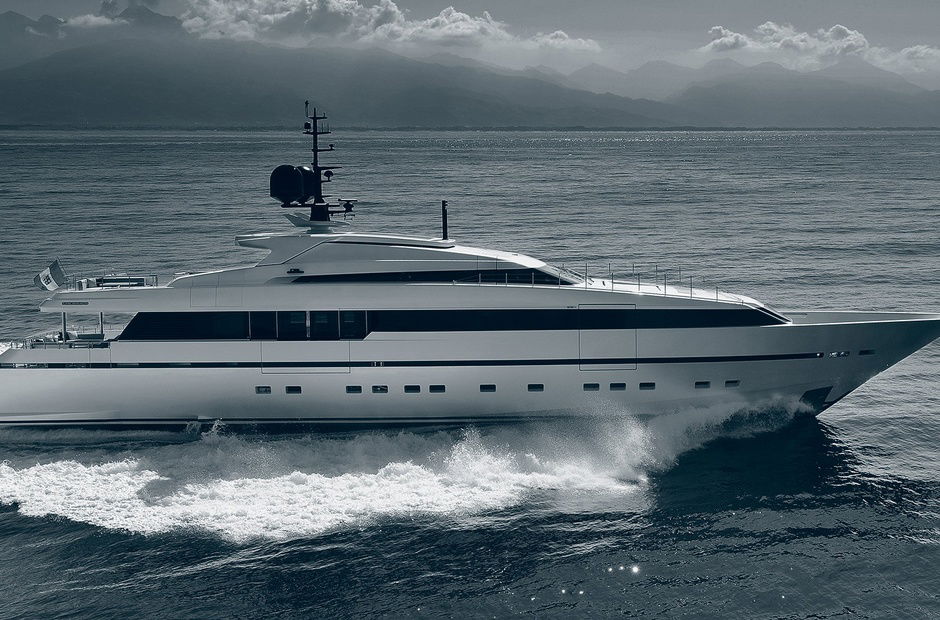


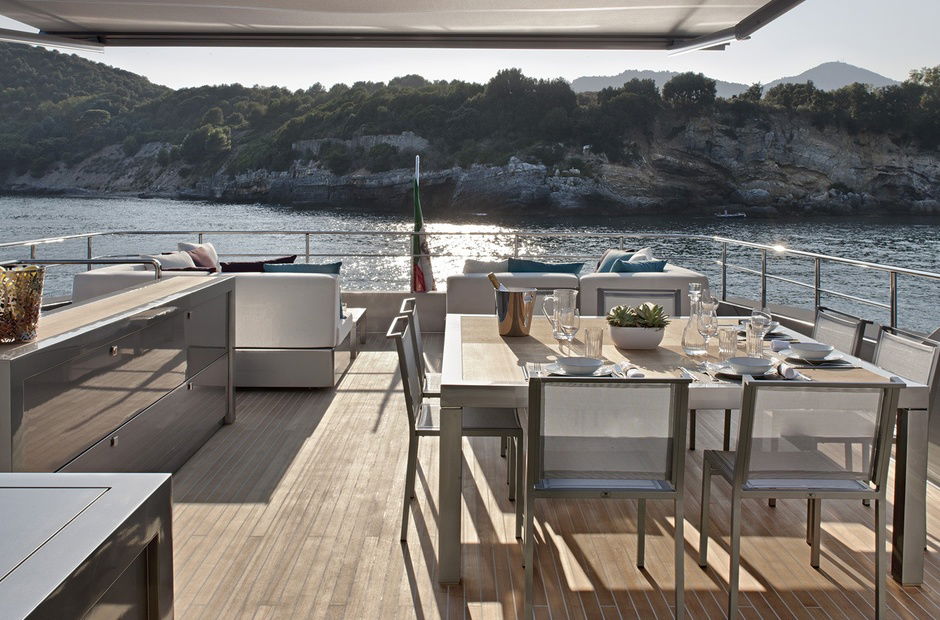
Images have been gathered from various sources and belong to their respective owners.
Review - Sanlorenzo Alloya 40

MarineBroker
01/01/2024, 4:56 AM
2012 Sanlorenzo Alloya 40: What Buyers Need to Know Before Stepping Aboard
If you’re looking at the 2012 Sanlorenzo Alloya 40, chances are you’re not just browsing—you’re trying to figure out whether this yacht actually fits the way you want to cruise. That’s the real challenge with any pre-owned luxury yacht: on paper, it can look perfect, but in practice, the details matter. Layout, maintenance history, engine condition, systems age, and how the boat was used can completely change the ownership experience.
The 2012 Sanlorenzo Alloya 40 sits in that interesting space where style, comfort, and performance meet. It’s the kind of yacht that attracts buyers who want something elegant and capable, but without jumping into a much larger vessel. The problem is that many people focus only on the brand and the photos, then miss the practical questions that determine whether the yacht will be a pleasure or a headache.
The good news? With the right approach, you can evaluate this model confidently, understand its strengths, and avoid common mistakes. In this guide, we’ll break down what makes the 2012 Sanlorenzo Alloya 40 appealing, what to inspect carefully, and how to decide if it’s the right fit for your boating plans.
- What Makes the 2012 Sanlorenzo Alloya 40 Stand Out
Sanlorenzo has long been associated with refined Italian yacht design, and the Alloya 40 reflects that reputation well. Buyers are often drawn to this model because it offers a balance of luxury and practical cruising capability.
What typically stands out about a yacht in this class is the combination of:
- Clean exterior lines that still look modern
- A layout designed for comfortable socializing
- A manageable size for private use and seasonal cruising
- A premium feel without the complexity of a much larger superyacht
For many owners, the appeal is not just how the yacht looks at the dock. It’s how easily it can be used. A 40-foot yacht is often large enough to feel substantial, but still small enough to handle without needing a full-time crew in every situation.
That said, the real value of the 2012 Sanlorenzo Alloya 40 depends heavily on condition. A well-kept example can feel impressive and practical. A neglected one can quickly become expensive.
- The Main Problem Buyers Face: Hidden Condition Issues
The biggest issue people run into with a pre-owned yacht like the 2012 Sanlorenzo Alloya 40 is assuming that a premium brand automatically means a low-risk purchase. Unfortunately, that is rarely true.
Even a well-built yacht can develop problems over time if maintenance has been inconsistent. And because yachts have so many systems, one overlooked issue can lead to a chain of repairs.
Common concerns buyers should watch for include:
- Engine and generator service history
- Moisture intrusion or water damage
- Electrical system aging
- Air conditioning performance
- Upholstery and interior wear
- Teak deck condition
- Electronics updates or obsolescence
A yacht may look polished during a showing, but the real story is often in the logs, invoices, and survey results. That’s why the smartest buyers focus less on first impressions and more on evidence.
If you’re shopping for the 2012 Sanlorenzo Alloya 40, your goal is not just to find a nice boat. Your goal is to find a boat that has been cared for in a way that matches your expectations and budget.
- How to Evaluate a 2012 Sanlorenzo Alloya 40 the Right Way
A good buying process is about reducing uncertainty. Instead of relying on intuition alone, break the evaluation into clear steps.
- Review the Maintenance History
This is the first place to start. Ask for records covering:
- Engine servicing
- Generator maintenance
- Hull and running gear work
- Battery replacement
- Pump and hose changes
- Navigation and electronics upgrades
A complete service history tells you the owner likely treated the yacht seriously. Gaps in documentation do not always mean trouble, but they should prompt more questions.
- Inspect the Engines and Mechanical Systems
The mechanical condition of the yacht often determines whether ownership feels smooth or stressful. A sea trial and engine survey are essential.
Look for:
- Smooth startup
- Stable idle
- Clean exhaust behavior
- No unusual vibration
- Proper temperature and pressure readings
- Responsive throttle movement
Also check the generator, bow thruster, windlass, and hydraulic systems if equipped. These are the kinds of components that can be expensive to repair if ignored.
- Examine the Hull and Deck Carefully
The hull may be solid, but you still want to inspect for signs of previous repairs, blistering, or impact damage. On deck, pay attention to sealant condition, deck fittings, and any signs of moisture around hatches or hardware.
Teak decks, if present, deserve special attention. Replacing or restoring teak is not a minor expense, so it’s worth checking the thickness and overall condition.
- Check Interior Wear Against Usage
A yacht can be mechanically sound but still feel tired inside. Interior condition often reveals how heavily the boat was used and how well it was cared for.
Look at:
- Soft furnishings
- Cabinet hinges and latches
- Flooring and carpet condition
- Head and shower areas
- Odors that may suggest dampness
- Signs of leaks around windows or hatches
A well-maintained interior should feel dry, clean, and solid. If you notice soft spots, staining, or persistent smells, investigate further.
- Understand the Onboard Experience
One of the most overlooked parts of buying any yacht is how it actually feels to use. The 2012 Sanlorenzo Alloya 40 may look great in photos, but does it suit your real boating lifestyle?
Think about:
- How many guests you usually host
- Whether you want day trips or longer stays aboard
- If you prefer owner-operated boating or crewed operation
- How much storage you need for gear and provisions
- Whether the cabin layout supports your family or group
The best yacht is not the one with the most impressive brochure. It’s the one that fits your routines.
- Why This Model Appeals to Practical Luxury Buyers
The Alloya 40 tends to attract buyers who want a yacht that feels upscale without becoming overwhelming. That’s a smart position in the market, especially for owners who value usability as much as aesthetics.
A yacht of this size can offer several advantages:
- Easier docking and handling
- Lower operating costs than larger yachts
- More flexible marina options
- Faster preparation for short trips
- Less crew dependency in many cases
This makes the 2012 Sanlorenzo Alloya 40 appealing to experienced owners who may be downsizing, as well as to newer buyers stepping into the luxury segment for the first time.
The key is to be realistic. A smaller yacht may be simpler than a superyacht, but it still needs thoughtful upkeep. Comfort comes from good systems and good ownership, not just from size.
- Practical Tips for Buying a Pre-Owned 2012 Sanlorenzo Alloya 40
If you’re seriously considering this model, here are some practical steps that can save you time and money.
- Hire an Experienced Marine Surveyor
Not all surveyors are equally familiar with luxury yachts. Choose someone who understands both the mechanical and cosmetic aspects of a high-end vessel.
A good survey should cover:
- Hull and structure
- Engines and propulsion
- Electrical systems
- Plumbing and tanks
- Safety equipment
- Moisture readings
- Sea trial performance
- Request a Full Sea Trial
A dockside inspection is not enough. A sea trial reveals how the yacht behaves under real conditions.
Pay attention to:
- Acceleration
- Steering response
- Noise and vibration
- Fuel burn estimates
- Stabilization performance, if applicable
- Helm visibility and control layout
- Budget for Immediate Post-Purchase Work
Even a well-kept yacht usually needs some attention after purchase. Plan for:
- Fresh servicing
- Safety gear replacement
- Cosmetic touch-ups
- Electronics updates
- Cleaning and detailing
- Minor repairs discovered during survey
A realistic reserve budget helps you enjoy the yacht instead of worrying about every unexpected bill.
- Verify Ownership and Documentation
Paperwork matters more than many buyers expect. Make sure the title, registration, VAT status if relevant, and service records are in order.
This is especially important if the yacht has changed hands multiple times or has spent time in different jurisdictions.
- Consider the Cost of Ownership, Not Just Purchase Price
The purchase price is only part of the story. For a yacht like the 2012 Sanlorenzo Alloya 40, ongoing ownership costs may include:
- Annual maintenance
- Winter storage or marina fees
- Fuel
- Insurance
- Cleaning and detailing
- Engine and generator servicing
- Unexpected repairs
This is where many buyers get caught off guard. A yacht that seems affordable upfront can become expensive if annual costs are underestimated.
- What to Look for in a Well-Kept Example
Not every used yacht tells the same story. The best examples usually share a few traits that are easy to spot once you know what to look for.
A strong candidate often has:
- Consistent service records
- Clean engine room appearance
- Updated safety equipment
- Fresh or well-preserved upholstery
- Dry bilges
- No signs of long-term neglect
- Evidence of regular use rather than long periods of sitting idle
A boat that is used regularly and maintained properly often ages better than one that sits unused for months at a time. Lack of use can be just as damaging as heavy use if systems are not exercised and checked.
- Is the 2012 Sanlorenzo Alloya 40 the Right Yacht for You?
This model makes the most sense if you want a yacht that combines elegance, manageable size, and a premium onboard feel. It is especially appealing if you value day cruising, weekend trips, and entertaining in style without moving into a much larger vessel.
It may be a good fit if you:
- Want a luxury yacht with practical handling
- Prefer a proven brand name
- Value a comfortable layout over maximum size
- Are willing to invest in proper inspection and upkeep
- Want a yacht that can serve as a private retreat or social platform
It may be less ideal if you want the lowest possible operating costs, or if you are not prepared to inspect the boat carefully before buying.
In other words, the yacht itself is only part of the equation. The condition, history, and fit for your lifestyle matter just as much.
- Final Thoughts on the 2012 Sanlorenzo Alloya 40
The 2012 Sanlorenzo Alloya 40 is the kind of yacht that can offer a very satisfying ownership experience when chosen carefully. Its appeal lies in its blend of style, comfort, and practical size, but the real key is due diligence. A premium brand does not replace a proper survey, service review, and honest assessment of how the boat has been used.
If you approach the search with a clear checklist, you’ll be in a much better position to spot a strong example and avoid costly surprises. Take your time, inspect everything thoroughly, and focus on long-term usability rather than surface appeal. If you want to keep learning, it’s worth comparing similar yachts in the same size range so you can make a confident, well-rounded decision.
Specifications
General
Boat Type: Power Boats
Class Type: Mega Yacht
Specifications
Length: 133.86
Beam: 25.92
Draft: 8.53
Hull Material: Aluminium
Build
First Built: 2012
Propulsion
Fuel Type: Diesel
Engines: 2
Power: 2600 HP
Brand: MTU
Accomodation
Berths: 6
Cabins: 5
Bathrooms: 4
PROS & CONS
What we appreciated
 Luxurious and spacious interior with high-quality finishesStrong build quality typical of Sanlorenzo craftsmanshipGood performance with reliable enginesWell-designed layout suitable for comfortable cruisingAdvanced navigation and onboard systems for a 2012 model
What we didn’t appreciate
 Older model, may require more maintenance and updatesFuel consumption can be high compared to newer, more efficient yachtsLimited availability of spare parts due to model ageTechnology and amenities may be outdated compared to newer yachtsPotentially higher operating costs due to size and age
Upkeep Costs
Fuel: Approximately $150,000 - $200,000 per year, depending on usage
Maintenance and Repairs: Around $100,000 annually
Crew Salaries: Typically $250,000 - $350,000 per year for a full crew
Insurance: Approximately $30,000 - $50,000 per year
Docking and Storage: $50,000 - $100,000 per year depending on location
Rating
8.1
User
Score
Score
Driveability
Technology
Interior
Design
Similar Boats


MarineBroker
Download now for an immersive boat experience like never before! ⛵✨ Your journey begins with a simple click. 🌊📲
#SetSailSmart #DownloadNow
#SetSailSmart #DownloadNow

Subscribe
Copyright 2017 - 2026, Marinebroker.net, All Rights Reserved