Boat Type: Power Boats
Boat Class: Motor Yacht
Length: 37.99 ft
Berths: 6
Cabins: 2
Bathrooms: 1
Max Persons: 12
2010 Fairline Targa 38: What to Know Before You Buy, Inspect, or Upgrade
If you’re looking at a 2010 Fairline Targa 38, chances are you already know it has the kind of sleek styling and sporty reputation that turns heads in any m...
Discover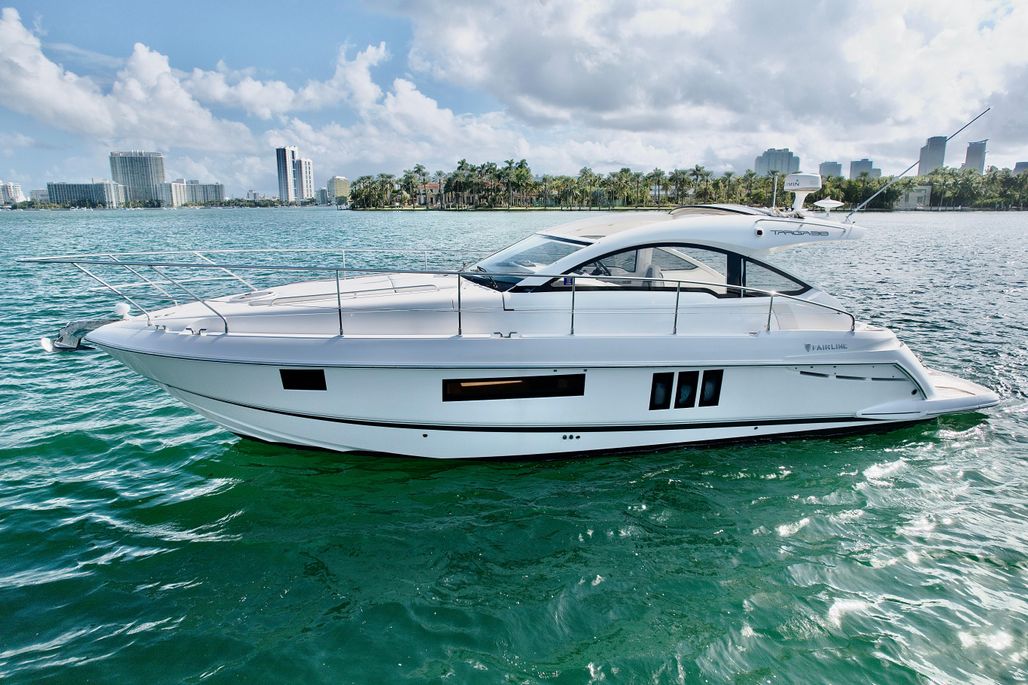

Images have been gathered from various sources and belong to their respective owners.
Latest Market Trends (Latest Available Year Model)
Price: $253,238
Review - Fairline Targa 38

MarineBroker
11/22/2023, 3:19 AM
2010 Fairline Targa 38: What to Know Before You Buy, Inspect, or Upgrade
If you’re looking at a 2010 Fairline Targa 38, chances are you already know it has the kind of sleek styling and sporty reputation that turns heads in any marina. What many buyers and owners discover, though, is that the real challenge isn’t admiring the boat from the dock — it’s understanding what to watch for once you start thinking seriously about ownership.
That’s where things can get a little tricky. A well-kept Targa 38 can be a fantastic all-round cruiser, but like any 2010-era performance sports cruiser, it can hide expensive issues if you don’t know where to look. Engine hours, maintenance history, upholstery wear, electronics age, and hull or drivetrain condition can all make a big difference in value and long-term enjoyment.
The good news? With the right inspection approach and a few practical ownership tips, you can separate a solid example from a money pit pretty quickly. In this guide, we’ll walk through the key things buyers and owners should focus on, what problems are most common, and how to make smart decisions around maintenance, upgrades, and value.
- What Makes the 2010 Fairline Targa 38 So Popular?
The Fairline Targa 38 sits in a sweet spot for many boaters. It’s large enough to feel genuinely capable for weekend cruising, yet still manageable for couples or small families who don’t want to jump into a much bigger yacht.
Owners are usually drawn to a few standout qualities:
- Sporty, timeless exterior styling
- Comfortable cockpit layout for entertaining
- Practical interior for short cruising trips
- Strong reputation for build quality
- Good balance between performance and livability
For many people, the appeal of the 2010 Fairline Targa 38 is that it offers a premium feel without the complexity of a much larger vessel. But that same age bracket means buyers need to be especially careful. Boats from this era can still be excellent, but only if they’ve been maintained properly.
- The Main Problem: Hidden Wear and Age-Related Costs
The biggest issue with a 2010 Fairline Targa 38 isn’t usually one dramatic failure. It’s the accumulation of smaller age-related problems that can add up fast.
A boat like this may look great in photos, but underneath the surface, you could be dealing with:
- Aging engines or cooling system issues
- Outdated navigation electronics
- Worn canvas, upholstery, or cockpit covers
- Stern drive or propeller wear
- Electrical faults from old connections or moisture intrusion
- Teak deck repairs or cleaning costs
- Seals, hoses, and pumps nearing end of life
This is why many buyers get caught off guard. They budget for the purchase price, but not for the “catch-up” maintenance that often follows. The solution is not to avoid the boat — it’s to inspect it properly and plan ownership realistically.
- 2010 Fairline Targa 38: What Buyers Should Inspect First
If you’re seriously considering a 2010 Fairline Targa 38, start with the systems that are most expensive to repair. These are the areas that can turn a good deal into a costly project.
- Engines and service history
Ask for full service records, not just a summary. You want to know:
- Oil and filter change intervals
- Impeller replacement history
- Belt and hose replacement
- Cooling system maintenance
- Any major repairs or overhauls
Engine hours matter, but they don’t tell the whole story. A well-maintained engine with higher hours can be a better buy than a low-hour engine that sat unused for years.
- Drives and propulsion system
Whether the boat uses sterndrives or another setup, inspect for:
- Corrosion
- Oil leaks
- Bellows condition
- Steering play
- Noisy operation
- Propeller damage
Drives are one of the most expensive areas to neglect. Even small leaks or worn seals can lead to bigger issues if ignored.
- Hull and deck condition
Look closely for:
- Stress cracks
- Osmosis signs
- Soft spots in the deck
- Poorly repaired gelcoat
- Water intrusion around fittings
A clean-looking hull doesn’t always mean a dry, healthy structure. Press around hatches, deck fittings, and high-traffic areas to check for softness.
- Electrical systems
Older boats often develop annoying electrical gremlins. On a 2010 Fairline Targa 38, test:
- All navigation lights
- Bilge pumps
- Battery charging system
- Shore power setup
- Switch panels
- Cabin lighting and appliances
Corrosion behind panels or in connectors can cause intermittent problems that are hard to trace later.
- Interior condition
The cabin should tell you a lot about how the boat has been used. Watch for:
- Damp smells
- Stained headliners
- Soft furnishings
- Loose trim
- Signs of leaks around windows or hatches
Cosmetic wear is normal, but moisture damage is a warning sign.
- Common Issues on a 2010 Fairline Targa 38
Every boat model has a few recurring weak points. While the Fairline Targa 38 has a strong reputation overall, age and usage patterns can still create predictable headaches.
- Canvas and exterior upholstery wear
Sun exposure is brutal on cockpit covers, seat vinyl, and stitching. If the boat has spent a lot of time outdoors, expect these items to need attention.
Typical signs include:
- Faded cushions
- Cracked vinyl
- Loose seams
- Brittle zippers
- Water pooling under covers
Replacing canvas and upholstery may not sound urgent, but it can affect both comfort and resale value.
- Teak maintenance
If the boat has teak in the cockpit or on swim platforms, maintenance matters. Teak can look fantastic, but only if it’s cleaned and cared for properly.
Over-sanding or aggressive cleaning can shorten its life. In many cases, careful washing and occasional professional restoration are better than constant heavy sanding.
- Ageing electronics
Navigation and onboard electronics from 2010 may still function, but the user experience can feel dated. Screens may be smaller, chart data outdated, and some systems may no longer be supported.
This doesn’t always mean you need a full refit, but it’s worth budgeting for upgrades if you cruise regularly.
- Water ingress around fittings
One of the most common issues on older cruisers is water intrusion. It can happen around:
- Deck hardware
- Windows
- Hatches
- Rail bases
- Antenna mounts
Even a small leak can lead to hidden damage over time, especially in cabinetry or headliners.
- How to Judge Whether a 2010 Fairline Targa 38 Is a Good Buy
The easiest way to evaluate a used boat is to separate “nice-looking” from “well-maintained.” A polished exterior is great, but it should never be the main reason you buy.
Use this simple approach:
- Start with the service records
- Review the survey report carefully
- Compare engine hours with maintenance quality
- Check for evidence of water damage
- Estimate upcoming refit costs
- Compare the asking price to similar boats in similar condition
A boat with documented care often justifies a higher asking price. A cheaper example with missing records can quickly become the more expensive option.
- Practical Ownership Tips for the 2010 Fairline Targa 38
If you already own one, or you’re planning to buy, the best way to protect your investment is to stay ahead of maintenance.
- Build a seasonal maintenance routine
Instead of waiting for things to break, create a recurring checklist.
A good routine should include:
- Engine service checks
- Battery inspection
- Bilge cleaning
- Pump testing
- Canvas and upholstery care
- Hull cleaning and polishing
- Drive inspection
- Seal and hose checks
This keeps small issues from becoming major repairs.
- Keep the boat dry and ventilated
Moisture is one of the biggest enemies of any cruiser. Use ventilation whenever possible, and pay attention to condensation in the cabin.
Helpful habits include:
- Opening hatches on dry days
- Using dehumidifiers when stored
- Checking under cushions and in lockers
- Inspecting around windows after heavy rain
- Don’t ignore small electrical faults
A flickering light or unreliable gauge may seem minor, but on an older boat it can point to larger wiring or corrosion issues. Fixing small faults early is usually far cheaper than chasing a bigger failure later.
- Protect the exterior finish
Regular washing, waxing, and cover use can make a huge difference. Boats that are cared for visually often age better mechanically too, because owners tend to stay on top of the rest of the maintenance.
- Upgrade Smartly, Not All at Once
One of the best things about the 2010 Fairline Targa 38 is that it can be improved gradually. You don’t need to refit everything immediately.
Good upgrade priorities often include:
- Modern chartplotter and navigation system
- New batteries if the old ones are weak
- Fresh cockpit covers
- LED lighting conversion
- Stereo or entertainment upgrades
- Safety gear replacement
- Anchor windlass inspection or upgrade
The trick is to focus on items that improve safety, reliability, and day-to-day enjoyment first. Cosmetic upgrades can wait if the fundamentals are strong.
- What the 2010 Fairline Targa 38 Is Best For
This boat suits owners who want a stylish cruiser that can handle relaxed weekends, coastal runs, and entertaining onboard. It’s not really about ultra-long passagemaking or huge onboard volume.
It works best for:
- Couples who want a comfortable cruising boat
- Families planning weekend trips
- Buyers moving up from smaller sports cruisers
- Owners who value style and practicality together
- Boaters who are happy to maintain a premium older vessel properly
If you want a boat that feels refined without being overwhelming, the Targa 38 remains a very appealing option.
- When to Walk Away
Sometimes the smartest move is to pass on a boat, even if you love the model. That’s especially true if the inspection reveals multiple red flags at once.
Be cautious if you find:
- No service records
- Signs of repeated water intrusion
- Major engine or drive issues
- Poorly repaired damage
- Heavy cosmetic wear plus neglected systems
- A seller who avoids detailed questions
A fair price on a neglected boat is still not a good deal. If the repair list is too long, it may be better to keep looking for a better-maintained example.
- Why the Right Survey Matters So Much
A proper marine survey is one of the best investments you can make when buying a 2010 Fairline Targa 38. It helps you spot hidden issues before they become your problem.
A good survey should cover:
- Hull and structure
- Engines and propulsion
- Electrical systems
- Plumbing and tanks
- Safety equipment
- Moisture intrusion
- General cosmetic and functional condition
If possible, combine the survey with an engine specialist inspection. That extra step can save you from very expensive surprises.
- The Bottom Line on the 2010 Fairline Targa 38
The 2010 Fairline Targa 38 can be a rewarding boat for the right owner. It offers a strong mix of style, comfort, and performance, but only if you treat it like the premium used boat it is.
The real solution to avoiding regret is simple: inspect carefully, budget honestly, and prioritize maintenance from day one. That way, you can enjoy the boat for what it does best — relaxed cruising, smart design, and a genuinely enjoyable time on the water.
If you’re researching one now, take your time, compare examples carefully, and don’t be afraid to ask for full records. A well-kept Targa 38 can still be a great buy, and the right information makes all the difference.
Specifications
General
Boat Type: Power Boats
Class Type: Motor Yacht
Specifications
Length: 37.99
Beam: 11.81
Draft: 3.94
Hull Material: GRP
Build
First Built: 2010
Propulsion
Fuel Type: Diesel
Engines: 2
Power: 370 HP
Brand: Volvo
Accomodation
Berths: 6
Cabins: 2
Bathrooms: 1
PROS & CONS
What we appreciated
 Stylish and sporty design with a sleek profileSpacious and well-appointed interior with quality materialsGood performance with powerful engines and responsive handlingComfortable seating and ample deck space for entertainingReliable build quality and reputable brand reputation
What we didn’t appreciate
 Older model, may require more maintenance and upgradesLimited storage space compared to larger cruisersFuel consumption can be high due to powerful enginesCabin headroom might be restrictive for taller individualsElectronics and onboard systems may be outdated
Upkeep Costs
Annual maintenance: $5,000 - $8,000
Fuel: $4,000 - $7,000 per year (depending on usage)
Insurance: $1,200 - $2,500 per year
Docking/Marina fees: $3,000 - $6,000 per year
Storage and winterization: $1,000 - $2,500 per year

Rating
7.8
User
Score
Score
Driveability
Technology
Interior
Design
Similar Boats


MarineBroker
Download now for an immersive boat experience like never before! ⛵✨ Your journey begins with a simple click. 🌊📲
#SetSailSmart #DownloadNow
#SetSailSmart #DownloadNow

Subscribe
Copyright 2017 - 2026, Marinebroker.net, All Rights Reserved