Boat Database » Beavertail Lightning 20
Beavertail Lightning 20
Outboard four-stroke, Unleaded, 1x 150 HP
Power Boats 2020 Beavertail Lightning 20: What Buyers Should Know Before Choosing a Shallow Water Skiff
If you’ve been looking at the 2020 Beavertail Lightning 20, you’re probably already familiar with the appeal of a serious shallow-water s...
Discover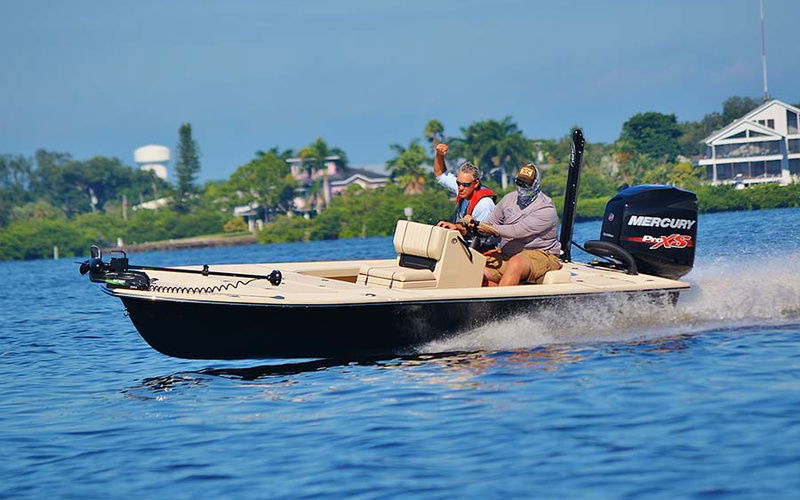


Images have been gathered from various sources and belong to their respective owners.
Review - Beavertail Lightning 20

MarineBroker
09/19/2024, 7:38 AM
2020 Beavertail Lightning 20: What Buyers Should Know Before Choosing a Shallow Water Skiff
If you’ve been looking at the 2020 Beavertail Lightning 20, you’re probably already familiar with the appeal of a serious shallow-water skiff: low draft, quick response, simple layout, and the ability to get into places bigger boats can’t. That’s the dream, at least. The real challenge is figuring out whether this boat actually fits the way you fish, the water you run, and the kind of maintenance you’re willing to keep up with.
That’s where a lot of buyers get stuck. It’s easy to get caught up in specs, photos, and resale chatter, but the better question is whether the Lightning 20 solves the right problem for you. In many cases, the answer comes down to three things: how shallow you really run, how much stability you need, and how much comfort you want when the water gets choppy. This article breaks those questions down in a practical way so you can make a smarter decision without the guesswork.
- What Makes the 2020 Beavertail Lightning 20 Stand Out
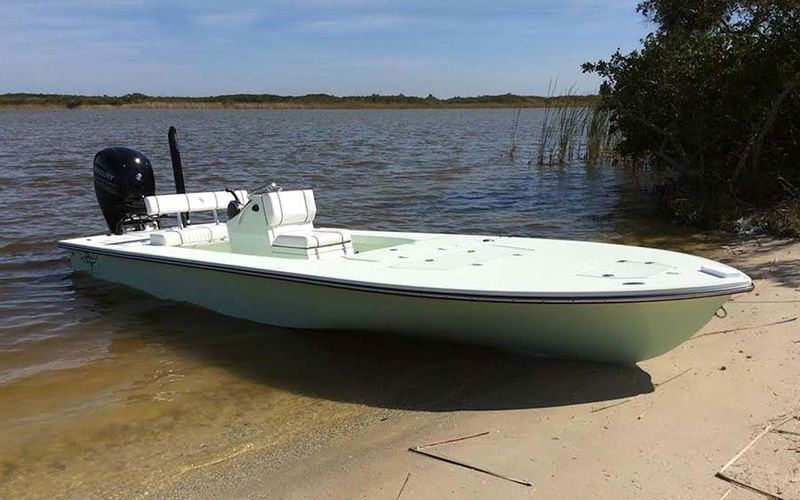
The 2020 Beavertail Lightning 20 is a technical poling skiff built for anglers who want access to skinny water without giving up too much usability. It’s designed around efficiency, shallow draft performance, and a layout that supports sight fishing and quiet movement.
For many buyers, the Lightning 20 stands out because it sits in a sweet spot between ultra-minimal flats boats and more general-purpose bay boats. It’s not trying to be everything. Instead, it focuses on doing one job very well: getting anglers into shallow water and helping them stay there with control.
A few reasons people keep searching for this model include:
- Excellent shallow-water access
- Lightweight, efficient hull design
- Good fit for poling and stealth fishing
- Simple layout that keeps the deck open
- Strong reputation among flats boat anglers
If your fishing style is centered around grass flats, mangroves, backcountry creeks, or skinny bay systems, this boat type makes a lot of sense.
- The Main Problem Buyers Are Trying to Solve
The biggest problem for people interested in the 2020 Beavertail Lightning 20 is usually not “What boat is best?” It’s more specific than that.
The real problem is figuring out how to balance shallow-water performance with everyday usability.
A lot of anglers want a boat that can:
- Float in very little water
- Run efficiently
- Handle a decent load
- Stay stable enough to fish comfortably
- Still feel manageable in wind, chop, and variable conditions
That’s a tough balance. Some boats are amazing in ultra-shallow water but feel cramped or too delicate for regular use. Others are more versatile but lose the quiet, shallow performance that makes a skiff attractive in the first place.
The 2020 Beavertail Lightning 20 is often considered by buyers who are trying to avoid that tradeoff. The key is understanding where it fits and where it doesn’t.
- Who the 2020 Beavertail Lightning 20 Is Best For
This boat tends to make the most sense for anglers with a very specific style of boating.
It’s a strong match if you:
- Fish shallow flats regularly
- Use a push pole or trolling motor often
- Prefer a clean, open deck
- Spend time sight fishing
- Want a lightweight boat that’s easy to move efficiently
- Fish with one or two people instead of large groups
It may be less ideal if you:
- Often run long distances in rough water
- Need lots of storage for family cruising or gear-heavy trips
- Want a boat with a softer ride in open chop
- Regularly fish with three or more adults onboard
That doesn’t mean the Lightning 20 is limited. It just means the boat is specialized. Specialization can be a huge advantage if your fishing habits match the design.
- 2020 Beavertail Lightning 20: Key Features That Matter Most
When evaluating a boat like this, it helps to focus less on marketing terms and more on how the features affect real use.
- Shallow Draft Performance
This is the headline feature for a reason. A skiff like the Lightning 20 is built to get into skinny water where many other boats simply can’t go.
That matters if your fishing spots depend on:
- Low tides
- Grass flats
- Backcountry channels
- Mangrove shorelines
- Sandbars and shallow creeks
Shallow draft gives you access, but it also changes how you fish. You can stay closer to the fish, reduce long runs, and avoid areas crowded with larger boats.
- Light and Efficient Hull Design
A lighter hull usually means quicker planing, easier trailering, and less power needed to move the boat efficiently. That can translate into better fuel economy and less strain on the engine.
For many owners, this is a big part of the appeal. A lighter skiff is easier to manage both on the water and off it.
- Open Deck Layout
The deck layout on a technical skiff matters more than people sometimes realize. A clean, open deck gives you room to cast, fight fish, and move around without tripping over unnecessary clutter.
If you’re sight fishing or poling, this kind of layout can make the whole experience feel smoother and less stressful.
- Quiet, Stealth-Oriented Design
In shallow water, being quiet matters. Fish in skinny water can spook easily, especially in clear conditions.
A boat like the Lightning 20 is built to support a more subtle approach, which is a major advantage when you’re trying to get close without disturbing the fish.
- What to Watch Out for Before Buying
Even a good boat can be the wrong boat if the buyer ignores practical limitations.
Here are the most common things to think about before choosing the 2020 Beavertail Lightning 20.
- Ride Comfort in Chop
Shallow-water skiffs are not usually the best choice for rough, open water. If your local conditions often include wind-driven chop, boat wakes, or longer exposed runs, you need to be honest about how often that will happen.
A technical skiff can handle more than people sometimes assume, but it usually won’t feel as soft or forgiving as a heavier bay boat.
- Load Sensitivity
Lightweight boats are efficient, but they can be more sensitive to added weight. Extra fuel, heavy gear, multiple anglers, and coolers all affect performance.
That means you need to think about your typical load, not just the boat’s advertised capabilities.
A simple way to check this is to ask:
- How many people are usually onboard?
- How much gear do I carry?
- Do I fish light and fast, or loaded and prepared?
- Will I regularly add accessories later?
- Maintenance and Ownership Habits
A skiff like this rewards owners who stay on top of maintenance. That includes engine care, wiring checks, hull cleaning, and keeping moving parts in good shape.
If you want a boat that tolerates neglect, a high-performance shallow-water skiff may not be the best fit.
- How to Decide If the 2020 Beavertail Lightning 20 Fits Your Water
The best way to judge this boat is to compare it to your actual fishing environment.
Ask yourself these questions:
1. How shallow do I really need to go?
If your fishing is mostly in water where draft is not a major issue, you may not need a specialized skiff.
2. How often do I fish in calm versus rough conditions?
If most of your time is spent in protected flats and backcountry water, the Lightning 20 becomes more attractive.
3. Do I value stealth and casting space more than comfort?
If yes, the boat’s design makes a lot of sense.
4. Am I usually fishing solo or with one partner?
This boat type tends to work best with smaller crews.
5. Do I want a boat that is easy to pole and maneuver quietly?
That’s one of the areas where technical skiffs shine.
A good rule of thumb: match the boat to the water first, then the features.
- Practical Setup Tips for Getting the Most from a Shallow Water Skiff
If you decide a boat like the 2020 Beavertail Lightning 20 is right for you, the next step is setting it up in a way that supports how you fish.
- Keep the Rigging Simple
Too much clutter can defeat the purpose of a clean, efficient skiff. Focus on gear that improves fishing performance without adding unnecessary weight.
Good priorities include:
- Reliable trolling motor setup
- Efficient battery placement
- Clean electronics installation
- Minimal deck clutter
- Smart storage for essential tackle
- Balance Weight Carefully
Weight distribution matters a lot on a shallow-water boat.
Try to:
- Store heavy items low and centered
- Avoid overloading the stern
- Keep unnecessary gear off the deck
- Check how the boat sits with fuel and passengers aboard
A small shift in balance can affect draft, ride, and handling more than many new owners expect.
- Choose the Right Power and Prop Setup
Outboard selection and propeller choice can make a big difference in how a skiff performs. The goal is not just top speed, but efficient operation across the range you actually use.
A proper setup should help with:
- Hole shot
- Shallow-water maneuvering
- Fuel efficiency
- Load carrying
- Low-speed control
If you’re evaluating a used 2020 Beavertail Lightning 20, ask how the current setup performs with a normal fishing load, not just on a light test run.
- Inspect the Details on a Used 2020 Beavertail Lightning 20
If you’re shopping the used market, the boat’s condition matters just as much as the model name.
Look closely at:
- Hull condition and signs of previous repairs
- Transom integrity
- Wiring and electrical work
- Console and steering components
- Trolling motor mounting area
- Deck wear and soft spots
- Engine service history
- Trailer condition
A shallow-water skiff can look clean at first glance but still have issues hidden in the rigging or hull structure.
It’s worth taking your time here. A careful inspection can save you from expensive surprises later.
- Why This Boat Appeals to Serious Flats Anglers
The 2020 Beavertail Lightning 20 has a strong following because it aligns with how serious flats anglers actually fish.
Many anglers don’t need a bigger boat. They need a smarter one.
That means:
- Less draft
- Better access
- Easier poling
- More open casting space
- Less wasted space
For anglers who spend their time chasing redfish, snook, trout, or other shallow-water species, those advantages can matter more than luxury features.
It’s also part of why boats like this hold appeal in the used market. Buyers who understand the design often know exactly what they’re getting.
- Common Mistakes Buyers Make
A lot of disappointment comes from buying a specialized boat for general use.
Here are the most common mistakes to avoid:
- Buying for the idea of shallow-water fishing instead of your actual fishing habits
- Underestimating how often you’ll face wind and chop
- Ignoring load limits and weight balance
- Choosing a setup that adds too much clutter
- Not inspecting the used boat carefully enough
- Assuming a technical skiff will feel like a bay boat
The fix is simple: be realistic. The more honest you are about where and how you fish, the better your choice will be.
- A Simple Decision Framework
If you’re still unsure, use this quick framework.
Choose a boat like the 2020 Beavertail Lightning 20 if:
- Your fishing is mostly shallow and protected
- You want a stealthy, efficient platform
- You value casting room and simplicity
- You usually fish with one or two people
- You understand the tradeoff in rough-water comfort
Look for a different style of boat if:
- You need more all-around comfort
- You often run open water
- You carry a lot of passengers or gear
- You want a more family-friendly layout
- Your fishing rarely requires very shallow draft
This kind of honest comparison usually makes the answer clearer fast.
- Conclusion
The 2020 Beavertail Lightning 20 is best understood as a purpose-built shallow-water skiff, not a one-size-fits-all boat. For the right angler, it offers exactly what matters most: access, stealth, efficiency, and a clean fishing platform. The main challenge is making sure your water, load, and fishing style actually match what the boat was designed to do.
If you’re shopping for one, focus on real-world fit rather than just specs. Look at how you fish, where you run, and how much comfort you’re willing to trade for shallow-water performance. That approach will help you decide whether this boat is a smart match or whether another setup would serve you better. If you want to keep researching, comparing hull types and ownership tips is a great next step.
Specifications
General
Boat Type: Power Boats
Class Type: Centre Console
Specifications
Length: 20.01
Beam: 6.82
Draft: 0.82
Hull Material: GRP
Build
First Built: 2020
Propulsion
Fuel Type: Unleaded
Engines: 1
Power: 150 HP
Brand: Unknown
Accomodation
PROS & CONS
What we appreciated
 Lightweight and easy to tow due to aluminum constructionDesigned specifically for waterfowl hunting with a shallow draftGood maneuverability in tight, shallow watersDurable and low maintenance materialSpacious deck layout for hunting gear and movement
What we didn’t appreciate
 Limited seating capacity compared to larger boatsLess suitable for rough water conditionsBasic amenities and comfort featuresLimited engine options due to lightweight designNot ideal for general recreational boating or fishing
Upkeep Costs
Insurance: $500 - $1,000 per year
Storage: $1,000 - $3,000 per year
Maintenance and Repairs: $500 - $1,500 per year
Fuel: $1,000 - $3,000 per year
Registration and Taxes: $100 - $300 per year
Rating
6.1
User
Score
Score
Driveability
Technology
Interior
Design
Similar Boats


MarineBroker
Download now for an immersive boat experience like never before! ⛵✨ Your journey begins with a simple click. 🌊📲
#SetSailSmart #DownloadNow
#SetSailSmart #DownloadNow

Subscribe
Copyright 2017 - 2026, Marinebroker.net, All Rights Reserved