Boat Database » Bayliner Element
Bayliner Element
Outboard four-stroke, Unleaded, 1x 60 HP
Power Boats 2014 Bayliner Element: What Buyers Should Know Before You Hit the Water
If you’re looking at a 2014 Bayliner Element, you’re probably trying to figure out one big question: is it the right boat for your needs, and what should you...
Discover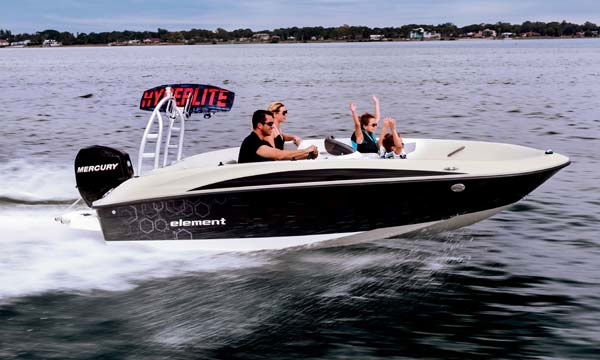
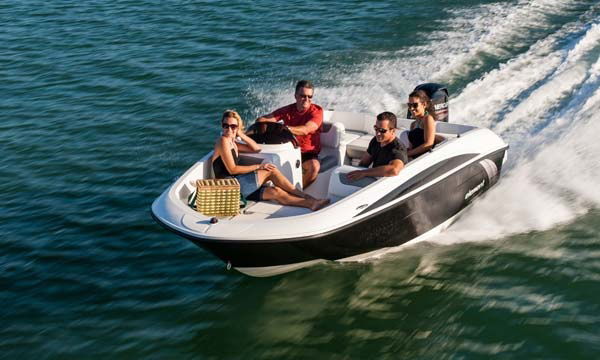
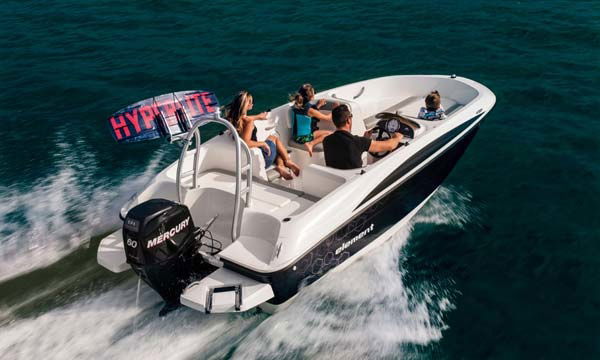
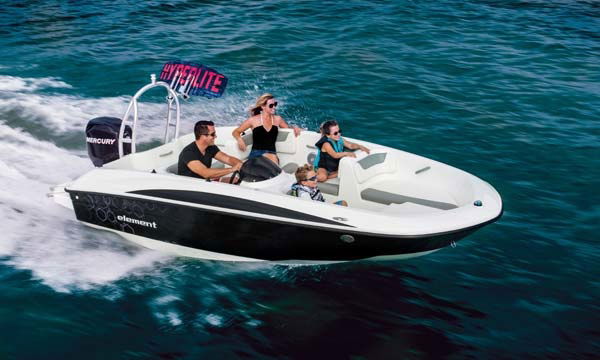
Images have been gathered from various sources and belong to their respective owners.
Review - Bayliner Element

MarineBroker
09/16/2024, 1:37 PM
2014 Bayliner Element: What Buyers Should Know Before You Hit the Water
If you’re looking at a 2014 Bayliner Element, you’re probably trying to figure out one big question: is it the right boat for your needs, and what should you watch out for before buying or owning one? That’s a smart question to ask. Boats in this class are often marketed as easy, affordable, and beginner-friendly, but the real-world experience can be a little different depending on how the boat was used, maintained, and equipped.
The 2014 Bayliner Element is popular because it offers a simple layout, approachable handling, and a design that works well for casual cruising, fishing, and family outings. But like any used boat, the value is in the details. Condition matters more than the badge on the hull. A clean, well-maintained boat can be a great fit for a new owner, while a neglected one can quickly turn into a money pit.
In this article, we’ll break down what makes the 2014 Bayliner Element appealing, the common issues buyers should look for, and practical ways to evaluate whether it’s a good match. If you’re trying to avoid expensive surprises and make a confident decision, you’re in the right place.
- What Makes the 2014 Bayliner Element Popular
The Bayliner Element line was designed to make boating feel less intimidating. The layout is straightforward, the seating is practical, and the boat is generally easy to trailer, launch, and operate. For many people, that simplicity is the main appeal.
The 2014 Bayliner Element is especially attractive to first-time boat owners, families, and weekend boaters who want something manageable without jumping into a larger, more complex vessel. It’s the kind of boat that can handle relaxed lake days, short coastal runs in calm conditions, and casual outings without overwhelming the operator.
A few reasons people keep looking at this model:
- Simple deck layout that feels open and easy to use
- Lightweight design that can be easier to tow than larger boats
- Good entry point for new boaters
- Lower running costs compared with bigger runabouts
- Versatility for cruising, watersports, and light fishing
That said, “simple” doesn’t mean “problem-free.” The biggest challenge for buyers is knowing how to separate a good example from one that’s been poorly maintained.
- The Main Problem Buyers Face With a 2014 Bayliner Element
The real issue with shopping for a used 2014 Bayliner Element is not usually the model itself. It’s that many boats in this price range have had inconsistent care. Some were used gently and stored properly. Others spent seasons sitting in the sun, getting water intrusion, or running with overdue maintenance.
That creates a common buyer problem: how do you know whether the boat you’re looking at is actually a good deal?
Here are the most common concerns:
- Hidden wear from sun exposure
- Upholstery cracking or stitching failure
- Electrical issues from corrosion
- Engine maintenance gaps
- Trailer rust or worn bearings
- Soft spots or damage in high-traffic areas
- Evidence of poor storage or water intrusion
A boat can look clean in photos and still have issues that cost thousands to fix. That’s why the best solution is not just “find the lowest price.” It’s to inspect the boat carefully and understand the likely weak points.
- What to Inspect on a 2014 Bayliner Element Before Buying
If you’re evaluating a 2014 Bayliner Element, focus on the areas that tend to reveal how the boat was treated. A thorough inspection can save you from buying someone else’s problem.
- Hull and Exterior Condition
Start with the hull. Look for signs of impact, deep scratches, gelcoat cracks, and uneven repairs. Minor cosmetic wear is normal for a used boat, but structural damage is a different story.
Check for:
- Dents or scrapes near the bow and keel
- Evidence of grounding
- Repairs that don’t match the surrounding finish
- Fading or chalking from UV exposure
If the boat has been docked or stored outside for long periods, the exterior may show more wear than the hour meter suggests. Sun damage can be a clue that other components may also have been neglected.
- Upholstery and Seating
One of the most visible wear points on any used boat is the upholstery. On a 2014 Bayliner Element, inspect seats, cushions, seams, and hinges closely.
Look for:
- Cracking vinyl
- Mildew or persistent odors
- Loose stitching
- Waterlogged foam
- Broken seat bases or latches
Upholstery replacement can get expensive fast, especially if multiple cushions need work. A boat with clean, solid seating usually tells you the owner cared about the rest of the boat too.
- Engine and Mechanical Systems
The engine is where a lot of hidden costs live. Even if the boat starts at the dock, that doesn’t mean it’s ready for a season of reliable use.
Check for:
- Cold start behavior
- Smooth idle
- Unusual smoke
- Water flow from the cooling system
- Leaks around hoses, seals, or the lower unit
- Service records for oil changes, impellers, and winterization
If possible, get a compression test and a professional marine inspection. That’s especially important if the seller can’t provide maintenance documentation. A boat with a solid engine and good records is far safer than one with a shiny exterior and no paper trail.
- Electrical and Battery Setup
Used boats often develop electrical problems from corrosion, loose connections, or neglected batteries. These issues may seem small, but they can become frustrating quickly.
Test:
- Navigation lights
- Bilge pump
- Horn
- Gauges
- Stereo
- Accessories and switches
Open any accessible panels and look for corrosion, exposed wires, and non-factory modifications. If the wiring looks messy, assume troubleshooting may be needed later.
- Trailer Condition
If the 2014 Bayliner Element comes with a trailer, inspect it just as carefully as the boat. A bad trailer can create safety issues and add unexpected repair costs.
Look at:
- Frame rust
- Tires and tread age
- Wheel bearings
- Winch operation
- Lights and wiring
- Bunks or rollers
A trailer that’s been sitting unused for years may need more than a quick tune-up. If you plan to tow often, this part matters a lot.
- How to Tell If a 2014 Bayliner Element Is a Good Fit for You
Not every boat is right for every owner. The 2014 Bayliner Element tends to work best for people who want a practical, easy-to-handle boat rather than a high-performance machine.
It may be a good fit if you:
- Want a beginner-friendly boat
- Plan to use it on lakes, rivers, or calm coastal water
- Prefer simple layouts over luxury features
- Want something easier to tow and store
- Value low-stress outings over speed or advanced performance
It may not be the best choice if you:
- Need a boat for rough water often
- Want premium finishes and high-end features
- Expect large-group entertaining space
- Prefer a boat with lots of built-in tech
This is where buyer expectations matter. A lot of disappointment comes from expecting a budget-friendly boat to perform like a more expensive model. If you understand what the boat is designed to do, you’re much more likely to be happy with it.
- Practical Solution: How to Buy Smart and Avoid Costly Mistakes
The best solution when shopping for a 2014 Bayliner Element is to use a simple, disciplined buying process. That means looking beyond the asking price and focusing on condition, maintenance, and ownership history.
Here’s a practical approach:
1. Ask for maintenance records
Service history is one of the strongest signs of a responsible owner. Look for oil changes, winterization, impeller replacement, battery care, and any repairs.
2. Inspect in daylight and in person
Never rely only on photos. Visit the boat when you can see the hull, upholstery, engine area, and trailer clearly.
3. Test everything
Make sure pumps, lights, gauges, switches, and electronics work. Small failures often point to larger neglect.
4. Check storage history
A boat stored indoors or under cover usually ages better than one left exposed year-round.
5. Hire a marine surveyor or mechanic if needed
Paying for an inspection can be much cheaper than discovering engine or structural issues later.
6. Compare condition, not just price
A slightly more expensive boat in great shape often costs less in the long run than a cheaper one that needs immediate repairs.
This approach helps you avoid the most common trap: buying based on emotion or a low asking price alone.
- Common Repairs and Maintenance to Expect
Even a well-kept 2014 Bayliner Element will need routine upkeep. Knowing what’s normal helps you budget realistically and avoid panic when something needs attention.
Common maintenance items include:
- Oil and filter changes
- Impeller replacement
- Battery replacement
- Fuel system checks
- Cleaning and protecting vinyl
- Trailer bearing service
- Tire replacement
- Corrosion control on hardware and electrical parts
Depending on usage, some cosmetic issues may also show up over time. Sun, salt, and moisture are tough on any boat. Regular rinsing, covering, and seasonal maintenance go a long way.
A good rule of thumb: if the boat has been used regularly but cared for properly, the maintenance should feel manageable. If it has been neglected, repairs can pile up quickly.
- Why Condition Matters More Than Hour Count
A lot of buyers fixate on engine hours, but hours alone do not tell the full story. A 2014 Bayliner Element with moderate hours and excellent maintenance can be a better buy than a lower-hour boat that sat unused and deteriorated.
What really matters is:
- How it was used
- Where it was stored
- Whether it was serviced on time
- How often it was cleaned and protected
- Whether repairs were done properly
For example, a boat used regularly in fresh water with consistent maintenance may age very well. On the other hand, a boat with low hours but no winterization, no cover, and no documentation may hide more problems than it appears to.
- Smart Questions to Ask the Seller
Before you commit to a 2014 Bayliner Element, ask direct questions. Good sellers usually have clear answers and supporting documents.
Useful questions include:
- How long have you owned the boat?
- Where was it stored?
- Is there a full service history?
- Has the engine ever had major repairs?
- Are there any known issues?
- When were the batteries, impeller, and trailer bearings last serviced?
- Has the boat ever been in a collision or grounded?
Pay attention not just to the answers, but to how the seller responds. Hesitation, vague details, or inconsistent stories can be warning signs.
- What a Good Ownership Experience Looks Like
When a 2014 Bayliner Element is in good shape, ownership should feel straightforward. You should be able to launch it without stress, enjoy easy handling, and keep maintenance reasonably predictable.
A good ownership experience usually includes:
- Reliable starting and running
- Comfortable seating for casual outings
- Easy trailering and docking
- Reasonable fuel and upkeep costs
- Few surprise repairs
That’s really the appeal of this kind of boat. It’s not about chasing luxury. It’s about getting on the water without making boating feel complicated.
- Tips for Getting the Most Out of the Boat After Purchase
If you buy one, a few simple habits can help protect your investment and make boating more enjoyable.
Try these basics:
- Rinse the boat after every outing
- Use a quality cover when stored
- Keep the battery charged
- Follow the service schedule
- Inspect the trailer before trips
- Dry out cushions and storage areas
- Address small issues quickly
A little routine care can make a big difference in long-term reliability. Boats often fail because of ignored small problems, not because of one major breakdown.
- Conclusion
The 2014 Bayliner Element can be a solid choice for the right buyer, especially if you want a simple, approachable boat for relaxed outings. The key is not just finding one for sale, but finding one that has been cared for properly. Focus on condition, maintenance records, and the health of the engine, upholstery, electrical system, and trailer.
If you take your time and inspect carefully, you can avoid the most common used-boat headaches and end up with a boat that’s genuinely enjoyable to own. For anyone considering this model, a smart inspection and realistic expectations are the best tools you have. If you want to keep learning, it’s worth comparing similar entry-level boats and reviewing basic used-boat inspection checklists before making a final decision.
Specifications
General
Boat Type: Power Boats
Class Type: Bowrider
Specifications
Length: 16.14
Beam: 6.99
Draft: 0.89
Hull Material: GRP
Build
First Built: 2014
Propulsion
Fuel Type: Unleaded
Engines: 1
Power: 60 HP
Brand: Mercury
Accomodation
PROS & CONS
What we appreciated
 Affordable price point for a new or used boatLightweight and easy to tow with a small vehicleVersatile design suitable for fishing, cruising, and watersportsFuel-efficient with a reliable outboard engineSimple and user-friendly layout, great for beginners
What we didn’t appreciate
 Limited seating capacity compared to larger boatsBasic features and finishes, lacking luxury optionsSmaller size may not handle rough waters wellMinimal storage space for gear and equipmentLower resale value compared to premium brands
Upkeep Costs
Fuel: Approximately $1,200 - $1,800 per year depending on usage
Maintenance and Repairs: Around $500 - $1,000 per year
Insurance: Typically $300 - $600 per year
Storage: $500 - $1,500 per year depending on location and type (dry storage, marina slip, trailer storage)
Registration and Taxes: $50 - $200 per year depending on state

Rating
6.1
User
Score
Score
Driveability
Technology
Interior
Design
Similar Boats


MarineBroker
Download now for an immersive boat experience like never before! ⛵✨ Your journey begins with a simple click. 🌊📲
#SetSailSmart #DownloadNow
#SetSailSmart #DownloadNow

Subscribe
Copyright 2017 - 2026, Marinebroker.net, All Rights Reserved