1995 Bayliner 3258: What Owners Need to Know About Common Issues, Smart Upgrades, and Reliable Maintenance
If you’re looking into a 1995 Bayliner 3258, chances are you already know it has a lot of appeal for cruisers who want a r...
Discover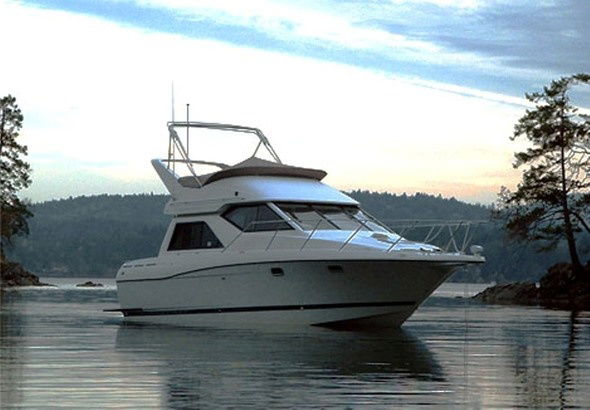
Images have been gathered from various sources and belong to their respective owners.
Review - Bayliner 3258

MarineBroker
09/18/2024, 8:04 AM
1995 Bayliner 3258: What Owners Need to Know About Common Issues, Smart Upgrades, and Reliable Maintenance
If you’re looking into a 1995 Bayliner 3258, chances are you already know it has a lot of appeal for cruisers who want a roomy cabin, practical layout, and a boat that can still deliver solid weekend comfort decades later. But like any older boat, the real question isn’t just whether it looks good on paper. It’s whether it can still be dependable, safe, and enjoyable without turning into a constant repair project.
That’s where many buyers and owners run into the same problem: older boats often hide maintenance needs that aren’t obvious during a quick walkthrough. Soft spots, aging wiring, tired engines, worn seals, and neglected systems can all add up fast. The good news is that most of these issues are manageable if you know what to look for and how to prioritize repairs.
In this article, we’ll break down the most common concerns with the 1995 Bayliner 3258, explain how to evaluate them, and walk through practical solutions that can help you get the most from the boat. Whether you’re shopping, restoring, or just maintaining one you already own, this guide will help you make smarter decisions.
- Why the 1995 Bayliner 3258 Still Gets Attention
The Bayliner 3258 remains interesting because it offers a lot of boat for the money. It’s a mid-size cruiser with enough cabin space for overnight trips, family use, and relaxed coastal cruising.
For many boaters, that combination is hard to beat. You get a layout that feels larger than some newer boats in the same class, plus a design that was built for practical use rather than flashy extras.
Still, age matters. A 1995 model is now well into “inspect everything carefully” territory. That doesn’t mean it should be avoided. It just means the smartest owners focus on condition, not just model name.
- The Main Problem: Age-Related Wear and Hidden Maintenance
The biggest challenge with a 1995 Bayliner 3258 is not the design itself. It’s the accumulated wear that comes with nearly 30 years of use.
Older cruisers often suffer from a few predictable issues:
- Water intrusion in decks, stringers, or transom areas
- Outdated or corroded electrical systems
- Engine and drivetrain wear
- Aging hoses, clamps, and seals
- Cosmetic neglect that can hide deeper problems
- Deferred maintenance from previous owners
This is why two boats of the same model can feel completely different. One may be a well-cared-for cruiser with years of life left. Another may look fine at first glance but need major work.
The practical solution is to inspect the boat as a system, not just as a hull and cabin. Think in terms of structure, propulsion, electrical, plumbing, and safety gear.
- What to Inspect First on a 1995 Bayliner 3258
If you’re evaluating a boat like this, start with the items most likely to create expensive surprises.
- Hull and Deck Condition
Look for cracks, stress marks, soft spots, and signs of water intrusion. Walk every accessible part of the deck and cabin sole.
Pay close attention to:
- Around hatches and windows
- Near cleats and hardware mounts
- Around the transom and swim platform
- Under carpets or flooring where moisture may be hidden
A soft deck often means water has entered the core material. That can be repairable, but it’s not something to ignore.
- Engines and Mechanical Systems
A 1995 Bayliner 3258 may have gasoline inboards or other configurations depending on how it was equipped and maintained. Either way, engine condition matters more than hours alone.
Check for:
- Easy starting
- Smooth idle
- Even oil pressure and temperature
- No excessive smoke
- Clean bilges without fuel or oil leaks
- Strong cooling-water flow
If the engines haven’t been serviced regularly, plan on replacing consumables right away. That includes belts, impellers, fluids, filters, and possibly hoses.
- Electrical System
Older boats often have electrical systems that were modified over time by different owners. That can lead to messy wiring, poor connections, and mystery failures.
Look for:
- Corrosion at terminals
- Overloaded panels
- Non-marine-grade wire
- Splices without proper protection
- Dead gauges or intermittent accessories
Electrical problems may seem minor at first, but they can become safety issues quickly. A methodical inspection is worth the effort.
- Plumbing and Freshwater Systems
Older plumbing can crack, leak, or clog. Check the freshwater pump, faucets, heads, holding tank, and all visible hoses.
Also inspect:
- Bilge pumps
- Shower sump systems
- Tank fittings
- Macerator or discharge components, where applicable
A bad hose or weak pump is usually an easy fix. The key is catching it before it causes water damage or odors.
- Common 1995 Bayliner 3258 Problems and How to Handle Them
Now let’s get into the issues most people are actually trying to solve.
- Water Intrusion
This is one of the most common concerns on older cruisers. Any boat that’s been around this long may have leaks from windows, hatches, rail mounts, or deck hardware.
Signs include:
- Musty smells
- Stained headliners
- Soft flooring
- Rust around fasteners
- Mold in hidden corners
Solution:
Trace leaks from the outside in. Rebed deck hardware, replace old sealant, and inspect drainage paths. If water has reached structural material, you may need localized repair rather than just cosmetic fixes.
- Aging Engines
Even a well-built engine can become unreliable if it hasn’t been maintained. On a boat this age, rubber parts and cooling components often need attention before major failures happen.
Common symptoms:
- Hard starting
- Overheating
- Rough idle
- Fuel smell
- Reduced top speed or sluggish acceleration
Solution:
Start with a full baseline service. Replace fluids, filters, impellers, belts, spark components, and any questionable hoses. If compression or oil analysis shows deeper wear, get a marine mechanic involved before investing further.
- Corroded Wiring
Electrical corrosion is a classic issue on older boats, especially in damp environments. It can cause everything from weak lights to complete system failures.
Solution:
Use a marine electrician or carefully inspect the system yourself if you’re experienced. Clean or replace corroded terminals, label circuits, and remove abandoned wiring from past upgrades. If the panel is in bad shape, a partial rewiring may be more efficient than chasing endless faults.
- Interior Wear and Moisture Damage
The cabin on a 1995 Bayliner 3258 may still be comfortable, but upholstery, wood trim, carpet, and headliners often show their age.
Common issues:
- Peeling vinyl
- Water stains
- Sagging headliners
- Worn cushions
- Odors from trapped moisture
Solution:
Treat interior damage as both a comfort and diagnostic issue. Cosmetic wear is normal, but moisture stains often point to leaks. Fix the source first, then refresh the interior so the problem doesn’t come back.
- Fuel System Concerns
Old fuel tanks, clogged filters, and degraded hoses can create performance problems and safety risks.
Solution:
Inspect the entire fuel path. Replace aging fuel lines with marine-rated hose, install fresh filters, and check tank condition if there are signs of contamination or corrosion. If the boat has been sitting, assume the fuel system needs attention before regular use.
- How to Decide Whether the Boat Is Worth It
A lot of buyers get stuck on a simple question: is this boat a bargain or a money pit?
The answer usually depends on three things:
- Maintenance history
- Structural condition
- Mechanical condition
A boat with older cosmetics but solid structure and decent engines can be a good candidate. A boat with hidden water damage, weak engines, and neglected systems can quickly become expensive.
A useful rule of thumb:
If the big-ticket systems are healthy, cosmetic repairs are manageable.
If the big-ticket systems are failing, the project can grow fast.
Before buying, ask for:
- Service records
- Engine compression results
- Recent haul-out or survey reports
- Photos of problem areas
- Details on upgrades and replacements
If the seller can’t provide much documentation, budget extra for inspection and repairs.
- Smart Upgrades That Make a Big Difference
If you already own a 1995 Bayliner 3258, the best approach is often to upgrade the systems that improve reliability first.
- Modern Battery and Charging Setup
Older boats often have weak charging systems or tired batteries. Upgrading to quality marine batteries, proper switches, and clean charging circuits can make everyday use much easier.
Benefits:
- More reliable starting
- Better accessory performance
- Less voltage drop
- Improved safety
- LED Lighting
Switching to LED lights is one of the simplest upgrades available. It reduces power draw and usually improves cabin visibility.
This is especially helpful on older boats where electrical capacity may already be limited.
- Updated Electronics
If the boat still has outdated navigation gear, replacing it with modern electronics can improve confidence on the water.
Consider:
- GPS chartplotter
- VHF radio
- Depth sounder
- AIS, if you cruise in busy waters
You don’t need to overdo it. A few practical upgrades go a long way.
- Fresh Safety Gear
Older boats sometimes carry expired or incomplete safety equipment. This is one area where cutting corners makes no sense.
Check for:
- Life jackets in good condition
- Fire extinguishers with valid dates
- Flares or signaling devices
- Working horns and navigation lights
- Carbon monoxide detectors
- Functional bilge pumps
Safety upgrades don’t just protect you. They also make the boat feel more trustworthy.
- Preventive Maintenance That Pays Off
The best way to keep an older cruiser enjoyable is to stay ahead of problems.
A simple maintenance routine should include:
- Regular engine oil and filter changes
- Cooling system inspections
- Fuel filter replacement
- Battery terminal cleaning
- Hose and clamp checks
- Bilge cleaning and pump testing
- Sealant inspection around deck fittings
- Bottom and running gear maintenance
If you use the boat seasonally, do a full spring commissioning and a careful winterization routine. Boats that sit unused often develop more problems than boats that are run regularly and maintained properly.
- When to Bring in a Surveyor or Mechanic
Some issues are easy to handle yourself. Others are worth paying a professional to diagnose.
Bring in a marine surveyor if you suspect:
- Structural damage
- Hidden water intrusion
- Major hull or deck issues
- Insurance or purchase concerns
Bring in a marine mechanic if you notice:
- Overheating
- Low compression
- Fuel delivery problems
- Electrical charging issues
- Persistent vibration or performance loss
A professional inspection can save you from expensive mistakes. On an older boat, that cost often pays for itself.
- Making the 1995 Bayliner 3258 a Better Boat Today
The 1995 Bayliner 3258 can still be a very usable cruiser if you approach it the right way. The goal is not to make it brand new. The goal is to make it dependable, comfortable, and safe enough to enjoy without constant stress.
That usually means focusing on the basics first:
- Fix leaks
- Stabilize the engines
- Clean up the electrical system
- Refresh safety gear
- Replace aging hoses and seals
- Keep up with routine maintenance
Once the essentials are handled, you can improve comfort and convenience with upgrades that fit your budget.
- Final Thoughts on Buying or Owning a 1995 Bayliner 3258
A 1995 Bayliner 3258 can still be a rewarding boat for the right owner, especially if you’re willing to look past age and focus on condition. The biggest risks usually come from hidden water damage, neglected systems, and deferred maintenance, not from the model itself.
The smartest solution is a careful inspection, a realistic repair budget, and a maintenance-first mindset. If the boat’s structure and major systems are sound, you may have a solid cruiser with plenty of life left. If you’re already an owner, staying ahead of small issues will make the boat more reliable and far more enjoyable.
If you’re researching one now, take your time, ask detailed questions, and inspect everything that matters. A little patience upfront can save a lot of money later.
Specifications
General
Boat Type: Power Boats
Class Type: Flybridge
Specifications
Length: 32.81
Beam: 10.5
Draft: 3.28
Hull Material: GRP
Build
First Built: 1995
Propulsion
Fuel Type: Gas
Engines: 1
Power: 0 HP
Brand: Unknown
Accomodation
PROS & CONS
What we appreciated
 Spacious cabin with comfortable sleeping arrangementsGood build quality for its eraLarge cockpit area suitable for entertainingReliable twin-engine setup providing decent powerWell-equipped with amenities for extended cruising
What we didn’t appreciate
 Older electronics and systems may need updatingFuel efficiency is moderate compared to modern boatsMaintenance can be costly due to ageLimited storage space compared to newer modelsOutdated styling and interior design
Upkeep Costs
Fuel: Approximately $3,000 - $5,000 per year depending on usage
Insurance: $800 - $1,500 per year
Maintenance and Repairs: $1,500 - $3,000 per year
Docking/Marina Fees: $1,200 - $3,600 per year
Winterization and Storage: $500 - $1,200 per year

Rating
5.6
User
Score
Score
Driveability
Technology
Interior
Design
Similar Boats


MarineBroker
Download now for an immersive boat experience like never before! ⛵✨ Your journey begins with a simple click. 🌊📲
#SetSailSmart #DownloadNow
#SetSailSmart #DownloadNow

Subscribe
Copyright 2017 - 2026, Marinebroker.net, All Rights Reserved