2010 Bayliner 255 Cruiser: What Buyers and Owners Should Know Before Buying or Upgrading
If you’re looking at the 2010 Bayliner 255 Cruiser, you’re probably trying to figure out the same thing a lot of boaters do: is this the rig...
Discover
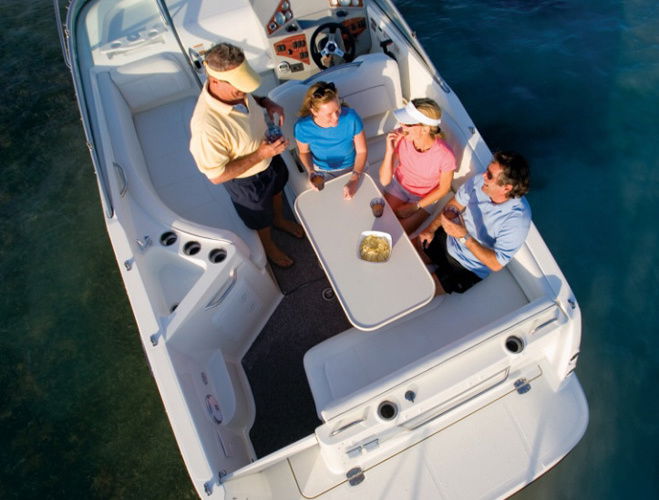

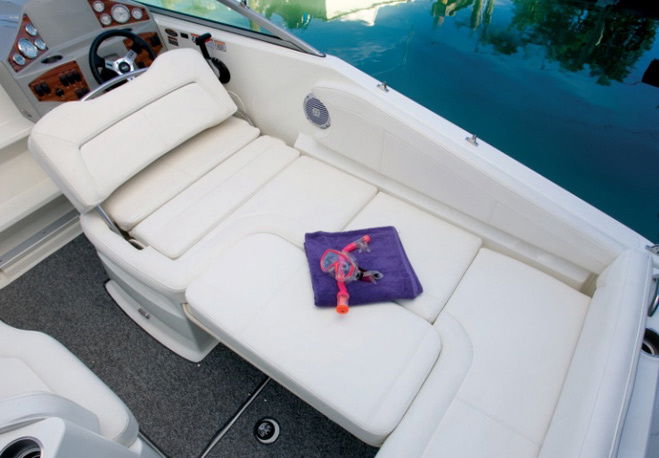
Images have been gathered from various sources and belong to their respective owners.
Latest Market Trends (Latest Available Year Model)
Price: $42,050
Review - Bayliner 255 Cruiser

MarineBroker
09/17/2024, 10:44 AM
2010 Bayliner 255 Cruiser: What Buyers and Owners Should Know Before Buying or Upgrading
If you’re looking at the 2010 Bayliner 255 Cruiser, you’re probably trying to figure out the same thing a lot of boaters do: is this the right cruiser for your kind of boating, and what should you watch out for before you commit? That’s a fair question. A 25-foot cruiser can look like the perfect balance of comfort, trailerability, and weekend fun, but the real experience depends on maintenance history, layout expectations, engine condition, and how you plan to use the boat.
The challenge with older cruisers isn’t usually the design itself. It’s knowing whether the boat has been cared for properly and whether it still fits your boating goals today. Some buyers want a family weekender, some want a first cabin cruiser, and others just want a reliable way to get out on the water without stepping into a much bigger boat. The good news is that with the right inspection points and a clear idea of what the 2010 Bayliner 255 Cruiser does well, you can avoid common mistakes and make a smarter decision. In this article, we’ll break down the practical things to know, the most common issues to check, and how to get the most out of this cruiser.
- What Makes the 2010 Bayliner 255 Cruiser Worth Considering
The 2010 Bayliner 255 Cruiser sits in a sweet spot for boaters who want a compact cabin cruiser without jumping into a much larger, more expensive vessel. At around 25 feet, it offers a manageable size for docking, trailering, and marina storage, while still giving you enough interior space for overnight stays and weekend cruising.
For many owners, that balance is the main appeal. You get a small galley, enclosed head, sleeping space, and a cockpit that can handle family outings or a few friends on board. It’s not a luxury yacht, and that’s part of the point. It’s designed to be approachable, practical, and versatile.
This makes it especially appealing to:
- First-time cruiser buyers
- Families looking for a weekend boat
- Boaters stepping up from bowriders or deck boats
- Owners who want usable cabin space without a huge operating cost
The real value of the 2010 Bayliner 255 Cruiser is that it gives you cruiser features in a package that’s still relatively easy to manage.
- The Main Problem Buyers Face With a Used 2010 Bayliner 255 Cruiser
When people shop for a used cruiser, the biggest issue is usually not the model itself. It’s uncertainty. A boat that looks clean on the surface can hide expensive problems underneath, especially if it has seen years of seasonal storage, sun exposure, or inconsistent maintenance.
With a boat like the 2010 Bayliner 255 Cruiser, common buyer concerns often include:
- Engine and drive condition
- Water intrusion around hatches, windows, or fittings
- Age-related wear in upholstery and canvas
- Electrical issues from corrosion or neglected batteries
- Trailer condition, if included
- General maintenance records
That uncertainty can make buyers hesitate. And honestly, it should. A used cruiser is a big purchase, and the wrong one can turn into a repair project fast.
The solution is not to avoid the boat altogether. It’s to know what to inspect, what matters most, and how to evaluate whether the boat has been cared for properly.
- 2010 Bayliner 255 Cruiser: What to Check Before You Buy
A smart inspection can save you thousands. If you’re serious about a 2010 Bayliner 255 Cruiser, focus on the systems that are most expensive or annoying to fix later.
- Hull and Deck Condition
Start with the basics. Look closely at the hull, deck, and transom for signs of stress, repairs, or soft spots.
Check for:
- Cracks around stress points
- Blisters or heavy oxidation
- Soft deck areas
- Loose cleats, rails, or hardware
- Signs of previous patch jobs
Pay extra attention to where hardware is mounted. If water has been getting into the core material, repairs can become time-consuming and costly.
- Engine and Drive System
The engine is where many used-boat deals succeed or fail. A clean cabin means very little if the powertrain has problems.
Ask for:
- Service records
- Oil change history
- Impeller replacement dates
- Bellows condition
- Cooling system maintenance
- Any winterization records
During a sea trial, watch for:
- Smooth starting
- Stable idle
- No unusual vibration
- Proper acceleration
- Normal operating temperature
- Clean shifting into gear
If it’s a sterndrive setup, inspect the drive carefully for corrosion, leaks, and worn components. Many buyers underestimate the cost of drive repairs until they’re already in too deep.
- Electrical System
Older cruisers often develop electrical gremlins over time. These may not seem dramatic at first, but they can become frustrating fast.
Test:
- Navigation lights
- Cabin lights
- Bilge pump
- Horn
- Gauges
- Shore power connection
- Battery switch and charging system
Corrosion at terminals is common, especially in boats that have sat unused. If the wiring looks messy or heavily patched, that’s a sign to dig deeper.
- Cabin and Interior
The cabin should feel dry, not musty. A little age is normal, but dampness is a warning sign.
Look for:
- Mold or mildew smells
- Water stains on the ceiling or cushions
- Soft flooring
- Warped cabinetry
- Loose trim
- Window seal leaks
The interior of the 2010 Bayliner 255 Cruiser is one of its biggest selling points, so if it feels worn out or wet, the boat’s comfort value drops quickly.
- Canvas and Enclosures
Canvas may not seem like a major issue, but it matters more than many buyers expect. Replacing a worn enclosure can be expensive, and bad canvas affects usability right away.
Check:
- Zippers
- Clear vinyl condition
- Snap alignment
- Stitching
- Frame fit
If the canvas is brittle or cloudy, plan for replacement costs in your budget.
- Why the 2010 Bayliner 255 Cruiser Appeals to Weekend Boaters
One reason this model remains popular is that it fits real-world boating habits. Not everyone wants a huge express cruiser or a boat that requires a crew. Many people just want a simple, comfortable way to spend a weekend on the water.
The 2010 Bayliner 255 Cruiser works well for:
- Day cruising
- Overnight trips
- Dockside entertaining
- Family outings
- Short coastal runs or lake cruising
Its size helps reduce some of the stress that comes with larger boats. Docking is easier. Fuel consumption is generally more manageable than on bigger cruisers. And maintenance, while still serious, is often less overwhelming than on a 30-plus-foot boat.
That makes it a practical option for boaters who want comfort without going overboard on complexity.
- Common Issues on a Used Bayliner Cruiser and How to Solve Them
Every used boat has wear points. The key is knowing which ones are normal and which ones deserve attention.
- Water Leaks
This is one of the most common problems in older cruisers. Leaks can come from hatches, windows, fittings, rails, or the windshield area.
Best fix:
- Re-bed hardware with marine sealant
- Replace worn gaskets
- Inspect and reseal windows as needed
- Check drainage routes to make sure water isn’t pooling
Even small leaks can lead to bigger issues if ignored, especially in the cabin and around the deck core.
- Upholstery Wear
Seats and cabin cushions often show age quickly, especially if the boat has been stored outside.
Best fix:
- Deep clean and condition vinyl
- Repair seams early
- Replace damaged foam or covers
- Use covers when the boat is not in use
If the structure is good, upholstery is usually a cosmetic problem rather than a deal-breaker.
- Corrosion
Saltwater use or poor storage can create corrosion on metal parts, terminals, and fittings.
Best fix:
- Clean and protect terminals
- Replace heavily corroded hardware
- Use anti-corrosion spray
- Rinse thoroughly after use if boating in saltwater
This is one of those maintenance habits that pays off fast.
- Mold and Mildew
Cabin boats are especially vulnerable if they’re not ventilated well.
Best fix:
- Dry the interior thoroughly
- Use moisture absorbers
- Improve airflow
- Clean affected surfaces with marine-safe products
- Store cushions in a dry space when possible
A dry cabin is a healthier cabin, and it also helps preserve resale value.
- How to Decide If the 2010 Bayliner 255 Cruiser Is the Right Fit
Not every cruiser fits every boater. Before buying, ask yourself how you’ll actually use the boat.
The 2010 Bayliner 255 Cruiser is likely a good fit if you:
- Want a compact cruiser with a real cabin
- Plan to boat on lakes, bays, or calm coastal waters
- Value ease of handling over maximum luxury
- Want overnight capability without a huge footprint
- Prefer a boat that can be managed by a small crew
It may not be the best fit if you:
- Need lots of offshore capability
- Want a very large galley or luxury finish
- Expect yacht-level storage and interior space
- Don’t want to deal with used-boat maintenance at all
Being honest about your boating style makes the decision much easier. A boat can be a great value and still be the wrong match if your expectations are off.
- Budgeting Beyond the Purchase Price
One of the biggest mistakes buyers make is focusing only on the asking price. With a used cruiser, the real cost includes maintenance, repairs, insurance, storage, and equipment upgrades.
Budget for:
- Engine servicing
- Bottom paint or detailing
- Safety gear replacement
- Battery replacement
- Canvas repairs
- Trailer maintenance, if applicable
- Winterization and spring commissioning
If you’re buying a 2010 Bayliner 255 Cruiser, it’s smart to reserve a maintenance fund right away. Even a well-kept boat usually needs a few updates after purchase.
A good rule of thumb is to assume some post-purchase work will be needed, even if the boat passes inspection. That way, you’re not surprised later.
- Practical Upgrades That Can Improve the Experience
If you already own a 2010 Bayliner 255 Cruiser, or you’re planning to buy one, a few upgrades can make a big difference in comfort and reliability.
Useful upgrades include:
- Modern chartplotter or fishfinder
- Battery monitor
- Fresh bilge pump
- LED cabin lighting
- New VHF radio
- Upgraded shore power components
- Better cockpit covers
- Marine stereo improvements
These aren’t flashy changes, but they make the boat easier and more enjoyable to use. In many cases, small upgrades improve the ownership experience more than major cosmetic work.
- Sea Trial Tips for the 2010 Bayliner 255 Cruiser
Never skip the sea trial. It tells you more than any listing photos ever will.
During the trial, pay attention to:
- How quickly the boat gets on plane
- Steering response
- Noise and vibration levels
- Engine temperature
- Shift quality
- Trim behavior
- Visibility from the helm
Bring a checklist and take notes. If possible, have a marine mechanic or experienced boater with you. A second set of eyes can catch things you’ll miss in the excitement.
Also, test the boat in the conditions you expect to use it in. A calm lake trial is helpful, but it won’t tell you how the boat behaves with chop, wind, or a full load of passengers.
- Maintenance Habits That Keep the Boat in Good Shape
Once you own a cruiser, consistency matters more than big repair jobs. A few simple habits can extend the life of the boat and reduce surprise expenses.
Good habits include:
- Flushing systems after use where applicable
- Checking fluids regularly
- Keeping batteries charged
- Inspecting seals and fittings each season
- Cleaning the interior after trips
- Storing the boat properly during the off-season
- Addressing small issues early
The 2010 Bayliner 255 Cruiser can stay a solid, enjoyable boat for years if it’s maintained with a steady routine. Most major problems start as small ones that were ignored.
- When the 2010 Bayliner 255 Cruiser Makes the Most Sense
This boat makes the most sense for someone who wants a practical cruiser that doesn’t require a huge leap in size or complexity. It’s especially appealing if you want a weekend-ready layout, manageable handling, and enough cabin space to make overnight trips realistic.
In other words, it’s a good solution for boaters who want:
- Comfort without excess
- A manageable footprint
- Cabin features that support real use
- A balanced mix of fun and practicality
If you inspect carefully and budget realistically, the 2010 Bayliner 255 Cruiser can be a smart entry into cruiser ownership.
- Conclusion
The 2010 Bayliner 255 Cruiser is a solid option for boaters who want a compact cruiser with usable cabin space, easy handling, and weekend-friendly comfort. The biggest challenge with any used boat is knowing what condition it’s really in, but that problem can be solved with a careful inspection, a thorough sea trial, and realistic budgeting for maintenance.
If you’re considering this model, focus on the engine, hull, electrical system, and signs of water intrusion before anything else. When those basics check out, you’re in a much better position to enjoy the boat instead of constantly fixing it. For buyers and owners alike, the key is simple: inspect smart, maintain consistently, and use the boat the way it was meant to be used. If you want to keep learning, explore more guides on used cruiser inspections and ownership tips before making your final decision.
Specifications
General
Boat Type: Power Boats
Class Type: Cruiser
Specifications
Length: 25.1
Beam: 8.5
Draft: 3.25
Hull Material: GRP
Build
First Built: 2010
Propulsion
Fuel Type: Gas
Engines: 1
Power: 260 HP
Brand: Mercruiser
Accomodation
Berths: 4
PROS & CONS
What we appreciated
 Spacious cabin with sleeping accommodations for 4-6 peopleAffordable price point compared to similar cruisersGood fuel efficiency for a boat of its sizeVersatile layout suitable for day cruising and overnight tripsReliable Mercruiser engine options providing decent performance
What we didn’t appreciate
 Limited headroom in the cabin for taller individualsBasic interior finishes compared to newer modelsSmaller cockpit space compared to larger cruisersOlder electronics and navigation equipment may need upgradingSome owners report issues with trim tabs and electrical components
Upkeep Costs
Fuel: $2,000 - $3,500 per year
Maintenance and Repairs: $1,000 - $2,000 per year
Insurance: $300 - $700 per year
Storage: $500 - $1,500 per year
Registration and Licensing: $50 - $150 per year

Rating
6.7
User
Score
Score
Driveability
Technology
Interior
Design
Similar Boats


MarineBroker
Download now for an immersive boat experience like never before! ⛵✨ Your journey begins with a simple click. 🌊📲
#SetSailSmart #DownloadNow
#SetSailSmart #DownloadNow

Subscribe
Copyright 2017 - 2026, Marinebroker.net, All Rights Reserved