2013 Bayliner 175 GT3: Common Problems, Smart Fixes, and How to Keep It Running Smoothly
If you’re looking into a 2013 Bayliner 175 GT3, chances are you’re trying to figure out one thing: is it a good boat for your needs, and wha...
Discover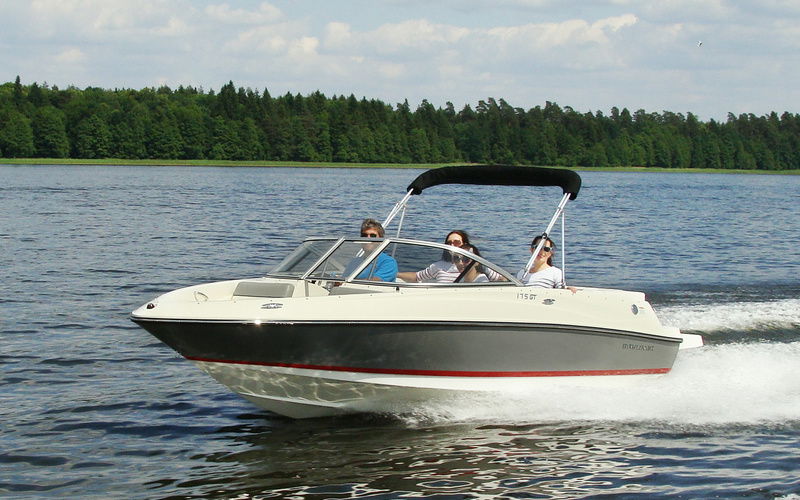

Images have been gathered from various sources and belong to their respective owners.
Review - Bayliner 175 GT3

MarineBroker
09/16/2024, 3:27 PM
2013 Bayliner 175 GT3: Common Problems, Smart Fixes, and How to Keep It Running Smoothly
If you’re looking into a 2013 Bayliner 175 GT3, chances are you’re trying to figure out one thing: is it a good boat for your needs, and what should you watch out for before buying or maintaining one? That’s a smart question. This model is popular because it’s compact, easy to trailer, and approachable for new boaters, but like any used boat, it comes with a few common issues that can catch people off guard.
The biggest challenge for many owners and buyers isn’t the boat’s size or layout—it’s knowing which problems are normal wear and tear, which ones are warning signs, and what can be fixed without turning the boat into a money pit. The good news is that most of the common concerns with a 2013 Bayliner 175 GT3 are manageable if you know what to inspect and how to stay ahead of maintenance. In this article, we’ll walk through the typical trouble spots, explain what they mean in real-world terms, and show you practical ways to keep the boat reliable, safe, and fun on the water.
- Why the 2013 Bayliner 175 GT3 Still Gets Attention
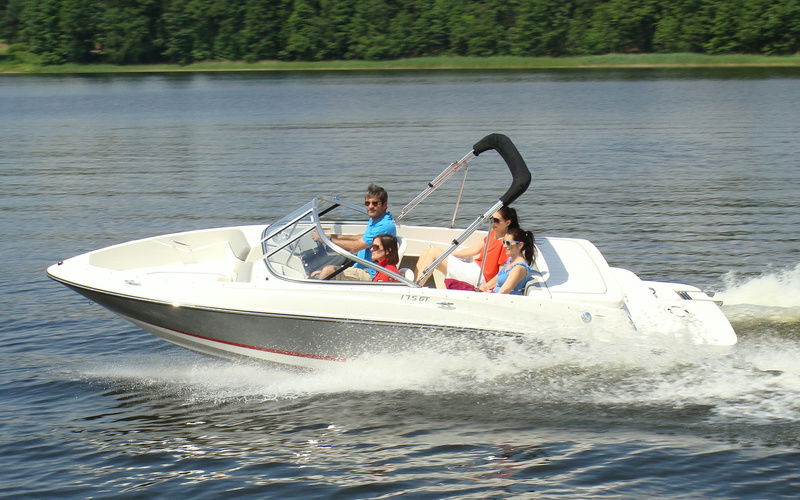
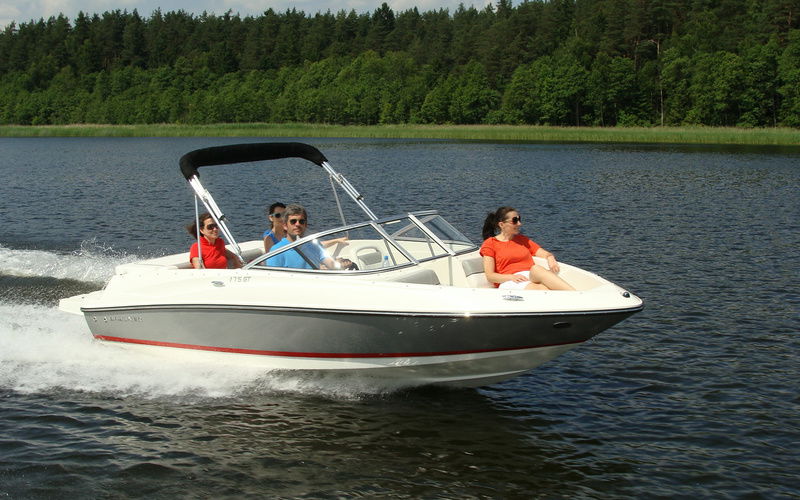
The 2013 Bayliner 175 GT3 sits in a sweet spot for many recreational boaters. It’s a 17-foot runabout that’s easy to tow, simple to launch, and friendly for families who want to cruise, tube, or spend a relaxed day on the lake.
What makes this boat appealing is its balance of affordability and usability. It’s not trying to be a luxury performance boat. Instead, it focuses on being practical, lightweight, and easy to handle.
That said, the same simplicity that makes it attractive also means buyers need to pay attention to condition. On a boat like this, maintenance history matters a lot. A well-kept 175 GT3 can be a great entry-level boat, while a neglected one can quickly become frustrating.
- The Main Problem Buyers and Owners Face
The most common issue around the 2013 Bayliner 175 GT3 is uncertainty.
People often wonder:
- Is this used boat mechanically sound?
- Are the engine and outdrive healthy?
- Has the boat been stored properly?
- Will small cosmetic issues turn into expensive repairs?
That uncertainty is understandable. Boats live in a harsh environment, and even a modest runabout can develop problems from moisture, corrosion, poor winterization, or skipped service.
For the 175 GT3 specifically, the main concerns usually fall into a few categories:
- Engine maintenance and starting issues
- Outdrive wear
- Upholstery and interior aging
- Hull or transom moisture concerns
- Trailer condition
- Electrical problems
The good news is that most of these can be identified early with a careful inspection and a little know-how.
- 2013 Bayliner 175 GT3: What to Inspect Before Buying
If you’re shopping for one, don’t rush the process. A boat that looks clean in photos may still have hidden issues.
Here’s what to check first.
- Engine and starting behavior
The 2013 Bayliner 175 GT3 was commonly paired with a MerCruiser sterndrive setup, and that means engine health is a top priority. You want smooth starting, stable idle, and no unusual noises.
Watch for:
- Hard starting
- Rough idle
- Excessive smoke
- Overheating
- Water in the engine oil
- Poor throttle response
A healthy engine should start fairly easily, especially when cold and properly maintained. If it struggles to crank or stalls at idle, ask for service records and a compression check.
- Outdrive condition
The outdrive is one of the most important parts of the boat. It transfers power from the engine to the water, and repairs can get expensive if it’s neglected.
Look for:
- Corrosion on the housing
- Leaking seals
- Damaged propeller blades
- Shifting problems
- Excessive vibration
If the boat has been stored in saltwater or even brackish water, inspect the lower unit carefully. Corrosion can hide under surface grime, so don’t rely on a quick visual look.
- Transom and hull
The transom supports the engine, so it needs to be solid. Soft spots, flexing, or visible cracking are red flags.
Check for:
- Cracks near the engine mount area
- Softness around the transom
- Stress cracks in the gelcoat
- Signs of impact damage
- Water intrusion around fittings
The hull should feel solid when tapped and should not show signs of major repair unless documented properly.
- Upholstery and interior wear
This is where many used boats show their age first. Seats, cushions, and vinyl can crack, fade, or mildew if the boat has been stored outdoors.
Look for:
- Cracked vinyl
- Torn seams
- Mold or mildew smell
- Waterlogged foam
- Loose seat bases
These problems may not stop the boat from running, but they do affect comfort and resale value.
- Trailer condition
A lot of buyers focus on the boat and forget the trailer. That’s a mistake.
Check:
- Tire age and sidewall cracking
- Bearing condition
- Brake function, if equipped
- Winch and straps
- Rust on the frame
- Lights and wiring
A bad trailer can make a good boat a headache to own. If the trailer has been sitting for years, assume it needs attention.
- Common 2013 Bayliner 175 GT3 Problems and What They Mean
Let’s break down the issues owners most often run into.
- Starting and idle issues
If the boat cranks but won’t start, or starts and dies at idle, the cause is often simple:
- Old fuel
- Dirty spark plugs
- Weak battery
- Clogged fuel filter
- Bad fuel pump
- Carburetor or injection-related problems, depending on setup
Old fuel is especially common in boats that sit for months. Unlike cars, boats often get parked seasonally, so stale fuel can become a major issue.
Practical solution:
- Replace old fuel if it smells sour or has been sitting too long
- Install fresh plugs and filters
- Test battery voltage under load
- Use fuel stabilizer before storage
- Corrosion and electrical gremlins
Electrical issues can be annoying because they often appear random. A light works one day and not the next. Gauges flicker. The bilge pump is inconsistent.
Common causes include:
- Corroded terminals
- Loose grounds
- Water intrusion
- Old wiring connections
- Weak battery or charging issues
On a compact boat like the 175 GT3, a few bad connections can cause a surprising number of problems.
Practical solution:
- Clean battery terminals
- Check all grounds
- Use marine-grade dielectric grease
- Inspect fuses and switch panels
- Replace brittle or green-corroded wiring
- Upholstery damage and mildew
This is probably the most visible issue on older Bayliners. It’s not always a dealbreaker, but it does tell you a lot about storage history.
If the seats are cracked or moldy, the boat may have spent too much time uncovered or in damp conditions.
Practical solution:
- Clean vinyl with marine-safe products
- Dry the interior thoroughly after each use
- Use seat covers or a mooring cover
- Store the boat in a dry, ventilated area
- Repair seams early before they split further
- Water intrusion and soft spots
Any sign of water intrusion deserves attention. Even small leaks can cause bigger structural problems over time.
Watch for:
- Wet carpet
- Musty smells
- Soft flooring
- Water pooling in storage compartments
- Rust around screws and hinges
The problem often starts with something small, like a failed seal around a fitting or windshield base.
Practical solution:
- Inspect seals and caulking regularly
- Reseal fittings as needed
- Keep the bilge clean and dry
- Fix leaks immediately instead of waiting
- How to Maintain a 2013 Bayliner 175 GT3 the Smart Way
If you already own one, the best way to avoid headaches is to stay consistent with maintenance. This boat doesn’t need anything exotic, but it does need routine care.
- Follow a seasonal checklist
Before launch season:
- Change engine oil and filter
- Inspect spark plugs
- Check battery condition
- Test bilge pump
- Inspect outdrive fluid
- Grease fittings
- Check propeller for damage
- Examine hoses and clamps
Before winter storage:
- Flush and winterize the engine
- Stabilize fuel
- Remove or fully charge batteries
- Drain water from systems
- Cover the boat properly
- Store the trailer on level ground
A little prep goes a long way. Most major boat problems start as small maintenance misses.
- Keep fuel fresh
Fuel issues are one of the easiest problems to prevent. If the boat sits for part of the year, treat the fuel system seriously.
Helpful habits:
- Use fresh gasoline
- Add stabilizer before storage
- Avoid leaving old fuel in the tank for long periods
- Run the engine long enough for treated fuel to circulate
If your area has ethanol-blended fuel, be extra careful. Ethanol can absorb moisture and create storage problems if the boat sits too long.
- Rinse and dry after use
Even if you use the boat on freshwater, rinsing matters. Dirt, sand, and moisture all shorten the life of hardware and upholstery.
After each trip:
- Rinse the hull and deck
- Wipe down seats
- Remove standing water
- Open storage compartments to dry
- Check for debris around the engine bay
This simple habit helps prevent mildew, corrosion, and staining.
- Protect the outdrive
The outdrive deserves regular attention because it’s exposed to water, impact, and corrosion.
Do this:
- Inspect the prop after every few outings
- Check for fishing line wrapped around the shaft
- Look for fluid leaks
- Grease moving parts as recommended
- Flush after use if applicable
If you hit something underwater, even lightly, inspect the prop and lower unit before using the boat again.
- Is the 2013 Bayliner 175 GT3 a Good Boat for the Right Owner?
For the right person, yes. The 2013 Bayliner 175 GT3 can be a practical, enjoyable boat if you want something manageable and easy to tow.
It tends to fit:
- First-time boat owners
- Families who want casual lake use
- Buyers looking for a simple runabout
- People who want lower operating costs than larger boats
It may not be the best choice for someone expecting high-end finishes, big water performance, or a luxury layout. But that’s not really the point of this boat.
The key is buying one in good condition and keeping up with maintenance. That matters more than the badge on the side.
- What a Good Used Example Should Offer
A solid used 2013 Bayliner 175 GT3 should generally have:
- A clean-running engine
- A responsive outdrive
- No major transom flex
- Dry storage areas
- Reasonable upholstery wear
- A trailer in safe condition
- Clear maintenance records
If the boat checks those boxes, it can be a dependable entry-level option.
If it doesn’t, be cautious. Repair costs can add up quickly, especially if engine work, transom repairs, or outdrive service are needed.
- Buying Tip: Don’t Judge Only by Appearance
A shiny boat is nice, but it doesn’t always mean a healthy one. Some of the most expensive problems are hidden beneath clean vinyl and fresh polish.
When evaluating a 2013 Bayliner 175 GT3, ask:
- Has it been stored indoors or outdoors?
- How often was the engine serviced?
- Has the outdrive been maintained?
- Was it used in freshwater or saltwater?
- Are there receipts for winterization and repairs?
If the seller can answer confidently and provide records, that’s a strong sign.
If the answers are vague, assume you’ll need to inspect more carefully or budget for repairs.
- Simple Ways to Extend the Life of the Boat
A little consistency can make a big difference.
Best habits include:
- Cover the boat when not in use
- Keep it dry
- Service the engine on schedule
- Inspect the trailer before towing
- Store it properly during the off-season
- Fix small issues before they grow
Boats like the 175 GT3 respond well to regular attention. You don’t need to overcomplicate it. Just stay ahead of the basics.
- When It’s Worth Getting a Professional Inspection
If you’re serious about buying one, a marine survey or mechanic inspection is worth considering, especially if:
- The boat has no service records
- It’s been sitting unused
- The seller is unsure about maintenance
- You notice engine or electrical issues
- There are signs of water damage
A professional can spot problems that are easy to miss, and that can save you from a costly mistake.
For a used boat, paying for an inspection is often cheaper than discovering a hidden issue after purchase.
- Conclusion
The 2013 Bayliner 175 GT3 can be a solid, practical boat for casual boating, but like any used vessel, it rewards buyers and owners who pay attention to the details. The most common issues usually involve the engine, outdrive, upholstery, electrical system, and trailer condition. Fortunately, most of these problems are manageable with routine inspections, proper storage, and consistent maintenance.
If you’re shopping for one, focus on condition more than appearance. If you already own one, staying ahead of small repairs will help keep it reliable and enjoyable for years. A little care goes a long way on a boat like this, and that’s what makes ownership much smoother. If you want to keep learning, it’s worth exploring seasonal maintenance checklists and pre-purchase inspection tips before your next outing or purchase.
Specifications
General
Boat Type: Power Boats
Class Type: Bowrider
Specifications
Length: 17.49
Beam: 6.92
Draft: 2.99
Hull Material: GRP
Build
First Built: 2013
Propulsion
Fuel Type: Gas
Engines: 1
Power: 135 HP
Brand: Mercruiser
Accomodation
PROS & CONS
What we appreciated
 Affordable price point for a bowriderCompact size makes it easy to trailer and storeGood fuel efficiency for its classVersatile design suitable for fishing and recreational boatingDecent seating capacity for up to 6 people
What we didn’t appreciate
 Limited horsepower options restrict high-speed performanceBasic features compared to newer modelsSmaller storage compartmentsRide can be less comfortable in choppy water due to hull designOlder model may require more maintenance and updates
Upkeep Costs
Fuel: Approximately $1,200 - $1,800 per year depending on usage
Maintenance and Repairs: Around $500 - $1,000 annually
Insurance: Typically $300 - $600 per year
Storage and Docking: $1,000 - $2,500 per year depending on location
Registration and Licensing: $50 - $150 per year

Rating
5.9
User
Score
Score
Driveability
Technology
Interior
Design
Similar Boats


MarineBroker
Download now for an immersive boat experience like never before! ⛵✨ Your journey begins with a simple click. 🌊📲
#SetSailSmart #DownloadNow
#SetSailSmart #DownloadNow

Subscribe
Copyright 2017 - 2026, Marinebroker.net, All Rights Reserved