2015 Bavaria E 40: What Buyers Need to Know About Comfort, Handling, and Real-World Ownership
If you’re looking at a 2015 Bavaria E 40, you’re probably already drawn to the idea of a modern cruising yacht that balances comfort, s...
Discover

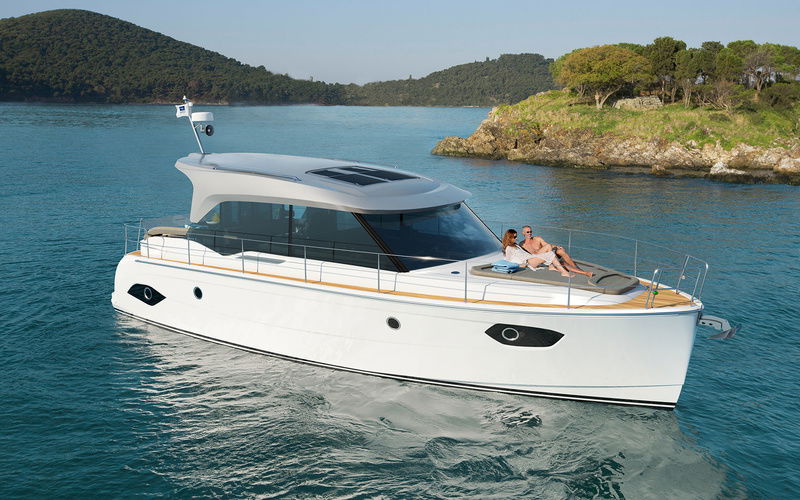
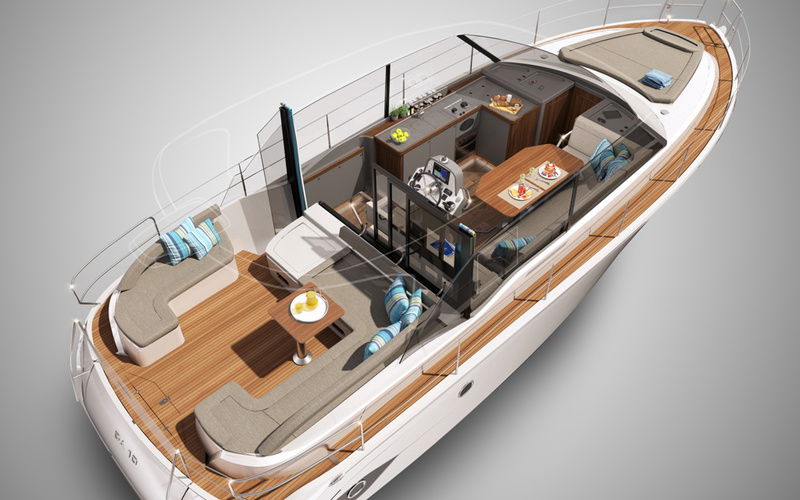
Images have been gathered from various sources and belong to their respective owners.
Review - Bavaria E 40

MarineBroker
09/10/2024, 11:00 AM
2015 Bavaria E 40: What Buyers Need to Know About Comfort, Handling, and Real-World Ownership
If you’re looking at a 2015 Bavaria E 40, you’re probably already drawn to the idea of a modern cruising yacht that balances comfort, style, and practical sailing performance. And honestly, that’s a fair instinct. The Bavaria E 40 sits in that sweet spot where a boat can feel spacious enough for longer weekends or extended cruising, yet still manageable for owners who don’t want every outing to feel like a full-scale operation.
But here’s the catch: choosing a boat like this isn’t just about liking the layout or the look. The real challenge is figuring out whether the 2015 Bavaria E 40 fits your actual boating lifestyle. Many buyers get stuck comparing specs and photos, only to realize later that the bigger questions matter more: How does she handle in tight marinas? Is the interior practical for family use? What should you inspect before buying? And how do you avoid costly surprises after the purchase?
In this article, we’ll break down the main strengths, common ownership concerns, and the smartest ways to evaluate a 2015 Bavaria E 40 so you can make a confident, well-informed decision.
- What Makes the 2015 Bavaria E 40 Stand Out
The Bavaria E 40 was designed with cruising comfort in mind, but it also tries to keep sailing behavior approachable. That combination makes it appealing to a wide range of owners, from experienced sailors looking to downsize a bit, to couples and families wanting a capable coastal cruiser.
One of the biggest selling points is the balance between interior volume and deck usability. Bavaria has long been known for making efficient use of space, and the E 40 is no exception. The cockpit is generally practical, the hull shape is built for stable cruising, and the overall layout aims to make life onboard easier rather than more complicated.
For many buyers, the attraction is simple:
- A roomy saloon and well-thought-out cabin layout
- Comfortable cruising performance
- A modern feel without going into ultra-high-maintenance territory
- A size that works for both short trips and longer stays aboard
That said, the boat’s appeal depends heavily on how it was maintained and how it’s been used. A well-cared-for example can be a very enjoyable cruiser. A neglected one can turn into a project fast.
- The Real Problem Buyers Face With a 2015 Bavaria E 40
The biggest issue for most people interested in a 2015 Bavaria E 40 is not whether the boat looks good. It’s whether they can tell the difference between a solid example and one that needs a lot of hidden work.
That’s the real problem with any used yacht, especially one around this age. The boat may appear clean and ready, but wear and tear can hide in places buyers don’t always check closely enough.
Common concerns include:
- Aging sails and standing rigging
- Engine service history gaps
- Moisture in deck fittings or around windows
- Wear in steering systems and winches
- Electrical upgrades or repairs done inconsistently
- Cosmetic improvements that mask deeper maintenance issues
This is why many buyers feel uncertain. They know the boat is attractive on paper, but they’re not always sure how to judge its true condition. The solution is to inspect the boat systematically and focus on the areas that matter most for safety, reliability, and long-term value.
- How to Evaluate a 2015 Bavaria E 40 Before You Buy
A smart purchase starts with a structured inspection. Instead of relying on first impressions, look at the boat like a cruising system: hull, rig, engine, electrical, interior, and maintenance records all need to make sense together.
Here’s a practical approach.
- Check the maintenance records first
Before you get lost in the layout or upholstery, ask for the paperwork.
Look for:
- Regular engine servicing
- Generator or inverter maintenance, if fitted
- Rigging replacement or inspection history
- Sail purchase dates
- Antifouling and haul-out records
- Service logs for pumps, batteries, and electronics
A boat with clear records is usually easier to trust than one with a vague story and no documentation. Even if the boat looks excellent, missing records should make you slow down and ask more questions.
- Inspect the hull and deck carefully
The Bavaria E 40 is a production cruiser, so the hull and deck should be checked for signs of stress, leaks, or poor repairs.
Pay attention to:
- Gelcoat cracks around high-load areas
- Soft spots on the deck
- Moisture around stanchions, cleats, and winches
- Window seals and hatches
- Keel area for signs of impact or repair
- Rudder movement and any play in the steering
Small cosmetic issues are normal on a 2015 boat. What matters is whether those issues point to deeper structural or water ingress problems.
- Review the engine and propulsion setup
On a cruising yacht, the engine is not a side note. It’s a major part of the boat’s safety and usability.
Check:
- Cold start behavior
- Smoke, vibration, or unusual noise
- Oil and coolant condition
- Belt and hose wear
- Shaft or saildrive condition
- Propeller condition
- Service intervals and parts replacement
A boat that has been used regularly and serviced properly often performs better than one that has sat unused for long periods. Engines like to be exercised, but they also need consistent maintenance.
- Test the electrical system
Modern cruising yachts often rely on a fairly complex electrical setup. On a boat like the 2015 Bavaria E 40, this can include batteries, charging systems, shore power, navigation equipment, and possibly additional comfort features.
You want to confirm:
- Batteries hold charge well
- Charging sources work correctly
- Shore power is safe and functional
- Navigation electronics are operational
- Cabin lighting and pumps work as expected
- Wiring looks neat, labeled, and professionally installed
Messy wiring is not always a deal-breaker, but it can be a sign that future troubleshooting will be annoying and expensive.
- Examine the sails and rigging
If the boat is meant to sail often, this part matters a lot.
Ask yourself:
- Are the sails still crisp enough for useful performance?
- Is there visible chafe?
- Are halyards and sheets in good shape?
- Has the standing rigging been inspected or replaced within a sensible timeframe?
- Do winches and clutches work smoothly?
Standing rigging is especially important because it affects both safety and confidence underway. If the rigging history is unclear, that should be treated seriously.
- Why the 2015 Bavaria E 40 Works Well for Cruising
One reason people keep looking at the 2015 Bavaria E 40 is that it’s built for practical cruising rather than pure racing. That makes it attractive to owners who want a boat that feels livable.
The layout and design philosophy usually support:
- Comfortable time aboard
- Easy movement around the cockpit
- Good storage for cruising gear
- A saloon that feels usable, not cramped
- Cabins that work for couples, guests, or family trips
For many owners, that’s the point. They want a boat that can do more than just look nice at the dock. They want a floating home base that makes weekends and holidays easier, not harder.
At the same time, buyers should be realistic. A cruising yacht of this size is a compromise between comfort, sail performance, and handling simplicity. It won’t feel like a small day sailor, and it won’t sail like a stripped-out performance cruiser. But for the right owner, that’s exactly the appeal.
- Common Ownership Challenges and How to Handle Them
Even a well-designed yacht comes with a few recurring ownership issues. The good news is that most of them are manageable if you know what to expect.
- Wear from marina life
Boats that spend a lot of time in marinas often show more wear than expected. Fenders, lines, dock contact, UV exposure, and humidity all add up.
To handle this:
- Inspect rubbing strakes and deck edge areas
- Check canvas, covers, and UV-exposed trim
- Replace tired lines before they fail
- Keep cleaning and protection routines consistent
- Electrical upgrades done over time
Many used boats have had equipment added gradually. That can lead to systems that work, but not always elegantly.
A practical solution is to:
- Label circuits clearly
- Simplify where possible
- Standardize battery care
- Keep spare fuses and critical parts onboard
- Have a marine electrician review questionable work
- Interior wear that hides bigger issues
Cabin cushions, wood trim, and flooring can make a boat seem more or less valuable than it really is. Don’t let fresh upholstery distract you from checking for leaks, odors, or soft areas.
Useful checks include:
- Smell for dampness or mildew
- Inspect bilges and lockers
- Look under cushions and around windows
- Check around plumbing fixtures for stains or corrosion
- Budgeting Smartly for a 2015 Bavaria E 40
One of the smartest things a buyer can do is budget beyond the purchase price. A boat that looks “affordable” can become expensive if it needs immediate upgrades.
A sensible budget should include:
- Survey and haul-out costs
- Immediate safety items
- Antifouling and hull maintenance
- Engine service
- Possible sail or rigging replacement
- Insurance and mooring fees
- A reserve for unexpected repairs
A useful rule of thumb: if the boat is near the top of your budget, you may not have enough left for the first year of ownership. That’s where many buyers get caught out.
Instead, try to leave room for:
1. Survey findings
2. Routine maintenance
3. Small upgrades
4. Unexpected repairs
That buffer gives you breathing space and makes ownership much more enjoyable.
- Who the 2015 Bavaria E 40 Is Best Suited For
This model tends to suit owners who want a comfortable cruiser with a manageable learning curve. It’s especially appealing if you value a practical interior and a boat that can handle family cruising or entertaining onboard.
It may be a good fit if you:
- Want a spacious cruising yacht without going too large
- Prefer comfort and usability over pure speed
- Plan to do coastal or regional cruising
- Appreciate a modern production yacht with sensible systems
- Want a boat that can be handled by a small crew
It may be less ideal if you’re looking for:
- High-performance sailing as a top priority
- A very simple, stripped-down setup
- Minimal maintenance responsibility
- A project-free boat regardless of condition
In other words, the boat can be a great match, but only if your expectations align with what it was built to do.
- Tips for Getting the Most Out of Ownership
Once you’ve chosen the right example, ownership becomes much easier when you stay ahead of maintenance.
A few habits go a long way:
- Keep a maintenance log
- Rinse and protect hardware regularly
- Inspect the rig before and after major trips
- Service the engine on schedule
- Monitor battery health
- Address leaks immediately
- Keep spare parts onboard for common failures
These small actions help preserve value and reduce stress. On cruising boats, prevention is almost always cheaper than repair.
It also helps to build a relationship with a trusted marine surveyor, mechanic, and sailmaker. When you know who to call, problems feel much less overwhelming.
- Final Thoughts on the 2015 Bavaria E 40
The 2015 Bavaria E 40 is appealing because it offers a practical mix of comfort, cruising ability, and modern design. For the right buyer, it can be a very enjoyable yacht that handles family trips, coastal cruising, and relaxed weekends on the water with ease.
The key is not to rush the buying process. Focus on maintenance records, structural condition, rigging, engine health, and electrical reliability. If those areas check out, you’re much more likely to end up with a boat that feels rewarding rather than demanding.
If you’re seriously considering one, take your time, inspect carefully, and compare several examples before deciding. A thoughtful approach now can save you a lot of money and frustration later—and help you find a 2015 Bavaria E 40 that’s genuinely ready for the kind of boating you want to do.
Specifications
General
Boat Type: Power Boats
Class Type: Flybridge
Specifications
Length: 39.99
Beam: 13.68
Draft: 3.84
Hull Material: GRP
Build
First Built: 2015
Propulsion
Fuel Type: Diesel
Engines: 1
Power: 110 HP
Brand: Volvo Penta
Accomodation
Berths: 6
Cabins: 3
Bathrooms: 2
PROS & CONS
What we appreciated
 Spacious and comfortable interior with modern designGood sailing performance for a cruising yachtWell-equipped with quality fittings and fixturesGenerous deck space for relaxation and socializingEfficient layout with multiple cabins for accommodation
What we didn’t appreciate
 Relatively heavy, which may affect speed in light windsEngine power may be underwhelming for some usersLimited storage space compared to larger yachtsHigher maintenance costs due to quality materialsSome users report the cockpit can get cramped with many people
Upkeep Costs
Fuel: Approximately $2,000 - $3,500 per year depending on usage
Maintenance and Repairs: Around $1,500 - $3,000 annually
Insurance: Typically $800 - $1,500 per year
Mooring/Storage Fees: $1,200 - $3,000 per year depending on location
Annual Registration and Taxes: $200 - $600
Rating
7.5
User
Score
Score
Driveability
Technology
Interior
Design
Similar Boats


MarineBroker
Download now for an immersive boat experience like never before! ⛵✨ Your journey begins with a simple click. 🌊📲
#SetSailSmart #DownloadNow
#SetSailSmart #DownloadNow

Subscribe
Copyright 2017 - 2026, Marinebroker.net, All Rights Reserved