2014 Azuree 40: What to Check Before Buying, Sailing, or Upgrading This Performance Cruiser
If you’re looking at a 2014 Azuree 40, you’re probably drawn to the same things most sailors are: a sleek hull, responsive handling, and ...
Discover
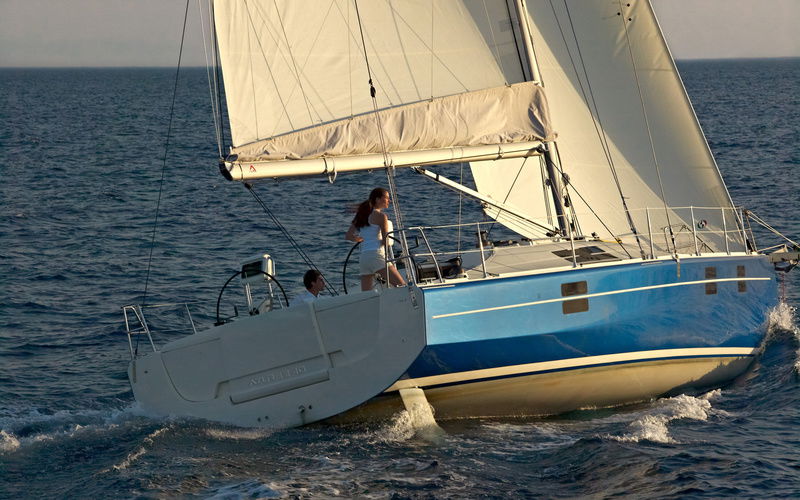
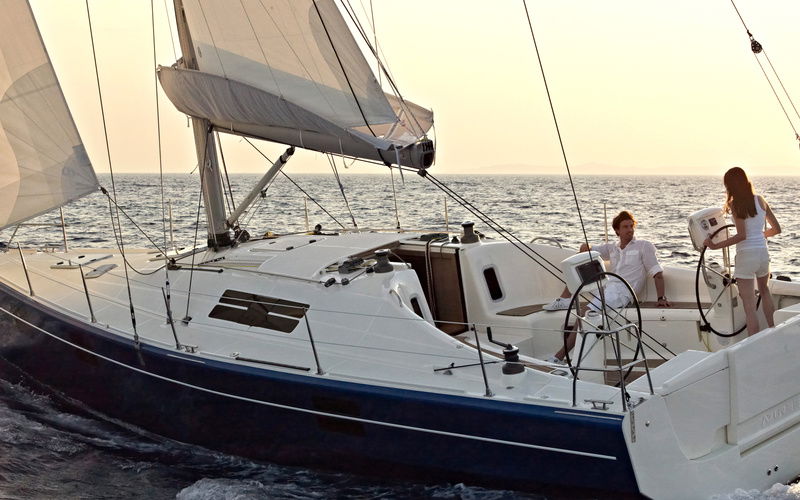

Images have been gathered from various sources and belong to their respective owners.
Review - Azuree 40

MarineBroker
08/10/2024, 8:24 AM
2014 Azuree 40: What to Check Before Buying, Sailing, or Upgrading This Performance Cruiser
If you’re looking at a 2014 Azuree 40, you’re probably drawn to the same things most sailors are: a sleek hull, responsive handling, and a boat that feels a little more exciting than your average cruiser. The Azuree 40 sits in that sweet spot where performance and comfort meet, which makes it appealing for weekend sailors, cruising couples, and anyone who wants a boat that can still put a smile on your face when the wind picks up.
But like any used sailboat, the real question isn’t just whether the boat looks good on paper. It’s whether the specific boat you’re considering has been maintained properly, set up correctly, and inspected with a sharp eye. That’s where many buyers run into trouble. Hidden wear, outdated gear, or poor sail trim setup can turn a promising boat into an expensive project.
The good news? Most of those issues are manageable if you know what to look for. In this article, we’ll walk through the most important things to check on a 2014 Azuree 40, the common pain points owners face, and the practical steps that help you enjoy the boat without nasty surprises.
- Why the 2014 Azuree 40 stands out
The Azuree 40 was built for sailors who want a modern cruiser with real sailing ability. It’s not just about cabin space or a pretty deck layout. The boat’s appeal comes from its balance: light enough to perform well, stable enough to cruise comfortably, and versatile enough for different styles of sailing.
For many buyers, the 2014 model is attractive because it already has enough years behind it to be more affordable than a newer boat, while still feeling modern in design. That said, age brings questions. How has the rig been maintained? Are the sails still efficient? Has the keel, rudder, or deck hardware seen hard use?
The problem most people face when evaluating a used performance cruiser like this is separating normal wear from warning signs. A boat can look clean on deck and still hide issues below the waterline or inside the systems. The best approach is to inspect the boat as a whole, not just its cosmetics.
- The main problem buyers run into with a 2014 Azuree 40
The biggest challenge with a used 2014 Azuree 40 is not usually one dramatic defect. It’s the accumulation of smaller issues that affect performance, safety, and ownership cost.
Common examples include:
- tired sails that reduce performance
- standing rigging nearing replacement age
- worn deck fittings or leaks around hardware
- aging batteries, pumps, or electronics
- cosmetic wear that hints at harder use than advertised
- poor maintenance records, which make future repairs harder to predict
A lot of buyers focus on the boat’s layout and sailing reputation, but the real ownership experience depends on condition and upkeep. A well-cared-for Azuree 40 can be a fantastic boat. A neglected one can quickly become a money pit.
The solution is to inspect methodically and prioritize the systems that matter most: hull, rig, sails, steering, engine, and onboard systems. If you do that, you can usually tell whether the boat is a solid value or a project in disguise.
- What to inspect first on a 2014 Azuree 40
When evaluating any used sailboat, start with the big-ticket items. These are the areas that can cost the most if they need attention.
- Hull and deck
Look closely for signs of impact damage, stress cracks, repairs, or soft spots. Walk the deck and listen for hollow or spongy areas, especially around high-load points like winches, stanchions, and chainplates.
Check for:
- cracks around fittings
- water intrusion around deck hardware
- signs of blistering or osmosis below the waterline
- uneven antifouling that may hide repairs
- keel joint condition and any rust weeping if applicable
If the boat has been kept in saltwater, corrosion and hidden moisture deserve extra attention. Even a well-built boat can develop issues if hardware bedding has failed over time.
- Rigging and mast
The rig is one of the most important systems on a performance cruiser. Standing rigging has a lifespan, and even if it looks fine, age alone can be a reason to replace it.
Inspect:
- wire or rod condition
- swage terminals or mechanical fittings
- mast step area
- spreaders and attachment points
- turnbuckles and chainplates
- signs of corrosion or cracking
If you don’t know when the standing rigging was last replaced, assume it may be due. That doesn’t mean the boat is a bad buy, but it should absolutely factor into your budget.
- Sails and sail controls
A boat like the Azuree 40 depends on efficient sail shape. Old sails may still “work,” but they can make the boat feel sluggish and harder to trim.
Check:
- mainsail shape and UV damage
- genoa or jib cloth condition
- stitching, battens, and luff tape
- reefing system operation
- traveler, sheets, and halyards
- furling gear condition
If the sails are tired, you may still enjoy the boat, but you’ll need to budget for replacements sooner rather than later. For many owners, that upgrade makes a bigger difference than almost anything else.
- How to judge sailing performance realistically
The 2014 Azuree 40 is often appealing because of its performance-oriented feel. But it’s important to separate design potential from real-world condition.
A boat’s performance depends on more than hull shape. It also depends on:
- sail inventory
- bottom cleanliness
- prop drag
- rig tune
- weight distribution
- steering alignment
A poorly tuned boat can feel heavy, slow, or unresponsive. A well-prepared one can feel lively and balanced.
If you’re sea trialing the boat, pay attention to how it behaves in different conditions:
- Does it tack cleanly?
- Does the helm feel balanced?
- Is there excessive weather helm?
- Does the boat accelerate well after tacks?
- Are there vibrations or unusual noises under power?
These clues tell you a lot about overall condition. A good sea trial is one of the best ways to confirm whether the boat matches its reputation.
- Engine and mechanical systems: don’t skip the basics
On a sailboat, the engine often gets less attention than the rig, but it’s still critical. A reliable auxiliary engine makes docking, maneuvering, and motoring in light air much easier.
Check:
- service history
- oil and coolant condition
- belts, hoses, and mounts
- exhaust system
- fuel lines and filters
- charging performance
- starting reliability
- cooling water flow
Also inspect the shaft, propeller, and cutless bearing if applicable. A worn drive train can create vibration and reduce efficiency.
Mechanical issues are often easier to fix than structural ones, but they can still add up. If the engine has irregular service records, plan for a baseline maintenance session even if it seems to run fine.
- Electrical and electronics: where older boats often show their age
Many used boats feel dated not because of the hull or rig, but because of the electrical system. Even if the wiring works, it may not be organized in a way that supports easy troubleshooting.
Look for:
- clean wiring runs
- labeled circuits
- corrosion at terminals
- battery age and capacity
- charger and inverter condition
- nav electronics functionality
- cabin lighting and switch panels
- bilge pump operation
A boat with a messy electrical system can be frustrating to own. The practical solution is to identify what works, what’s outdated, and what should be upgraded over time.
If the electronics are older, that’s not automatically a dealbreaker. But if you sail offshore, cruise often, or rely on the boat heavily, modern navigation and monitoring tools can be worth the investment.
- Interior condition and livability
One reason people like the Azuree 40 is that it offers a practical cruising layout without feeling bloated. Still, interior condition matters more than furniture style.
Check for:
- moisture around hatches and ports
- soft spots in sole panels
- odor from hidden leaks
- upholstery wear
- galley equipment function
- toilet and plumbing condition
- tankage and hose age
- ventilation quality
A dry, well-ventilated interior usually signals better maintenance overall. Water intrusion inside a sailboat is rarely just a cosmetic issue. It often points to deck leaks, failed seals, or neglected maintenance.
If you’re considering living aboard or extended cruising, storage, ventilation, and access to systems become even more important.
- Common ownership issues and how to handle them
Every used sailboat develops a few predictable problems over time. The key is knowing which ones are normal and which ones need action.
- Aging rigging
If the boat’s rigging is original or close to it, replacement should be on the table. This is especially true if the boat has seen serious sailing miles or lives in a harsh marine environment.
Practical fix:
Budget for a full rig inspection and replacement plan if needed. It’s one of the smartest investments you can make for safety and peace of mind.
- Worn sails
Even good sails lose shape. That affects pointing ability, speed, and balance.
Practical fix:
If the sails are tired but the boat is otherwise solid, use that as a negotiation point. You may not need to replace everything at once, but you should plan for it.
- Leaks and moisture
Leaks around hatches, stanchions, and deck fittings are common on older boats.
Practical fix:
Re-bed hardware properly and inspect hidden areas for damage. Don’t just seal over the outside and hope for the best.
- Outdated electronics
Older instruments may still function but lack reliability or integration.
Practical fix:
Upgrade in stages. Start with the systems that matter most for your sailing style, such as depth, wind, and chartplotting.
- Neglected maintenance
This is often the biggest issue of all. A boat that has been ignored tends to show problems in multiple systems at once.
Practical fix:
Create a maintenance checklist and tackle the boat in order of priority: safety, propulsion, rig, sails, then comfort upgrades.
- How to evaluate whether a 2014 Azuree 40 is a good buy
A good used boat purchase is less about finding perfection and more about understanding value. The right 2014 Azuree 40 may have a few issues, but they should be manageable and clearly reflected in the asking price.
Here’s a simple way to think about it:
- Strong buy: well-documented maintenance, clean rigging, decent sails, dry interior, and no structural concerns
- Fair buy: some cosmetic wear or outdated systems, but nothing major
- Caution zone: unknown rigging age, moisture issues, poor records, or signs of neglect
- Walk away: structural concerns, major water intrusion, or a long list of overdue critical repairs
A surveyor can help you sort through this, but you should still go into the process with your own checklist. The more informed you are, the better your negotiation position will be.
- Smart upgrades that improve the boat’s value and feel
If you end up buying the boat, you don’t need to overhaul everything at once. Focus on upgrades that improve safety, handling, and comfort first.
Good first upgrades include:
- fresh standing or running rigging if needed
- new sails or at least a serviceable sail inventory
- updated batteries and charging system
- reliable bilge pumps
- modern chartplotter or navigation tools
- deck hardware re-bedding where needed
- bottom prep and prop maintenance
- improved ventilation or interior lighting
These changes can make the boat feel dramatically better without changing its character. On a performance cruiser, small improvements often have a big impact.
- Sea trial tips for the 2014 Azuree 40
A proper sea trial should tell you more than a dockside inspection ever can. Try to test the boat in a range of conditions if possible.
During the trial, pay attention to:
1. Engine start-up and idle smoothness
2. Steering response under power
3. Acceleration and balance under sail
4. Reefing and sail handling ease
5. Noise, vibration, and rattles
6. Leak points during rain or spray, if visible
7. Crew movement and cockpit ergonomics
If the boat feels easy to handle and responsive, that’s a good sign. If it feels sluggish, noisy, or awkward, there may be setup issues or hidden maintenance needs.
- Why maintenance records matter so much
One of the simplest ways to reduce risk is to buy a boat with good records. Logs, invoices, and service notes tell you how the boat has been treated.
Look for documentation of:
- rigging replacement
- engine service
- sail repairs
- hull or keel work
- electrical upgrades
- insurance surveys
- winterization or layup routines
A boat with clear records is easier to trust. Even if it needs work, you’ll have a better sense of what’s been done and what still needs attention.
- Final thoughts for buyers and owners
The 2014 Azuree 40 can be a very rewarding boat if you approach it with a practical mindset. Its appeal lies in the balance between performance and cruising comfort, but like any used sailboat, condition matters more than the brochure.
The smartest path is simple: inspect the major systems, verify maintenance history, and budget for the normal wear items that come with age. If the hull, rig, sails, and systems are in good shape, you’re looking at a boat that can deliver a lot of enjoyment without constant headaches.
If you’re still comparing options, take your time, ask detailed questions, and don’t be afraid to walk away from a boat that feels uncertain. The right one is worth waiting for.
Specifications
General
Boat Type: Sail Boats
Class Type: Cruiser
Specifications
Length: 39.34
Beam: 13.85
Draft: 8.53
Hull Material: GRP
Build
First Built: 2014
Propulsion
Fuel Type: Diesel
Engines: 1
Power: 0 HP
Brand: Unknown
Accomodation
Berths: 6
Cabins: 3
PROS & CONS
What we appreciated
 Spacious and modern interior design with high-quality materialsGood sailing performance with balanced handlingWell-equipped with up-to-date navigation and safety equipmentComfortable cockpit layout suitable for both cruising and entertainingSolid build quality with attention to detail typical of Azuree yachts
What we didn’t appreciate
 Older model, may require updates or maintenance on some systemsLimited availability of parts specific to Azuree brandEngine options might be less fuel-efficient compared to newer modelsInterior layout may feel compact for larger groupsResale value can be lower compared to more widely recognized brands
Upkeep Costs
Fuel: Approximately $3,000 - $6,000 per year depending on usage
Maintenance and Repairs: Around $5,000 - $10,000 annually
Insurance: Typically $1,500 - $3,000 per year
Docking and Storage: $2,000 - $5,000 per year depending on location
Registration and Taxes: $200 - $1,000 per year depending on region
Rating
7.6
User
Score
Score
Driveability
Technology
Interior
Design
Similar Boats


MarineBroker
Download now for an immersive boat experience like never before! ⛵✨ Your journey begins with a simple click. 🌊📲
#SetSailSmart #DownloadNow
#SetSailSmart #DownloadNow

Subscribe
Copyright 2017 - 2026, Marinebroker.net, All Rights Reserved