Boat Type: Power Boats
Boat Class: Flybridge
Length: 52.76 ft
Berths: 6
Cabins: 4
Bathrooms: 3
Max Persons: 12
2017 Azimut 50: What Owners Should Know Before Buying, Maintaining, or Upgrading
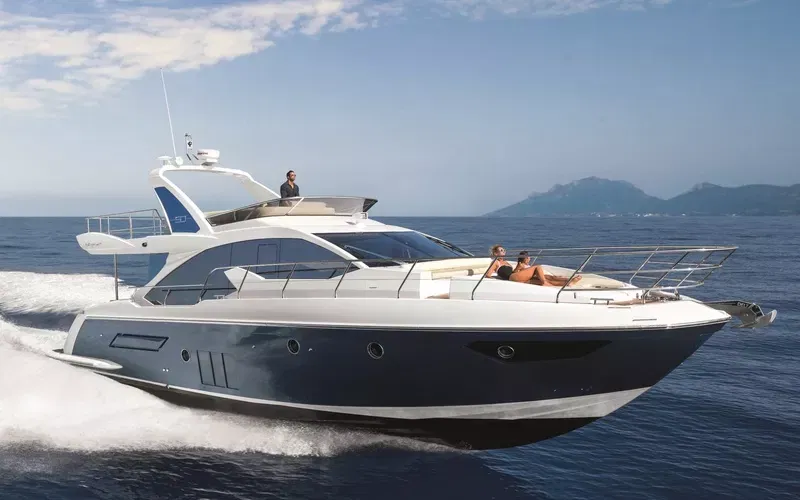
The 2017 Azimut 50 is the kind of yacht that turns heads for all the right reasons: sleek Italian styling, a smart layout, and the kind of onboard c...
Discover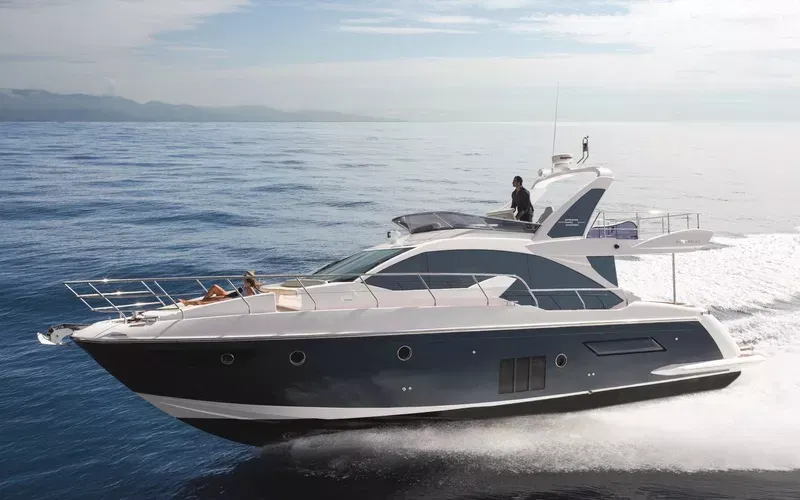


Images have been gathered from various sources and belong to their respective owners.
Latest Market Trends (Latest Available Year Model)
Price: $1,499,000
Review - Azimut 50

MarineBroker
07/02/2024, 4:22 AM
2017 Azimut 50: What Owners Should Know Before Buying, Maintaining, or Upgrading
The 2017 Azimut 50 is the kind of yacht that turns heads for all the right reasons: sleek Italian styling, a smart layout, and the kind of onboard comfort that makes weekend cruising feel like a real escape. If you’re looking into this model, chances are you’re trying to figure out one very practical thing: how do you make sure it’s the right boat for your lifestyle without getting surprised later by maintenance issues, hidden costs, or features that don’t quite match your plans?
That’s a fair question. A yacht like the 2017 Azimut 50 can be a great fit for owners who want a balance of performance, luxury, and manageable size. But like any used yacht, the real value depends on knowing what to look for, what to inspect, and how to keep it running well after purchase. The good news is that most common concerns can be handled with a thoughtful approach. Whether you’re comparing listings, planning a survey, or already own one and want to keep it in top shape, understanding the boat’s strengths and weak points will help you make a smarter decision and enjoy the boat more once you’re on the water.
- Why the 2017 Azimut 50 Still Gets Attention
The 2017 Azimut 50 remains popular because it sits in a sweet spot for many buyers. It offers the style and finish people expect from Azimut, but it’s still small enough to be practical for private ownership and coastal cruising.
For many boaters, that balance is the real appeal. You get enough space for entertaining, overnight trips, and family use without stepping into the much higher operating costs of a larger yacht.
A few reasons this model continues to draw interest:
- Strong visual design with a modern profile
- Comfortable salon and cabin layout for its size
- Good mix of performance and handling
- Suitable for day cruising or longer weekends
- Recognized brand with broad market appeal
If you’re researching the 2017 Azimut 50, you’re probably not just looking for specs. You’re looking for confidence that the boat can fit your needs without becoming a maintenance headache.
- The Real Problem Buyers Face With a 2017 Azimut 50
The biggest challenge isn’t usually whether the 2017 Azimut 50 looks good on paper. It’s whether the boat has been properly maintained and whether the layout, systems, and operating costs match the buyer’s expectations.
That’s where many people get caught. A used yacht can appear well-kept in photos but still have issues hiding below the surface.
Common concerns include:
- Deferred maintenance on engines or generator
- Wear in upholstery, electronics, or soft goods
- Moisture intrusion around windows, hatches, or deck fittings
- Outdated navigation or entertainment systems
- Misunderstanding of fuel, dockage, and service costs
In other words, the problem is rarely the model itself. It’s the condition, upkeep, and ownership reality behind the specific boat you’re considering.
- What Makes the 2017 Azimut 50 a Smart Fit for the Right Owner
The 2017 Azimut 50 is often a smart choice for someone who wants a luxury cruising experience without going too large. The boat is typically easier to handle than bigger motoryachts, especially for owners who plan to run it with a captain only occasionally or with a small crew.
It also tends to work well for:
- Couples who want comfortable weekend cruising
- Families needing a practical yacht with guest space
- Owners moving up from smaller express cruisers
- Boaters who value design and onboard comfort
- Buyers who want a recognizable brand in the pre-owned market
The key is matching the boat to your actual use case. If you mostly plan short trips, entertaining at anchor, and occasional overnight stays, this size and style can make a lot of sense.
- 2017 Azimut 50: Features That Matter Most in Daily Use
When people shop for a yacht, they often focus on headline features. But the details that matter most are the ones you’ll use every time you leave the dock.
On a boat like the 2017 Azimut 50, pay attention to:
- Salon visibility and natural light
- Galley placement and storage
- Cabin privacy and berth comfort
- Flybridge or helm ergonomics
- Ease of movement between social areas
- Access to service points and machinery spaces
These may sound like small things, but they affect how enjoyable the boat feels day to day.
For example, a beautiful salon won’t matter much if storage is awkward or the galley is hard to work in. Likewise, a stylish helm is nice, but if visibility and controls aren’t intuitive, the boat becomes less pleasant to run.
- The Inspection Checklist Buyers Should Not Skip
If you’re seriously considering a 2017 Azimut 50, a professional marine survey is essential. But even before that, you can narrow down the risk by knowing what to inspect.
Here’s a practical checklist:
- Engine hours and service history
- Generator hours and load performance
- Evidence of regular oil, belt, and filter changes
- Condition of batteries and charging systems
- Signs of water intrusion in cabins and lockers
- Window seals, hatch seals, and deck hardware bedding
- Thruster performance and steering response
- Electronics function and software updates
- Air conditioning and plumbing operation
- Hull condition, bottom paint, and anode wear
A clean cosmetic presentation is not enough. Ask for records, not just reassurances.
If the seller can’t provide maintenance logs, invoices, or recent service details, that’s a red flag worth taking seriously.
- Common Ownership Issues and How to Handle Them
Any used yacht can develop issues over time, and the 2017 Azimut 50 is no exception. The goal isn’t to expect perfection. It’s to know what problems are common and how to manage them before they become expensive.
Some of the more typical concerns include:
- Aging electronics: Screens, chartplotters, and integrated systems may feel dated or need updates.
- Upholstery wear: Sun exposure and humidity can age exterior seating faster than expected.
- Seal and gasket issues: Window and hatch seals can deteriorate, leading to leaks or condensation.
- Mechanical maintenance gaps: If service was delayed, engines and auxiliary systems may need catch-up work.
- Cosmetic fatigue: Gelcoat, teak, and trim may need refresh work even when the boat is structurally sound.
The solution is simple in concept but important in practice: inspect thoroughly, budget realistically, and plan for a maintenance reserve.
A good rule of thumb for used yacht ownership is to set aside money for annual upkeep and unexpected repairs. That way, you’re not forced to delay important work when something needs attention.
- How to Evaluate Whether the Layout Fits Your Lifestyle
The 2017 Azimut 50 can look ideal in a listing, but layout is personal. What works for one owner may feel awkward for another.
Ask yourself:
- Will you mostly cruise with two people or a full group?
- Do you need multiple guest cabins?
- Is outdoor entertaining more important than interior lounging?
- Will you cook onboard often?
- Do you want easy access from helm to deck areas?
If you entertain frequently, prioritize open social flow and seating. If you plan longer trips, cabin arrangement and storage become more important.
A yacht feels much better when the layout supports your actual habits instead of just looking impressive in photos.
- Buying Used: How to Avoid Paying for Someone Else’s Neglect
One of the biggest risks with any pre-owned yacht is inheriting poor maintenance. That’s especially true for luxury brands, where repairs and parts can be more expensive than buyers expect.
To protect yourself:
- Review the full service history
- Hire an independent surveyor
- Request engine diagnostics when possible
- Test all onboard systems during the inspection
- Confirm recent upgrades and replacements
- Compare the asking price to similar boats in similar condition
If a boat is priced unusually low, there is usually a reason. Sometimes it’s a motivated seller. Other times it means the next owner is about to take on a long list of deferred work.
That doesn’t automatically make the boat a bad buy. It just means the price should reflect the real condition, not the brochure version.
- Maintenance Tips to Keep a 2017 Azimut 50 Running Well
Once you own the boat, consistent upkeep is what protects your investment and keeps the experience enjoyable. Luxury yachts tend to reward owners who stay proactive.
A smart maintenance routine includes:
- Regular engine and generator servicing
- Checking coolant, oil, and fluid levels often
- Inspecting seals, hoses, and clamps
- Cleaning and protecting exterior surfaces
- Running systems periodically even in off-season
- Keeping electronics software and charts updated
- Monitoring batteries and shore power connections
It also helps to build a seasonal checklist.
For example:
1. Pre-season: inspect all systems, test safety gear, service engines.
2. During the season: clean regularly, log hours, watch for leaks or unusual noises.
3. Off-season: winterize properly, protect fabrics, and store the boat according to local conditions.
This kind of routine reduces surprises and helps preserve resale value.
- Performance and Handling: What to Expect on the Water
A lot of buyers want to know whether the 2017 Azimut 50 feels manageable. In general, that’s one of the reasons this size is appealing.
The boat is typically large enough to feel stable and comfortable underway, but not so large that it becomes intimidating for experienced recreational owners. Handling will depend on engine package, load, sea conditions, and captain experience, of course.
What matters most is how the yacht behaves in real use:
- Does it plane smoothly?
- Is visibility good from the helm?
- Are docking aids responsive?
- Does it feel secure in chop?
- Is noise and vibration acceptable at cruising speed?
If possible, sea trial the exact boat you’re considering. That’s the best way to judge whether it matches your expectations.
- How the 2017 Azimut 50 Compares in the Pre-Owned Market
In the pre-owned yacht market, reputation matters. Azimut generally carries strong recognition, which can help with buyer interest later on. But resale value still depends heavily on condition, maintenance, and presentation.
A well-kept 2017 Azimut 50 with updated electronics, clean records, and good cosmetic condition will usually stand out more than a neglected example with lower hours but poor upkeep.
When comparing boats, look beyond the asking price and consider:
- Service history
- Equipment upgrades
- Cosmetic condition
- Engine and generator hours
- Local market demand
- Survey findings
Sometimes the best value is not the cheapest boat. It’s the one that needs the least correction before you can enjoy it confidently.
- Practical Solutions for Buyers and Owners
If you’re still deciding whether the 2017 Azimut 50 is right for you, the best solution is to approach it like a project, not a fantasy purchase.
Here’s the practical path:
- Define your cruising style and guest needs
- Shortlist boats with complete records
- Get a professional survey and engine inspection
- Sea trial before committing
- Budget for immediate and annual maintenance
- Prioritize function over cosmetic polish
If you already own one, focus on prevention. Small, regular care is far cheaper than major repair work after a problem grows.
A thoughtful ownership plan might include:
- Scheduled mechanical service
- Annual detailing and protective treatment
- Electronics updates as needed
- Interior climate and moisture management
- Recordkeeping for every repair and service event
That approach keeps the boat reliable and helps protect its value over time.
- Conclusion
The 2017 Azimut 50 offers a compelling mix of style, comfort, and manageable size, which is why it continues to attract serious interest from yacht buyers. But like any used vessel, the key is not just admiring the design—it’s understanding the boat’s real condition, maintenance history, and fit for your lifestyle.
If you take the time to inspect carefully, budget realistically, and stay ahead of upkeep, this yacht can be a very rewarding choice. Whether you’re buying, comparing, or already owning one, the smartest move is to focus on long-term usability rather than just first impressions. If you want to go deeper, explore survey checklists, ownership guides, and maintenance planning resources before making your next step.
Specifications
General
Boat Type: Power Boats
Class Type: Flybridge
Specifications
Length: 52.76
Beam: 15.26
Draft: 4.99
Hull Material: GRP
Build
First Built: 2017
Propulsion
Fuel Type: Diesel
Engines: 2
Power: 670 HP
Brand: Volvo
Accomodation
Berths: 6
Cabins: 4
Bathrooms: 3
PROS & CONS
What we appreciated
 Luxurious and spacious interior with high-quality finishesPowerful twin engines providing strong performance and speedModern navigation and onboard technology systemsComfortable layout with multiple cabins and ample living spaceGood handling and stability for a yacht of its size
What we didn’t appreciate
 Relatively high fuel consumption due to powerful enginesMaintenance and operating costs can be expensiveLimited garage space for smaller tenders or water toysMay require professional crew for optimal operation and upkeepSome owners report limited storage in certain areas
Upkeep Costs
Fuel: Approximately $50-$70 per hour depending on usage and fuel prices
Maintenance: Around $10,000-$15,000 annually including engine servicing, hull cleaning, and systems check
Insurance: Typically $5,000-$8,000 per year depending on coverage and location
Docking/Marina Fees: $5,000-$15,000 annually depending on marina and location
Miscellaneous: $3,000-$7,000 for registration, winterization, upgrades, and unexpected repairs
Rating
8.3
User
Score
Score
Driveability
Technology
Interior
Design
Similar Boats


MarineBroker
Download now for an immersive boat experience like never before! ⛵✨ Your journey begins with a simple click. 🌊📲
#SetSailSmart #DownloadNow
#SetSailSmart #DownloadNow

Subscribe
Copyright 2017 - 2026, Marinebroker.net, All Rights Reserved