Boat Database » Avalon LSZ VRBW 24
Avalon LSZ VRBW 24
Outboard four-stroke, Unleaded, 1x 115 HP
Power Boats 2020 Avalon LSZ VRBW 24: How to Choose, Inspect, and Enjoy a Used Pontoon Boat with Confidence
If you’ve been searching for a 2020 Avalon LSZ VRBW 24, chances are you’re already in the “serious buyer” stage. You’re not just brows...
Discover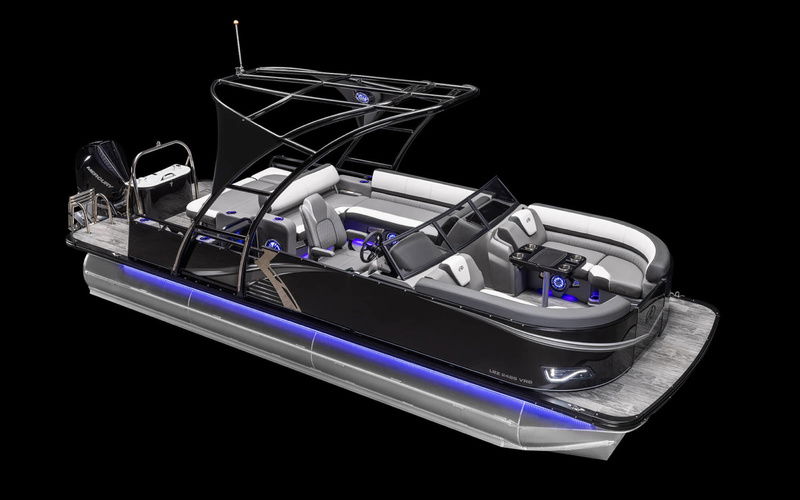


Images have been gathered from various sources and belong to their respective owners.
Review - Avalon LSZ VRBW 24

MarineBroker
06/27/2024, 7:49 AM
2020 Avalon LSZ VRBW 24: How to Choose, Inspect, and Enjoy a Used Pontoon Boat with Confidence
If you’ve been searching for a 2020 Avalon LSZ VRBW 24, chances are you’re already in the “serious buyer” stage. You’re not just browsing for fun anymore. You want a pontoon boat that feels comfortable, performs well, and fits the way you actually spend time on the water.
That’s where the challenge starts. Used boats can look great in photos, but the real questions are usually hidden: How well was it maintained? Is the layout right for your family? Does the engine setup match your boating style? And, maybe most importantly, how do you avoid buying a boat that looks clean but needs expensive repairs later?
The good news is that a little knowledge goes a long way. The 2020 Avalon LSZ VRBW 24 is a popular style of pontoon for good reason, but the smartest buyers know how to evaluate it the right way. In this article, we’ll break down what to look for, what common issues to watch out for, and how to make a confident decision without getting overwhelmed.
- What Makes the 2020 Avalon LSZ VRBW 24 Worth Considering
The 2020 Avalon LSZ VRBW 24 sits in a sweet spot for buyers who want a roomy, family-friendly pontoon with a strong mix of comfort and usability. At 24 feet, it’s large enough to handle social outings, tubing, cruising, and relaxed weekend trips, but not so big that it becomes a hassle to store or trailer in many situations.
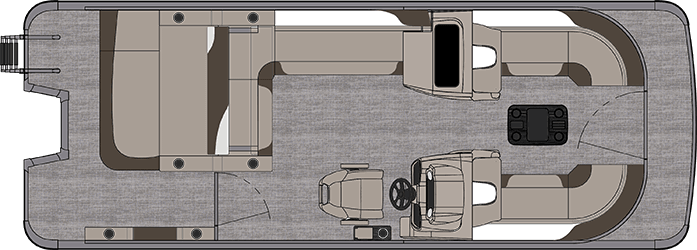
One of the main reasons people look at this model is the balance between layout and versatility. LSZ models are generally designed with leisure in mind, which means you’ll often find seating that encourages conversation, lounging, and easy movement around the deck. That matters more than people think. A pontoon boat isn’t just about horsepower or size; it’s about whether the space works for the way you actually boat.
For many buyers, the 2020 Avalon LSZ VRBW 24 is attractive because it can serve multiple roles:
- Family cruising boat
- Weekend lake hangout
- Light watersports platform
- Entertaining boat for groups of friends
If you’re shopping used, the biggest advantage is value. A well-kept 2020 model may offer a lot of the features and comfort of a newer pontoon, often at a more approachable price point.
- The Real Problem Buyers Face: Hidden Condition vs. Clean Appearance
Here’s the issue most shoppers run into: a pontoon boat can look fantastic on the surface while still having underlying problems.
That’s especially true with used models like the 2020 Avalon LSZ VRBW 24. Boats live in a harsh environment. Sun, water, vibration, and storage conditions all affect long-term condition. A seller may honestly believe the boat is “in great shape,” but that doesn’t always mean it’s free of wear.
The most common hidden concerns include:
- Corrosion on electrical connections or hardware
- Upholstery cracking from sun exposure
- Weak batteries or charging issues
- Engine maintenance gaps
- Flooring wear or soft spots
- Loose fencing, rails, or fasteners
- Undetected pontoon dents or damage
- Improper winterization history
This is why many buyers get stuck. They know they want a 24-foot Avalon pontoon, but they don’t know how to separate a genuinely solid boat from one that will need immediate spending after purchase.
The solution is not to avoid buying used. The solution is to inspect strategically and focus on the systems that matter most.
- How to Evaluate a 2020 Avalon LSZ VRBW 24 Before You Buy
A smart inspection doesn’t require a marine mechanic for every step, but it does require a careful eye. The goal is to understand the boat’s condition well enough to estimate future costs and avoid surprises.
Start with the overall presentation, but don’t stop there.
- Exterior and Pontoon Tubes
The pontoons are the foundation of the boat, so inspect them closely. Look for dents, patches, unusual repairs, or areas where the finish looks inconsistent. Minor cosmetic marks are normal on a used pontoon, but structural damage should raise questions.
Check for:
- Dents or deep scrapes
- Evidence of welding repairs
- Corrosion around fittings
- Waterline staining that may suggest storage issues
- Loose or missing hardware
If possible, inspect the underside too. Some damage only shows up when the boat is out of the water and properly lifted.
- Decking and Flooring
Walk the entire deck slowly. Listen for soft spots, flexing, or changes in feel underfoot. Marine flooring should feel solid and consistent.
Pay attention to:
- Carpet wear, if equipped
- Vinyl peeling or bubbling
- Soft areas near high-traffic zones
- Signs of water intrusion around seams
- Mold or mildew smell
A clean-looking floor can still hide water damage underneath, so don’t let cosmetics fool you.
- Upholstery and Seating
Pontoon seating gets a lot of sun and use, especially on family boats. Check seams, stitching, cushions, and hinges carefully.
Look for:
- Cracked vinyl
- Faded upholstery
- Torn seams
- Sagging seat bases
- Rusted seat hardware
- Mold beneath cushions
If the interior has been well cared for, that’s usually a good sign the rest of the boat received attention too.
- Console and Controls
The helm area tells you a lot about how the boat was used and maintained. Test switches, gauges, steering, trim controls, and any built-in electronics.
You want to verify:
- Smooth steering
- Responsive throttle and shift
- Working gauges
- Functional navigation or stereo systems
- Clean wiring with no amateur splices
Electrical issues can become a headache fast, so this area deserves extra attention.
- Engine and Mechanical Setup
If the boat is powered by an outboard, this is one of the most important parts of the inspection. Ask for maintenance records if they exist. A clean service history is often worth paying more for.
Check for:
- Oil and gear lube condition
- Signs of leaks
- Corrosion on the motor
- Proper starting and idling
- Smooth acceleration
- Cooling water flow
- Recent impeller service, if applicable
If the boat has been sitting unused for long periods, be cautious. Boats that sit are often more troublesome than boats that are regularly used and maintained.
- Why the 2020 Avalon LSZ VRBW 24 Appeals to Family Buyers
A lot of people searching for the 2020 Avalon LSZ VRBW 24 are really looking for a boat that solves a lifestyle problem: they want something everyone can enjoy without feeling cramped.
That’s where a 24-foot pontoon shines. It gives you enough space for:
- Kids moving around safely
- Adults relaxing without crowding
- Coolers, gear, and water toys
- Easy boarding and social seating
For families, comfort matters just as much as performance. A pontoon boat that makes it easy to get in and out, spread out, and enjoy the day tends to get used more often. And boats that get used regularly are usually better investments than boats that sit in the driveway and collect dust.
The 2020 Avalon LSZ VRBW 24 is also appealing because pontoon boats are generally forgiving and approachable for newer boaters. Compared with more aggressive hull designs, pontoons tend to offer a stable, relaxed ride that makes people feel comfortable quickly.
- Common Mistakes to Avoid When Shopping for This Boat
Even experienced buyers make avoidable mistakes. If you’re looking at a 2020 Avalon LSZ VRBW 24, these are the big ones to watch out for.
- Focusing only on the price
A lower price can be tempting, but it may reflect maintenance issues, cosmetic damage, or missing accessories. Always compare the asking price to the total cost of ownership, not just the sticker number.
- Ignoring the trailer
If a trailer is included, inspect it with the same care as the boat. Check tires, bearings, lights, bunks, brakes, and frame condition. A bad trailer can create safety issues and extra expense immediately.
- Skipping a water test
A boat that starts on land may still have performance problems on the water. If possible, test acceleration, steering, trim response, and idle behavior under real conditions.
- Forgetting storage and usage history
A boat kept under cover and used regularly often ages better than a boat left exposed or unused for long periods. Ask where it was stored, how often it was run, and whether it was winterized properly.
- Overlooking small details
A missing cushion latch or weak battery may seem minor, but these little issues can hint at broader neglect. Small problems often cluster together.
- Practical Tips to Get the Most Value from a Used Pontoon
If you want to make a smart purchase, think like a boat owner, not just a buyer. The best deals usually go to people who understand what they’re looking at and what it will cost to keep the boat in good shape.
Here are a few practical steps that help:
1. Request maintenance records
Service history is one of the best indicators of care.
2. Inspect in daylight
Sunlight makes flaws, fading, and repairs easier to see.
3. Bring a checklist
It’s easy to forget key items when you’re excited about a boat.
4. Ask about winterization and storage
These two factors can dramatically affect long-term condition.
5. Compare similar listings
This helps you understand whether the boat is priced fairly.
6. Budget for immediate updates
Even a solid used boat may need batteries, cleaning, detailing, or minor repairs.
7. Consider a marine survey
For higher-value purchases, a professional inspection can save money and stress.
A lot of buyers think they’re saving money by skipping due diligence. In reality, the smart move is usually paying for certainty up front.
- How to Match the Boat to Your Boating Style
Not every pontoon is right for every buyer, even if the boat is in excellent condition. Before committing to the 2020 Avalon LSZ VRBW 24, think about how you actually plan to use it.
Ask yourself:
- Will this be mostly family cruising?
- Do you want room for guests and entertaining?
- Will you tow tubes or do light watersports?
- Do you need easy trailering and storage?
- Is comfort more important than speed?
If your answer leans toward relaxed cruising, group outings, and versatile lake use, this style of pontoon makes a lot of sense. If you’re chasing high-speed performance, you may want to compare it with other setups that prioritize power and sport handling.
The point is to buy for your real habits, not your idealized ones. The best boat is the one you’ll actually enjoy using.
- Signs the 2020 Avalon LSZ VRBW 24 Has Been Well Cared For
When you’re evaluating a used pontoon, maintenance often shows up in the details. A well-kept boat usually gives itself away.
Good signs include:
- Clean wiring and organized battery setup
- Tight, corrosion-free hardware
- Even upholstery wear
- Fresh service records
- Smooth engine operation
- Clean storage areas
- No strong mildew or fuel odors
- Matching wear patterns across the boat
These things don’t guarantee perfection, but they do suggest consistent ownership. And consistent ownership is one of the strongest predictors of long-term satisfaction.
- Final Buying Checklist
Before making a decision, run through this quick checklist:
- Inspect pontoons for damage or corrosion
- Check flooring for soft spots
- Review upholstery condition
- Test all electronics and controls
- Verify engine service history
- Ask about storage and winterization
- Inspect the trailer, if included
- Take a water test if possible
- Compare asking price to similar boats
- Budget for post-purchase maintenance
If most of these boxes are checked, you’re in a much better position to buy with confidence.
- Conclusion
The 2020 Avalon LSZ VRBW 24 can be a great option for buyers who want a spacious, comfortable pontoon with broad appeal for family cruising and casual time on the water. The main challenge isn’t finding one that looks good online. It’s making sure the boat is genuinely in solid condition and suited to the way you plan to use it.
By focusing on inspection, maintenance history, and real-world fit, you can avoid the common mistakes that trip up many used-boat buyers. Take your time, ask the right questions, and look beyond the surface. If you do that, you’ll be much more likely to find a pontoon that delivers the relaxing, enjoyable boating experience you’re after.
Specifications
General
Boat Type: Power Boats
Class Type: Pontoon Boat
Specifications
Length: 24.51
Beam: 8.5
Draft: 1.97
Hull Material: Aluminium
Build
First Built: 2020
Propulsion
Fuel Type: Unleaded
Engines: 1
Power: 115 HP
Brand: Unknown
Accomodation
PROS & CONS
What we appreciated
 Spacious and comfortable seating for large groupsHigh-quality construction with durable materialsSmooth and stable ride due to advanced hull designModern and stylish design with customizable optionsEquipped with powerful and efficient Mercury engine options
What we didn’t appreciate
 Higher price point compared to some competitorsLarger size may limit easy trailering and storageFuel consumption can be higher with bigger enginesLimited availability of certain luxury features in base modelMay require more maintenance due to complex electronics
Upkeep Costs
Fuel: Approx. $500 - $1,000 per season depending on usage
Maintenance: Around $1,000 - $1,500 annually
Storage: $500 - $1,200 per year depending on location and type
Insurance: $300 - $700 annually
Registration and Taxes: $100 - $300 per year
Rating
7.4
User
Score
Score
Driveability
Technology
Interior
Design
Similar Boats


MarineBroker
Download now for an immersive boat experience like never before! ⛵✨ Your journey begins with a simple click. 🌊📲
#SetSailSmart #DownloadNow
#SetSailSmart #DownloadNow

Subscribe
Copyright 2017 - 2026, Marinebroker.net, All Rights Reserved