Boat Database » Avalon Catalina Versatile Rear Lounger 25
Avalon Catalina Versatile Rear Lounger 25
Outboard four-stroke, Unleaded, 1x 135 HP
Power Boats 2020 Avalon Catalina Versatile Rear Lounger 25: How to Make the Most of a Spacious Pontoon Layout
If you’re looking at the 2020 Avalon Catalina Versatile Rear Lounger 25, chances are you already know it’s not your average pontoon...
Discover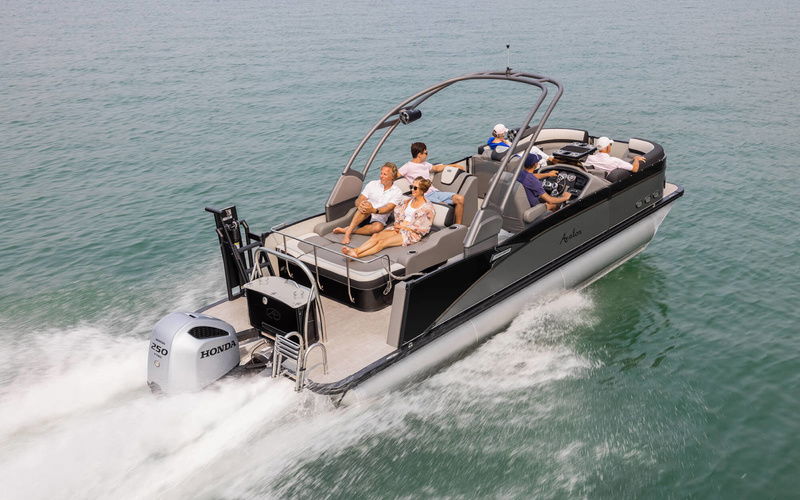

Images have been gathered from various sources and belong to their respective owners.
Review - Avalon Catalina Versatile Rear Lounger 25

MarineBroker
06/26/2024, 12:23 PM
2020 Avalon Catalina Versatile Rear Lounger 25: How to Make the Most of a Spacious Pontoon Layout
If you’re looking at the 2020 Avalon Catalina Versatile Rear Lounger 25, chances are you already know it’s not your average pontoon. It’s built for people who want a comfortable, social, family-friendly boat with enough flexibility to handle lazy cruising, sunset rides, and full-day hanging out on the water. But that versatility can also create a common challenge: how do you set up, use, and maintain a boat that’s designed to do a lot of different things without feeling cluttered or underutilized?
That’s the real issue many owners and shoppers run into. A versatile rear lounger layout gives you options, but too many options can make it hard to know what works best for your boating style. Maybe you’re wondering how to arrange seating for guests, how to keep the deck feeling open, or whether this layout really fits family outings, entertaining, and casual watersports. The good news is that with the right approach, this boat’s design becomes a major advantage rather than a puzzle.
In this article, we’ll break down how to get the most from the 2020 Avalon Catalina Versatile Rear Lounger 25, what makes this layout appealing, and practical ways to solve the most common ownership and usage challenges.
- What Makes the 2020 Avalon Catalina Versatile Rear Lounger 25 Stand Out
The 2020 Avalon Catalina Versatile Rear Lounger 25 sits in a sweet spot for pontoon buyers who want comfort without sacrificing function. The “25” gives you a generous platform, while the rear lounger configuration adds a relaxed, social feel that works especially well for cruising and entertaining.
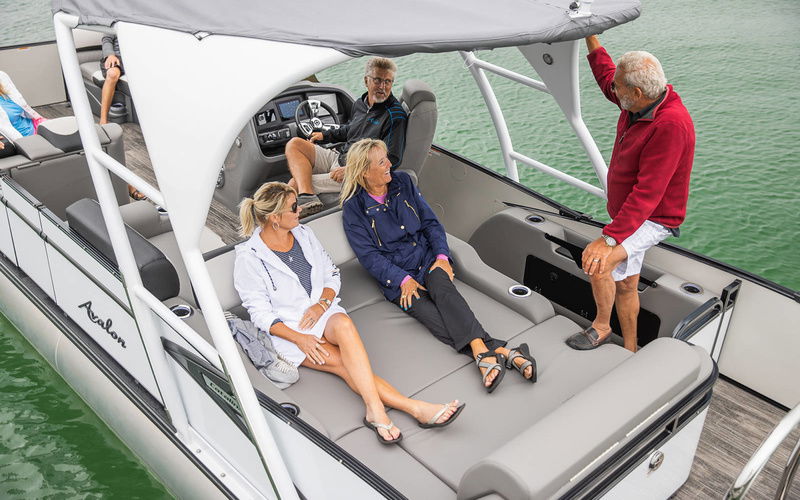
What makes this model appealing is not just the size, but the way the deck is used. Rear loungers are popular because they create a natural hangout zone at the back of the boat, often paired with a helm area, midship seating, and an open feel that makes movement easy. That matters when you have family, friends, coolers, water toys, or just a lot of gear onboard.
For many boaters, the challenge is finding a pontoon that doesn’t feel too crowded when everyone is aboard. A 25-foot layout helps solve that by giving more room to spread out. At the same time, the rear lounger design encourages conversation and relaxation, which is exactly what most recreational boaters want.
- The Main Problem: Too Much Space, Not Enough Planning
At first glance, “too much space” might not sound like a problem. But on a versatile pontoon, unused or poorly planned space can lead to a few real frustrations.
You may notice:
- People bunching up in one area while other seats go unused
- Gear scattered around because there’s no clear storage routine
- Awkward traffic flow when moving from bow to stern
- Seating that feels great for cruising but less ideal for fishing or watersports
- Difficulty deciding how to balance lounging, dining, and open deck space
These issues are common on larger pontoon boats, especially ones designed for flexibility. The good news is that most of them are easy to solve once you think about the boat in zones instead of just “one big deck.”
A boat like the 2020 Avalon Catalina Versatile Rear Lounger 25 works best when you assign each area a purpose. That doesn’t mean every outing has to be rigid. It just means the boat becomes easier to enjoy when the layout supports the way you actually use it.
- Why the Rear Lounger Layout Works So Well
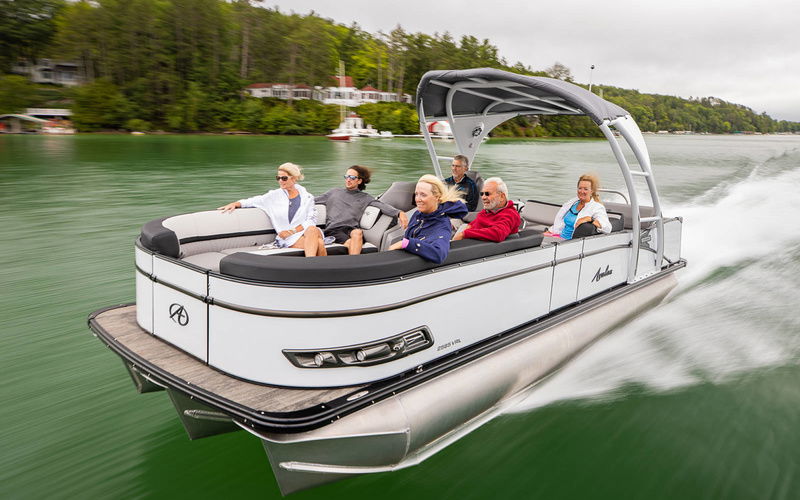
Rear loungers are a favorite among pontoon owners for a reason. They create a comfortable, social atmosphere that feels more like a floating patio than a simple transport platform.
Here’s why that matters:
- The stern becomes a destination instead of dead space
- Guests can face each other more naturally
- It’s easy to relax while underway or anchored
- The boat feels more upscale and lounge-oriented
- Families and groups can spread out without feeling disconnected
On the 2020 Avalon Catalina Versatile Rear Lounger 25, this layout is especially useful because the longer deck gives you room to keep the rear lounge comfortable without making the rest of the boat feel cramped. That balance is one of the biggest reasons people are drawn to this style.
If your boating routine includes cruising, socializing, and slow-water recreation, a rear lounger is one of the best layouts you can choose.
- How to Use the 2020 Avalon Catalina Versatile Rear Lounger 25 More Effectively
The easiest way to improve your experience is to think of the boat in functional zones. This helps you avoid clutter and keeps everyone comfortable.
A simple layout strategy might look like this:
- Rear lounge zone: best for relaxing, conversation, and sunset cruising
- Midship zone: ideal for moving between areas, storing essentials, and keeping drinks close
- Bow seating zone: great for passengers who want a forward view and more open-air space
- Helm zone: should stay clear for visibility and safe operation
This kind of setup makes the boat feel organized without being restrictive. It also helps guests naturally understand where to sit and where to place items.
A few practical tips:
- Keep frequently used items in one or two dedicated storage bins
- Use soft-sided coolers instead of bulky hard coolers when possible
- Avoid overloading the bow or stern with too much weight
- Leave a clear walkway from bow to stern
- Use removable accessories so the deck can adapt to different outings
That last point is especially important. A versatile pontoon should be able to shift from family cruise mode to entertaining mode without much effort.
- Solving the Most Common Space and Comfort Issues
Even a well-designed pontoon can feel awkward if it’s not set up with real-world use in mind. Here are the most common issues owners face with a boat like this, along with simple fixes.
- Problem: Guests don’t know where to sit
Solution: Make seating intentional. If you’re cruising, encourage people to spread out evenly. If you’re anchored, create a social cluster near the rear lounger and midship area.
- Problem: Gear takes over the deck
Solution: Use under-seat storage first, then add a designated bag for towels, sunscreen, and small items. The more you can keep off the floor, the better the boat will feel.
- Problem: The boat feels crowded during group outings
Solution: Limit unnecessary items onboard and plan seating before departure. A quick “who sits where” plan can make a big difference on a 25-foot pontoon.
- Problem: The rear lounge gets too much traffic
Solution: Treat it as a relaxation zone, not a pass-through area. Encourage people to use side pathways when moving around the boat.
- Problem: The boat works for cruising but not for other activities
Solution: Use removable gear and flexible seating habits. A pontoon like this is at its best when it can switch roles quickly.
These small adjustments help a lot. Most comfort problems on pontoons are less about the boat itself and more about how the space is managed.
- Best Uses for the 2020 Avalon Catalina Versatile Rear Lounger 25
This model is especially well suited to certain boating styles. If you know how you want to use the boat, it becomes much easier to decide whether the layout fits.
Best use cases include:
- Family cruising
- Sunset rides
- Dock-and-talk social outings
- Sandbar days
- Relaxed lake exploring
- Casual entertaining
- Light watersports support
The rear lounger design shines when the goal is comfort and conversation. It’s not the most specialized setup for hardcore fishing or aggressive tow sports, but that’s not really the point. It’s meant to be a flexible, enjoyable platform for people who want a laid-back boating experience.
If your ideal day on the water includes music, snacks, conversation, and room to move around, this style of pontoon is a strong match.
- What to Look for When Evaluating a Pontoon Like This
If you’re considering the 2020 Avalon Catalina Versatile Rear Lounger 25, it helps to look beyond the model name and focus on how the boat supports your routine.
Pay attention to:
- Seating comfort and cushion depth
- Storage access and quantity
- Walkway width
- Helm visibility
- Shade coverage
- Deck cleanliness and material condition
- Engine setup and performance match
- How the rear lounger is positioned relative to traffic flow
These details matter because they affect daily usability. A pontoon can look great in photos but still feel awkward if the seating is cramped or storage is hard to reach.
Also, think about your crew size. A 25-foot pontoon is often ideal for medium-sized groups, but the way people move and sit onboard matters just as much as total capacity. If you regularly boat with kids, grandparents, pets, or lots of coolers, you’ll want a layout that stays open and easy to navigate.
- Maintenance Habits That Keep the Boat Feeling New
A spacious pontoon can lose its appeal quickly if it’s not cared for properly. Fortunately, maintenance is pretty straightforward when you stay consistent.
Focus on these basics:
- Rinse and wipe seats after every outing
- Clean vinyl with boat-safe products
- Keep drains and storage compartments dry
- Check hardware and fasteners regularly
- Inspect the flooring for wear and trapped debris
- Cover the boat when not in use
- Follow engine maintenance schedules carefully
For boats with a lounge-heavy layout, upholstery care is especially important. Rear seating tends to get a lot of use, so regular cleaning helps preserve the look and feel of the boat.
A few simple habits can extend the life of your pontoon and keep it more enjoyable:
1. Remove wet towels and gear after each trip
2. Air out storage spaces when possible
3. Protect seats from prolonged sun exposure
4. Clean up spills quickly
5. Schedule seasonal inspections before peak boating months
These small steps help protect both comfort and resale value.
- How to Make the Boat Work for Different Types of Days
One of the best things about the 2020 Avalon Catalina Versatile Rear Lounger 25 is that it can adapt to different outings. The trick is to adjust your setup based on the day’s purpose.
For a family cruise:
- Keep the deck open
- Use the bow for kids or passengers who want a view
- Store snacks and essentials in one central place
For a social gathering:
- Make the rear lounger the main lounge area
- Keep coolers accessible but out of the walkway
- Use music and lighting to create a relaxed atmosphere
For a quiet solo or couple’s outing:
- Keep the boat minimal
- Use the rear lounger and one forward seating area
- Focus on comfort and open space
For light activity days:
- Leave room for towables, floating mats, or swim gear
- Avoid overpacking the deck
- Use the layout to support easy boarding and movement
This kind of flexibility is what makes the boat valuable. It’s not about forcing one perfect setup. It’s about adapting the layout to the moment.
- Why Buyers Are Drawn to This Style of Pontoon
People shopping for a boat like the 2020 Avalon Catalina Versatile Rear Lounger 25 usually want a balance of comfort, size, and usability. They’re often moving up from smaller pontoons or trying to find a boat that feels more refined without becoming complicated.
This style appeals because it offers:
- A relaxed, premium feel
- Plenty of seating
- Good social flow
- Room for guests and gear
- A layout that supports multiple boating styles
That combination makes it a practical choice for people who don’t want to choose between comfort and function. In other words, it’s a boat that can handle a lot of real-life situations without feeling too specialized.
If you’re comparing pontoon layouts, the rear lounger is often one of the most versatile choices for everyday lake use.
- Simple Buying and Ownership Advice
If you’re still in the research stage, don’t get too caught up in brand names alone. Instead, think about how the boat will feel on a normal Saturday afternoon with your actual crew onboard.
Ask yourself:
- Will the seating work for my group size?
- Do I want more lounging or more open deck space?
- How important is storage?
- Will I use the boat mostly for cruising or mixed activities?
- Is easy movement around the deck a priority?
These questions help you decide whether the 2020 Avalon Catalina Versatile Rear Lounger 25 fits your boating lifestyle. A good pontoon should make your time on the water easier, not more complicated.
If you’re evaluating a used model, look closely at upholstery condition, flooring, engine hours, and how the rear lounge has held up. Those details tell you a lot about how the boat was used and maintained.
- Making the Most of a Versatile Rear Lounger Pontoon
A boat like the 2020 Avalon Catalina Versatile Rear Lounger 25 is at its best when it’s organized around how people actually spend time on the water. The rear lounger gives you a comfortable social hub, while the 25-foot platform provides enough room to keep everything feeling open and usable.
The biggest challenge is usually not the boat itself, but how to manage the space well. Once you set up clear zones, keep gear under control, and match the layout to the day’s activity, the boat becomes much easier to enjoy.
If you’re shopping, owning, or learning more about this model, focus on comfort, flow, and flexibility. Those are the features that make a pontoon truly useful over the long run.
With a little planning, the 2020 Avalon Catalina Versatile Rear Lounger 25 can be more than just a nice-looking boat. It can become the kind of easy, comfortable, and reliable platform that makes every day on the water feel better.
Specifications
General
Boat Type: Power Boats
Class Type: Pontoon Boat
Specifications
Length: 25.43
Beam: 8.5
Draft: 1.97
Hull Material: Aluminium
Build
First Built: 2020
Propulsion
Fuel Type: Unleaded
Engines: 1
Power: 135 HP
Brand: Unknown
Accomodation
PROS & CONS
What we appreciated
 Spacious and versatile rear lounger seating ideal for relaxation and entertainingHigh-quality construction with durable materials for long-lasting useSmooth and stable ride due to well-designed hull and pontoon configurationAmple storage compartments for gear and personal itemsModern features including LED lighting and upgraded sound system options
What we didn’t appreciate
 Relatively high price point compared to some competitors in the same classFuel efficiency may be lower due to size and power optionsLimited maneuverability in very tight docking situations because of lengthOptional features can significantly increase overall costMay require a larger tow vehicle or trailer due to size and weight
Upkeep Costs
Fuel: Approximately $1,200 - $1,800 per season depending on usage and fuel prices
Maintenance and Repairs: Around $500 - $1,000 annually
Storage: $800 - $2,000 per year depending on location and type (indoor/outdoor)
Insurance: $300 - $700 annually depending on coverage and location
Registration and Licensing: $50 - $150 per year depending on state
Rating
7.7
User
Score
Score
Driveability
Technology
Interior
Design
Similar Boats


2021 Avalon Catalina Platinum Quad Lounger Windshield 27
Power Boats • Pontoon Boat
LOA 8.36 • Beam 2.59
MarineBroker
Download now for an immersive boat experience like never before! ⛵✨ Your journey begins with a simple click. 🌊📲
#SetSailSmart #DownloadNow
#SetSailSmart #DownloadNow

Subscribe
Copyright 2017 - 2026, Marinebroker.net, All Rights Reserved