Boat Type: Power Boats
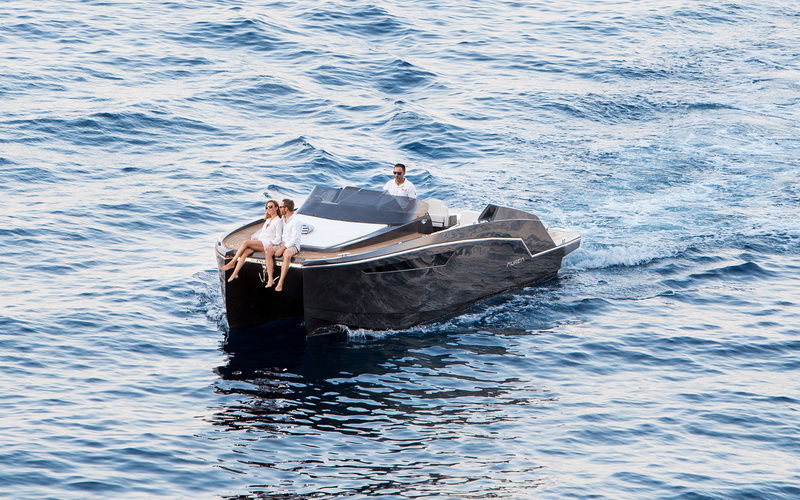
Boat Class: Power Catamaran
Length: 30.05 ft
Berths: 4
Cabins: 2
Bathrooms: 1
Max Persons: 20
Boat Database » Aurea 30 'Cabin Dream Daycruiser
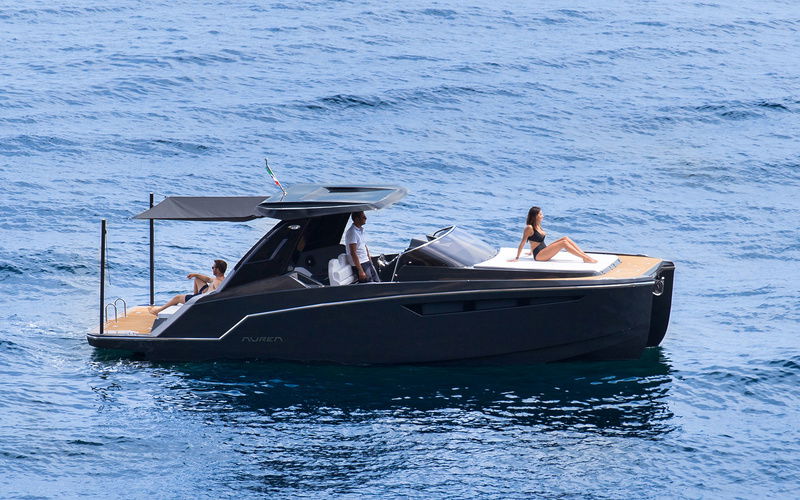
Aurea 30 'Cabin Dream Daycruiser
Stern Drive, Diesel, 2x 740 HP
Power Boats 2017 Aurea 30 'Cabin Dream Daycruiser: What to Know Before You Buy, Inspect, or Cruise
If you’ve been looking at the 2017 Aurea 30 'Cabin Dream Daycruiser, chances are you already appreciate what makes this style of boat so appea...
Discover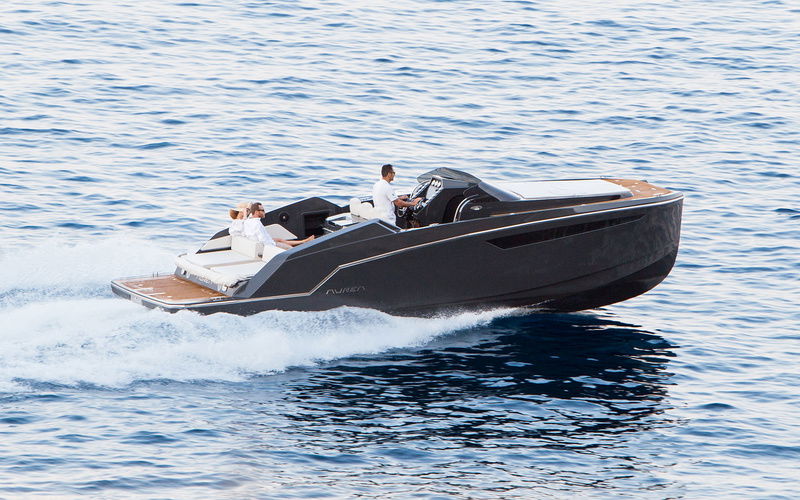

Images have been gathered from various sources and belong to their respective owners.
Review - Aurea 30 'Cabin Dream Daycruiser

MarineBroker
06/04/2024, 10:22 AM
2017 Aurea 30 'Cabin Dream Daycruiser: What to Know Before You Buy, Inspect, or Cruise
If you’ve been looking at the 2017 Aurea 30 'Cabin Dream Daycruiser, chances are you already appreciate what makes this style of boat so appealing: sleek lines, open-air comfort, and enough cabin space to turn a day on the water into a proper mini escape. But like many owners and buyers quickly discover, the real challenge isn’t falling in love with the boat—it’s figuring out whether it truly fits your cruising style, and what to watch for before making a decision.
That’s where many people get stuck. A daycruiser like the Aurea 30 can look perfect on paper, but details such as layout, maintenance history, engine condition, and onboard usability matter just as much as the glossy photos. If you’re evaluating this model, the goal is to separate the “nice to have” features from the things that actually affect comfort, reliability, and long-term ownership costs.
In this guide, we’ll break down the key things to know about the 2017 Aurea 30 'Cabin Dream Daycruiser, common concerns buyers should check, and practical ways to judge whether it’s the right boat for your needs.
- What Makes the 2017 Aurea 30 'Cabin Dream Daycruiser Stand Out
The Aurea 30 sits in a sweet spot for owners who want a stylish dayboat with enough enclosed space to extend the season. It’s the kind of boat that works well for coastal cruising, weekend outings, and relaxed entertaining, without feeling too large or cumbersome to handle.
What attracts people most is the balance between open deck living and cabin comfort. You get the social side of a daycruiser, but you also have a private area below that can make overnighting, changing, or escaping bad weather much easier.
For many buyers, this model is interesting because it aims to solve a common boating problem: too many dayboats are great in perfect weather but limited once conditions change. The Cabin Dream concept gives you more flexibility.
- The Real Problem Buyers Face With Boats Like This
The biggest issue with a boat like the 2017 Aurea 30 'Cabin Dream Daycruiser is not usually the design itself. It’s making sure the boat’s condition, layout, and systems match your actual use case.
Many people run into one of these situations:
- They want a stylish dayboat but later realize they need more cabin space than expected.
- They find a great-looking boat, but maintenance records are incomplete.
- They assume a “daycruiser” means easy ownership, then get surprised by upkeep costs.
- They buy based on appearance instead of checking how the boat performs in real conditions.
That’s the practical problem: the wrong boat can look right until you start using it regularly. The solution is to evaluate the Aurea 30 as a lifestyle fit, not just a listing.
- Understanding the 2017 Aurea 30 'Cabin Dream Daycruiser Layout
One reason this model gets attention is its blend of cockpit comfort and cabin practicality. Boats in this category are usually designed around social use, so the deck layout matters a lot.
When inspecting the boat, focus on these areas:
- Cockpit seating: Is there enough room for your typical group?
- Helm visibility: Can you comfortably see while docking and cruising?
- Cabin access: Is the entry easy and safe?
- Storage: Are there enough places for lines, fenders, bags, and personal gear?
- Sun protection: Is there an effective shade solution for long days aboard?
A good layout should support the way you actually boat. If you often cruise with family, for example, you’ll want a layout that lets people move around without constantly stepping over each other.
The 2017 Aurea 30 'Cabin Dream Daycruiser is especially appealing if you want a boat that feels open but still offers a private retreat below deck. That balance is often what separates a fun dayboat from one that becomes genuinely versatile.
- Common Inspection Points You Should Not Skip
If you’re considering buying this model, a thorough inspection is the best solution to avoid expensive surprises later. Even a well-kept boat can hide issues that only show up once you start looking closely.
Here are the main inspection points to prioritize:
- Hull condition: Look for cracks, repairs, blisters, or signs of impact.
- Deck hardware: Check cleats, rails, hatches, and fittings for movement or corrosion.
- Upholstery and cushions: UV damage and water intrusion are common on boats that sit uncovered.
- Electrical systems: Test lights, pumps, switches, battery condition, and charging systems.
- Plumbing: Confirm freshwater systems, bilge pumps, and any head or sink components work properly.
- Engine and propulsion: Review service history and look for signs of neglected maintenance.
- Canvas or hardtop components: Make sure covers, enclosures, or shade systems are in good condition.
A surveyor or experienced marine mechanic can help here, especially if you’re not familiar with the model. Paying for a proper inspection is usually far cheaper than discovering hidden problems after purchase.
- Why Maintenance History Matters More Than Age
A 2017 boat is not “old” in boating terms, but age alone tells you very little. What really matters is how the boat was used and maintained.
A boat that has been serviced on schedule, cleaned properly, and stored well can be in much better shape than a newer boat that was neglected. On the other hand, a lightly used boat that sat idle for long periods can also develop issues from lack of use.
Look for:
- Regular engine servicing
- Oil and filter change records
- Impeller replacement history
- Battery replacement dates
- Antifouling and bottom maintenance
- Evidence of winterization or seasonal storage care
If the seller can provide a detailed service trail, that’s a strong sign. If not, treat the boat more cautiously and budget for catch-up maintenance.
- The Cabin: Small Space, Big Impact
The cabin on a daycruiser is often underestimated. People think of it as a bonus, but in reality, it can be one of the most useful parts of the boat.
On the 2017 Aurea 30 'Cabin Dream Daycruiser, the cabin can help with:
- Changing clothes in privacy
- Taking a break from wind, sun, or rain
- Storing bags and personal items out of sight
- Short overnight stays
- Giving children or guests a quiet place to rest
If you plan to use the boat for longer outings, the cabin becomes even more valuable. It’s not about living aboard full-time; it’s about making day boating more comfortable and practical.
When checking the cabin, pay attention to ventilation, lighting, headroom, and mattress condition. A cabin that looks stylish but feels cramped can become a drawback if you spend real time onboard.
- Performance Expectations: What Buyers Usually Want
People interested in the 2017 Aurea 30 'Cabin Dream Daycruiser usually want a boat that feels confident, stable, and easy to manage. In this size range, performance is less about speed for its own sake and more about balance.
You want:
- Predictable handling at cruising speed
- Good visibility from the helm
- Comfortable ride in moderate chop
- Easy docking and low-speed maneuverability
- Enough power to carry passengers and gear without feeling strained
If you’re sea trialing the boat, don’t just look at top speed. Pay attention to how it behaves at normal cruising pace, how it turns, and how it handles when loaded with people.
A boat that performs well in real-world conditions is usually a better long-term choice than one that only impresses at wide-open throttle.
- Fuel Use and Ownership Costs: The Part People Forget
One of the biggest mistakes buyers make is focusing only on the purchase price. The real cost of ownership includes fuel, maintenance, insurance, storage, and seasonal preparation.
For a boat like this, costs can vary widely depending on engine setup, usage patterns, and where you keep the boat. But the general principle is simple: a cleaner, better-maintained boat usually costs less to own over time.
To keep expenses under control:
- Stick to scheduled maintenance
- Avoid unnecessary idling and aggressive throttle use
- Keep the hull clean to reduce drag
- Use proper winterization or off-season storage
- Fix small issues early before they turn into larger repairs
This is where the 2017 Aurea 30 'Cabin Dream Daycruiser can make sense for the right owner. If your goal is comfortable day boating with occasional overnight flexibility, it may offer a strong balance of usability and manageable operating costs.
- Who This Boat Is Best Suited For
Not every boat fits every boater, and that’s especially true in the daycruiser category. The Aurea 30 tends to appeal most to people who want comfort without jumping into a much larger cruiser.
It may be a good match if you:
- Enjoy coastal cruising and day trips
- Want a stylish boat with a usable cabin
- Often entertain a small group of friends or family
- Prefer a boat that is easier to handle than a larger yacht
- Value design and onboard comfort equally
It may be less ideal if you need:
- Large overnight accommodations
- Heavy offshore capability
- Extensive fishing features
- Very low operating costs with minimal upkeep
- A highly specialized workboat-style layout
The key is being honest about your boating habits. The best boat is the one that suits how you actually spend time on the water, not how you imagine you might use it someday.
- Practical Buying Tips for the 2017 Aurea 30 'Cabin Dream Daycruiser
If you’re seriously considering this model, a smart buying process can save you time and stress.
Use this checklist:
1. Review the full service history
Ask for invoices, not just verbal assurances.
2. Inspect the boat in person
Photos can hide wear, stains, oxidation, and small repairs.
3. Take a proper sea trial
Test acceleration, turning, docking, and cruising comfort.
4. Hire a surveyor
Especially important if you’re buying used and want peace of mind.
5. Check storage and transport logistics
Make sure you know where the boat will live and how it will be moved.
6. Budget for immediate upgrades
Even a good boat may need batteries, covers, electronics, or safety gear.
These steps are not just about avoiding bad deals. They help you understand whether the boat is truly ready for your kind of boating.
- How to Make the Most of the Boat After Purchase
Once you’ve chosen the right boat, the next step is setting it up for easy, enjoyable use. A lot of owners improve their experience simply by organizing the boat better from day one.
Helpful upgrades and habits include:
- Adding quality fenders and dock lines
- Keeping a dedicated onboard cleaning kit
- Installing or updating navigation electronics
- Using fitted covers to protect seating and surfaces
- Storing safety gear where it’s easy to reach
- Creating a simple pre-departure checklist
These small steps help the 2017 Aurea 30 'Cabin Dream Daycruiser feel more refined and less stressful to use. The goal is not just ownership, but smooth, repeatable enjoyment every time you head out.
- Final Thoughts on Choosing the Right Boat
The 2017 Aurea 30 'Cabin Dream Daycruiser stands out because it offers a smart mix of style, comfort, and practicality. For the right buyer, that combination can solve a common boating problem: finding a dayboat that still feels useful when conditions change or plans run longer than expected.
The best approach is to judge the boat by how well it fits your real-world needs. Check the layout, inspect the systems, review the service history, and sea trial it carefully. If it ticks those boxes, you’re not just buying a boat that looks good—you’re choosing one that can genuinely support the way you want to spend time on the water.
If you’re still comparing options, it’s worth learning more about daycruiser layouts, used boat inspections, and ownership costs before making a final decision. That extra research usually pays off.
Specifications
General
Boat Type: Power Boats
Class Type: Power Catamaran
Specifications
Length: 30.05
Beam: 9.84
Draft: 1.64
Hull Material: GRP
Build
First Built: 2017
Propulsion
Fuel Type: Diesel
Engines: 2
Power: 740 HP
Brand: Unknown
Accomodation
Berths: 4
Cabins: 2
Bathrooms: 1
PROS & CONS
What we appreciated
 Spacious and comfortable cabin for day cruisingStylish and modern design with quality finishesGood performance and handling for a 30-foot cruiserWell-equipped with amenities suitable for day tripsEasy to maneuver and dock due to compact size
What we didn’t appreciate
 Limited overnight accommodation compared to larger cruisersMay have limited storage space for extended tripsNot ideal for rough sea conditions due to sizeFuel efficiency may be moderate depending on engine choiceHigher maintenance costs associated with premium finishes
Upkeep Costs
Fuel: Approximately $1,200 - $2,000 annually, depending on usage
Maintenance and Repairs: Around $1,000 - $1,500 per year
Insurance: Typically $400 - $700 per year
Storage and Mooring: $1,500 - $3,000 annually depending on location
Registration and Taxes: $100 - $300 per year

Rating
7.6
User
Score
Score
Driveability
Technology
Interior
Design
Similar Boats


MarineBroker
Download now for an immersive boat experience like never before! ⛵✨ Your journey begins with a simple click. 🌊📲
#SetSailSmart #DownloadNow
#SetSailSmart #DownloadNow

Subscribe
Copyright 2017 - 2026, Marinebroker.net, All Rights Reserved