Boat Type: Power Boats
Boat Class: Cruiser
Length: 41.37 ft
Berths: 6
Cabins: 2
Max Persons: 12
2013 Atlantis 40: What Owners and Buyers Should Know Before You Buy or Upgrade
The 2013 Atlantis 40 is one of those yachts that gets attention for a reason. It has the sporty Italian look, a comfortable layout, and enough perform...
Discover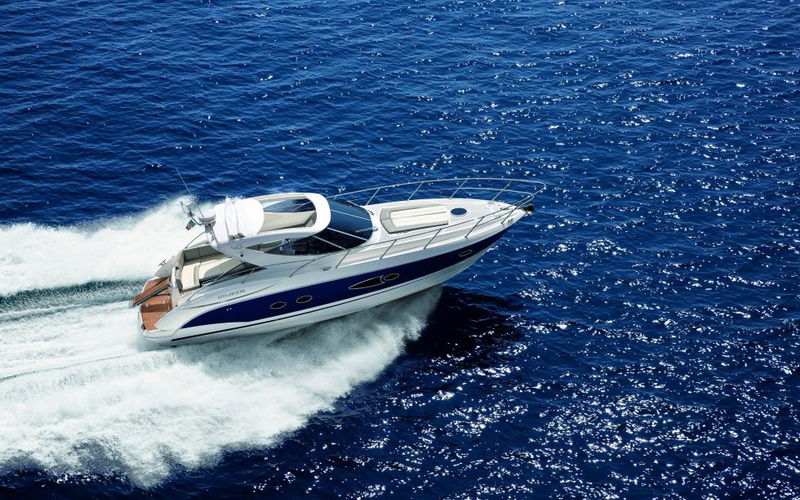
Images have been gathered from various sources and belong to their respective owners.
Review - Atlantis 40

MarineBroker
06/04/2024, 3:18 AM
2013 Atlantis 40: What Owners and Buyers Should Know Before You Buy or Upgrade
The 2013 Atlantis 40 is one of those yachts that gets attention for a reason. It has the sporty Italian look, a comfortable layout, and enough performance to keep weekend runs exciting without feeling like you’re giving up all the comforts of a proper cruiser. But if you’re researching this boat, you’re probably not just admiring the styling. You’re likely trying to answer a more practical question: is the 2013 Atlantis 40 still a smart choice today?
That’s the real challenge with any used yacht. Pictures and listings can make a boat look perfect, but the important stuff is often hidden below the surface. Maintenance history, engine condition, electronics age, soft goods wear, and how the boat was used all matter just as much as the model name on the hull. A well-kept Atlantis 40 can be a fantastic buy. A neglected one can turn into a long list of repairs.
The good news is that most of the common concerns are manageable if you know what to look for. In this guide, we’ll walk through the key strengths of the 2013 Atlantis 40, the typical problem areas buyers should check, and the practical steps that help you make a confident decision.
- Why the 2013 Atlantis 40 still stands out
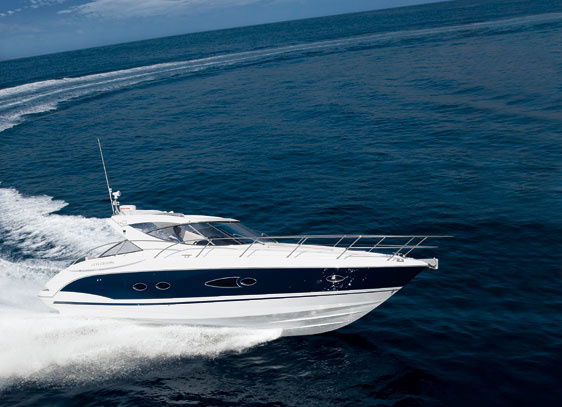
The Atlantis 40 was designed for owners who want a balance of style, performance, and livability. At around 40 feet, it sits in a sweet spot: large enough for comfortable days and weekends aboard, but still manageable for many owner-operators.
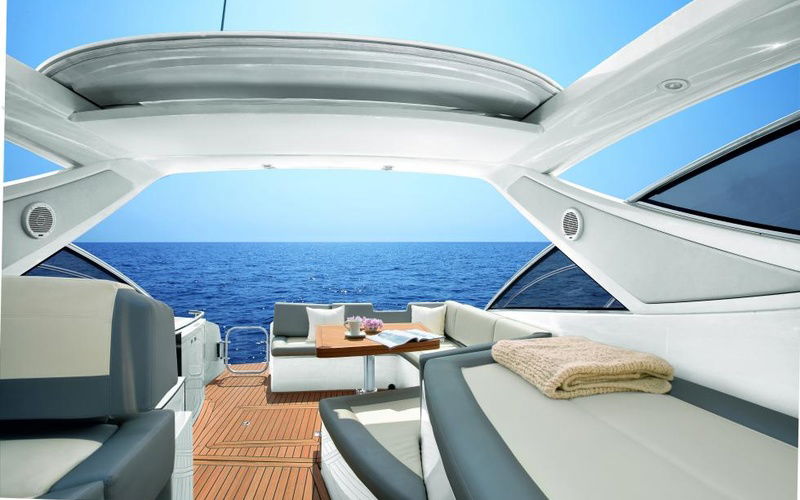
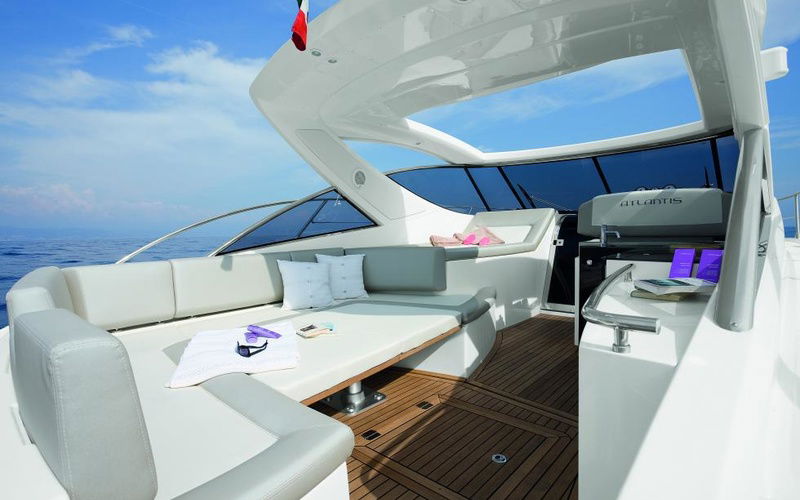
One of the biggest reasons people continue searching for this model is its layout. The cockpit usually feels open and social, while the interior offers enough space for overnighting without becoming overly complicated. For many buyers, that combination is exactly what makes the boat appealing.
Key reasons the 2013 Atlantis 40 remains attractive:
- Sleek, modern profile that still looks current
- Good performance for coastal cruising and day boating
- Practical interior for a boat in this size range
- Manageable size compared with larger flybridge or sedan yachts
- Strong appeal for buyers who want style without going too big
For many owners, the boat’s biggest advantage is versatility. It can work as a family cruiser, a couples’ weekend boat, or a stylish entertaining platform.
- The main problem buyers run into with a used 2013 Atlantis 40
The most common issue isn’t a single defect. It’s uncertainty.
With a used 2013 Atlantis 40, the real problem is figuring out whether the boat has been cared for properly or just polished for the listing. A clean exterior doesn’t tell you much about mechanical health. And because this model is now over a decade old, age-related wear can show up in systems that aren’t obvious at first glance.
The most common concerns usually fall into these categories:
- Engine and drivetrain maintenance
- Hull and gelcoat condition
- Electronics and navigation upgrades
- Upholstery, canvas, and teak wear
- Plumbing and electrical aging
- Evidence of saltwater corrosion or poor storage
This is why buyers sometimes feel stuck. The boat looks like the right fit, but they don’t know how to separate normal aging from expensive trouble.
The practical solution is not to avoid the 2013 Atlantis 40. It’s to inspect it the right way, prioritize the critical systems, and use the findings to negotiate or decide whether to move forward.
- 2013 Atlantis 40: what to inspect first
If you’re serious about this model, start with the items that affect safety, reliability, and resale value. Cosmetic flaws are easier to live with than hidden mechanical problems.
Focus on these areas first:
- Engines and service records
- Generator condition, if equipped
- Drives, shafts, or sterndrives depending on configuration
- Batteries, chargers, and shore power systems
- Fuel system condition
- Bilge cleanliness and moisture signs
- Electronics functionality
- Seacocks, hoses, and through-hulls
A boat can look very nice in photos and still have weak batteries, corroded terminals, or neglected service intervals. Those are the details that often separate a good buy from a headache.
- Engine and mechanical checks that matter most
For any used cruiser, the engine room tells the real story. On a 2013 Atlantis 40, you want to know not just whether the engines start, but how they’ve been maintained over time.
Ask for:
- Annual service records
- Oil and filter change history
- Impeller replacement intervals
- Cooling system service
- Belt and hose replacement history
- Fuel filter maintenance
- Any recent overheating events or alarms
When you inspect the boat, look for:
- Oil leaks
- Coolant residue
- Rust streaks
- Loose clamps
- Frayed wiring
- Corroded fittings
- Unusual vibration or noise at idle
A sea trial is important, but it should be more than “does it run?” Ideally, you want to see the boat at idle, cruising speed, and wide-open throttle if conditions allow. Smooth acceleration, even temperatures, and stable engine readings are all good signs.
If the seller can’t provide clear maintenance history, that doesn’t automatically mean the boat is bad. But it does mean you should budget more carefully and bring in a qualified marine mechanic.
- Hull, deck, and exterior condition on the 2013 Atlantis 40
The hull and deck can reveal whether the boat has been stored well and used responsibly. This is especially important on a sporty express-style yacht, where performance and appearance both matter.
Check for:
- Blisters or soft spots
- Gelcoat cracks around stress points
- Faded or chalky surfaces
- Evidence of prior repairs
- Water intrusion around fittings
- Condition of hatches and seals
- Deck hardware stability
A few cosmetic scuffs are normal on a used boat. What you want to avoid are signs of structural issues, repeated leaks, or poor repair work.
Also pay attention to the transom, swim platform, and cockpit drainage. These areas often show how well the boat has handled real-world use. If water sits where it shouldn’t, or if drains are slow or blocked, that’s a maintenance clue worth taking seriously.
- Interior wear: what’s normal and what’s not
Interior condition can tell you a lot about how the boat was used. The 2013 Atlantis 40 usually offers a comfortable, stylish cabin, but like any yacht of this age, some wear is expected.
Normal signs of age include:
- Slight upholstery fading
- Minor carpet wear
- Small scratches on wood surfaces
- Soft cushion compression
- Light discoloration in high-use areas
More concerning signs include:
- Musty smells
- Water staining on headliners
- Delamination
- Peeling veneers
- Mold around lockers
- Soft flooring or hidden moisture
A musty cabin often points to ventilation issues or leaks. That doesn’t always mean major damage, but it does mean you should investigate further. Small leaks around hatches or windows can lead to bigger problems if ignored.
If the cabin feels dry, clean, and free of odor, that’s usually a strong sign the boat has been cared for properly.
- Electronics and navigation upgrades: a common weak spot
One area where many older yachts start to feel dated is electronics. A 2013 Atlantis 40 may still have usable equipment, but technology moves quickly, and navigation systems from that era may no longer be as convenient or reliable as newer options.
What to check:
- Chartplotter age and software support
- Radar functionality
- Autopilot response
- VHF radio condition
- Depth and speed instruments
- Camera systems, if installed
- Stereo and entertainment systems
Even if the systems work, they may not integrate well with modern devices. Buyers often end up upgrading these items after purchase, so it’s smart to factor that into the budget.
A simple rule: working electronics are good, but modern, integrated electronics are better. If the boat still has original systems, consider whether you’ll need an upgrade soon.
- How the 2013 Atlantis 40 handles in real use
One reason this model remains appealing is its balance of handling and comfort. The 2013 Atlantis 40 is generally the kind of boat that feels sporty without being intimidating, which is great for owners who want confidence at the helm.
In real-world use, buyers usually appreciate:
- Responsive steering
- Comfortable cruising at moderate speeds
- Good visibility from the helm
- Easy conversation in the cockpit
- Solid entertaining space for day trips
That said, performance depends heavily on maintenance, load, and sea conditions. A properly tuned boat should feel predictable and stable. If the boat feels sluggish, vibrates excessively, or doesn’t trim properly, there may be propulsion or hull-related issues worth investigating.
If you’re evaluating one, ask yourself not just “does it go fast?” but “does it feel composed and easy to operate?” That’s a better measure of long-term ownership satisfaction.
- Common ownership costs to plan for
A smart buyer doesn’t just look at the purchase price. They also think about what it will cost to keep the boat in good shape.
For a 2013 Atlantis 40, plan for the usual ownership expenses such as:
- Annual engine service
- Bottom cleaning and antifouling
- Battery replacement
- Upholstery and canvas repairs
- Electronics updates
- Pump and hose replacement
- Winterization or seasonal commissioning
- Insurance and docking fees
Even a well-kept boat will need regular attention. The difference between a good ownership experience and a frustrating one is usually preventive maintenance.
A useful approach is to set aside a maintenance reserve each year. That way, when a pump fails or a cushion needs replacement, it doesn’t become a surprise expense.
- How to judge whether a 2013 Atlantis 40 is a good buy
Not every used yacht is worth the same attention. Some are genuinely strong candidates, while others are best avoided.
A good candidate usually has:
- Full or partial service records
- Clean engine room presentation
- Dry interior with no odor
- Working systems and electronics
- Reasonable cosmetic wear only
- Evidence of regular use, not neglect
A higher-risk boat usually shows:
- Missing or incomplete records
- Corrosion and grime in the engine room
- Water intrusion or staining
- Non-working systems
- Poorly executed repairs
- Obvious neglect in soft goods and hardware
If the boat checks most of the right boxes, it may be a very solid option. If it has multiple warning signs, the asking price should reflect that, or you may want to keep looking.
- Inspection strategy: the smartest way to approach the purchase
If you’re serious about a 2013 Atlantis 40, the best solution is a layered inspection process. Don’t rely on one quick walk-through.
Use this approach:
1. Start with the listing and ask for records.
2. Review maintenance history before traveling to see the boat.
3. Do a full visual inspection in daylight.
4. Test all major systems dockside.
5. Arrange a sea trial.
6. Hire a marine surveyor and mechanic if the boat is a serious contender.
This process saves time and money. It also gives you leverage if repairs or upgrades are needed.
A survey is especially useful because it can uncover issues that aren’t obvious to casual buyers, such as moisture intrusion, system wear, or hidden structural concerns.
- When the 2013 Atlantis 40 makes the most sense
This model tends to make the most sense for buyers who want:
- A stylish express cruiser with strong visual appeal
- A manageable yacht for coastal cruising
- A comfortable platform for weekends and entertaining
- A boat that feels premium without jumping into a much larger class
It may be less ideal for someone who wants the newest electronics, ultra-low maintenance, or a vessel with minimal upkeep. Like most yachts in this category, it rewards owners who stay on top of maintenance.
If you’re the kind of buyer who values design, usability, and a good balance of performance and comfort, the 2013 Atlantis 40 can still be a very appealing choice.
- Practical tips for owners looking to keep one in top shape
If you already own a 2013 Atlantis 40, the best way to protect your investment is simple: stay ahead of small issues before they become large ones.
Helpful habits include:
- Flush and inspect systems regularly
- Keep the bilge clean and dry
- Replace aging hoses and clamps before failure
- Service engines on schedule
- Protect upholstery from sun damage
- Update electronics when needed
- Document every repair and service item
A clean, well-documented boat is easier to enjoy and easier to sell later. That matters more than many owners realize.
- Final thoughts
The 2013 Atlantis 40 remains a compelling yacht for buyers who want style, comfort, and enjoyable performance in a manageable package. The main challenge is not finding one—it’s finding one that has been properly maintained. By focusing on engine records, system condition, moisture signs, and overall care, you can avoid the common pitfalls that catch many buyers off guard.
If you approach the search with a clear inspection plan, the 2013 Atlantis 40 can be a smart and satisfying choice. Take your time, ask for records, and don’t skip the survey. A little diligence upfront can save a lot of stress later, and it helps you enjoy the boat for what it should be: a fun, capable cruiser that still turns heads on the water.
Specifications
General
Boat Type: Power Boats
Class Type: Cruiser
Specifications
Length: 41.37
Beam: 12.86
Draft: 3.94
Hull Material: GRP
Build
First Built: 2013
Propulsion
Fuel Type: Diesel
Engines: 2
Power: 300 HP
Brand: Volvo Penta
Accomodation
Berths: 6
Cabins: 2
PROS & CONS
What we appreciated
 Spacious and comfortable interior layout suitable for extended cruisingRobust construction with quality materials ensuring durabilityGood performance under sail with balanced handlingAmple storage space for gear and provisionsWell-equipped with modern navigation and onboard systems
What we didn’t appreciate
 Older model may require updates to electronics and onboard systemsFuel efficiency could be improved compared to newer designsPotentially higher maintenance costs due to ageLimited availability of parts specific to the Atlantis 40Interior styling may feel dated compared to contemporary yachts
Upkeep Costs
Fuel: Approximately $3,000 - $5,000 per year depending on usage
Maintenance and Repairs: $2,000 - $4,000 per year
Insurance: $1,000 - $2,000 per year
Docking/Marina Fees: $2,000 - $6,000 per year depending on location
Storage/Winterization: $500 - $1,500 per year
Rating
7.8
User
Score
Score
Driveability
Technology
Interior
Design
Similar Boats


MarineBroker
Download now for an immersive boat experience like never before! ⛵✨ Your journey begins with a simple click. 🌊📲
#SetSailSmart #DownloadNow
#SetSailSmart #DownloadNow

Subscribe
Copyright 2017 - 2026, Marinebroker.net, All Rights Reserved