Boat Type: Power Boats
Boat Class: Centre Console
Length: 19.82 ft
Bathrooms: 1
Max Persons: 7
Boat Database » Atlantic Open 625
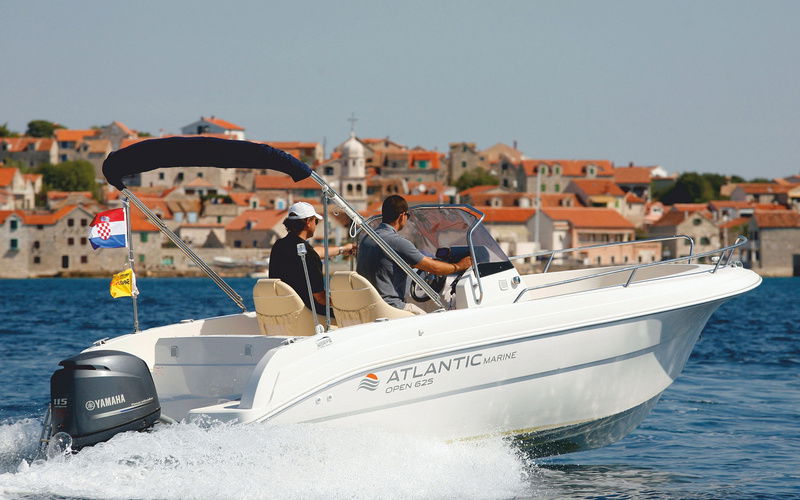
Atlantic Open 625
Outboard four-stroke, Unleaded, 1x 200 HP
Power Boats 2013 Atlantic Open 625: A Practical Guide to Buying, Checking, and Enjoying This Compact Cruiser
If you’re looking into the 2013 Atlantic Open 625, you’re probably trying to answer a few very normal boat-buying questions: Is it a...
Discover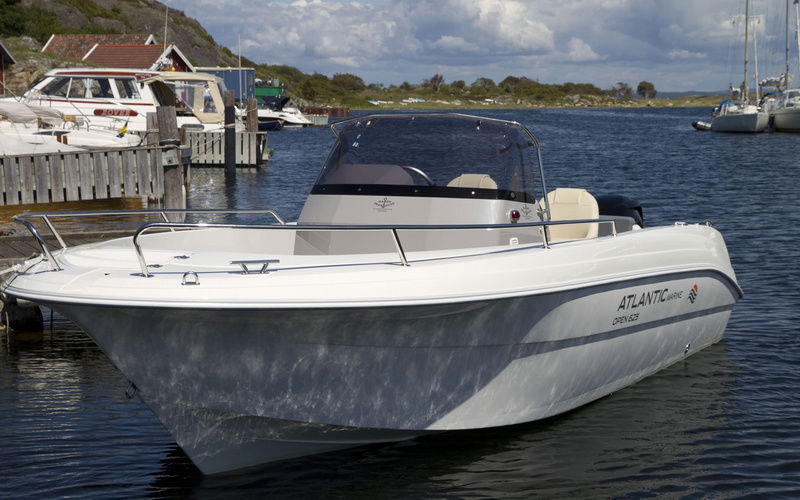

Images have been gathered from various sources and belong to their respective owners.
Review - Atlantic Open 625

MarineBroker
06/03/2024, 11:19 AM
2013 Atlantic Open 625: A Practical Guide to Buying, Checking, and Enjoying This Compact Cruiser
If you’re looking into the 2013 Atlantic Open 625, you’re probably trying to answer a few very normal boat-buying questions: Is it a good fit for my needs? What should I check before buying? And how do I avoid getting stuck with a boat that looks great on paper but needs expensive work later?
That’s the real challenge with any used boat, especially one in the 6.25-meter class. Boats like the 2013 Atlantic Open 625 can be a smart choice for day trips, coastal cruising, fishing, and family outings, but only if you know what to inspect and what setup suits your style of boating. The good news is that most issues are manageable when you know where to look.
In this guide, we’ll walk through what the Atlantic Open 625 is generally used for, what makes it appealing, what common problem areas buyers should watch for, and how to approach ownership in a practical way. Whether you’re comparing listings or already own one and want to get more out of it, this article will help you make a more confident decision.
- What Makes the 2013 Atlantic Open 625 Worth Considering
The 2013 Atlantic Open 625 sits in a sweet spot for many recreational boaters. It’s compact enough to be manageable, yet large enough to feel useful for real-world boating. That balance is one of the main reasons people search for this model in the first place.
For buyers, the appeal usually comes down to a few things:
- Easy handling compared with larger cabin boats
- Flexible open-deck layout for family and leisure use
- Good fit for coastal waters, lakes, and sheltered offshore conditions
- Lower running costs than bigger boats
- Simpler trailering, storage, and maintenance
This type of boat often attracts owners who want something practical rather than overly complicated. If your goal is to spend more time on the water and less time dealing with a huge vessel, a boat like the Atlantic Open 625 can make a lot of sense.
The key, though, is understanding what you’re actually buying. A boat’s age, condition, engine package, maintenance history, and previous use matter just as much as the model name.
- The Main Problem Buyers Face with a Used 2013 Atlantic Open 625
The biggest issue with buying any used boat is uncertainty.
With the 2013 Atlantic Open 625, the challenge is often not whether the boat is capable, but whether the specific example you’re looking at has been cared for properly. Two boats of the same model and year can feel completely different depending on storage, servicing, and how hard they’ve been used.
Common buyer concerns include:
- Hidden wear in the hull or deck
- Water intrusion around fittings or hardware
- Engine maintenance gaps
- Electrical issues from age or corrosion
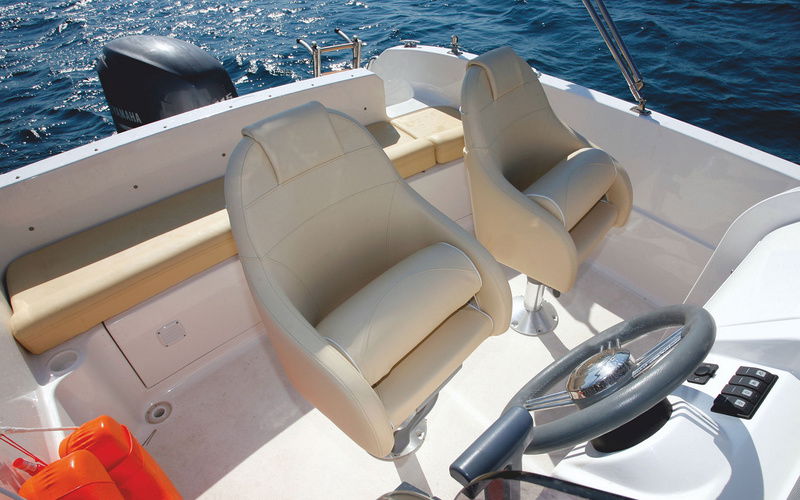
- Upholstery and trim wear
- Trailer condition, if included
- Outdated electronics or safety gear
This is where many buyers get caught. A boat may look clean during a quick walkthrough, but small problems can turn into expensive repairs later. That’s why the smartest approach is not just “Does it look good?” but “Has it been maintained well, and can I verify it?”
- How to Inspect a 2013 Atlantic Open 625 Before Buying
If you’re considering a 2013 Atlantic Open 625, a careful inspection is the best solution to avoid costly surprises. You do not need to be a marine mechanic to do a solid first-pass check.
Here’s a practical inspection checklist.
- Hull and Deck
Start with the hull. Look for:
- Cracks, repairs, or gelcoat damage
- Signs of impact near the keel, chines, and bow
- Soft spots on the deck
- Stress marks around cleats, rails, and fittings
Walk the deck slowly. If it flexes more than expected underfoot, that can indicate water damage or structural fatigue.
- Transom and Engine Mount Area
The transom is one of the most important areas on any powerboat.
Check for:
- Cracks around engine mounting points
- Discoloration or swelling
- Movement when pressure is applied
- Evidence of previous repairs
If the transom feels soft or sounds hollow in a bad way, that’s a red flag worth investigating further.
- Engine and Controls
The engine setup matters just as much as the hull.
Ask for:
- Service records
- Oil and filter change history
- Impeller replacement dates
- Fuel system maintenance
- Battery age
- Hours on the engine, if available
During a test run, pay attention to:
- Easy starting
- Smooth idle
- Clean acceleration
- No unusual vibration
- No overheating
- Proper steering response
Even if the boat itself is in decent shape, a neglected engine can quickly erase the value of the deal.
- Electrical System
Older boats often develop electrical quirks over time.
Check:
- Navigation lights
- Bilge pump
- Horn
- Switch panels
- Battery charging
- Fuse condition
- Wiring corrosion
Marine electrical issues can be frustrating because they’re often intermittent. A boat may work perfectly one day and act up the next if connections are weak or corroded.
- Upholstery and Interior Trim
This may seem cosmetic, but it tells you a lot about care and storage.
Look for:
- Sun damage
- Mold or mildew
- Torn stitching
- Water stains
- Brittle vinyl
- Loose fittings
A boat stored outdoors without proper cover is more likely to show these signs. That doesn’t automatically make it a bad boat, but it does affect value and future upkeep.
- Trailer, If Included
If the boat comes with a trailer, inspect it carefully.
Check:
- Tires and spare tire
- Bearings
- Lights
- Winch strap
- Brake function, if fitted
- Frame rust
- Bunks and rollers
A neglected trailer can be a hidden cost that you only discover after purchase.
- What to Ask the Seller About the 2013 Atlantic Open 625
Good questions can reveal more than a quick visual inspection.
Ask:
1. How long have you owned the boat?
2. Where was it stored?
3. How often was it serviced?
4. Has it been used in saltwater or freshwater?
5. Has it ever been in an accident or grounded?
6. Are there any known issues right now?
7. What comes with the sale?
8. Can I see receipts or maintenance records?
The answers matter because they help you understand the boat’s real history. A well-kept used boat often comes with paperwork, not just promises.
If the seller is vague, rushed, or unwilling to discuss maintenance, that’s worth noting.
- How the 2013 Atlantic Open 625 Fits Different Types of Boating
One reason people search for the 2013 Atlantic Open 625 is that it can suit several boating styles. That versatility is useful, but only if the boat matches your actual plans.
- Family Day Cruising
For relaxed outings, the open layout can work well. It gives passengers room to move, sit, and enjoy the ride without feeling cramped.
This is ideal if you want:
- Short coastal trips
- Swimming stops
- Picnics on the water
- Easy boarding and docking
- Fishing
If you like casual fishing, the boat’s size can be a good advantage. It’s manageable, easy to position, and usually simpler to outfit with basic fishing accessories.
Useful additions may include:
- Rod holders
- Cooler storage
- Marine chartplotter
- Washdown setup
- Extra storage bins
- Watersports
The boat may also work for towing lighter watersports gear, depending on engine configuration and load capacity. Always confirm the boat’s rated limits before using it this way.
- Coastal and Sheltered Water Use
This class of boat is often best suited to sheltered coastal areas, bays, and inland waters. That doesn’t mean it can’t handle more, but conditions and seamanship matter.
Always consider:
- Weather forecast
- Load onboard
- Sea state
- Fuel reserve
- Safety equipment
- The Best Solution: Buy Smart, Then Maintain Simple
The best way to get value from a 2013 Atlantic Open 625 is to combine a careful pre-purchase check with a simple maintenance routine after purchase.
That approach solves the biggest ownership problem: surprise repairs.
- Before Purchase
To reduce risk:
- Hire a marine surveyor if possible
- Do a sea trial
- Review service records
- Inspect the hull, engine, and trailer
- Budget for immediate servicing after buying
Even a good-looking used boat should be treated as “unknown” until proven otherwise.
- After Purchase
Once you own the boat, keep maintenance straightforward and consistent:
- Flush the engine after saltwater use
- Change fluids on schedule
- Keep the battery charged
- Clean and inspect fittings regularly
- Cover the boat when not in use
- Check bilge and drainage areas
- Rinse corrosion-prone hardware
Small habits go a long way. Boats usually fail from neglect, not from one giant problem.
- Common Upgrades That Make a Real Difference
If you already own a 2013 Atlantic Open 625, a few practical upgrades can improve comfort, safety, and usability without overcomplicating things.
Consider:
- Better seating cushions
- Modern GPS/chartplotter
- VHF radio
- Updated battery system
- LED navigation lights
- Extra storage solutions
- Quality boat cover
- Non-slip deck mats
These upgrades don’t need to be flashy. The goal is to make the boat easier and more enjoyable to use.
For many owners, the biggest improvement comes from simple reliability upgrades rather than cosmetic changes.
- How to Judge Value Without Overpaying
Boat pricing can feel confusing because condition matters so much. The same 2013 Atlantic Open 625 can be priced very differently depending on engine hours, equipment, and maintenance.
A fair-value approach looks at:
- Overall condition
- Engine age and hours
- Service history
- Electronics included
- Trailer condition
- Upholstery and cosmetic wear
- Local market demand
If a boat is priced higher, it should usually have something to justify that price, such as a newer engine, recent service, upgraded electronics, or excellent storage history.
If it’s priced lower than similar listings, ask why. Sometimes it’s a bargain. Sometimes it’s a repair bill waiting to happen.
- Practical Ownership Tips for Everyday Use
Once you’ve bought the boat, good habits make ownership easier.
Try these:
- Keep a simple logbook of service and fuel use
- Rinse salt off after every trip
- Inspect the propeller regularly
- Carry essential spares like fuses and clips
- Test safety gear before each season
- Store the boat properly to reduce weather damage
It also helps to do a 10-minute pre-launch check every time:
- Battery on
- Fuel enough
- Drain plug fitted
- Lights working
- Bilge clear
- Safety gear onboard
- Weather checked
That short routine can prevent a lot of headaches.
- Who the 2013 Atlantic Open 625 Is Best For
This model tends to suit boaters who want a practical, manageable platform rather than a large, high-maintenance vessel.
It may be a strong fit if you:
- Want a versatile day boat
- Prefer easy handling and trailering
- Boat with family or a small group
- Need something for lakes, bays, or calm coastal waters
- Value simplicity and lower running costs
It may be less ideal if you need:
- Large overnight accommodation
- Heavy offshore capability
- Lots of enclosed cabin space
- Very high passenger capacity
In other words, the 2013 Atlantic Open 625 is most attractive when your boating style is realistic and focused. It’s about enjoying the water comfortably, not trying to turn a compact open boat into something it was never meant to be.
- Conclusion
The 2013 Atlantic Open 625 can be a very practical choice for boaters who want a compact, versatile, and easy-to-manage vessel. The key is not just liking the model, but checking the specific boat carefully before buying and keeping up with simple maintenance afterward. That’s the real solution to avoiding expensive surprises.
If you’re comparing listings, focus on condition, service history, engine health, and overall setup rather than just appearance. A well-cared-for example can offer years of enjoyable use with relatively straightforward upkeep. If you want to go deeper, keep researching inspection tips, maintenance guides, and sea-trial checklists before making your final decision.
Specifications
General
Boat Type: Power Boats
Class Type: Centre Console
Specifications
Length: 19.82
Beam: 8.2
Draft: 1.31
Hull Material: GRP
Build
First Built: 2013
Propulsion
Fuel Type: Unleaded
Engines: 1
Power: 200 HP
Brand: Unknown
Accomodation
Bathrooms: 1
PROS & CONS
What we appreciated
 Sturdy and durable hull design suitable for various sea conditionsSpacious open deck layout providing ample room for passengersReliable and fuel-efficient engine optionsGood storage capacity for gear and equipmentEasy to maneuver and handle for both beginners and experienced boaters
What we didn’t appreciate
 Limited protection from weather due to open designBasic amenities compared to larger or more modern boatsMay not be ideal for long offshore tripsSome users report limited seating comfort over extended useOlder model, so some components may require maintenance or upgrades
Upkeep Costs
Fuel: Approximately $1,000 - $2,000 annually depending on usage
Maintenance and Repairs: Around $500 - $1,500 annually
Insurance: Typically $300 - $700 per year
Storage and Mooring: $600 - $1,200 per year
Registration and Licensing: $50 - $150 per year
Rating
6.1
User
Score
Score
Driveability
Technology
Interior
Design
Similar Boats


MarineBroker
Download now for an immersive boat experience like never before! ⛵✨ Your journey begins with a simple click. 🌊📲
#SetSailSmart #DownloadNow
#SetSailSmart #DownloadNow

Subscribe
Copyright 2017 - 2026, Marinebroker.net, All Rights Reserved