2001 Atlantic 50: What Buyers and Owners Should Know Before Making a Move
The 2001 Atlantic 50 is one of those yachts that tends to catch attention for all the right reasons. It has classic lines, a serious cruising presence, and...
Discover

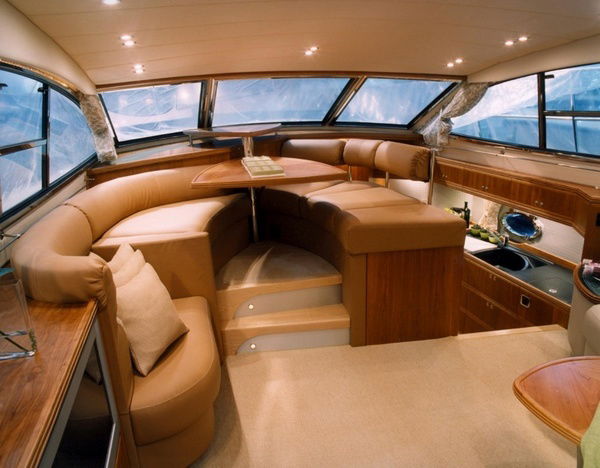
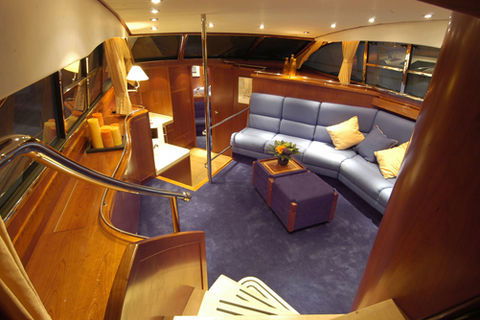
Images have been gathered from various sources and belong to their respective owners.
Review - Atlantic 50

MarineBroker
06/03/2024, 10:47 AM
2001 Atlantic 50: What Buyers and Owners Should Know Before Making a Move
The 2001 Atlantic 50 is one of those yachts that tends to catch attention for all the right reasons. It has classic lines, a serious cruising presence, and the kind of layout that makes people start imagining weekend escapes, coastal runs, and longer stays aboard. But if you’re researching this boat, chances are you’re not just admiring the looks. You’re probably trying to answer a more practical question: is it a smart buy, and what should you watch out for?
That’s the real challenge with a used yacht like the 2001 Atlantic 50. Boats of this size and age can be fantastic, but only if you know what you’re getting into. Hidden maintenance issues, outdated systems, and survey surprises can turn a dream purchase into an expensive headache. On the flip side, a well-kept Atlantic 50 can deliver excellent value, comfortable cruising, and a lot of boat for the money.
In this article, we’ll break down the key things to know about the 2001 Atlantic 50, the common problem areas to check, and the practical steps that can help you make a confident decision.
- Why the 2001 Atlantic 50 still appeals to buyers
- Common issues to inspect before purchase
- How to evaluate maintenance, systems, and structure
- Smart ownership tips to reduce long-term costs
- Why the 2001 Atlantic 50 Still Gets Attention
The 2001 Atlantic 50 sits in a sweet spot for many buyers. It’s large enough to offer real comfort, but not so massive that it becomes unmanageable for experienced private owners. That balance is a big part of the appeal.
For people interested in this model, the attraction usually comes down to a mix of style, space, and cruising capability. It’s the kind of yacht that can work well for entertaining, extended weekends, or even longer passages depending on how it’s equipped and maintained.
Another reason this model stays on the radar is value. Compared with newer yachts of similar size, a 2001 boat can often be far more accessible. Of course, that lower purchase price comes with a catch: older yachts usually need more careful inspection and a realistic maintenance budget.
That’s why the smartest buyers don’t start with “How much does it cost?” They start with “What condition is it really in?”
- The Main Problem: Age-Related Wear Can Hide the Real Cost
The biggest issue with a 2001 Atlantic 50 is not necessarily the model itself. It’s the age of the boat and how the previous owner maintained it.
At this point, many boats from 2001 are dealing with some combination of:
- tired mechanical systems
- outdated electronics
- cosmetic wear
- moisture intrusion
- deferred maintenance
- original equipment reaching end-of-life
That doesn’t mean the boat is a bad choice. It just means the true cost of ownership may be much higher than the asking price suggests.
A lot of buyers get focused on the hull and the overall look, but the expensive problems often live below the surface. Engines, generators, pumps, wiring, seals, and structural moisture issues can all add up quickly. A boat that looks clean on the dock may still need tens of thousands in upgrades or repairs.
The practical solution is simple: evaluate the boat as a system, not just as a pretty hull and interior.
- What to Check First on a 2001 Atlantic 50
If you’re considering this yacht, start with the areas that most often create trouble on older boats.
- Hull and Deck Condition
Look closely for signs of water intrusion, stress cracks, blistering, and previous repairs. Pay special attention around deck fittings, hatches, rails, and windows.
Soft spots in the deck can indicate core damage, which is often expensive to fix. Even small leaks can lead to bigger structural and cosmetic problems if ignored.
- Engines and Mechanical Systems
Engine condition is one of the biggest factors in buying any used yacht. Ask for service records, oil analysis if available, and recent maintenance history.
Check for:
- oil leaks
- coolant issues
- unusual smoke
- vibration
- overheating history
- worn mounts or couplings
If the engines have been regularly serviced and documented, that’s a major plus. If not, budget conservatively.
- Generator and Electrical Systems
A generator may seem like a bonus, but on a yacht this size it’s often a core system. Make sure it starts easily, runs smoothly, and supports the boat’s electrical load.
Also inspect:
- battery banks
- chargers and inverters
- shore power connections
- breaker panels
- wiring condition
- corrosion at terminals
Older electrical systems can be functional but outdated. That’s not always a dealbreaker, but it can mean future upgrades.
- Plumbing and Tanks
Freshwater, wastewater, and fuel systems should all be inspected for leaks, odors, and corrosion. Tanks can be hard to access, which is why problems are sometimes missed until later.
Watch for:
- weak pumps
- slow drains
- pump-out issues
- tank leaks
- hose deterioration
- odor in lockers or bilges
Bad hoses or neglected plumbing are common on older yachts and are usually best addressed early.
- Interior Wear and Moisture
The interior tells you a lot about how the boat has been used. Look for stains, warped wood, soft flooring, and mildew smells.
These may seem cosmetic, but they can also point to:
- hidden leaks
- poor ventilation
- aging seals
- long-term humidity problems
A clean, dry interior usually suggests better overall care.
- Survey and Sea Trial: Don’t Skip Either One
If you’re serious about a 2001 Atlantic 50, a survey and sea trial are not optional. They are the best tools you have for separating a good boat from a risky one.
A professional survey can reveal issues that a casual walkthrough never will. The surveyor should inspect the hull, structure, systems, safety gear, and general condition. If possible, choose someone with experience in larger motor yachts and older fiberglass vessels.
The sea trial matters just as much. A boat can look fine at the dock and still show problems under load. During the trial, pay attention to:
- engine temperature
- acceleration
- steering response
- vibration
- shifting
- exhaust smoke
- electronics performance
- noise levels
If something feels off, trust that instinct. Boats often tell you their story when they’re underway.
- Budgeting Beyond the Purchase Price
One of the most common mistakes buyers make is treating the asking price as the main number. For a 2001 Atlantic 50, that’s rarely the full picture.
A better approach is to estimate three separate costs:
- purchase price
- immediate repairs or upgrades
- annual operating expenses
Immediate repairs might include batteries, hoses, impellers, filters, canvas, electronics, or safety gear. Even a well-kept yacht may need a few thousand dollars of attention right away.
Annual costs can include:
- haul-out and bottom work
- insurance
- dockage or storage
- routine engine service
- generator service
- cleaning and detailing
- unexpected repairs
A useful rule of thumb: older yachts deserve a maintenance reserve. If you can’t comfortably handle surprise expenses, it may be smarter to wait or choose a smaller, simpler boat.
- How to Tell if the 2001 Atlantic 50 Has Been Well Maintained
Maintenance history is often more important than model reputation. A well-cared-for older yacht can outperform a neglected newer one.
Signs of good maintenance include:
- detailed service records
- clean engine room
- labeled wiring and systems
- updated hoses and clamps
- recent battery replacement
- evidence of regular use
- receipts for major work
- clean bilges with minimal oil or water
On the other hand, warning signs include:
- missing service logs
- fresh paint hiding corrosion
- excessive caulking as a “fix”
- mismatched hardware
- neglected filters or fluids
- mildew, odor, or dampness
- too many “it just needs a little work” explanations
If the seller can’t explain recent maintenance clearly, that’s worth taking seriously.
- The Best Solution: Buy Based on Condition, Not Emotion
The practical solution for anyone interested in the 2001 Atlantic 50 is to treat the buying process like a condition assessment, not a romance.
That doesn’t mean you should ignore the boat’s appeal. It just means you should let facts lead the decision.
A good process looks like this:
1. Review maintenance records before visiting.
2. Inspect the boat carefully in daylight.
3. Bring in a qualified surveyor.
4. Sea trial the vessel under realistic conditions.
5. Estimate post-purchase costs before making an offer.
6. Use findings to negotiate or walk away.
This approach protects you from overpaying for a boat that needs major work. It also helps you identify a strong example that may be worth paying a bit more for.
In many cases, the best value is not the cheapest Atlantic 50 on the market. It’s the one with the clearest history and the least hidden work.
- Common Upgrades That Can Improve Ownership
If you do buy a 2001 Atlantic 50, a few upgrades can make ownership easier and more enjoyable.
- Updated Navigation Electronics
Older chartplotters, radar units, and displays may still function, but modern systems are often easier to use and more reliable.
- Fresh Batteries and Charging Components
This is one of the simplest ways to improve reliability. A healthy electrical foundation reduces frustration on the water.
- New Hoses, Seals, and Clamps
These are not glamorous upgrades, but they help prevent leaks and failures.
- Modern Safety Equipment
Fire suppression, bilge alarms, carbon monoxide detectors, and updated life-saving gear all improve peace of mind.
- Improved Ventilation and Climate Control
Older yachts can benefit from better airflow, especially in warm or humid climates. That helps with both comfort and interior preservation.
These updates don’t just improve the boat. They also make it easier to enjoy, which is the whole point.
- Ownership Tips for Keeping Costs Under Control
Once you own a 2001 Atlantic 50, the goal is to stay ahead of problems instead of reacting to them.
A few habits go a long way:
- run the boat regularly
- flush systems after use
- inspect bilges often
- keep batteries charged
- clean and dry the interior
- service engines on schedule
- fix small leaks immediately
- document every repair
Regular use and routine care are usually cheaper than major catch-up maintenance. Boats deteriorate faster when they sit unused, especially in humid or salty environments.
It also helps to build a relationship with a mechanic or yard that knows larger yachts. Familiarity can save time, reduce mistakes, and make troubleshooting easier.
- Who the 2001 Atlantic 50 Makes Sense For
This model tends to fit buyers who want a substantial yacht and are comfortable with older-boat ownership. It’s a better match for someone who values layout, presence, and cruising comfort over the latest features.
It may be a good fit if you:
- understand survey reports
- have a realistic maintenance budget
- want a capable used yacht at a lower entry price
- are willing to update systems over time
- prefer character and space over brand-new finishes
It may not be ideal if you want a turn-key boat with minimal upkeep and modern systems already in place. In that case, a newer vessel may be the better long-term choice.
- Final Thoughts Before You Buy
The 2001 Atlantic 50 can be a rewarding yacht for the right buyer, but the key is knowing where the risks are. Like many older boats, its value depends less on the badge and more on the condition, maintenance history, and quality of inspection.
If you approach it carefully, the boat can offer a lot: space, style, and the kind of cruising experience many owners want. The smartest move is to focus on evidence, not assumptions, and budget for the real cost of ownership from day one.
If you’re researching this model seriously, take your time, ask for records, and let a thorough survey guide your decision. That’s the best way to turn a promising boat into a confident purchase.
Specifications
General
Boat Type: Power Boats
Class Type: Flybridge
Specifications
Length: 49.18
Beam: 14.76
Draft: 4
Hull Material: GRP
Build
First Built: 2001
Propulsion
Fuel Type: Diesel
Engines: 2
Power: 435 HP
Brand: Vovo Penta
Accomodation
Cabins: 3
PROS & CONS
What we appreciated
 Spacious interior with multiple cabins suitable for families or groupsSolid build quality typical of Atlantic yachtsGood performance and handling for a boat of its sizeWell-equipped with comfortable living amenitiesAmple deck space for relaxation and entertaining
What we didn’t appreciate
 Older model, so may require more maintenance and updatesFuel consumption can be high due to size and engine typeLimited availability of spare parts due to ageElectronics and onboard systems may be outdatedResale value may be lower compared to newer models
Upkeep Costs
Hull and engine maintenance: $5,000 - $10,000 per year
Fuel: $3,000 - $6,000 per year (depending on usage)
Insurance: $1,500 - $3,000 per year
Docking and mooring fees: $2,000 - $5,000 per year
Winter storage and haul-out: $1,000 - $3,000 per year
Rating
6.8
User
Score
Score
Driveability
Technology
Interior
Design
Similar Boats


MarineBroker
Download now for an immersive boat experience like never before! ⛵✨ Your journey begins with a simple click. 🌊📲
#SetSailSmart #DownloadNow
#SetSailSmart #DownloadNow

Subscribe
Copyright 2017 - 2026, Marinebroker.net, All Rights Reserved