Boat Database » Astondoa Sonrisa Septimo
Astondoa Sonrisa Septimo
Inboard Direct-Drive, Diesel, 3x 1180 HP
Power Boats 1997 Astondoa Sonrisa Septimo: What Buyers and Owners Should Know Before Making a Move
The 1997 Astondoa Sonrisa Septimo is the kind of boat that catches your eye for a reason. It has that classic late-90s European styling, a rep...
Discover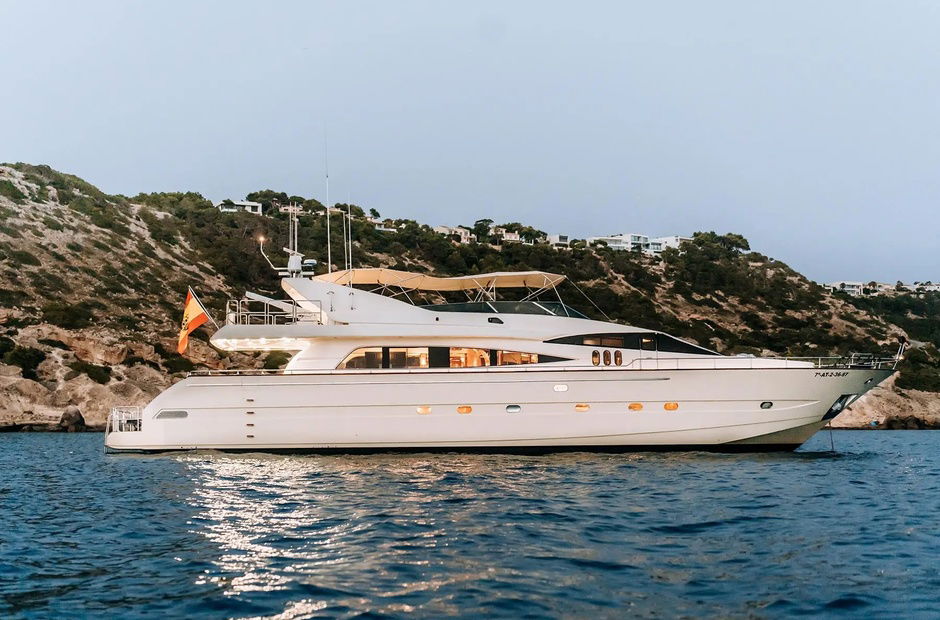
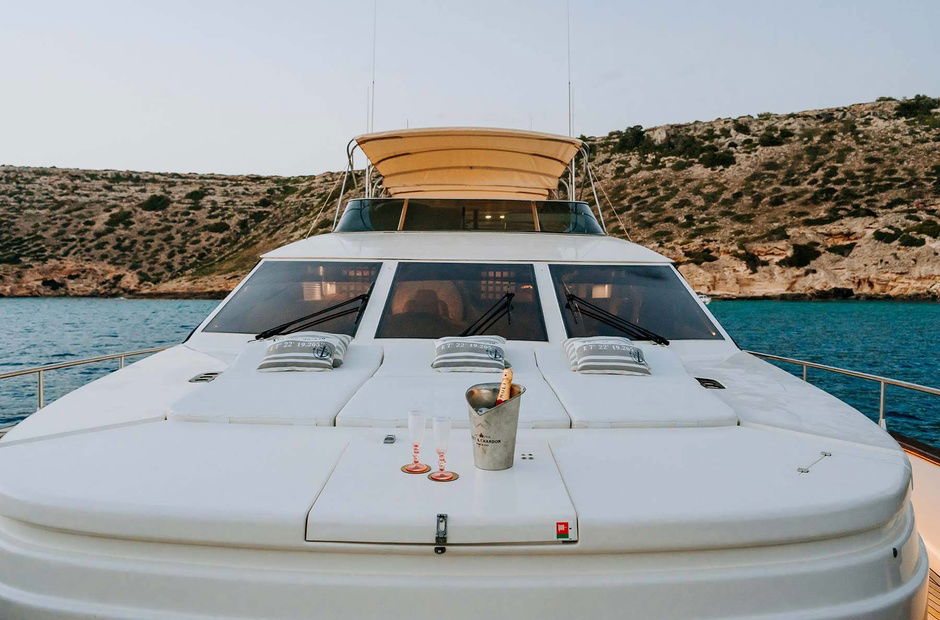
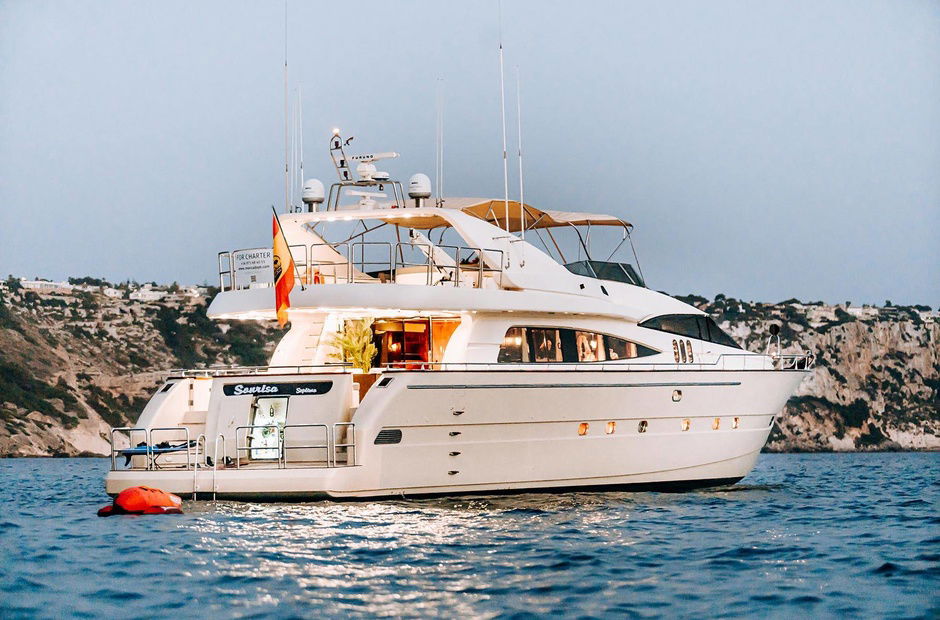

Images have been gathered from various sources and belong to their respective owners.
Review - Astondoa Sonrisa Septimo

MarineBroker
06/03/2024, 6:02 AM
1997 Astondoa Sonrisa Septimo: What Buyers and Owners Should Know Before Making a Move
The 1997 Astondoa Sonrisa Septimo is the kind of boat that catches your eye for a reason. It has that classic late-90s European styling, a reputation for solid build quality, and the charm that many modern boats simply can’t fake. But if you’re searching for this specific model, chances are you’re not just admiring it from afar—you’re trying to figure out whether it’s still a smart buy, how to maintain it, and what hidden issues might come with a yacht of this age.
That’s a fair question. Boats from the 1990s can offer excellent value, but they also come with the usual aging-boat concerns: systems wear out, maintenance history matters, and cosmetic condition can hide bigger mechanical problems. The good news is that most of these issues are manageable if you know what to look for. In this article, we’ll walk through the key things buyers and owners should check on a 1997 Astondoa Sonrisa Septimo, the common problem areas to watch, and the practical steps that can help you enjoy the boat with fewer surprises.
- Why the 1997 Astondoa Sonrisa Septimo Still Gets Attention
The Astondoa brand has long been associated with craftsmanship, especially in the European motor yacht market. A 1997 Sonrisa Septimo sits in that sweet spot where older design meets relatively robust construction, which can make it appealing to buyers looking for character and value.
For many people, the attraction is simple:
- It offers more boat for the money than many newer entry-level yachts.
- The layout often feels spacious and practical for cruising.
- The styling has aged well, especially compared with some boxier designs of the era.
But there’s a catch. Older yachts can look great in photos while hiding issues in the systems, structure, or maintenance record. So the real question is not just, “Is it a nice boat?” but “Is this specific boat a good example?”
That’s where a careful inspection and a realistic ownership plan make all the difference.
- The Main Problem: Age-Related Wear and Unknown Maintenance
When people search for a 1997 Astondoa Sonrisa Septimo, the biggest concern is usually not the brand itself. It’s the age of the vessel.
At nearly three decades old, the boat may have experienced:
- Engine wear
- Electrical system aging
- Plumbing deterioration
- Upholstery and interior fatigue
- Gelcoat or hull cosmetic issues
- Outdated navigation electronics
Even a well-kept yacht can develop problems simply from time, moisture, vibration, and regular use. The challenge is that some issues are obvious, while others are hidden behind clean surfaces.
For example, a boat may have freshly polished topsides and a tidy cabin, but still need expensive work on fuel lines, cooling systems, or shaft seals. That’s why the smartest approach is not to assume the boat is “good because it looks good.” Instead, focus on verification.
- What Makes a 1997 Astondoa Sonrisa Septimo Worth Considering
Despite the age-related concerns, there are solid reasons this model remains interesting to buyers.
A well-maintained 1997 Astondoa Sonrisa Septimo can offer:
- Sturdy construction typical of many Astondoa yachts
- Comfortable cruising layout
- Good space utilization for family use or entertaining
- A classic profile that still looks elegant
- Potentially strong value compared with newer boats
If the boat has been properly serviced and updated, it can be a very enjoyable platform for coastal cruising, weekend trips, or even longer stays onboard.
The key phrase there is “properly serviced.” That’s where the real value lies.
- The Most Common Areas to Inspect on an Older Astondoa Yacht
If you’re evaluating a 1997 Astondoa Sonrisa Septimo, don’t start with the cushions or the stereo. Start with the systems that keep the boat safe, dry, and moving.
- Engines and propulsion
This is usually the biggest ticket item. Check:
- Service records
- Oil condition
- Cooling system performance
- Exhaust elbows and hoses
- Engine mounts
- Shaft alignment
- Gearbox operation
Look for signs of overheating, smoke, vibration, or uneven running. If the engines start easily and run cleanly, that’s a good sign, but it’s not enough on its own. A proper sea trial matters.
- Electrical system
Older boats often suffer from messy or aging wiring. Watch for:
- Corrosion at terminals
- Non-original modifications
- Inconsistent charging
- Weak batteries
- Tripped breakers
- Flickering lights or intermittent equipment
Electrical problems can be frustrating because they often appear random. A professional surveyor or marine electrician can help identify unsafe or overloaded circuits before they become a bigger issue.
- Plumbing and tanks
Freshwater, black water, and fuel systems all age over time. Inspect:
- Hoses for cracking
- Pump operation
- Tank condition
- Bilge moisture
- Odors that suggest leaks or stagnation
A strong smell of fuel or sewage should never be ignored. It may point to a simple hose replacement, but it can also indicate more serious issues.
- Deck and hull condition
Check the hull for:
- Osmosis blisters
- Previous repairs
- Stress cracks
- Soft spots on deck
- Water intrusion around fittings
A boat can be structurally sound and still need cosmetic or moisture-related repairs. The issue is cost, not just appearance. Moisture around deck fittings, windows, or rail bases can lead to long-term damage if ignored.
- Interior condition
Inside the boat, look for:
- Musty smell
- Staining on headliners
- Soft wood panels
- Loose trim
- Mold in hidden corners
Interior wear often tells a story. A clean cabin is nice, but don’t let fresh upholstery distract you from signs of leaks or poor ventilation.
- How to Tell Whether the Boat Has Been Cared For Properly
One of the best ways to solve the uncertainty around an older yacht is to look for evidence of consistent maintenance.
A well-cared-for 1997 Astondoa Sonrisa Septimo usually shows:
- Organized service records
- Regular engine oil and filter changes
- Replaced hoses and belts
- Updated batteries
- Clean bilges
- Functional pumps and alarms
- Evidence of winterization or seasonal storage
Ask direct questions such as:
- When were the engines last serviced?
- Have the fuel lines been replaced?
- Are the sea cocks original?
- Has the boat had any water intrusion?
- When were the batteries and chargers last updated?
If the seller can answer clearly and provide documentation, that’s a strong positive sign. If the answers are vague or inconsistent, proceed carefully.
- The Practical Solution: Use a Step-by-Step Evaluation Process
The best solution to buying or owning an older boat like the 1997 Astondoa Sonrisa Septimo is to use a structured inspection process. That reduces risk and helps you avoid emotional decisions.
- Step 1: Review the paperwork first
Before you even inspect the boat in detail, ask for:
- Registration documents
- Maintenance history
- Engine service logs
- Previous survey reports
- Proof of major upgrades
- Ownership history
Paperwork can reveal whether the boat has been regularly maintained or simply patched up when problems appeared.
- Step 2: Inspect the boat in daylight
Never rely only on dockside evening viewing. Natural light helps you see:
- Gelcoat imperfections
- Corrosion
- Water stains
- Poor repairs
- Fading or mismatched finishes
A boat that looks tidy in dim light may tell a different story in daylight.
- Step 3: Run the systems
Turn on and test as much as possible:
- Engines
- Generator
- Air conditioning
- Pumps
- Navigation electronics
- Windlass
- Lights
- Toilets
- Bilge alarms
Many buyers focus on the engines and forget the rest. But auxiliary systems can add up quickly if several need replacement.
- Step 4: Hire a marine surveyor
This is one of the smartest investments you can make. A qualified surveyor can identify issues you might miss, especially with older fiberglass construction, hidden moisture, or structural concerns.
If propulsion is inboard, consider an engine specialist as well. The survey may cost money up front, but it can save you from expensive surprises later.
- Step 5: Sea trial the boat
A sea trial reveals how the boat behaves under load. Pay attention to:
- Acceleration
- Steering response
- Engine temperature
- Vibration
- Noise levels
- Trim behavior
- Fuel burn, if measurable
A boat that feels smooth and stable underway is usually a better candidate than one that struggles to perform or shows unexplained vibration.
- Common Ownership Problems and How to Handle Them
Even after purchase, older boats need ongoing attention. The good news is that many common issues on a 1997 Astondoa Sonrisa Septimo are manageable if you stay ahead of them.
- Problem: Aging hoses and seals
Solution: Replace them proactively. Don’t wait for a leak. Fuel hoses, coolant hoses, and shaft seals should be inspected regularly and renewed when they show age.
- Problem: Corrosion in electrical connections
Solution: Clean, protect, and re-terminate as needed. Use marine-grade components and avoid household wiring shortcuts.
- Problem: Moisture intrusion
Solution: Track down the source early. Re-bed fittings, inspect window seals, and keep the bilge dry. Moisture is much easier to fix when caught early.
- Problem: Outdated electronics
Solution: Upgrade in stages. You don’t need to replace everything at once. Start with essential navigation and safety equipment, then move to comfort features.
- Problem: Deferred maintenance
Solution: Build a seasonal maintenance schedule. Older boats stay reliable when maintenance becomes routine rather than reactive.
- Upgrades That Make Sense on a 1997 Astondoa Sonrisa Septimo
Not every upgrade needs to be expensive or flashy. The best improvements are the ones that improve safety, reliability, and usability.
Useful upgrades often include:
- Modern chartplotter and AIS
- New batteries and charger
- LED lighting
- Fresh upholstery
- Updated VHF radio
- Replaced bilge pumps
- Modern fire extinguishers and safety gear
- New canvas or enclosure materials
These upgrades can make the boat more enjoyable without changing its character. In many cases, they also improve resale appeal.
- Budgeting for Ownership the Smart Way
One of the most common mistakes with older yachts is underestimating ongoing costs. If you’re considering a 1997 Astondoa Sonrisa Septimo, plan beyond the purchase price.
A realistic budget should include:
- Annual maintenance
- Haul-out and bottom work
- Insurance
- Engine servicing
- Unexpected repairs
- Electronics or upholstery refreshes
A good rule of thumb is to keep a reserve fund for surprises. Older boats are often rewarding, but they rarely stay cheap if they are neglected. Planning ahead helps you enjoy the boat without constant stress.
- Who Is This Boat Best Suited For?
The 1997 Astondoa Sonrisa Septimo is a better fit for buyers who value character and are willing to stay on top of maintenance.
It may suit you if you:
- Want a classic yacht with practical cruising comfort
- Appreciate solid build and traditional styling
- Are comfortable with periodic upgrades
- Prefer value over brand-new perfection
- Have access to a good marine mechanic or yard
It may not be ideal if you want a turn-key boat with minimal upkeep. Older yachts can be fantastic, but they reward owners who are proactive.
- Final Buying Tips for a Better Decision
If you’re seriously considering a 1997 Astondoa Sonrisa Septimo, keep these final tips in mind:
- Never skip the survey.
- Treat service records as important as appearance.
- Budget for repairs even if the boat looks clean.
- Focus on structure and systems before cosmetics.
- Use a sea trial to confirm real-world performance.
- Be patient if the first example you see isn’t right.
The right boat is worth waiting for. In the older yacht market, condition matters far more than the name on the hull.
- Conclusion
The 1997 Astondoa Sonrisa Septimo can be a very appealing yacht for buyers who want classic style, practical cruising space, and a solid platform with real personality. The main challenge is age-related wear, which can affect engines, wiring, plumbing, and structural details if the boat hasn’t been maintained properly.
The best solution is a careful, methodical approach: review records, inspect thoroughly, sea trial the boat, and bring in a qualified surveyor. If the example you’re considering has been well cared for, it can offer excellent value and plenty of enjoyment. For anyone researching this model, the goal is simple—buy the boat with your eyes open, and you’ll have a much better chance of making a smart, satisfying choice.
Specifications
General
Boat Type: Power Boats
Class Type: Mega Yacht
Specifications
Length: 94.82
Beam: 20.34
Draft: 5.91
Hull Material: GRP
Build
First Built: 1997
Propulsion
Fuel Type: Diesel
Engines: 3
Power: 1180 HP
Brand: Man
Accomodation
Cabins: 4
PROS & CONS
What we appreciated
 Classic and elegant design with timeless appealSpacious interior layout suitable for comfortable cruisingSolid build quality from a reputable Spanish yacht builderGood performance with reliable engine options for its classAmple deck space for relaxation and socializing
What we didn’t appreciate
 Older model may require more maintenance and updatesLimited availability of modern onboard technology and amenitiesPotentially higher fuel consumption compared to newer boatsSpare parts might be harder to source due to ageInterior styling may feel outdated to some buyers
Upkeep Costs
Annual maintenance and servicing: $10,000 - $20,000
Fuel: $15,000 - $30,000 per year (depending on usage)
Docking and mooring fees: $5,000 - $15,000 per year
Insurance: $3,000 - $7,000 per year
Winter storage and winterization: $2,000 - $5,000 per year
Rating
6.3
User
Score
Score
Driveability
Technology
Interior
Design
Similar Boats


MarineBroker
Download now for an immersive boat experience like never before! ⛵✨ Your journey begins with a simple click. 🌊📲
#SetSailSmart #DownloadNow
#SetSailSmart #DownloadNow

Subscribe
Copyright 2017 - 2026, Marinebroker.net, All Rights Reserved