Boat Database » Astilleros de Mallorca Elysium
Astilleros de Mallorca Elysium
Inboard Direct-Drive, Diesel, 2x 0 HP
Power Boats 1999 Astilleros de Mallorca Elysium: A Practical Guide to Buying, Maintaining, and Enjoying This Classic Yacht
The 1999 Astilleros de Mallorca Elysium is the kind of yacht that tends to catch people’s attention for all the right ...
Discover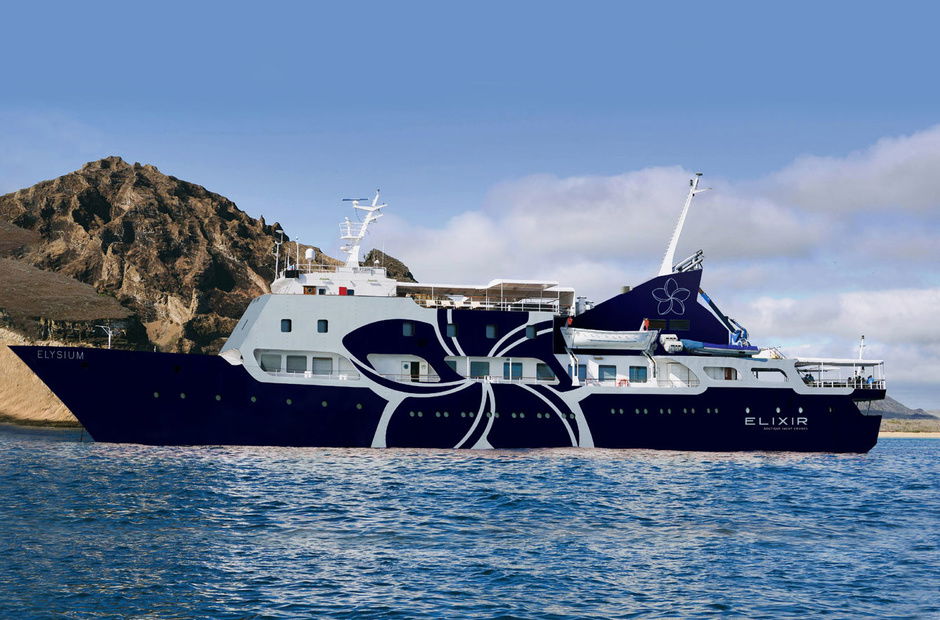
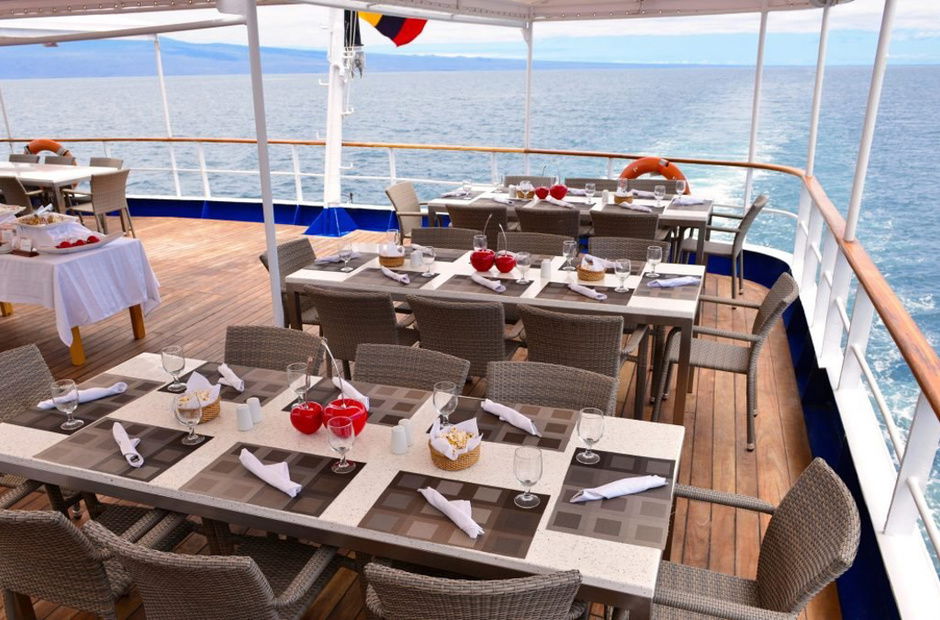
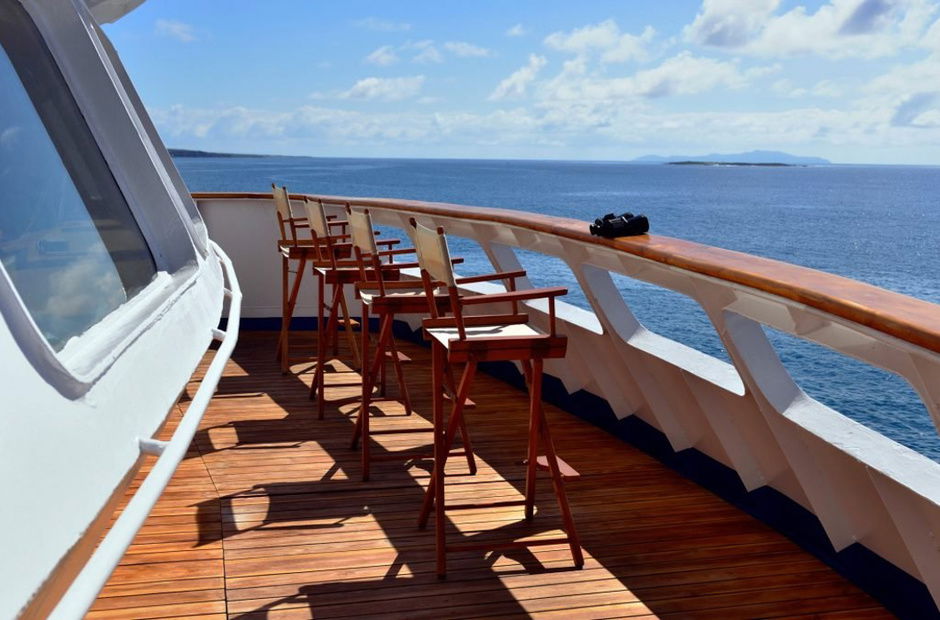
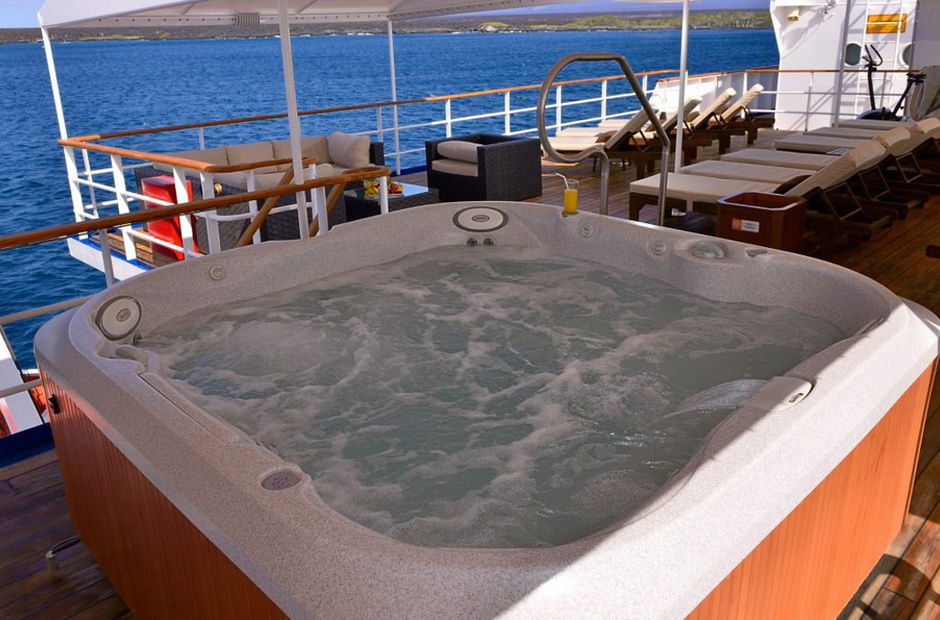
Images have been gathered from various sources and belong to their respective owners.
Review - Astilleros de Mallorca Elysium

MarineBroker
05/28/2024, 12:11 PM
1999 Astilleros de Mallorca Elysium: A Practical Guide to Buying, Maintaining, and Enjoying This Classic Yacht
The 1999 Astilleros de Mallorca Elysium is the kind of yacht that tends to catch people’s attention for all the right reasons. It has the presence, craftsmanship, and timeless character that many boat buyers and enthusiasts are looking for, especially when they want something with real pedigree rather than a modern boat that feels a little too generic. But if you’re interested in this yacht, you’re probably also facing a very practical question: how do you judge whether a classic yacht like this is still a smart choice today?
That’s the real challenge with older luxury yachts. They can look fantastic on paper and in photos, but the true value depends on condition, maintenance history, refit quality, and how well the boat has been cared for over the years. Without that knowledge, it’s easy to overpay, underestimate future costs, or miss signs of wear that matter later.
The good news is that with the right approach, you can evaluate a yacht like the 1999 Astilleros de Mallorca Elysium with confidence. In this guide, we’ll walk through what makes it appealing, what to inspect, what problems to watch for, and how to decide whether it’s the right boat for your needs.
- What Makes the 1999 Astilleros de Mallorca Elysium Stand Out?
Astilleros de Mallorca has long been associated with craftsmanship, attention to detail, and a more traditional approach to yacht building. Boats from this yard often appeal to buyers who appreciate quality construction, elegant lines, and a more custom feel than mass-produced alternatives.
The 1999 Astilleros de Mallorca Elysium is especially interesting because it sits in that sweet spot where classic design meets practical cruising capability. For many buyers, that means:
- A yacht with strong visual appeal
- A more refined onboard atmosphere
- Solid build quality from a respected builder
- A layout and finish that may feel more unique than newer production yachts
That said, older yachts are never just about beauty. They are about condition. A well-kept 1999 yacht can be a pleasure to own, while a neglected one can become a costly project very quickly.
If you’re researching this specific yacht, the main goal is not just to admire it. It’s to understand whether it has been maintained in a way that preserves both safety and value.
- The Main Problem Buyers Face With Classic Yachts
The biggest issue people face when considering a yacht like the 1999 Astilleros de Mallorca Elysium is uncertainty.
Unlike buying a newer boat with a clean service record and modern systems, older yachts often come with incomplete documentation, mixed maintenance histories, and hidden wear. Even when a yacht looks excellent during a viewing, the most expensive problems are often the ones you can’t see right away.
Common concerns include:
- Aging engines or generator systems
- Outdated electronics
- Moisture intrusion or hidden structural issues
- Worn upholstery, plumbing, and electrical systems
- Deferred maintenance from previous owners
- Refits that were done partially or inconsistently
This is why many buyers end up feeling stuck. They like the boat, but they’re not sure how to separate cosmetic charm from real long-term value.
The solution is a structured evaluation process. Instead of asking, “Does it look good?” ask, “Has it been maintained in a way that supports reliable use for the next several years?”
- How to Evaluate the 1999 Astilleros de Mallorca Elysium Properly
A smart inspection goes beyond a casual walkthrough. If you’re seriously interested in the 1999 Astilleros de Mallorca Elysium, you should approach it like a system check, not just a style check.
Focus on these areas:
- Hull and structure
- Engine room and mechanical systems
- Electrical systems
- Interior condition
- Navigation equipment
- Deck hardware and exterior fittings
- Maintenance records
A yacht can look polished on the outside while still needing major work underneath. On older boats, the condition of the systems matters just as much as the appearance.
If possible, bring in a marine surveyor and, if the boat is power-driven, a qualified marine mechanic. That extra cost is small compared with the price of discovering hidden issues after purchase.
- Hull and Structural Checks You Should Never Skip
The hull is the foundation of the boat, so this is one of the most important inspection areas. For a yacht from 1999, you want to know whether the structure has remained sound and dry.
Look for:
- Osmosis or blistering on fiberglass hulls
- Signs of repairs or fairing work
- Stress cracks around fittings and windows
- Soft spots on decks or around high-traffic areas
- Water intrusion in bulkheads or hidden compartments
If the boat has been stored properly and maintained regularly, these issues may be minimal. But if it has spent long periods unused or exposed to moisture, problems can build up quietly.
A moisture meter and a professional survey can reveal a lot. This is especially useful if the yacht has been repainted or cosmetically refreshed, because fresh finishes can sometimes hide deeper issues.
- Mechanical Systems: The Heart of the Yacht
For many buyers, the engine room tells the real story.
The 1999 Astilleros de Mallorca Elysium may have systems that are still very usable, but age matters. Even if the yacht hasn’t seen heavy use, hoses, seals, pumps, belts, and cooling components can deteriorate over time.
Check for:
- Engine hours and service history
- Oil and coolant condition
- Corrosion around fittings
- Fuel tank condition
- Exhaust system wear
- Generator performance
- Evidence of leaks or overheating
A clean engine room is a good sign, but it should also function well under load. Don’t rely only on visual condition. Ask for a sea trial if possible, and listen for unusual vibration, smoke, or hesitation.
If the engines are original, you should budget for potential upgrades or at least preventative maintenance. If they’ve been rebuilt or replaced, ask for receipts and documentation.
- Electrical and Navigation Systems: Often the First Area to Age
One of the most common issues on older yachts is outdated electrical and electronics equipment. Even when the boat is structurally excellent, older wiring or obsolete navigation systems can make ownership more frustrating than it should be.
Things to check include:
- Shore power setup
- Battery banks and charging systems
- Wiring condition
- Circuit labeling and panel organization
- Radar, chartplotter, autopilot, and VHF systems
- Lighting and switch function
- Grounding and bonding systems
Older yachts may have had upgrades over time, but not always in a clean or standardized way. Mixed-generation systems can create reliability issues if they weren’t integrated properly.
A practical solution is to identify what works, what needs replacement, and what can remain as-is. You may not need a full modernization immediately, but you should know the condition of the system before committing.
- Interior Condition: Comfort Matters, But So Does Moisture
The interior of the 1999 Astilleros de Mallorca Elysium may be one of its biggest selling points. Older custom yachts often have warm materials, fine joinery, and a more elegant feel than newer boats.
Still, the interior should be checked carefully for signs of age and water ingress.
Look for:
- Stains on ceilings or around windows
- Musty smells
- Delamination in wood panels
- Soft flooring
- Loose trim or cabinetry
- Worn upholstery
- Poor ventilation in cabins and storage spaces
A beautiful interior can hide years of use, especially if the boat has been refitted for appearance rather than function. Pay attention to moisture around portholes, hatches, and plumbing areas.
If the interior is dry, well-ventilated, and structurally sound, that’s a strong sign the yacht has been cared for properly.
- Maintenance Records: The Best Shortcut to Confidence
If there’s one thing that can make or break your decision, it’s documentation.
A yacht with a complete maintenance history is much easier to evaluate than one with vague answers and missing paperwork. Records can show whether the boat has been properly serviced, upgraded, and stored.
Ask for:
- Engine service logs
- Survey reports
- Refit invoices
- Parts replacement records
- Winter storage or yard records
- Insurance claim history
- Ownership timeline
This is especially helpful with a boat like the 1999 Astilleros de Mallorca Elysium, where condition may vary widely depending on how previous owners used it.
A well-documented yacht is usually less risky. Even if it needs work, at least you know what has already been addressed.
- Common Issues on a 1999 Yacht and How to Handle Them
Older yachts can absolutely remain excellent boats, but they usually need a more careful ownership mindset. Rather than expecting everything to be perfect, plan for a few predictable categories of work.
Here are the most common issues and the practical response:
1. Aging soft goods
- Upholstery, carpets, curtains, and cushions often wear first.
- Solution: budget for cosmetic refreshes without assuming structural problems.
2. Outdated electronics
- Navigation gear from the late 1990s may still function, but modern systems are more reliable and easier to use.
- Solution: prioritize a phased electronics upgrade.
3. Mechanical wear
- Engines, pumps, and cooling components may still be serviceable but need close inspection.
- Solution: insist on a mechanic’s report and sea trial.
4. Water intrusion
- Even small leaks can become expensive if ignored.
- Solution: inspect all windows, hatches, and deck fittings carefully.
5. Electrical quirks
- Older boats often have added equipment installed over time.
- Solution: have the system reviewed by a marine electrician.
The key is not to fear age. It’s to understand which age-related issues are normal and which ones signal poor upkeep.
- Budgeting for Ownership Without Surprises
One of the smartest things you can do when considering the 1999 Astilleros de Mallorca Elysium is build a realistic ownership budget.
A classic yacht may cost less to buy than a newer equivalent, but it can require more ongoing attention. That doesn’t make it a bad choice. It just means the purchase price is only part of the story.
Your budget should include:
- Survey and inspection costs
- Immediate safety or reliability repairs
- Cosmetic refreshes
- Annual maintenance
- Berthing or mooring fees
- Insurance
- Fuel and operating expenses
- Reserve funds for unexpected issues
A good rule of thumb is to avoid using every dollar in your purchase budget. Leave room for the first season of ownership, because that’s when hidden issues often appear.
If the yacht is already in strong condition, you may only need a modest refit. If not, the numbers can change quickly. That’s why a clear inspection is so important before you buy.
- Is the 1999 Astilleros de Mallorca Elysium Right for You?
This yacht is likely a strong fit if you value:
- Classic craftsmanship
- A more distinctive design
- Comfortable cruising
- A yacht with character
- The possibility of owning something less common
It may be less suitable if you want:
- A fully modern, turnkey boat with minimal maintenance
- The latest integrated technology
- Lower long-term upkeep demands
- A production-style ownership experience
In other words, the 1999 Astilleros de Mallorca Elysium is best for buyers who appreciate quality and are willing to evaluate a used yacht carefully. If you enjoy the process of preserving and improving a well-built boat, this kind of yacht can be very rewarding.
- Practical Steps Before You Buy
Before making a decision, here’s a simple checklist to follow:
- Review all available service records
- Hire a qualified marine surveyor
- Inspect the engine room in detail
- Test all electrical and navigation systems
- Check for moisture and structural issues
- Arrange a sea trial
- Get estimates for any needed repairs
- Compare total ownership cost, not just the asking price
This process may feel time-consuming, but it protects you from the most common mistakes buyers make with older yachts.
If the boat passes these checks, you’ll have a much stronger foundation for ownership. And if it doesn’t, you’ll save yourself from a costly regret.
- Why This Yacht Still Appeals to Serious Boaters
There’s a reason people continue searching for yachts like the 1999 Astilleros de Mallorca Elysium. A well-built classic yacht offers something that’s hard to manufacture: presence, warmth, and a sense of character.
For the right owner, that matters a lot.
The appeal is not just in how the yacht looks, but in how it feels to own and use. When maintained properly, a yacht like this can deliver a much more personal boating experience than many newer alternatives. It can also hold its charm over time, especially if upgrades are done thoughtfully rather than aggressively.
The best ownership experience comes from balance: preserving what makes the yacht special while improving the systems that affect safety and reliability.
- Conclusion
The 1999 Astilleros de Mallorca Elysium can be a very rewarding yacht for buyers who appreciate classic design and solid craftsmanship. The main challenge is not finding the boat itself, but evaluating it properly so you know what you’re really getting.
By focusing on structure, systems, maintenance records, and real ownership costs, you can separate a good opportunity from a risky one. If the yacht has been cared for well, it may offer a great mix of character, comfort, and value. If you’re still researching, take your time, use a qualified surveyor, and compare notes before making a final decision. A careful approach now can make all the difference later.
Specifications
General
Boat Type: Power Boats
Class Type: Mega Yacht
Specifications
Length: 209.97
Beam: 41.01
Draft: 11.48
Hull Material: Steel
Build
First Built: 1999
Propulsion
Fuel Type: Diesel
Engines: 2
Power: 0 HP
Brand: Unknown
Accomodation
Cabins: 25
PROS & CONS
What we appreciated
 Classic and elegant design from a reputable Spanish shipyardSolid build quality typical of Astilleros de Mallorca craftsmanshipSpacious deck layout suitable for socializing and relaxationGood sailing performance for a cruiser of its sizeWell-maintained models often retain good resale value
What we didn’t appreciate
 Older model, may require updates to electronics and systemsPotential for wear and tear on rigging and sails due to ageLimited availability of specific replacement partsInterior design may feel outdated compared to modern yachtsFuel efficiency and engine technology may lag behind newer boats
Upkeep Costs
Annual maintenance and repairs: $5,000 - $10,000
Docking and marina fees: $3,000 - $8,000 per year
Fuel costs: $2,000 - $6,000 depending on usage
Insurance: $1,000 - $3,000 per year
Winterization and storage: $1,000 - $2,500 annually
Rating
7.6
User
Score
Score
Driveability
Technology
Interior
Design
Similar Boats


MarineBroker
Download now for an immersive boat experience like never before! ⛵✨ Your journey begins with a simple click. 🌊📲
#SetSailSmart #DownloadNow
#SetSailSmart #DownloadNow

Subscribe
Copyright 2017 - 2026, Marinebroker.net, All Rights Reserved