Boat Database » Astillero Tecnao Catriel
Astillero Tecnao Catriel
Inboard Direct-Drive, Diesel, 1x 0 HP
Power Boats 1962 Astillero Tecnao Catriel: How to Evaluate, Restore, and Enjoy a Classic Boat with Confidence
If you’ve been searching for information about the 1962 Astillero Tecnao Catriel, chances are you’re trying to answer a pretty comm...
Discover
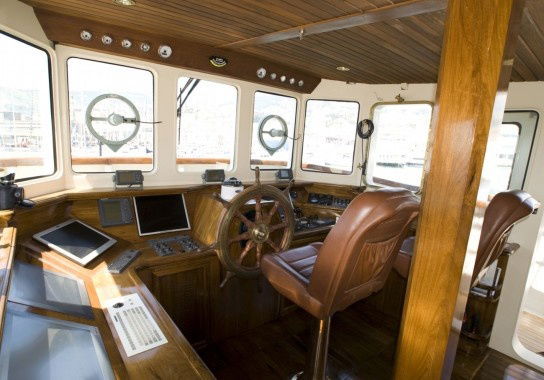


Images have been gathered from various sources and belong to their respective owners.
Review - Astillero Tecnao Catriel

MarineBroker
05/28/2024, 4:06 AM
1962 Astillero Tecnao Catriel: How to Evaluate, Restore, and Enjoy a Classic Boat with Confidence
If you’ve been searching for information about the 1962 Astillero Tecnao Catriel, chances are you’re trying to answer a pretty common question: *is this boat worth the effort, and what should I know before buying, restoring, or maintaining one?* That’s a smart question. Classic boats can be incredibly rewarding, but they can also hide issues that are easy to miss if you don’t know where to look.
The 1962 Astillero Tecnao Catriel sits in that interesting space where history, craftsmanship, and practical boating all meet. For enthusiasts, it’s not just about owning an old vessel. It’s about understanding what makes it special, what condition it’s really in, and how to keep it safe and usable on the water.
In this guide, we’ll break down the most important things to check, common problems that show up in vintage boats like this, and the best way to approach restoration or upkeep without getting overwhelmed. Whether you’re a collector, a first-time classic boat buyer, or just someone who loves old fiberglass and wood-era charm, this will help you make better decisions.
- What Makes the 1962 Astillero Tecnao Catriel Interesting
The 1962 Astillero Tecnao Catriel is the kind of boat that attracts people who appreciate character. Boats from this era often reflect a transitional period in boatbuilding, when design was becoming more modern but craftsmanship still mattered a lot.
Depending on the specific build and configuration, a boat like this may have:
- A simple, practical hull design
- Classic lines that are easy to recognize
- Materials and fittings that may not match modern standards
- A layout built for function rather than luxury
That mix is part of the appeal. You’re not just buying a boat; you’re buying a piece of boating history.
But here’s the catch: older boats can look good from a distance and still need serious attention underneath. That’s why anyone interested in the 1962 Astillero Tecnao Catriel should focus on condition, structure, and maintenance history before getting too attached.
- The Main Problem: Classic Boats Often Hide Expensive Surprises
The biggest challenge with vintage boats is simple: age creates uncertainty.
Even if the hull appears solid, there may be hidden issues such as:
- Water intrusion
- Rot in wood components
- Corrosion in metal fittings
- Cracked fiberglass
- Old wiring that no longer meets safe standards
- Engine problems from long storage or poor maintenance
With a boat from 1962, you should assume that some level of repair or refurbishment will be needed unless the vessel has already been carefully restored.
The problem is not just cost. It’s also planning. Many buyers underestimate how much time and effort it takes to bring an older boat into reliable condition. Others buy first and inspect later, which usually leads to frustration.
The practical solution is to evaluate the boat systematically before making decisions. That means checking structure, mechanical systems, safety equipment, and documentation in a logical order.
- How to Assess a 1962 Astillero Tecnao Catriel Before Buying
If you’re considering a 1962 Astillero Tecnao Catriel, the first step is a full inspection. A classic boat should never be judged only by photos or a quick walk-around.
Use this checklist:
- Inspect the hull for cracks, soft spots, or repairs
- Check the deck and transom for rot or delamination
- Look closely at seams, joints, and fasteners
- Examine the engine compartment for leaks, corrosion, and old fuel lines
- Test the steering and control systems
- Review the electrical system for outdated or unsafe wiring
- Ask for any available maintenance records, ownership papers, or restoration notes
If possible, have the boat inspected by someone familiar with vintage vessels. A marine surveyor or experienced boat mechanic can identify issues that are easy to miss.
A good rule of thumb: if the boat has been sitting unused for years, assume the systems will need attention even if it “looks okay.”
- Key Areas to Inspect on the Hull and Structure
The hull is the foundation of any boat, and with a classic vessel it deserves extra attention.
For the 1962 Astillero Tecnao Catriel, focus on these points:
- Hull surface: Look for blistering, impact damage, or previous patchwork.
- Keel and bottom: Check for grounding damage or uneven repairs.
- Transom: This area often takes a lot of stress and can weaken over time.
- Deck joints: Water often enters here first, especially around hardware.
- Stringers and framing: Hidden structural elements can rot or crack.
If the boat is wood-based or contains wood reinforcement, moisture is the enemy. Even a small leak can cause major damage over time. If it’s fiberglass, delamination and stress cracks are the most common concerns.
A simple tap test can sometimes reveal soft or hollow areas, but it’s not a replacement for a proper inspection. If you’re unsure, moisture readings and professional assessment can save a lot of money later.
- Engine and Mechanical Systems: What to Expect
Older boats often fail mechanically before they fail structurally. That’s why the propulsion system matters so much.
When evaluating the 1962 Astillero Tecnao Catriel, ask:
- Has the engine been rebuilt or replaced?
- How long has it been sitting?
- Does it start easily?
- Are there fuel leaks, oil leaks, or cooling issues?
- Are belts, hoses, and seals in decent condition?
- Is the propeller shaft aligned properly?
If the engine is original, that can be a plus for authenticity, but it may also mean more maintenance. If it’s been repowered, the quality of the installation matters more than the age of the engine itself.
For boats that have been dormant, the fuel system deserves special attention. Old fuel can gum up carburetors, clog filters, and damage lines. In many cases, the safest move is to replace outdated fuel hoses and thoroughly clean the tank.
- Electrical and Safety Systems: Don’t Skip These
One of the most overlooked issues in a classic boat is electrical safety. Wiring from the early 1960s is usually far below modern expectations.
Check for:
- Brittle or cracked insulation
- Corroded terminals
- Unlabeled or improvised wiring
- Weak battery connections
- Non-functioning navigation lights
- Outdated switches or fuse panels
Even if the boat is used only occasionally, safe electrical systems are essential. Poor wiring can create fire risks, battery failures, and frustrating breakdowns.
The same goes for safety gear. If you’re planning to use the 1962 Astillero Tecnao Catriel on the water, make sure it has:
- Life jackets
- Fire extinguisher
- Bilge pump
- Sound signal device
- Navigation lights
- Anchor and line
- Emergency tools
Classic charm is great, but safety always comes first.
- Restoration vs. Preservation: Choose the Right Path
Not every old boat needs a full restoration. In fact, one of the smartest decisions you can make is deciding how far to go before starting work.
There are three common approaches:
- Preservation: Keep as much original material as possible while making the boat safe and usable.
- Partial restoration: Repair the most important systems and cosmetic issues.
- Full restoration: Strip the boat down and rebuild it as close to original condition as possible.
For the 1962 Astillero Tecnao Catriel, the right choice depends on your goals.
If you want a boat for occasional use and enjoyment, preservation or partial restoration may be enough. If you’re aiming for show-quality authenticity, a full restoration may make sense, but it will require much more time and money.
A good strategy is to preserve original components when they’re still strong and functional. Replace only what is unsafe, damaged, or beyond repair.
- Practical Steps for Restoring a Classic Boat Without Overdoing It
Restoring an older boat can feel overwhelming, so it helps to break the work into stages.
Here’s a sensible order:
1. Make the boat safe
- Fix structural issues
- Repair leaks
- Replace unsafe wiring and hoses
2. Make it operational
- Service the engine
- Check steering and controls
- Restore fuel and electrical systems
3. Make it reliable
- Test the boat in controlled conditions
- Watch for overheating, vibration, or water intrusion
4. Improve appearance
- Refinish surfaces
- Repair upholstery
- Polish fittings and hardware
This order matters because cosmetic work should never come before safety and functionality. A beautiful boat that can’t run properly is still a problem.
If you’re working on a budget, prioritize the systems that affect safety and structure first. Paint and upholstery can wait.
- How to Maintain the 1962 Astillero Tecnao Catriel After Restoration
Once the boat is in good condition, maintenance becomes the key to keeping it that way.
A classic boat like the 1962 Astillero Tecnao Catriel will usually benefit from regular, simple care:
- Rinse with fresh water after use
- Keep the bilge dry and clean
- Inspect for leaks after every outing
- Run the engine regularly if stored
- Check battery health and charge levels
- Protect surfaces from sun and moisture
- Store under cover whenever possible
Seasonal inspections are also a good idea. Look for changes in the hull, hardware, and engine performance before problems get worse.
If the boat is used only occasionally, make a habit of starting and testing systems before each outing. Old boats often fail from inactivity more than from use.
- Common Mistakes Owners Make With Vintage Boats
Many classic-boat problems are preventable. Here are some of the most common mistakes people make:
- Buying based on appearance alone
- Ignoring hidden water damage
- Using modern materials incorrectly
- Skipping electrical upgrades
- Over-restoring and removing original character
- Letting the boat sit unused for long periods
- Failing to budget for surprise repairs
The biggest one is probably underestimating the total cost of ownership. A vintage boat can be rewarding, but it usually needs ongoing care. Planning ahead makes the experience much better.
If you’re new to older boats, it helps to think of ownership as a long-term project rather than a one-time purchase.
- Why the 1962 Astillero Tecnao Catriel Appeals to Enthusiasts
Part of the appeal of the 1962 Astillero Tecnao Catriel is that it offers something modern boats often don’t: personality.
Classic boats tend to have:
- Distinctive styling
- A sense of history
- Mechanical simplicity
- Strong emotional value
- A hands-on ownership experience
For many people, that’s the real reward. You learn the boat, understand its quirks, and develop a connection with it over time.
That said, the best ownership experience comes from balancing love for the boat with practical decision-making. If you treat the vessel like a project with clear priorities, you’ll enjoy it much more.
- When It’s Worth Getting Professional Help
Some tasks are fine for confident owners. Others are better left to professionals.
Consider hiring help if you need:
- Structural repairs
- Engine rebuilding
- Electrical rewiring
- Moisture testing
- Marine survey reports
- Custom upholstery or refinishing
A professional can save time and prevent expensive mistakes, especially on a boat as old as the 1962 Astillero Tecnao Catriel. Even a short consultation can help you avoid choosing the wrong repair path.
If you’re not sure whether to DIY or outsource, ask yourself one question: will a mistake here affect safety, structure, or long-term reliability? If the answer is yes, bring in an expert.
- Final Tips for Buyers and Owners
Before you commit to a classic boat, keep these quick tips in mind:
- Always inspect in person if possible
- Budget for repairs, even if the boat seems complete
- Focus first on structure and safety
- Preserve originality where it makes sense
- Keep records of every repair and upgrade
- Store the boat properly to slow future wear
A well-kept vintage boat can provide years of enjoyment, but it rewards patience and careful planning. The more you understand the boat before buying or restoring it, the better your results will be.
The 1962 Astillero Tecnao Catriel can be a great choice for someone who values classic boating and is willing to take a thoughtful approach. The key is not chasing perfection right away. It’s building a solid, safe, and reliable boat step by step.
- Conclusion
The 1962 Astillero Tecnao Catriel is the kind of classic boat that can be deeply satisfying to own, but only if you approach it with clear expectations. The main challenge is hidden wear, which is common in older vessels and can turn into expensive surprises if ignored. The best solution is a careful inspection, a realistic restoration plan, and consistent maintenance once the boat is back in shape.
If you’re evaluating one now, focus first on structure, engine condition, wiring, and safety systems. From there, decide whether preservation, partial restoration, or a full rebuild makes the most sense. With the right approach, a vintage boat can be more than just a project—it can become a reliable and rewarding part of your time on the water.
Specifications
General
Boat Type: Power Boats
Class Type: Mega Yacht
Specifications
Length: 85.3
Beam: 19.69
Draft: 5.25
Hull Material: Steel
Build
First Built: 1962
Propulsion
Fuel Type: Diesel
Engines: 1
Power: 0 HP
Brand: Unknown
Accomodation
Cabins: 4
PROS & CONS
What we appreciated
 Classic and timeless design appreciated by vintage boat enthusiastsSturdy construction typical of 1960s craftsmanshipSpacious cockpit suitable for leisure and fishingSolid woodwork providing aesthetic appeal and durabilityPotential for customization and restoration projects
What we didn’t appreciate
 Older engine technology, possibly less fuel-efficient and harder to maintainLimited availability of replacement parts due to agePotential for wood rot or structural issues if not properly maintainedLack of modern navigation and safety equipmentMay require considerable restoration effort and investment
Upkeep Costs
Annual maintenance and repairs: $1,200 - $3,000
Fuel costs: $500 - $1,500 per season (depending on usage)
Insurance: $400 - $800 per year
Storage and mooring fees: $600 - $1,200 per year
Registration and licensing: $100 - $300 per year
Rating
4.6
User
Score
Score
Driveability
Technology
Interior
Design
Similar Boats


MarineBroker
Download now for an immersive boat experience like never before! ⛵✨ Your journey begins with a simple click. 🌊📲
#SetSailSmart #DownloadNow
#SetSailSmart #DownloadNow

Subscribe
Copyright 2017 - 2026, Marinebroker.net, All Rights Reserved