Boat Type: Power Boats
Boat Class: Power Catamaran
Length: 34.68 ft
Berths: 4
Cabins: 2
Bathrooms: 1
2013 Aspen C100: What Owners Should Know Before Buying, Maintaining, or Upgrading
If you’re looking into the 2013 Aspen C100, chances are you’re trying to answer a pretty common question: is this boat still a smart choice, and wh...
Discover
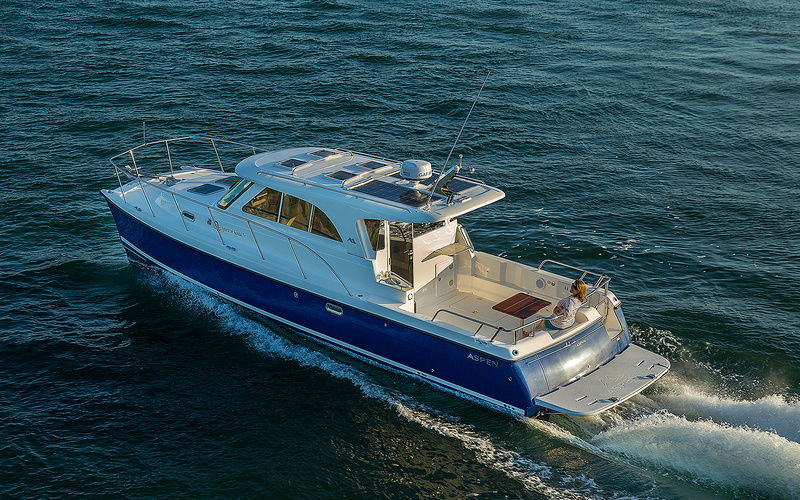


Images have been gathered from various sources and belong to their respective owners.
Latest Market Trends (Latest Available Year Model)
Price: $537,100
Review - Aspen C100

MarineBroker
05/28/2024, 3:34 AM
2013 Aspen C100: What Owners Should Know Before Buying, Maintaining, or Upgrading
If you’re looking into the 2013 Aspen C100, chances are you’re trying to answer a pretty common question: is this boat still a smart choice, and what should you watch out for? That’s a fair concern. A boat can look great on paper, but once you start digging into real-world ownership, things like maintenance history, handling, reliability, and parts support matter a lot more than brochure specs.
The 2013 Aspen C100 has a reputation that makes it interesting to a lot of boaters. It’s a compact, practical vessel that appeals to people who want a comfortable cruising experience without jumping into something oversized or overly complicated. But like any boat of this age, the real challenge is knowing what condition it’s in, what systems need attention, and how to avoid expensive surprises after purchase.
In this article, we’ll break down the main things buyers and owners should know about the 2013 Aspen C100. We’ll look at common problem areas, practical maintenance tips, and how to evaluate whether this model fits your needs. If you’re trying to make a confident decision, this guide should help you do exactly that.
- What Makes the 2013 Aspen C100 Worth Considering
The Aspen C100 sits in a category that appeals to boaters who want efficiency, manageable size, and a comfortable layout. For many people, that combination is the big draw. It’s the kind of boat that can work well for relaxed day cruising, weekend trips, and general recreational use.
One reason this model gets attention is the way it balances simplicity with capability. Boats in this class often attract owners who want less fuel burn, easier docking, and lower overall operating stress compared with larger cruisers. That makes the 2013 Aspen C100 especially appealing to first-time buyers, couples, and experienced boaters looking to downsize.
Still, the age of the boat matters. A well-kept 2013 model can be a great value, but one that has been neglected can quickly turn into a project. That’s why it helps to focus less on the nameplate and more on the condition of the hull, systems, and maintenance records.
- The Main Problem Buyers Face With a 2013 Aspen C100
The biggest issue most people run into is uncertainty. With a boat that’s over a decade old, you can’t judge it by looks alone. A clean exterior may hide worn mechanical parts, outdated electronics, water intrusion, or deferred maintenance.
That uncertainty leads to a few common pain points:
- Not knowing whether the engine and running gear were serviced properly
- Wondering if the electrical system has been updated or repaired correctly
- Concern about hull condition, moisture, or past repairs
- Difficulty finding accurate, model-specific information
- Worry about replacement parts and long-term support
In other words, the problem isn’t usually that the 2013 Aspen C100 is automatically a bad boat. The problem is figuring out which example is a good one. That’s where a careful evaluation and a realistic maintenance plan become the solution.
- Why the 2013 Aspen C100 Needs a Careful Inspection
Any boat from 2013 deserves a close look, but the Aspen C100 especially benefits from a methodical inspection because small issues can be easy to miss. Boats often look fine in a dockside walkthrough, yet hidden wear can show up later during use.
Here are the areas that matter most:
- Hull and deck condition
- Engine performance and service history
- Fuel system integrity
- Electrical wiring and battery condition
- Steering and control responsiveness
- Cabin moisture, seals, and ventilation
- Safety equipment and compliance items
A buyer who checks these items early is far more likely to avoid costly surprises. If you already own one, the same checklist helps you prioritize repairs before minor problems become major ones.
- What to Look for in the Hull and Structure
The hull is the foundation of the boat, so this should always be one of the first inspection points. On a 2013 Aspen C100, you want to look for signs of impact, stress, blistering, or poor repairs. Even if the boat has not been in an accident, age and usage can still leave their mark.
Watch for:
- Cracks around stress points
- Soft spots on the deck or cabin floor
- Signs of water intrusion around fittings and hatches
- Uneven gelcoat or visible patchwork
- Corrosion around metal hardware and fasteners
If you’re not experienced with hull inspections, a marine surveyor is worth the money. A professional can spot issues that a casual buyer may overlook. That extra step can save you far more than the survey cost if it helps you avoid a bad purchase.
- Engine and Mechanical Checks for the 2013 Aspen C100
A boat’s engine story is often more important than its model year. A well-maintained engine can run reliably for years, while a neglected one can become expensive fast. For the 2013 Aspen C100, the key is to verify not just whether the engine runs, but how it has been cared for.
Ask for records showing:
- Oil and filter changes
- Impeller replacement
- Belt inspections
- Cooling system service
- Fuel filter changes
- Winterization or seasonal storage work
When possible, do a sea trial. Listen for unusual noise, vibration, hesitation, or overheating. A smooth idle is good, but the real test comes under load. If the boat struggles to plane, loses power, or runs hot, that’s a red flag.
Also check whether the engine compartment is clean and dry. Excess oil, fuel smell, or corrosion may point to maintenance issues that need attention.
- Electrical System Issues Owners Should Watch For
Electrical problems are one of the most frustrating issues in older boats because they can be intermittent and hard to trace. On a 2013 Aspen C100, wiring, switches, batteries, and chargers should all be checked carefully.
Common warning signs include:
- Dead or weak batteries
- Corroded terminals
- Flickering lights
- Non-working gauges or electronics
- Tripped breakers or blown fuses
- Loose or exposed wiring
A boat can still operate with minor electrical issues, but they tend to get worse if ignored. Start by testing each system one at a time. Navigation lights, cabin lights, bilge pumps, and electronics should all work reliably.
If the wiring looks messy or has been modified by previous owners, that’s a sign to dig deeper. Clean, labeled, and protected wiring is always a better sign than a patchwork setup.
- How to Evaluate Maintenance History
For a used boat, maintenance history is almost as important as the boat itself. A 2013 Aspen C100 with complete records is generally a much safer bet than one with no paperwork at all.
Good records should include:
- Annual service logs
- Parts receipts
- Winter storage notes
- Survey reports
- Repair invoices
- Documentation for upgrades or replacements
A consistent history tells you the owner took boating seriously. It also gives you clues about what may need attention soon. For example, if the water pump was replaced recently, that’s one less thing to worry about. If the boat has gone years without a documented service, expect to budget for catch-up maintenance.
A simple rule works well here: if the seller can’t explain the boat’s recent care clearly, assume you’ll need to do more work after purchase.
- Practical Problems Owners May Experience Over Time
Even a good 2013 Aspen C100 can develop age-related issues. That doesn’t mean the boat is unreliable; it just means ownership should be proactive instead of reactive.
Some common long-term issues include:
- Worn seals and gaskets
- Aging hoses and clamps
- Battery replacement needs
- Corrosion on metal fittings
- Upholstery wear
- Faded or brittle exterior surfaces
- Outdated electronics
These are normal in boats of this age, especially if they’ve seen regular use. The trick is to catch them early. Replacing a hose or seal at the right time is far easier than dealing with water damage or a failed system on the water.
If you’re buying one, plan for a first-season service budget. That way you’re not surprised by the usual age-related work that often follows a new purchase.
- How to Solve the Biggest Ownership Challenges
The best solution is a combination of inspection, documentation, and preventive maintenance. That may sound basic, but it’s exactly what keeps older boats enjoyable instead of stressful.
Here’s a practical approach:
1. Get a marine survey before buying
2. Test every major system on the boat
3. Review service history carefully
4. Replace questionable wear items early
5. Keep a maintenance log going forward
If you already own the boat, focus on the highest-risk items first. That usually means fuel, electrical, steering, cooling, and any signs of water intrusion. Once those are stable, you can move on to comfort upgrades and cosmetic improvements.
This approach keeps costs under control and helps you avoid the “fix one thing, discover three more” cycle that frustrates so many boat owners.
- Upgrades That Make Sense on a 2013 Aspen C100
Not every upgrade needs to be expensive or flashy. In fact, the best improvements are usually the ones that make the boat safer, easier to use, and more comfortable.
Useful upgrades may include:
- Modern chartplotter or GPS
- Battery monitor
- LED cabin and navigation lighting
- Improved bilge pump setup
- New VHF radio
- Fresh upholstery or cushions
- Updated safety gear
These upgrades can make a big difference in day-to-day enjoyment. They also help older boats feel more current without requiring major structural changes.
If the boat is otherwise in good shape, practical upgrades often deliver better value than cosmetic overhauls. A reliable navigation display or stronger battery setup will matter more than shiny trim in the long run.
- Is the 2013 Aspen C100 a Good Fit for You?
This boat makes the most sense for buyers who value manageable size, practical cruising, and straightforward ownership. If you want something that can handle relaxed outings without becoming a maintenance headache, the 2013 Aspen C100 may be worth serious consideration.
It’s especially appealing if you:
- Prefer a smaller, easier-to-handle boat
- Want a comfortable cruising platform
- Are willing to inspect a used boat carefully
- Like the idea of lower operating complexity
- Can budget for a proper survey and first-season maintenance
On the other hand, if you want a fully updated boat with no immediate work, a 2013 model may not be the best fit unless it has been exceptionally well maintained. Age always matters, even when the design is solid.
- Smart Buying Tips for the 2013 Aspen C100
If you’re shopping for one, keep the process simple and disciplined. A boat purchase goes much better when you slow down and ask the right questions.
Use this checklist:
- Ask for maintenance records before visiting
- Inspect the boat in daylight
- Test all pumps, lights, gauges, and electronics
- Check for moisture, odors, and corrosion
- Take a sea trial if possible
- Hire a surveyor for final verification
It also helps to compare several boats, not just one. That gives you a better sense of what a fair-condition 2013 Aspen C100 looks like in the current market. When you see multiple examples, hidden problems become easier to spot.
- Final Thoughts on Ownership and Value
The 2013 Aspen C100 can be a solid choice for the right buyer, but the real secret is buying condition, not just a model name. Boats of this age can still offer great value if they’ve been maintained properly and inspected with care. The biggest mistake is assuming a clean appearance means a trouble-free boat.
If you focus on hull condition, mechanical health, electrical reliability, and documented maintenance, you’ll be in a much better position to make a smart decision. Whether you’re buying, evaluating, or already owning one, the best solution is the same: stay proactive, inspect carefully, and handle small issues before they grow. If you’re serious about the 2013 Aspen C100, take the time to learn the boat well. That effort usually pays off every time you leave the dock.
Specifications
General
Boat Type: Power Boats
Class Type: Power Catamaran
Specifications
Length: 34.68
Beam: 10.01
Draft: 0.82
Hull Material: GRP
Build
First Built: 2013
Propulsion
Fuel Type: Diesel
Engines: 1
Power: 0 HP
Brand: Unknown
Accomodation
Berths: 4
Cabins: 2
Bathrooms: 1
PROS & CONS
What we appreciated
 Compact and easy to maneuver, ideal for small lakes and riversEconomical in terms of fuel consumptionSimple and straightforward design, easy to maintainComfortable seating for up to 4-5 peopleGood value for entry-level pontoon boating
What we didn’t appreciate
 Limited power and speed compared to larger boatsBasic features, lacking luxury amenitiesSmaller deck space, less suitable for larger groupsOlder model with potentially outdated electronicsMay require updates or repairs due to age
Upkeep Costs
Fuel: Approximately $500 to $800 annually, depending on usage
Maintenance: Around $300 to $600 per year for engine service and general upkeep
Storage: $500 to $1,200 annually depending on location and type (indoor/outdoor)
Insurance: $200 to $400 per year based on coverage and location
Registration and Taxes: $50 to $150 annually depending on state regulations
Rating
7.7
User
Score
Score
Driveability
Technology
Interior
Design
Similar Boats


MarineBroker
Download now for an immersive boat experience like never before! ⛵✨ Your journey begins with a simple click. 🌊📲
#SetSailSmart #DownloadNow
#SetSailSmart #DownloadNow

Subscribe
Copyright 2017 - 2026, Marinebroker.net, All Rights Reserved