Boat Database » Aresa T3000 Support
Aresa T3000 Support
Inboard Direct-Drive, Diesel, 2x 0 HP
Power Boats 2021 Aresa T3000 Support: Practical Help for Owners Who Want Smooth, Reliable Operation
If you’re looking for 2021 Aresa T3000 Support, chances are you’re trying to solve a real-world boating issue, not just browse specs. Maybe t...
Discover
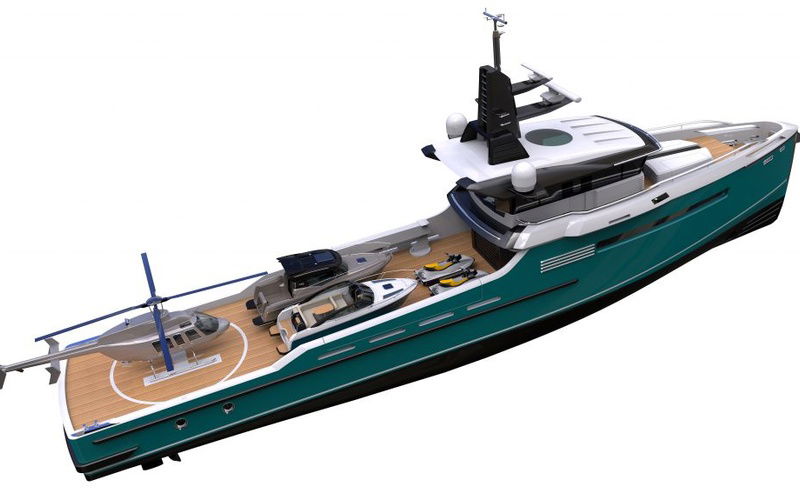
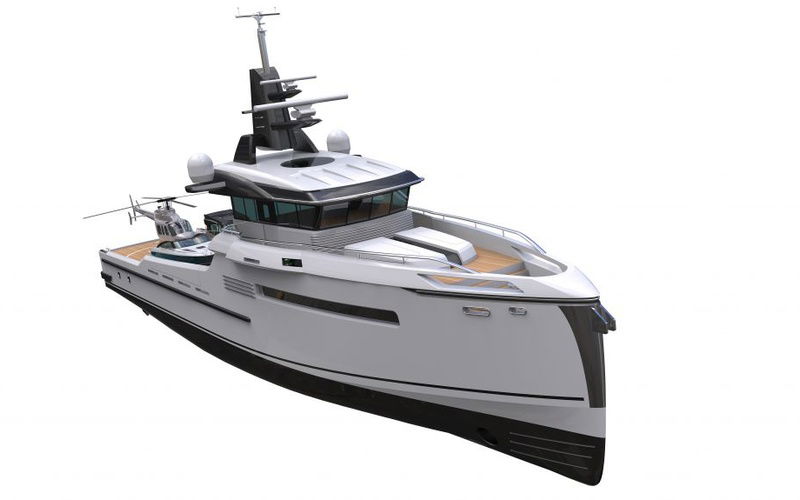
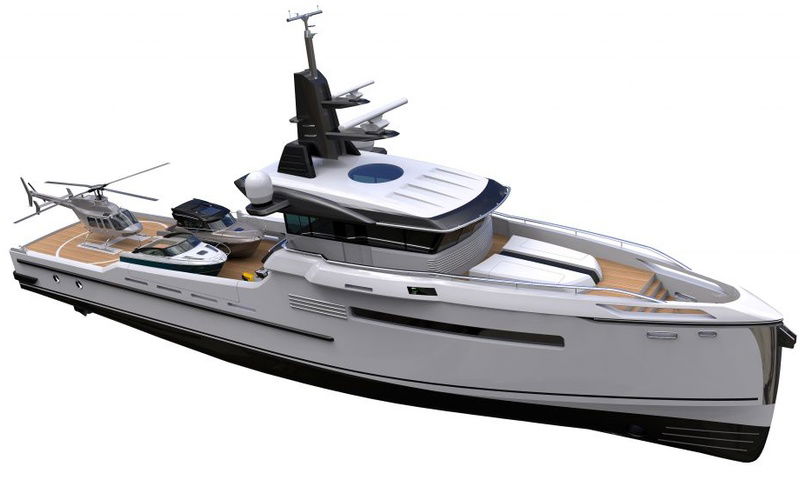
Images have been gathered from various sources and belong to their respective owners.
Review - Aresa T3000 Support

MarineBroker
04/25/2024, 10:00 AM
2021 Aresa T3000 Support: Practical Help for Owners Who Want Smooth, Reliable Operation
If you’re looking for 2021 Aresa T3000 Support, chances are you’re trying to solve a real-world boating issue, not just browse specs. Maybe the boat is not performing the way it should, maybe you’re dealing with maintenance questions, or maybe you simply want to understand how to keep everything running safely and efficiently. That’s normal. Even well-built boats need the right support to stay dependable, especially when they’re used regularly in changing water and weather conditions.
The good news is that most issues with a vessel like the Aresa T3000 can be handled with a smart, organized approach. In many cases, the problem is not a major failure at all. It’s often something small: routine maintenance that got delayed, a system that needs checking, or a part that needs attention before it turns into a bigger headache. With the right support strategy, owners can reduce downtime, improve reliability, and enjoy the boat with a lot less stress.
In this article, we’ll walk through common support needs, how to spot trouble early, and what practical steps can help keep your 2021 Aresa T3000 in good shape.
- What Makes 2021 Aresa T3000 Support Important
Boats are a mix of mechanical systems, electrical components, and structural parts that all need to work together. When one area slips, the rest can feel it pretty quickly.
For the 2021 Aresa T3000, support matters because it helps owners avoid the most common pain points:
- Unexpected breakdowns
- Electrical issues
- Engine or propulsion concerns
- Wear from saltwater or heavy use
- Delayed maintenance that leads to bigger repairs
A lot of boat owners wait until something is clearly wrong before taking action. The problem with that approach is simple: small issues often become expensive ones. Support is really about prevention, not just repair.
If you think of your boat like a living system, regular attention keeps everything balanced. That means checking key components before a trip, tracking maintenance intervals, and knowing what “normal” looks like for your vessel.
- Common Problems Owners Look for with 2021 Aresa T3000 Support
Every boat has its own quirks, but there are a few issues that tend to show up again and again. If you’re searching for support, you may already be noticing one of these signs.
- Starting or power issues
If the boat struggles to start, loses power, or behaves inconsistently, the cause could be battery-related, fuel-related, or tied to electrical connections. Sometimes the issue is as simple as corroded terminals or a weak battery. Other times, it may involve a deeper inspection.
- Electrical faults
Modern boats rely on electrical systems for navigation, lighting, pumps, and controls. If lights flicker, instruments act strangely, or accessories fail, the problem may be a loose connection, moisture intrusion, or a worn component.
- Cooling or overheating concerns
Marine engines work hard, and cooling system problems can show up quickly. Blocked intakes, worn impellers, or low coolant can all create trouble. Overheating should always be treated seriously.
- Fuel system problems
Fuel contamination, clogged filters, or old fuel can cause rough running, hesitation, or loss of performance. If the boat feels sluggish, the fuel system deserves a close look.
- General wear and tear
Deck hardware, seals, hoses, and fittings all age over time. Even if the boat is functioning, small signs of wear can point to future problems if ignored.
The key is to catch these issues early. A boat usually gives you hints before it gives up completely.
- How to Diagnose the Problem Without Guessing
One of the biggest mistakes boat owners make is replacing parts before understanding the real issue. That can get expensive fast.
A better approach is to narrow down the problem step by step.
- Start with the symptoms
Ask yourself:
- When did the issue begin?
- Does it happen every time or only sometimes?
- Is it related to weather, speed, or load?
- Did anything change recently, like fuel, batteries, or storage conditions?
These details matter because they help separate random glitches from repeatable faults.
- Check the basics first
Before diving into advanced troubleshooting, look at the simple stuff:
- Battery charge and terminal cleanliness
- Fuel quality and filter condition
- Visible leaks
- Loose wires or connectors
- Corrosion around fittings
- Fluid levels
- Blocked vents or intakes
You’d be surprised how often the solution is found in one of these basic checks.
- Compare behavior to normal operation
If your 2021 Aresa T3000 usually handles a certain way and now feels different, that’s a clue. Changes in vibration, noise, response time, or fuel consumption can all point toward the source of the problem.
- Use a logbook
A maintenance or service log helps a lot. Write down:
- Service dates
- Parts replaced
- Fueling notes
- Any unusual performance
- Error messages or warning lights
This kind of record makes support easier because patterns become visible over time.
- Maintenance Habits That Prevent Most Support Issues
The easiest way to reduce support problems is to stay ahead of them. Regular maintenance is boring compared to a day on the water, but it’s what keeps the fun part possible.
- Follow routine inspections
A quick inspection before and after use can catch issues early. Look for:
- Cracks
- Rust or corrosion
- Loose fasteners
- Water intrusion
- Worn hoses or belts
- Unusual smells or sounds
Even a five-minute check can save you from a long repair later.
- Keep the battery system healthy
Battery trouble is one of the most common reasons boats fail to start. To help prevent that:
- Keep terminals clean and tight
- Charge batteries properly
- Replace aging batteries before they fail
- Check for parasitic drains if the boat sits unused
If the boat is stored for long periods, a battery maintainer can be a smart move.
- Protect the fuel system
Fuel issues can sneak up on owners who don’t use the boat often. To reduce risk:
- Use fresh fuel
- Avoid letting fuel sit too long
- Replace filters on schedule
- Drain or treat fuel if storage will be extended
Water contamination and stale fuel are common causes of poor performance.
- Flush and clean after exposure
If the boat has been used in saltwater, rinsing and flushing matter a lot. Salt buildup can accelerate corrosion and damage fittings, hardware, and cooling components.
A simple washdown routine can extend the life of many parts.
- Stay on top of service intervals
Engines, pumps, and other systems usually have recommended service schedules. Even if the boat seems fine, scheduled maintenance helps prevent hidden wear from turning into failure.
- When the 2021 Aresa T3000 Needs Professional Support
Some issues are manageable for an owner with basic marine knowledge. Others are better left to a qualified technician. Knowing the difference can save time and prevent damage.
You should seek professional help if you notice:
- Repeated engine shutdowns
- Overheating that returns after basic checks
- Electrical faults you can’t trace
- Water intrusion into critical systems
- Steering or control issues
- Strange noises from the drivetrain or propulsion system
- Persistent fuel contamination
- Structural damage or major leaks
A good rule of thumb: if the problem affects safety, propulsion, or the boat’s ability to return home, don’t keep guessing.
Professional support is especially valuable when diagnostics require specialized tools or when a repair involves systems that interact with each other. For example, an electrical issue may look simple on the surface but actually be tied to moisture, grounding, or a failing component elsewhere.
- Practical Troubleshooting Tips for Boat Owners
If you want to be more self-sufficient, a few habits can make a big difference.
- Keep basic tools onboard
A small kit can help with routine checks and minor fixes:
- Screwdrivers
- Adjustable wrench
- Spare fuses
- Multimeter
- Flashlight
- Zip ties
- Electrical tape
- Spare hose clamps
These won’t solve every issue, but they can help you confirm a problem or make a temporary safe fix.
- Learn the boat’s normal sounds
Every boat has a “usual” sound profile. When you know what’s normal, odd changes become easier to notice. A new rattle, hum, or vibration is often the first warning sign.
- Inspect after rough conditions
After heavy seas, strong winds, or long runs, give the boat a closer look. Stress from rough use can loosen fittings, expose weak points, or shake something out of alignment.
- Don’t ignore warning signs
A small issue rarely gets better on its own. If a gauge is reading strangely or a pump sounds different, check it sooner rather than later. Early action usually means simpler support.
- Use clean, dry storage when possible
Moisture is one of the biggest enemies of marine equipment. Dry storage, proper covers, and ventilation can reduce corrosion and help protect electrical and mechanical systems.
- What Good 2021 Aresa T3000 Support Should Include
Not all support is the same. If you’re trying to solve a problem efficiently, it helps to know what quality support looks like.
Strong support usually includes:
- Clear troubleshooting guidance
- Access to service documentation
- Parts compatibility information
- Maintenance schedules
- Diagnostic help for recurring issues
- Advice on safe operation and storage
The best support is practical. It helps you move from “something’s wrong” to “here’s what to check next.”
For many owners, support also means knowing when to handle a task personally and when to bring in a technician. That balance saves money without taking unnecessary risks.
- How to Extend the Life of Your Boat
If your goal is fewer repairs and better performance, think long-term. Small habits add up over time.
- Wash the boat regularly
- Inspect seals and gaskets
- Replace worn parts before they fail
- Keep records of service and repairs
- Store properly during off-season periods
- Run the systems periodically if the boat sits unused
A boat that is used carefully, cleaned consistently, and maintained on schedule will usually give back more reliable service.
It also helps to treat every trip as a chance to check the vessel’s condition. If something feels slightly off, note it. Small changes often tell the story before a big failure does.
- Why the Right Support Saves Time and Money
It’s easy to think support is only about fixing problems, but it actually helps prevent them too. That’s where the real value is.
When you stay ahead of maintenance:
- Repairs tend to be smaller
- Downtime is reduced
- Safety improves
- Performance stays more consistent
- The boat is easier to enjoy
For owners of the 2021 Aresa T3000, that means less frustration and more confidence on the water. You don’t need to be a full-time mechanic to take good care of the boat. You just need a solid routine, a watchful eye, and a willingness to act early.
- Conclusion
Finding the right 2021 Aresa T3000 Support starts with understanding the most common issues, checking the basics, and staying consistent with maintenance. In many cases, the solution is not complicated. It’s about spotting small warning signs early, protecting key systems, and knowing when to get expert help.
Whether you’re dealing with starting trouble, electrical concerns, fuel issues, or general wear, a methodical approach will usually lead you in the right direction. Keep good records, inspect regularly, and don’t wait for minor symptoms to turn into bigger repairs. If you want to keep learning, explore more marine maintenance resources and service guidance so you can stay one step ahead on every trip.
Specifications
General
Boat Type: Power Boats
Class Type: Motor Yacht
Specifications
Length: 98.43
Beam: 24.61
Draft: 8.2
Hull Material: GRP
Build
First Built: 2021
Propulsion
Fuel Type: Diesel
Engines: 2
Power: 0 HP
Brand: Unknown
Accomodation
PROS & CONS
What we appreciated
 Modern and sleek design suitable for various activitiesSpacious deck area providing comfort for passengersHigh-quality materials ensuring durability and longevityGood performance with efficient fuel consumptionVersatile usage including leisure, fishing, and support roles
What we didn’t appreciate
 Limited availability of aftermarket accessoriesRelatively higher price compared to similar modelsRequires experienced handling due to powerful engineLimited storage space for extended tripsMaintenance can be costly depending on usage intensity
Upkeep Costs
Fuel: Approximately $1,500 - $3,000 annually depending on usage and fuel prices
Maintenance and Repairs: Around $1,000 - $2,500 per year including engine servicing and hull upkeep
Insurance: Typically $500 - $1,200 per year depending on coverage and location
Storage and Mooring: $1,000 - $3,000 annually depending on marina fees or storage method
Registration and Taxes: $100 - $300 per year depending on local regulations
Rating
6.3
User
Score
Score
Driveability
Technology
Interior
Design
Similar Boats


MarineBroker
Download now for an immersive boat experience like never before! ⛵✨ Your journey begins with a simple click. 🌊📲
#SetSailSmart #DownloadNow
#SetSailSmart #DownloadNow

Subscribe
Copyright 2017 - 2026, Marinebroker.net, All Rights Reserved