Boat Type: Power Boats
Boat Class: Lobster Boat
Length: 61.52 ft
Berths: 8
Cabins: 3
Max Persons: 12
2013 Arcoa Yacht 62: What to Know Before Buying, Owning, or Upgrading This Luxury Yacht
If you’ve been searching for a 2013 Arcoa Yacht 62, chances are you’re already drawn to the idea of a stylish, capable yacht with real presen...
Discover
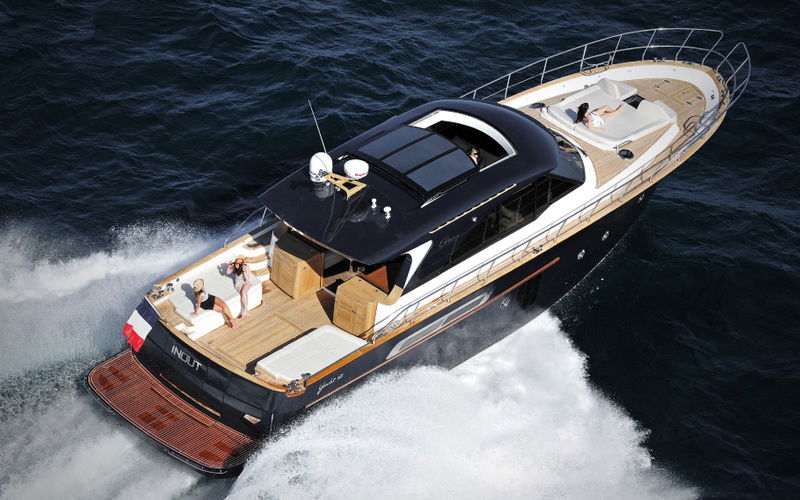
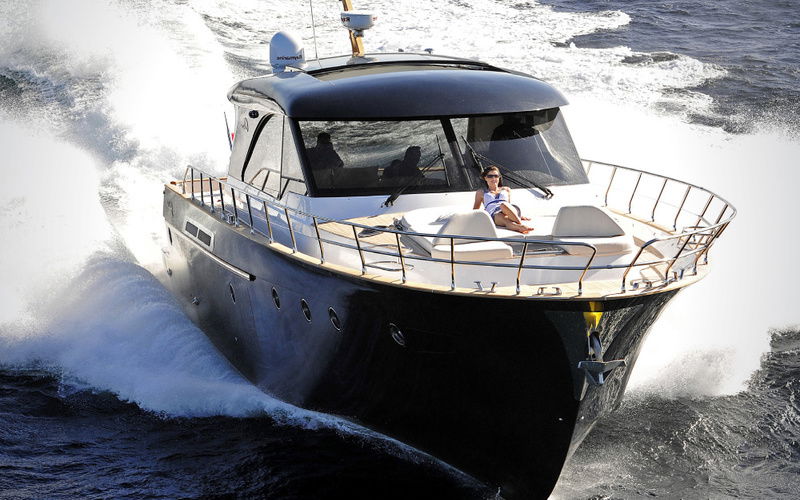
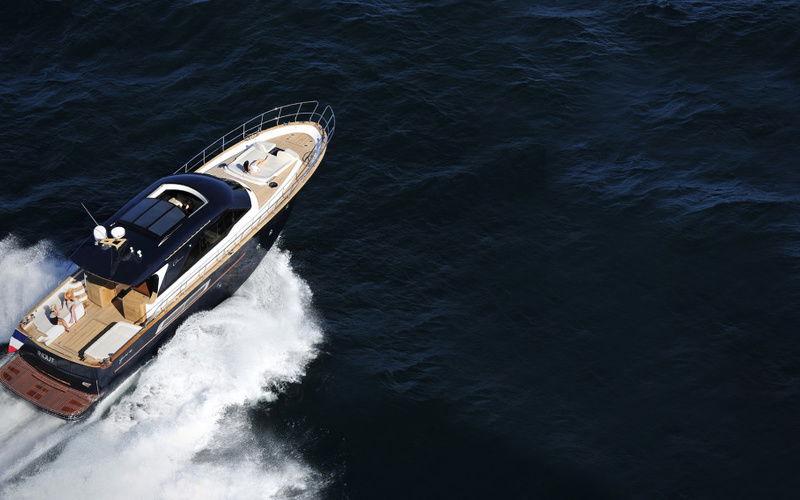
Images have been gathered from various sources and belong to their respective owners.
Review - Arcoa Yacht 62

MarineBroker
04/25/2024, 7:39 AM
2013 Arcoa Yacht 62: What to Know Before Buying, Owning, or Upgrading This Luxury Yacht
If you’ve been searching for a 2013 Arcoa Yacht 62, chances are you’re already drawn to the idea of a stylish, capable yacht with real presence on the water. But here’s the thing: buying or owning a yacht like this isn’t just about falling in love with the layout or the looks. The bigger challenge is figuring out whether it truly fits your cruising style, maintenance expectations, and long-term budget.
That’s where many buyers and owners get stuck. A yacht in this class can be a fantastic platform, but only if you understand the details that matter most: condition, systems, performance, upkeep, and how it will actually work for your kind of boating. A beautiful listing photo won’t tell you whether the engines have been properly serviced, whether the electronics are dated, or whether the onboard systems are easy to live with.
In this article, we’ll break down what makes the 2013 Arcoa Yacht 62 worth a closer look, the common questions people should ask before making a decision, and practical ways to solve the most common ownership headaches.
- Why the 2013 Arcoa Yacht 62 attracts attention
The 2013 Arcoa Yacht 62 sits in an interesting sweet spot for buyers who want a large yacht without stepping into the complexity of a much bigger superyacht. For many people, that makes it appealing right away.
Yachts in this size range usually offer a strong balance of comfort, range, and onboard space. You get room for entertaining, relaxing, and extended cruising, but you still avoid some of the extreme operating costs that come with much larger vessels.
What tends to make this model especially interesting is the blend of classic yacht appeal and practical cruising capability. For the right buyer, that’s a strong combination.
- Who this yacht is usually a good fit for
The 2013 Arcoa Yacht 62 is often a good match for people who want:
- A yacht large enough for family cruising or entertaining
- A vessel that can handle coastal and longer-range trips
- A more refined ownership experience without jumping to a massive yacht
- A platform that can be upgraded and personalized over time
It may also appeal to experienced boaters who are moving up from a smaller cruiser and want more comfort, more stability, and more usable space.
That said, bigger yacht ownership comes with bigger responsibilities. If you’re evaluating this model, the real question isn’t just “Do I like it?” It’s “Can I maintain it properly and use it the way I want?”
- The main problem buyers face with a 2013 Arcoa Yacht 62
The biggest issue people run into is not the yacht itself. It’s the uncertainty around condition, maintenance history, and total cost of ownership.
A 2013 yacht can still be in excellent shape, but only if it has been cared for consistently. If not, hidden issues can turn a great-looking boat into an expensive project.
Common concerns include:
- Engine wear or incomplete service records
- Aging electronics and navigation systems
- Outdated upholstery or interior finishes
- Electrical or plumbing issues from long-term use
- Higher-than-expected docking, insurance, and maintenance costs
This is why many buyers feel overwhelmed. They know they want a yacht like this, but they’re not always sure how to judge whether a specific boat is a smart buy.
- How to evaluate a 2013 Arcoa Yacht 62 the smart way
The best solution is a simple one: evaluate the yacht like a system, not just a listing.
That means looking at the boat in layers, starting with the big-ticket items and working down to the details. A structured review helps you avoid emotional decisions and focus on real-world usability.
Here’s the order I’d recommend:
1. Mechanical condition
2. Structural condition
3. Electrical and electronic systems
4. Interior and exterior wear
5. Documentation and service history
6. Operating costs
If you approach the 2013 Arcoa Yacht 62 this way, you’ll get a much clearer picture of what you’re really buying.
- Mechanical systems: where the biggest surprises usually hide
For any yacht of this age, the engines and propulsion systems deserve the most attention. Even a well-kept yacht can become costly if the mechanical side has been neglected.
Ask for:
- Full engine service records
- Hours on the engines and generators
- Recent oil analysis, if available
- Cooling system history
- Transmission and shaft service details
- Any reports of overheating, vibration, or unusual smoke
If the yacht has been used regularly and maintained on schedule, that’s usually a good sign. Boats that sit too long can develop problems that aren’t obvious during a quick viewing.
A sea trial is especially valuable here. You want to see how the yacht performs under load, how it idles, how it accelerates, and whether there are any warning signs from temperature gauges or alarms.
- Electrical and navigation systems: often overlooked, often expensive
One of the most common mistakes buyers make is assuming electronics “work fine” because the display powers on. That’s not enough.
On a 2013 yacht, some systems may still be perfectly usable, but others may feel dated by today’s standards. That’s not necessarily a dealbreaker, but it should be part of your budget planning.
Check for:
- Chartplotters and radar functionality
- Autopilot performance
- Battery bank condition
- Shore power systems
- Inverter and charger condition
- Lighting, pumps, and breakers
- Any signs of corrosion in electrical panels
If you plan to cruise often, dependable electronics matter. They’re not just convenience features; they’re part of safe operation.
A practical solution here is to separate “needs repair” from “needs upgrade.” Sometimes a system only needs servicing. Other times, it makes more sense to replace it with modern equipment during the refit phase.
- Interior condition: comfort matters more than people think
The interior of the 2013 Arcoa Yacht 62 can tell you a lot about how the boat has been used. Cosmetic wear is normal, but it should be easy to distinguish between normal aging and deeper neglect.
Look closely at:
- Cabin ventilation and moisture control
- Upholstery condition
- Woodwork or trim damage
- Signs of water intrusion
- Carpet, flooring, and soft goods wear
- Galley and head functionality
A yacht can look polished in photos and still have hidden issues like leaks, mildew, or tired materials. Those problems are fixable, but they affect your comfort and your budget.
If you’re planning to spend real time aboard, think beyond appearance. Ask whether the layout works for your routine. Is storage sufficient? Are sleeping areas practical? Does the saloon feel usable for your family or guests?
A beautiful yacht that doesn’t fit your lifestyle still becomes a problem later.
- Exterior and deck layout: easy living or constant hassle?
Deck space and exterior design are a big part of what makes a yacht enjoyable. On a vessel like the 2013 Arcoa Yacht 62, the question is not just how it looks, but how easy it is to use.
Check:
- Side deck safety and walkaround access
- Rail height and handhold placement
- Flybridge or helm visibility, if applicable
- Tender storage or launch setup
- Sunpad, seating, and social areas
- Anchor gear condition and operation
If you cruise with guests, the exterior layout matters a lot. A good deck plan makes the yacht feel more spacious and social. A poor one makes it feel awkward, even if the dimensions are generous.
This is where you should imagine a normal day onboard, not just a harbor-side photo shoot. Can people move around safely? Is it easy to moor, anchor, and relax without constantly rearranging things?
- What ownership costs may look like
One of the biggest “problems” with a yacht like this is that many buyers underestimate the true cost of ownership.
Even if the purchase price seems reasonable, ongoing expenses can stack up quickly. That doesn’t mean the yacht is a bad choice. It just means budgeting needs to be realistic.
Typical ownership costs may include:
- Annual maintenance and servicing
- Fuel
- Insurance
- Dockage or mooring fees
- Winter storage or haul-out
- Bottom cleaning and antifouling
- Electronics or interior upgrades
- Unexpected repairs
A helpful rule of thumb: if you’re buying a used yacht, don’t spend every dollar on the purchase itself. Leave room for immediate maintenance and a reserve fund.
That way, you can handle the things that inevitably come up after closing without stress.
- How to solve the “is this yacht right for me?” question
The easiest way to avoid regret is to match the yacht to your actual usage pattern.
Ask yourself:
- Will I cruise locally or take longer trips?
- How many people will regularly be onboard?
- Do I want a turnkey yacht or a refit project?
- Am I comfortable with ongoing maintenance demands?
- How important are modern electronics and low operating hassle?
If you want a yacht that feels more refined and spacious, the 2013 Arcoa Yacht 62 can make a lot of sense. If you want something that requires very little attention, any yacht of this size may feel like too much.
The solution is not to chase the “best” yacht in general. It’s to choose the right yacht for your habits, budget, and tolerance for upkeep.
- Inspection tips before you commit
Before buying, a proper survey is essential. This is where you protect yourself from expensive mistakes.
Make sure the inspection covers:
- Hull and structural integrity
- Moisture readings where appropriate
- Engines and propulsion
- Generator and onboard systems
- Electronics and safety equipment
- Sea trial performance
- Documentation and registration
It’s also smart to have a specialist involved, especially if you’re not deeply experienced with larger yachts. A general look is not enough.
A good survey can reveal whether the yacht needs minor cosmetic work or a much larger refit. That difference can completely change the value equation.
- When a 2013 Arcoa Yacht 62 makes the most sense
This yacht makes the most sense when:
- The boat has been well maintained
- Service records are complete
- The layout fits your cruising style
- You want strong comfort without going to a much larger platform
- You’re prepared for normal ownership costs
It’s especially attractive for buyers who appreciate a yacht with character and presence, but still want something practical enough to use regularly.
In other words, the 2013 Arcoa Yacht 62 is not just about luxury. It’s about whether the boat can support the way you actually want to spend time on the water.
- Common mistakes to avoid
If you’re serious about this model, avoid these mistakes:
- Buying based on appearance alone
- Skipping a full survey
- Ignoring service records
- Underestimating electronics replacement costs
- Forgetting about ongoing dockage and maintenance
- Choosing the wrong size for your real needs
These mistakes are easy to make because a yacht is an emotional purchase. But the best decisions come from balancing excitement with practical thinking.
- A practical ownership mindset pays off
The best yacht owners are usually the ones who think ahead. They don’t just buy a boat; they plan how to keep it reliable, safe, and enjoyable.
For a yacht like the 2013 Arcoa Yacht 62, that means:
- Scheduling regular preventive maintenance
- Tracking service intervals
- Upgrading systems strategically
- Keeping a repair reserve
- Using the yacht often enough to keep systems healthy
That last point matters more than many people realize. Boats that are used regularly and maintained properly tend to stay in better condition than boats that sit unused for long periods.
- Conclusion
The 2013 Arcoa Yacht 62 can be a very appealing option for buyers who want a capable, comfortable yacht with real cruising potential. But like any yacht in this class, the key is understanding the full picture: condition, systems, maintenance history, and ownership costs.
If you take the time to inspect carefully, budget realistically, and match the yacht to your actual boating habits, you’ll be in a much better position to make a confident decision. That’s the real solution here: not chasing perfection, but choosing wisely and planning ahead.
If you’re exploring this model further, keep digging into surveys, service records, and onboard systems so you can separate a good-looking listing from a truly good boat.
Specifications
General
Boat Type: Power Boats
Class Type: Lobster Boat
Specifications
Length: 61.52
Beam: 16.37
Draft: 4.43
Hull Material: GRP
Build
First Built: 2013
Propulsion
Fuel Type: Diesel
Engines: 2
Power: 800 HP
Brand: MAN
Accomodation
Berths: 8
Cabins: 3
PROS & CONS
What we appreciated
 Spacious and luxurious interior suitable for comfortable cruisingSolid build quality with classic stylingGood performance with reliable engines for its sizeWell-equipped with modern navigation and safety systemsLarge deck space for entertaining and relaxation
What we didn’t appreciate
 Older model, may require more maintenance and updatesFuel consumption can be high due to size and engine typeLimited availability of parts due to brand rarityInterior design may feel dated compared to newer yachtsStorage space below deck can be somewhat limited
Upkeep Costs
Fuel: Approximately $30,000 - $50,000 per year depending on usage
Maintenance and Repairs: $15,000 - $25,000 per year
Docking and Marina Fees: $10,000 - $20,000 per year
Insurance: $5,000 - $10,000 per year
Crew and Operating Expenses: $20,000 - $40,000 per year
Rating
7.4
User
Score
Score
Driveability
Technology
Interior
Design
Similar Boats


MarineBroker
Download now for an immersive boat experience like never before! ⛵✨ Your journey begins with a simple click. 🌊📲
#SetSailSmart #DownloadNow
#SetSailSmart #DownloadNow

Subscribe
Copyright 2017 - 2026, Marinebroker.net, All Rights Reserved