2013 Aquador 28 C: What Buyers Should Know Before Choosing This Compact Cruiser
If you’re looking at the 2013 Aquador 28 C, you’re probably already drawn to its clean Scandinavian styling, practical layout, and reputation as a ca...
Discover
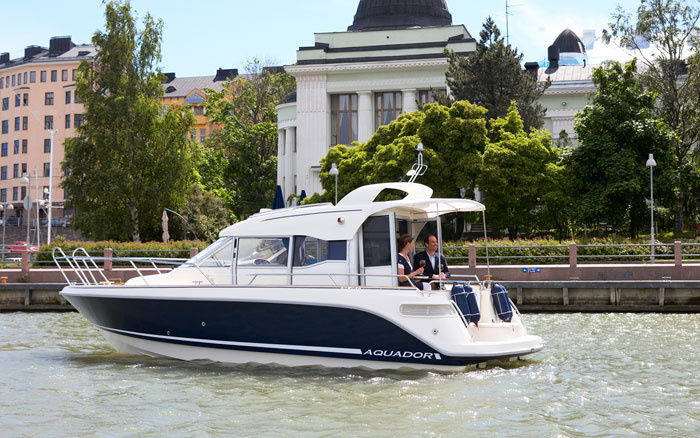
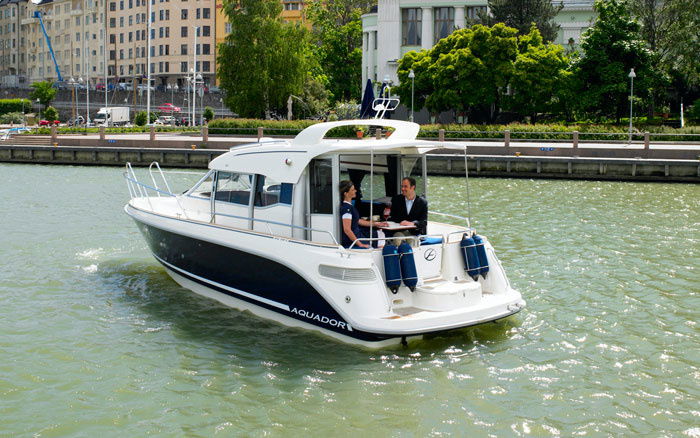
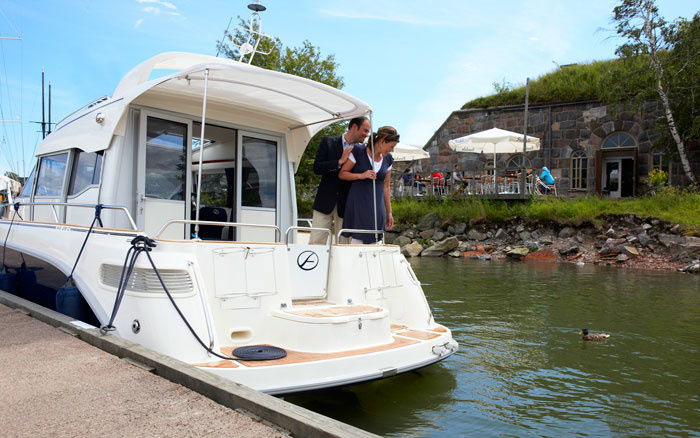
Images have been gathered from various sources and belong to their respective owners.
Review - Aquador 28 C

MarineBroker
03/21/2024, 12:48 AM
2013 Aquador 28 C: What Buyers Should Know Before Choosing This Compact Cruiser
If you’re looking at the 2013 Aquador 28 C, you’re probably already drawn to its clean Scandinavian styling, practical layout, and reputation as a capable all-round cruiser. But like with any used boat, the real question isn’t just whether it looks good on paper. It’s whether it still fits your kind of boating, your waters, and your expectations after a decade of use.
That’s where many buyers get stuck. A boat like the Aquador 28 C can seem like a great match for coastal cruising, weekend trips, and family outings, but the details matter. Condition, maintenance history, engine setup, and how the boat has been used can make a huge difference in real-world ownership. The good news is that with the right checklist, you can separate the boats that are genuinely well-kept from the ones that will cost you later.
In this article, we’ll break down what the 2013 Aquador 28 C is known for, the common things to watch out for, and how to evaluate whether it’s the right boat for you.
- Why the 2013 Aquador 28 C Still Gets Attention
The Aquador 28 C sits in a sweet spot for many boaters. It’s not too large to handle, but it offers enough space and comfort for weekends away or longer day trips.
One reason it remains popular is that Aquador has a strong reputation for practical design. The 28 C blends a protected cockpit, decent cabin space, and sensible storage into a boat that feels made for real use rather than just marina display.
For buyers browsing the used market, that matters. A well-designed boat tends to age better in daily use because the layout stays useful even as the years go by. The 2013 model is old enough to be more affordable than a new cruiser, but modern enough to still feel current in many respects.
- The Real Problem Buyers Face With a Used 2013 Aquador 28 C
The main challenge with a used 2013 Aquador 28 C is not finding one. It’s finding one that has been properly maintained.
A cruiser of this type may have seen:
- Seasonal saltwater exposure
- Long periods of storage
- Repeated loading from family use
- Engine hours that don’t always tell the full story
- Wear in canvas, upholstery, seals, and electronics
On the surface, two boats may look nearly identical. But one may have fresh service records and careful ownership, while the other could hide moisture issues, tired mechanical systems, or outdated equipment.
That’s why the smartest approach is not to ask, “Is the Aquador 28 C a good boat?” but rather, “Is this specific boat a good example?”
- What Makes the 2013 Aquador 28 C a Practical Cruiser
One of the biggest strengths of the 2013 Aquador 28 C is its balance. It’s designed for owners who want comfort without moving into a much larger, more complicated boat.
Here are the features that often appeal to buyers:
- A protected helm and cockpit area for changing weather
- A layout that works well for couples or small families
- Enough cabin space for overnight stays
- Good visibility from the helm
- A size that is still manageable for many experienced owners
For boating in coastal areas, lakes, or sheltered waters, this kind of setup is often ideal. It gives you the feeling of a proper cruiser without the operating burden of a much larger vessel.
That said, the value of these features depends heavily on condition. A great layout doesn’t help much if the boat has neglected systems or hidden structural wear.
- Key Things to Check on a 2013 Aquador 28 C
If you’re seriously considering a 2013 Aquador 28 C, focus your inspection on the areas that tend to matter most on a used cruiser.
- Engine and Drive Condition
The engine is usually the biggest cost risk on any used boat. Check service records carefully and ask:
- Has the engine been serviced annually?
- Are there records of impeller changes, oil changes, and coolant maintenance?
- Has the boat been used in saltwater?
- Are there signs of corrosion around fittings, clamps, or the drive system?
If the boat has a sterndrive or outdrive setup, inspect bellows, seals, and trim components closely. These parts can be expensive to replace if they’ve been ignored.
- Moisture and Deck Integrity
Any boat that has lived outdoors can develop moisture issues over time. Walk the decks and cabin carefully and look for:
- Soft spots underfoot
- Staining around windows or hatches
- Musty smells inside lockers or under cushions
- Cracks in sealant or around deck hardware
Moisture doesn’t always mean disaster, but it should trigger a deeper inspection. Water intrusion that goes untreated can affect core materials and lead to costly repairs.
- Electrical Systems
Used cruisers often show their age in the wiring and electronics. Test everything you can:
- Navigation lights
- Cabin lights
- Bilge pumps
- Windlass if fitted
- Battery charging system
- Gauges and displays
Even if the boat is mechanically sound, electrical issues can become annoying fast. They can also point to broader neglect if the wiring has been modified poorly over time.
- Canvas, Upholstery, and Interior Wear
These items are not just cosmetic. They tell you how the boat has been stored and used.
Look for:
- UV damage on seats and covers
- Water ingress in the cabin
- Sagging headliners
- Broken zips, snaps, or window panels
- General odor or dampness
A boat that has been covered well and ventilated properly usually shows it here first.
- How to Judge Whether the 2013 Aquador 28 C Fits Your Boating Style
A lot of buyers focus on features, but the better question is how the boat fits your real boating habits.
The 2013 Aquador 28 C is often a good match if you:
- Want a cruiser for weekend trips
- Prefer sheltered or coastal waters
- Value a practical cabin and cockpit layout
- Need something manageable for docking and handling
- Boat with a partner or small group rather than large crowds
It may be less ideal if you:
- Need a large social deck for many guests
- Want a very fast performance boat
- Plan to cruise in rough, open conditions regularly
- Prefer ultra-simple maintenance with minimal onboard systems
In other words, this is a boat that rewards owners who appreciate comfort, sensible design, and moderate cruising rather than pure speed or maximum space.
- Common Mistakes People Make When Buying This Boat
A used boat purchase can go sideways when buyers focus on the wrong things. With the 2013 Aquador 28 C, these are some of the most common mistakes.
- Ignoring maintenance history
A clean-looking boat is not the same as a well-maintained boat. Always ask for invoices, service logs, and winterization records if available.
- Overlooking storage conditions
A boat stored indoors or properly covered will usually age better than one left exposed year-round. Storage history matters more than many buyers realize.
- Skipping a survey
Even if the boat seems fine during a walkthrough, a marine survey can reveal issues you won’t spot on your own. That includes hidden moisture, structural concerns, and mechanical wear.
- Focusing only on engine hours
Low hours are not automatically good, and high hours are not automatically bad. A well-maintained engine with regular use can be healthier than a low-hour engine that sat unused for long periods.
- Not budgeting for immediate upgrades
Even a good used cruiser may need:
- New batteries
- Fresh safety gear
- Updated electronics
- Service on pumps or hoses
- Cosmetic refreshes
Planning for that upfront helps avoid surprises.
- A Smart Inspection Checklist for Buyers
Before making an offer on a 2013 Aquador 28 C, use a structured approach.
- Exterior
- Check gelcoat for cracks, repairs, or fading
- Inspect railings, cleats, and fittings
- Look for signs of impact damage
- Test hatches and seals
- Hull and underwater gear
- Inspect for blisters or repairs
- Check propellers and shafts or drive components
- Look for corrosion around metal parts
- Ask when antifouling was last done
- Engine room
- Check for leaks, corrosion, and belt wear
- Inspect hoses and clamps
- Confirm service intervals
- Start the engine from cold if possible
- Interior
- Look for dampness, mold, or odor
- Test appliances and lighting
- Open lockers and inspect hidden areas
- Check berth cushions and upholstery
- Sea trial
- Observe how the boat accelerates
- Check steering response
- Listen for unusual vibration or noise
- Test trim, electronics, and shifting under load
A sea trial and survey together give you a much clearer picture than photos or a dockside visit ever will.
- Why Condition Matters More Than Year Model
With boats like the 2013 Aquador 28 C, the model year is only one part of the story. A boat that has been carefully serviced every season can be a much better buy than a newer boat with patchy maintenance.
This is especially true for cruisers, where multiple systems work together:
- Engine
- Electrical
- Plumbing
- Windows and seals
- Cabin ventilation
- Steering and control systems
If one area has been neglected, it can affect the whole ownership experience. That’s why condition should always outrank age when you’re comparing used boats.
- Practical Ways to Get the Most Out of Ownership
If you do choose a 2013 Aquador 28 C, a few habits can help keep it in good shape.
- Stick to a service schedule
Don’t wait for a problem to appear. Regular servicing is much cheaper than major repairs.
- Keep the boat dry and ventilated
Moisture is one of the biggest enemies of any cruiser. Use covers, ventilation, and dehumidification when needed.
- Rinse and protect after use
Especially in saltwater, rinsing the exterior and hardware helps slow corrosion.
- Inspect little things often
Hoses, clamps, seals, and batteries are small parts that can create big problems if ignored.
- Record everything
Keep a simple maintenance log. It helps you stay organized and adds value if you sell later.
- Is the 2013 Aquador 28 C Worth Considering?
For the right buyer, yes. The 2013 Aquador 28 C can be a very appealing used cruiser because it offers a practical mix of comfort, usability, and manageable size.
The key is not to assume every example is equal. A well-kept boat with solid service history can be a smart purchase. A neglected one can quickly become expensive, even if the asking price looks attractive.
If you’re patient, inspect carefully, and prioritize condition over cosmetics, you give yourself the best chance of finding a boat that delivers real enjoyment instead of frustration.
- Conclusion
The 2013 Aquador 28 C stands out as a capable, well-thought-out cruiser for buyers who want comfort and practicality in a manageable package. But like most used boats, its true value depends on condition, maintenance, and how well it has been cared for over time.
The best approach is simple: inspect thoroughly, review service records, and focus on the systems that matter most. If the boat checks out, it can offer a very satisfying ownership experience for weekend cruising and relaxed time on the water. If you’re still comparing options, take your time and use a surveyor or experienced marine mechanic to help confirm your decision.
Specifications
General
Boat Type: Power Boats
Class Type: Cruiser
Specifications
Length: 28.87
Beam: 10.17
Draft: 2.95
Hull Material: GRP
Build
First Built: 2013
Propulsion
Fuel Type: Diesel
Engines: 1
Power: 260 HP
Brand: Unknown
Accomodation
Berths: 4
PROS & CONS
What we appreciated
 Solid build quality typical of Aquador boatsSpacious cockpit for a 28-foot boatComfortable cabin with sleeping accommodationsGood handling and stability in various sea conditionsWell-equipped with modern navigation and safety features
What we didn’t appreciate
 Limited engine power options compared to newer modelsFuel efficiency may not be optimal for longer tripsCabin space can feel compact for extended staysOlder electronics may require upgradingMaintenance costs could be higher due to boat's age
Upkeep Costs
Fuel: Approximately $3,000 - $5,000 per year depending on usage
Maintenance and Repairs: $1,500 - $3,000 per year
Insurance: $800 - $1,200 per year
Storage and Docking: $1,200 - $3,000 per year
Registration and Licensing: $100 - $300 per year

Rating
7.4
User
Score
Score
Driveability
Technology
Interior
Design
Similar Boats


MarineBroker
Download now for an immersive boat experience like never before! ⛵✨ Your journey begins with a simple click. 🌊📲
#SetSailSmart #DownloadNow
#SetSailSmart #DownloadNow

Subscribe
Copyright 2017 - 2026, Marinebroker.net, All Rights Reserved