2013 Aquador 23 HT: What to Check Before You Buy and How to Avoid Costly Surprises
If you’re looking at a 2013 Aquador 23 HT, you’re probably already drawn to the same things most buyers notice first: the smart hardtop layout, Sc...
Discover

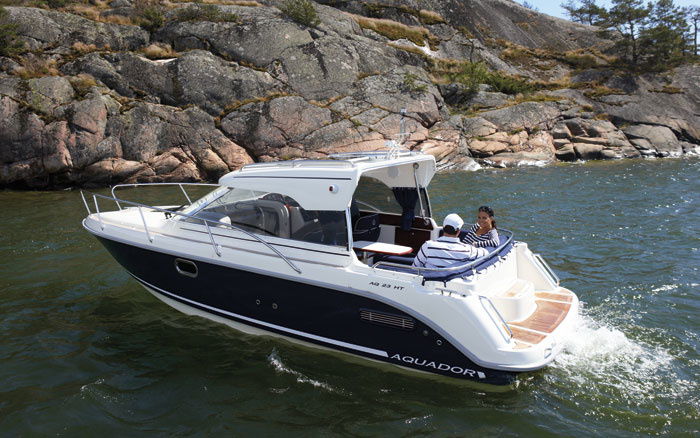

Images have been gathered from various sources and belong to their respective owners.
Review - Aquador 23 HT

MarineBroker
03/21/2024, 12:14 AM
2013 Aquador 23 HT: What to Check Before You Buy and How to Avoid Costly Surprises
If you’re looking at a 2013 Aquador 23 HT, you’re probably already drawn to the same things most buyers notice first: the smart hardtop layout, Scandinavian build quality, and the kind of practical cruising setup that makes weekends on the water feel easy. It’s a boat that has a strong reputation for being well thought out, but like any used boat, the real question isn’t just whether it looks good in photos. The real question is whether it’s been maintained properly and whether it still fits the way you want to boat today.
That’s where many buyers run into trouble. A boat like the Aquador 23 HT can be a fantastic choice, but hidden wear, old systems, and overlooked maintenance can turn a good purchase into an expensive learning experience. The good news is that most of those risks can be reduced with a careful inspection and a clear checklist. If you know what to look for, you can separate a solid example from one that needs more work than it’s worth. Let’s walk through the common concerns, the practical checks that matter, and how to make a confident decision.
- Why the 2013 Aquador 23 HT Still Gets Attention
The 2013 Aquador 23 HT sits in a sweet spot for many boaters. It’s compact enough to manage without feeling overwhelming, yet it offers enough shelter and comfort to make it useful for real cruising, not just fair-weather outings.
What makes this model appealing is the hardtop design. Compared with open boats, a hardtop cruiser usually gives you better protection from wind, spray, and changing weather. That makes a big difference if you boat in cooler climates or want a vessel that can stretch the season a bit longer.
Other reasons buyers keep circling back to this model include:
- A practical cabin layout for its size
- A reputation for quality fit and finish
- Good all-around usability for day trips and short overnight stays
- A size that can still be manageable for many owners
That said, the same features that make it appealing can also hide issues if the boat hasn’t been cared for. A well-kept Aquador can feel impressive. A neglected one can become a money pit surprisingly fast.
- The Main Problem: Used Boat Condition Is Hard to Judge at a Glance
The biggest challenge with a used 2013 Aquador 23 HT is that condition is not always obvious. On the surface, many boats look similar. Fresh upholstery, a polished hull, and clean photos can create a strong impression, but they don’t tell you much about engines, electrical systems, moisture intrusion, or past repairs.
This is especially important with a boat of this age. By now, many original components may be nearing the end of their useful life, depending on usage and maintenance. Even if the hull is in good shape, the boat may still need attention in places buyers often overlook.
Common hidden issues include:
- Aging batteries and charging systems
- Corrosion in wiring or connectors
- Worn bellows, seals, or hoses
- Moisture in cushions, lockers, or cabin areas
- Engine service gaps
- Propeller or drive wear
- Soft spots or leaks around deck fittings
The practical solution is not to avoid the model. It’s to inspect it like a smart buyer, not a hopeful one.
- What to Inspect on a 2013 Aquador 23 HT Before Buying
A good used-boat inspection should be part detective work, part common sense. You do not need to be a marine surveyor to spot warning signs, but you do need to slow down and look beyond the cosmetics.
- Hull and Exterior Condition
Start with the hull, deck, and visible fittings. Look for signs of impact, repairs, or uneven gelcoat. Minor cosmetic wear is normal, but you want to watch for anything that suggests a harder life.
Check for:
- Cracks around stress points
- Discoloration or blistering
- Repair patches that don’t match the surrounding finish
- Loose cleats, rails, or fittings
- Evidence of poor sealing around hardware
Pay close attention to the swim platform, transom area, and any places where water could have entered over time. If the boat has been stored outside, UV exposure may also have taken a toll on trim and surfaces.
- Cabin and Interior Moisture
Inside the boat, your main concern is moisture. A cabin can look clean and still have water damage behind panels, under cushions, or in storage compartments.
Look for:
- Musty smells
- Staining on headliners or upholstery
- Soft or spongy flooring
- Condensation damage
- Water marks around windows or hatches
In a boat like the Aquador 23 HT, the cabin is a major part of the boat’s value. If it feels damp, smells stale, or shows signs of repeated leaks, those issues can be more than cosmetic.
- Engine and Mechanical Systems
The engine is usually the biggest-ticket item, so this part deserves extra attention. Whether the boat has been used regularly or sat idle, engine condition matters more than hour count alone.
Ask for:
- Service records
- Oil change history
- Impeller replacement history
- Cooling system maintenance
- Fuel system service notes
Then inspect for:
- Leaks around hoses and fittings
- Corrosion on clamps or metal parts
- Hard starting or rough idle
- Smoke, unusual vibration, or overheating
- Signs of neglected winterization
A boat that starts easily is nice. A boat that starts easily and has documentation is much better.
- Electrical and Electronics
Electrical problems are among the most frustrating issues on any used boat because they can be intermittent and hard to trace. They also tend to snowball if left alone.
Test everything you can, including:
- Navigation lights
- Cabin lights
- Pumps
- Horn
- Gauges
- Battery switch
- Charging system
- Electronics and displays
Look under panels and inside lockers for messy wiring, corrosion, or amateur repairs. A clean, labeled electrical setup is a good sign. Random splices and exposed connections are not.
- Steering, Controls, and Drive Components
The controls should feel smooth and predictable. If steering feels stiff, jerky, or loose, that’s worth investigating before you buy.
Check:
- Throttle response
- Steering play
- Trim function
- Drive movement
- Propeller condition
- Signs of corrosion on outdrive or drive components
If the boat has been used in saltwater, corrosion becomes even more important. Salt exposure can shorten the life of many components if flushing and maintenance were inconsistent.
- How to Judge Whether the 2013 Aquador 23 HT Is a Good Fit for You
A boat can be well maintained and still be the wrong boat for your needs. That’s why it helps to think beyond condition and ask how the 2013 Aquador 23 HT will actually be used.
This model tends to make the most sense for buyers who want:
- A compact cruiser with weather protection
- A boat that works well for day cruising and short trips
- Easier handling than a larger cabin cruiser
- A practical layout over flashy features
It may be less ideal if you want:
- Large sleeping capacity for extended family trips
- A very spacious cockpit
- Standing room and interior volume similar to a much larger boat
- A boat designed primarily for long-range cruising
In other words, the Aquador 23 HT is often a smart choice for couples, small families, or owners who value usability and shelter over sheer size.
- Common Ownership Costs People Forget About
One of the biggest mistakes buyers make is focusing only on purchase price. A used boat can look affordable until the first round of real-world expenses arrives.
For a 2013 Aquador 23 HT, budget for more than just the sticker price. Consider:
- Insurance
- Winter storage or marina fees
- Routine engine service
- Antifouling and bottom maintenance
- Battery replacement
- Upholstery or canvas repairs
- Electronics upgrades
- Unexpected mechanical repairs
A smart rule is to keep a reserve fund after purchase. Even a well-kept boat usually needs something once ownership begins.
- How to Evaluate Maintenance Records Like a Pro
Maintenance records are one of the best indicators of how a boat has been treated. A seller who can show regular service history is usually giving you a much clearer picture than someone who only says, “It runs great.”
Look for records that show:
- Annual engine service
- Oil and filter changes
- Drive service
- Winterization or layup work
- Battery replacement dates
- Pump and hose replacements
- Any major repairs or upgrades
You do not need perfect paperwork, but you do want a believable pattern of care. A boat with scattered or missing records isn’t automatically bad. It just means you need to inspect more carefully and price in more risk.
- The Best Way to Avoid Expensive Mistakes
If you want the safest path to buying a 2013 Aquador 23 HT, combine three things: inspection, documentation, and a professional survey.
Here’s the practical approach:
1. Do your own walkthrough first.
Look for obvious signs of neglect, leaks, corrosion, or damage.
2. Ask detailed questions.
Find out where the boat was stored, how often it was used, and what maintenance was done.
3. Review service records.
Confirm that the engine and major systems were cared for regularly.
4. Get a marine survey.
A surveyor can spot structural, mechanical, and moisture issues that most buyers miss.
5. Test everything on the water.
A dockside look is not enough. Run the boat and see how it behaves under load.
This process may feel slow, but it is far cheaper than buying the wrong boat.
- Signs a 2013 Aquador 23 HT Has Been Well Cared For
When you find a good example, the signs are usually there. You just need to know what “good” looks like.
Positive signs include:
- Clean engine bay with minimal corrosion
- Dry bilges and lockers
- Smooth-running engine and responsive controls
- Even wear on upholstery and carpets
- Well-kept wiring and tidy systems
- Consistent service records
- Evidence of indoor or covered storage
A well-maintained boat often feels organized. Things fit properly, switches work, hatches open cleanly, and nothing smells off. That level of care usually shows up across the whole boat, not just in one area.
- When the 2013 Aquador 23 HT Is Worth Buying
This model can be a very good buy when the condition matches the asking price. It becomes especially attractive if you find one that has:
- Regular maintenance
- Clean mechanical history
- No major water intrusion
- Solid upholstery and cabin condition
- Proper storage history
If the boat has been loved by a careful owner, it can offer a lot of value. You get a practical hardtop cruiser with a strong reputation, without jumping into a much larger and more expensive boat.
The key is not to chase the cheapest example. The cheapest boat is often the most expensive one after repairs, upgrades, and downtime.
- Final Buying Checklist for the 2013 Aquador 23 HT
Before you commit, make sure you’ve checked the essentials:
- Hull and deck condition
- Signs of leaks or moisture
- Engine service history
- Electrical system function
- Steering and control response
- Drive and propeller wear
- Interior smell and cabin dryness
- Storage and maintenance history
- Survey results
- Sea trial performance
If most of these come back strong, you’re probably looking at a boat that can deliver years of enjoyable use. If several areas raise red flags, it may be better to keep shopping.
The 2013 Aquador 23 HT has a lot going for it, but buying wisely matters more than buying quickly. Focus on condition, records, and real-world testing, and you’ll give yourself the best chance of ending up with a boat that feels like a smart decision instead of a stressful project.
- Conclusion
The 2013 Aquador 23 HT can be a great option for buyers who want a compact hardtop cruiser with practical comfort and solid all-around usability. The main challenge is not finding one that looks good, but finding one that has been properly maintained and suits your boating style. By checking the hull, cabin, engine, electrical systems, and service history, you can avoid the most common used-boat mistakes.
If you’re seriously considering one, take your time, ask the right questions, and do not skip the survey or sea trial. A careful approach will help you spot the difference between a boat that’s ready for the season and one that needs more work than it’s worth.
Specifications
General
Boat Type: Power Boats
Class Type: Walkaround
Specifications
Length: 23.46
Beam: 8.4
Draft: 2.79
Hull Material: GRP
Build
First Built: 2013
Propulsion
Fuel Type: Diesel
Engines: 1
Power: 190 HP
Brand: Unknown
Accomodation
Berths: 5
PROS & CONS
What we appreciated
 Solid build quality with Swedish craftsmanshipComfortable hardtop providing protection from the elementsSpacious cockpit suitable for family outingsEfficient fuel consumption for its sizeGood handling and stability in various water conditions
What we didn’t appreciate
 Limited cabin space compared to larger boatsOlder model with potentially outdated electronicsMaintenance may be costly due to European partsNot ideal for high-speed performance enthusiastsStorage space can be limited for extended trips
Upkeep Costs
Fuel: Approximately $2,000 - $3,000 per year, depending on usage
Maintenance and Repairs: Around $1,000 - $2,000 per year
Insurance: Typically $300 - $600 per year
Storage and Mooring: $500 - $2,000 per year depending on location and type
Registration and Taxes: $100 - $300 per year

Rating
7.3
User
Score
Score
Driveability
Technology
Interior
Design
Similar Boats


MarineBroker
Download now for an immersive boat experience like never before! ⛵✨ Your journey begins with a simple click. 🌊📲
#SetSailSmart #DownloadNow
#SetSailSmart #DownloadNow

Subscribe
Copyright 2017 - 2026, Marinebroker.net, All Rights Reserved